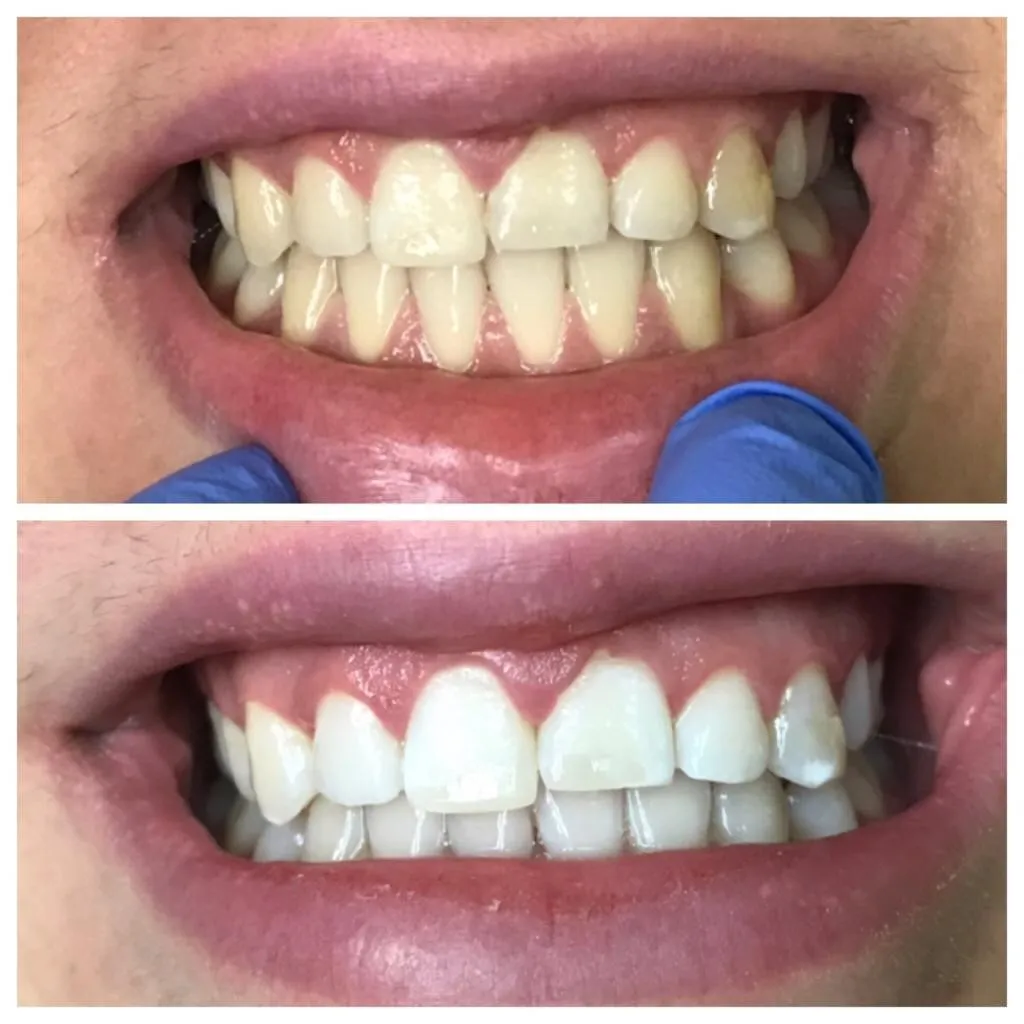
Understanding Tooth Pain After Zoom Whitening
Zoom whitening is a popular cosmetic dental procedure that significantly brightens teeth in a single office visit. While effective, it’s not uncommon to experience some level of tooth pain or sensitivity following the treatment. This discomfort is usually temporary, but understanding the causes and how to manage it is crucial for a comfortable experience. This article delves into the reasons behind this sensitivity and provides actionable steps to alleviate the pain and ensure a smooth recovery. It is important to remember that every individual reacts differently to the procedure, so the intensity and duration of the pain can vary.
What Causes Tooth Pain After Zoom Whitening
The primary reason for tooth pain after Zoom whitening is the bleaching agent, typically a high-concentration hydrogen peroxide solution. This agent penetrates the enamel and dentin to break down stain molecules, which can temporarily irritate the nerves within the teeth. The process makes the teeth more porous and susceptible to sensitivity. The heat from the whitening light used during the procedure can also contribute to the discomfort. This combination of chemical and thermal factors often leads to heightened sensitivity, especially to temperature changes. The intensity of the pain is often related to the concentration of the whitening agent and the duration of the procedure.
Tooth Sensitivity and Zoom Whitening

Tooth sensitivity is a common side effect of Zoom whitening. The bleaching process temporarily removes some of the protective layers of the teeth, exposing the dentin tubules. These tubules contain nerve endings that transmit sensations to the brain. When these nerve endings are stimulated by hot, cold, sweet, or acidic substances, it can result in sharp, temporary pain. This sensitivity can last for a few hours to several days or, in rare cases, a few weeks. The degree of sensitivity varies from person to person and depends on factors such as the natural thickness of enamel and any pre-existing dental conditions.
Factors Influencing Pain Levels
Several factors can influence the level of pain experienced after Zoom whitening. The pre-existing condition of your teeth plays a significant role. Individuals with sensitive teeth, cavities, or gum recession may experience more discomfort. The concentration of the bleaching agent and the duration of the treatment also influence the intensity of the pain. Furthermore, how well you follow the post-whitening instructions and take care of your teeth in the days after the procedure can significantly affect how you feel. Finally, individual pain tolerance levels vary, so what one person perceives as mild discomfort might be more intense for another.
Top 5 Ways to Manage Tooth Pain After Zoom Whitening
Fortunately, there are several effective strategies to manage tooth pain and sensitivity following Zoom whitening. The following are the most effective methods.
Use Over-the-Counter Pain Relievers

Over-the-counter (OTC) pain relievers can provide quick relief from tooth pain. Nonsteroidal anti-inflammatory drugs (NSAIDs) like ibuprofen (Advil, Motrin) or naproxen (Aleve) are effective at reducing both pain and inflammation. Acetaminophen (Tylenol) can also help manage pain, though it does not have anti-inflammatory properties. It is important to follow the dosage instructions on the packaging. Taking these medications before the pain becomes severe can help to minimize the discomfort and allow you to manage your activities more comfortably.
How OTC Pain Relievers Work
NSAIDs work by reducing the production of prostaglandins, which are chemicals that contribute to pain and inflammation. Acetaminophen primarily works by affecting the brain’s pain receptors, reducing the perception of pain. These medications can help to block pain signals and reduce the swelling that often accompanies tooth sensitivity after whitening. Taking the medication at the first sign of discomfort can make a difference in the severity of the pain experienced.
Choosing the Right Pain Reliever
When choosing an OTC pain reliever, consider your overall health and any existing medical conditions. If you have kidney problems or are prone to stomach issues, consult your dentist or physician before taking NSAIDs. Acetaminophen is a good alternative if you cannot take NSAIDs, but avoid exceeding the recommended daily dose. Always read and follow the instructions on the product label, and do not exceed the maximum recommended dosage. If the pain persists or worsens, consult your dentist.
Desensitizing Toothpaste for Sensitive Teeth

Desensitizing toothpaste is specifically designed to reduce tooth sensitivity. These toothpastes contain ingredients like potassium nitrate or stannous fluoride, which help block the pathways that transmit pain signals to the nerves in your teeth. Using desensitizing toothpaste regularly before and after your Zoom whitening treatment can help minimize the discomfort associated with the procedure. The ingredients in these toothpastes work to reduce the sensitivity by forming a protective layer over the exposed dentin and nerve endings.
How Desensitizing Toothpaste Works
Potassium nitrate works by penetrating the tooth and calming the nerve endings, which reduces the sensitivity to stimuli like hot and cold. Stannous fluoride helps to block the dentin tubules, preventing irritants from reaching the nerves. For optimal results, use the toothpaste as directed on the packaging, typically brushing twice daily. It may take several days or weeks of consistent use before you experience the full benefits, so it’s important to be patient. Incorporating desensitizing toothpaste into your daily oral hygiene routine is a proactive measure to combat sensitivity.
Best Time to Use Desensitizing Toothpaste
The best time to use desensitizing toothpaste is at least two weeks before the Zoom whitening procedure to help prepare your teeth. Continue using the toothpaste for several weeks after the whitening to manage any post-treatment sensitivity. Brushing gently to avoid irritating your gums is essential. Be sure to brush for at least two minutes each time, ensuring that the toothpaste reaches all surfaces of your teeth. Consider applying a small amount of the toothpaste to the sensitive areas after brushing, leaving it in place for a few minutes before rinsing.
Avoid Hot and Cold Foods and Drinks

One of the easiest ways to manage tooth pain and sensitivity is to avoid extremely hot and cold foods and drinks. These temperatures can trigger pain in sensitive teeth, making the discomfort more noticeable. During the period of sensitivity after Zoom whitening, it is best to consume lukewarm foods and beverages. Give your teeth some time to recover, and gradually reintroduce temperature variations as the sensitivity decreases. This simple adjustment can significantly reduce the pain and help you feel more comfortable.
Why Temperature Sensitivity Occurs
Tooth sensitivity to temperature changes is a common issue after Zoom whitening due to the temporary porosity of the enamel. The bleaching agent makes the enamel more permeable, allowing hot and cold sensations to reach the nerves more easily. Until the teeth remineralize and the enamel re-forms, avoiding temperature extremes is a key strategy for managing pain. This helps to minimize the stimulation of the exposed nerve endings and prevents the exacerbation of pain.
Dietary Adjustments for Comfort
In addition to avoiding extremes in temperature, consider other dietary adjustments. Avoid acidic foods like citrus fruits and carbonated beverages, as they can further irritate sensitive teeth. Choose soft, room-temperature foods that are easy to chew. Examples include soups, yogurt, mashed potatoes, and smoothies. Drinking through a straw can also help to reduce the contact of cold or hot beverages with your teeth. Making these dietary adjustments can make a significant difference in your comfort level during the recovery period.
Use Fluoride Treatments

Fluoride treatments can help remineralize the enamel and reduce tooth sensitivity after Zoom whitening. Fluoride strengthens the enamel, making teeth more resistant to external stimuli. Your dentist may recommend a fluoride treatment after your whitening procedure, either in the office or through prescription-strength fluoride toothpaste or rinses for home use. Fluoride treatments help to rebuild the tooth structure and block the tubules that cause sensitivity.
Benefits of Fluoride for Teeth
Fluoride has several benefits for teeth, including strengthening enamel and protecting against cavities. It works by incorporating into the enamel structure, making it more resistant to acid attacks from bacteria. Additionally, fluoride can help to reduce tooth sensitivity by blocking the dentin tubules. Regular fluoride exposure after Zoom whitening can accelerate the remineralization process, reducing sensitivity and improving overall oral health. This is one of the most important steps in the recovery period.
Different Types of Fluoride Treatments
Your dentist may provide in-office fluoride treatments, which typically involve applying a high-concentration fluoride gel or varnish to your teeth. They may also prescribe a high-fluoride toothpaste or rinse for home use. Fluoride varnishes are painted onto the teeth and left in place for a short time, providing a concentrated dose of fluoride. Home-use products contain higher concentrations of fluoride than over-the-counter options. Follow your dentist’s instructions carefully when using prescription-strength fluoride products to maximize their benefits and avoid any potential side effects.
Consult Your Dentist

If you experience severe or persistent tooth pain after Zoom whitening, it is essential to consult your dentist. They can assess the cause of your pain and provide appropriate treatment. Your dentist is the best resource for addressing any concerns about sensitivity or other side effects. They can examine your teeth, identify any underlying issues, and recommend the most effective solutions. Regular dental check-ups and consultations are crucial for maintaining optimal oral health and managing any dental issues promptly.
When to Seek Professional Help
While some tooth pain after Zoom whitening is normal, you should seek professional help if the pain is severe, lasts longer than a few days, or is accompanied by other symptoms such as swelling, fever, or bleeding. These could be signs of an underlying dental issue that requires immediate attention. It’s also important to contact your dentist if you experience a sudden increase in sensitivity or if the pain is interfering with your ability to eat or drink. Early intervention is essential to prevent potential complications.
Emergency Dentist
If you experience severe pain outside of your dentist’s regular office hours, contact an emergency dentist. Emergency dentists are equipped to handle urgent dental problems, including severe tooth pain or sensitivity. They can diagnose the cause of your pain and provide immediate relief, such as prescribing pain medication or performing emergency treatments. Keeping the contact information for an emergency dentist in your area can be a wise precaution, especially after undergoing a procedure like Zoom whitening. Quick intervention can prevent discomfort and further complications.
Preventing Tooth Pain After Zoom Whitening

Preventing tooth pain after Zoom whitening involves several proactive measures before and after the procedure. While some degree of sensitivity is inevitable, these steps can minimize discomfort and promote faster recovery. Following post-whitening instructions, maintaining excellent oral hygiene, and adopting a healthy diet all contribute to the best possible experience. Consider these preventative steps for a smoother, more comfortable process.
Follow Post-Whitening Instructions
Your dentist will provide detailed post-whitening instructions. These instructions often include avoiding certain foods and drinks for a specific period, using desensitizing toothpaste, and attending follow-up appointments. Carefully following these guidelines is the most effective way to minimize sensitivity and ensure a successful outcome. These instructions are tailored to your specific situation and dental health, so it’s critical to adhere to them precisely. Not following the advice could lead to increased pain, prolonged sensitivity, and even compromised results.
Importance of Proper Oral Hygiene
Maintaining excellent oral hygiene is vital for preventing tooth pain and ensuring healthy teeth and gums. Brush your teeth gently but thoroughly twice a day with a soft-bristled toothbrush. Floss daily to remove plaque and food particles from between your teeth. Regular dental check-ups and professional cleanings are essential for maintaining good oral health. Proper hygiene minimizes the risk of cavities, gum disease, and other issues that can worsen sensitivity after whitening. Make sure your teeth and gums are healthy before whitening.
Maintain a Healthy Diet
A healthy diet supports overall oral health and can help minimize tooth pain after Zoom whitening. Limit your intake of sugary and acidic foods and drinks. These substances can erode enamel and increase sensitivity. Focus on a balanced diet rich in fruits, vegetables, and calcium-rich foods to strengthen your teeth. Drinking plenty of water helps to keep your mouth hydrated and promotes saliva production, which naturally cleanses your teeth. Good nutrition lays the groundwork for overall good dental health.