Understanding Teeth Whitening Options
Teeth whitening has become a popular cosmetic procedure for enhancing smiles. With various options available, choosing the right one can be daunting. Two leading methods in the realm of professional teeth whitening are Zoom and Kor whitening. Both offer distinct approaches to achieving a brighter, more radiant smile, but they differ significantly in their techniques, effectiveness, and suitability for different individuals. This article provides a detailed comparison of Zoom and Kor whitening, helping you understand the pros and cons of each, and guiding you in making an informed decision tailored to your needs. The goal is to equip you with the knowledge to choose the best teeth whitening solution to meet your aesthetic goals and oral health requirements.
What is Zoom Whitening
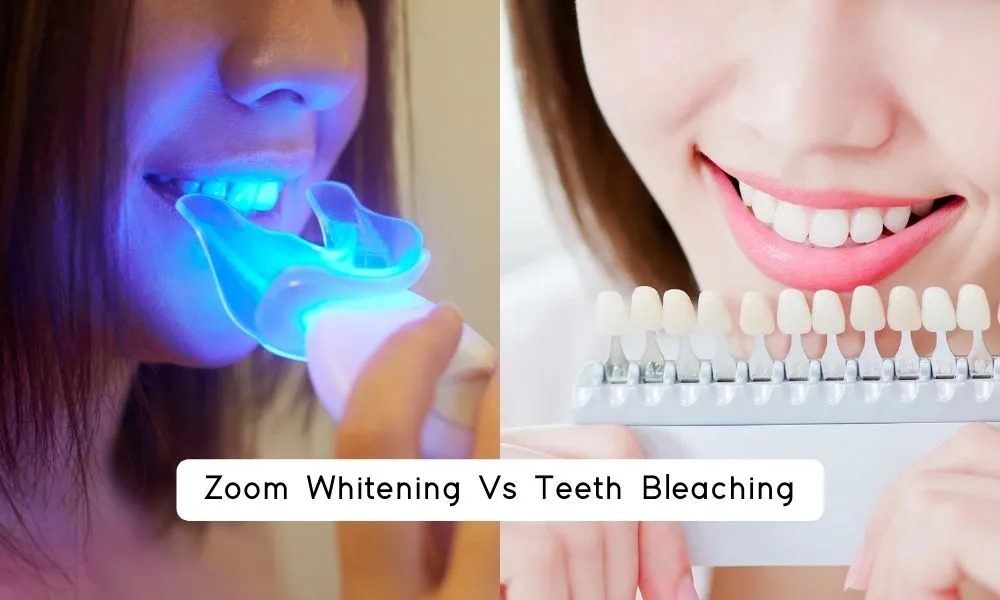
Zoom whitening is a popular in-office teeth whitening procedure offered by many dental professionals. It’s a quick and effective way to significantly lighten the shade of your teeth in a single appointment. The procedure involves the application of a high-concentration hydrogen peroxide bleaching gel to the teeth, followed by the use of a special Zoom light to accelerate the whitening process. This light activates the gel, breaking down stains and discoloration on the enamel. The process is designed to provide dramatic results, making it a sought-after choice for those seeking immediate improvements in their smile’s appearance. It is a professional treatment administered under strict dental supervision to ensure safety and optimal outcomes.
How Does Zoom Whitening Work

The Zoom whitening process begins with a thorough dental cleaning to remove any surface stains and plaque, ensuring the bleaching agent can effectively penetrate the enamel. A protective barrier is then applied to the gums and soft tissues to prevent irritation from the strong bleaching gel. The whitening gel, containing a high percentage of hydrogen peroxide, is applied to the teeth. A specialized Zoom light, which emits a specific wavelength, is directed at the teeth. This light activates the hydrogen peroxide, causing it to break down into oxygen molecules. These oxygen molecules then penetrate the enamel and dentin, breaking down the stain molecules. The process is typically repeated in 15-minute intervals, allowing for optimal whitening. The intensity of the light and the concentration of the gel are carefully controlled by the dentist to maximize whitening results while minimizing potential side effects.
Zoom Whitening Procedure
The Zoom whitening procedure is a meticulously conducted process designed to ensure both effectiveness and patient comfort. The dentist first assesses the patient’s oral health and suitability for the treatment. After a comprehensive cleaning, a retractor is placed in the mouth to keep the lips and cheeks away from the teeth. The gums are then covered with a protective barrier to prevent the bleaching agent from causing irritation. The Zoom whitening gel is applied to the teeth’s surface, followed by exposure to the Zoom light for a set period. The process is repeated in several 15-minute sessions. After the final session, the gel is removed, and the teeth are thoroughly rinsed. A fluoride treatment may be applied to reduce sensitivity and remineralize the enamel. The dentist will provide post-treatment instructions to maintain the results and manage any sensitivity.
Benefits of Zoom Whitening
Zoom whitening offers several advantages, making it a popular choice for those seeking a brighter smile. The most significant benefit is the dramatic and rapid results achieved in a single dental visit. Zoom can lighten teeth by several shades in about an hour, providing immediate gratification. The procedure is performed under the supervision of a dental professional, ensuring safety and minimizing risks. It effectively removes stains caused by coffee, tea, tobacco, and aging. The Zoom light technology enhances the whitening process, making it more efficient. The treatment is relatively comfortable, with minimal downtime. Many patients experience a significant boost in self-confidence due to their improved smile. Zoom whitening can be a highly effective option for people looking for a quick and noticeable transformation.
Potential Side Effects of Zoom Whitening

While Zoom whitening is generally safe, some potential side effects can occur. The most common side effect is tooth sensitivity, which can range from mild to moderate and usually subsides within a few days. Gum irritation or inflammation is another possible side effect, often due to the bleaching agent coming into contact with the soft tissues. In rare cases, patients might experience a sore throat or minor discomfort in the jaw joint. It’s important to note that these side effects are usually temporary and resolve quickly. Dentists take precautions to minimize side effects, such as using protective barriers and adjusting the concentration of the bleaching gel. Patients should follow their dentist’s post-treatment instructions carefully to manage any discomfort and maintain their newly whitened smile.
What is Kor Whitening
Kor whitening is a professional teeth whitening system known for its effectiveness in treating even the most stubborn stains and discoloration. Unlike Zoom whitening, Kor uses a combination of custom-fitted trays and potent bleaching agents. The trays are designed to seal tightly around the teeth, preventing saliva contamination, which can reduce the effectiveness of the whitening process. The Kor system is known for its ability to remove stains caused by tetracycline antibiotics and other deep-seated discolorations that often don’t respond well to other whitening methods. It is a comprehensive approach that combines in-office treatments with at-home maintenance, offering a long-lasting solution for a brighter, whiter smile. The treatment is also designed to minimize sensitivity, making it a comfortable option for patients with sensitive teeth.
How Does Kor Whitening Work
The Kor whitening system works through a multi-step process that maximizes effectiveness and minimizes sensitivity. Initially, the dentist takes impressions of the patient’s teeth to create custom-fitted trays. These trays are designed to fit snugly and seal tightly around the teeth, preventing the bleaching agent from being diluted by saliva. The process typically includes a combination of in-office treatments and at-home maintenance. During in-office sessions, the dentist applies a high-potency bleaching gel. Patients also use the custom trays at home, typically overnight, with a lower concentration of bleaching agent. The Kor system uses a specialized formula that includes desensitizing agents to reduce the potential for tooth sensitivity. This comprehensive approach ensures deep penetration of the bleaching agent and consistent whitening results over time. This system is designed to restore teeth to their natural, youthful appearance.
Kor Whitening Procedure

The Kor whitening procedure involves several steps, starting with an initial consultation and examination by a dentist. The dentist will assess the patient’s oral health and determine if they are a suitable candidate for the treatment. Impressions of the teeth are taken to create custom-fitted trays. These trays are the cornerstone of the Kor system, ensuring that the bleaching agent remains in contact with the teeth and is not diluted by saliva. The in-office procedure typically involves a thorough cleaning of the teeth and the application of a high-concentration bleaching gel. The patient wears the trays at home for several weeks, typically overnight, using a lower concentration gel. The dentist provides detailed instructions on how to use the trays and manage any potential sensitivity. Follow-up appointments are scheduled to monitor progress and make any necessary adjustments. This phased approach ensures optimal and consistent results.
Benefits of Kor Whitening
Kor whitening offers numerous benefits that make it a preferred choice for many patients. One of the most significant advantages is its effectiveness in treating deep-seated stains, including those caused by tetracycline antibiotics. The custom-fitted trays and powerful bleaching agents provide consistent and thorough whitening. The system is designed to minimize tooth sensitivity, making it a comfortable experience for most patients. The combination of in-office and at-home treatments ensures long-lasting results. Many patients experience a dramatic improvement in the brightness and appearance of their smile. The results of Kor whitening are often more durable than other whitening methods, providing a long-term solution for maintaining a brighter smile. The system’s focus on comfort and effectiveness makes it an excellent choice for individuals seeking a professional teeth whitening solution.
Potential Side Effects of Kor Whitening
Like all teeth whitening procedures, Kor whitening may have potential side effects, although they are typically mild and temporary. The most common side effect is tooth sensitivity, which can be managed with desensitizing agents in the bleaching gel and fluoride treatments. Gum irritation or inflammation may occur if the bleaching agent comes into contact with the soft tissues. In rare cases, patients might experience a slight burning sensation in the mouth or throat. The dentist will take precautions to minimize these side effects, such as using protective barriers and carefully monitoring the treatment. Patients should follow post-treatment instructions, including using desensitizing toothpaste and avoiding foods and drinks that can stain teeth. Any concerns should be promptly addressed with the dentist to ensure a comfortable and successful whitening experience.
Zoom vs Kor Whitening
Whitening Power
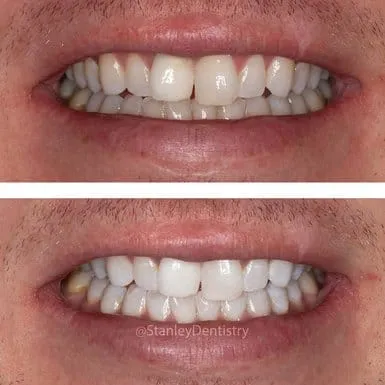
When comparing Zoom and Kor whitening in terms of their whitening power, both systems offer significant improvements in tooth brightness. However, they approach the outcome differently. Zoom whitening is known for its immediate and dramatic results, often lightening teeth by several shades in a single appointment. Kor whitening, on the other hand, provides more gradual but equally impressive results. It excels in treating severe stains, including those caused by tetracycline, which can be challenging to address with other methods. The intensity of each system is determined by the concentration of the bleaching agents used and the duration of the treatment. Zoom’s effectiveness is amplified by the use of a specialized light, while Kor’s efficacy lies in the potency of its bleaching gels and the snug fit of the custom trays, ensuring consistent contact with the teeth. Ultimately, both systems can dramatically whiten teeth, but their suitability depends on the specific needs of the patient, the type of staining, and the desired outcome.
Sensitivity Levels
Tooth sensitivity is a common concern with teeth whitening treatments, and both Zoom and Kor systems take steps to address this. Zoom whitening, with its higher-concentration bleaching gel and light activation, may sometimes cause greater sensitivity, which usually diminishes within a few days. Dentists often recommend using a desensitizing toothpaste before and after the procedure to minimize discomfort. Kor whitening is designed to reduce sensitivity, as the bleaching gel contains desensitizing agents. The custom-fitted trays help protect the gums and reduce the risk of irritation. The at-home maintenance phase, with lower-concentration gels, also contributes to minimizing sensitivity. Patients considering either method should discuss their sensitivity concerns with their dentist, who can recommend strategies to manage potential discomfort, such as using a desensitizing toothpaste or fluoride treatments.
Cost Comparison

The cost of Zoom and Kor whitening can vary based on the dentist’s location, the complexity of the case, and any additional treatments or procedures. Generally, Zoom whitening tends to be less expensive than Kor whitening because it involves a single in-office session. The cost of Zoom whitening typically includes the initial consultation, teeth cleaning, the whitening procedure, and any post-treatment care. Kor whitening, which combines in-office treatments with at-home maintenance, is often priced higher due to the additional materials, custom-fitted trays, and the more comprehensive approach. The overall cost includes the dentist’s fees, the cost of the bleaching agents, and the time commitment involved. Before making a decision, patients should obtain a detailed cost estimate from their dentist and inquire about any financing options or payment plans that may be available. Consider both the initial cost and the long-term value of the treatment.
Treatment Time
Treatment time is a significant factor to consider when choosing between Zoom and Kor whitening. Zoom whitening is known for its efficiency, providing noticeable results in about an hour during a single office visit. The procedure involves applying the bleaching gel and using the Zoom light in several 15-minute intervals. This makes it an ideal option for those who want immediate improvements and have busy schedules. Kor whitening, on the other hand, requires more time, as it combines in-office and at-home treatments. The initial consultation and custom tray fitting take place in the dental office. Patients then wear the trays at home, typically overnight, for several weeks, following their dentist’s instructions. While the in-office sessions with Kor are shorter, the overall treatment duration is longer. The extended treatment time of Kor allows for deeper penetration of the bleaching agent, leading to more thorough and lasting results.
Effectiveness
The effectiveness of Zoom and Kor whitening depends on the patient’s individual needs, the type of discoloration, and their adherence to the treatment protocol. Zoom whitening is highly effective for surface stains and can significantly lighten the shade of teeth in a short period. It is suitable for those with stains caused by coffee, tea, or tobacco. Kor whitening excels in treating deeper stains and discolorations, including those caused by tetracycline. This is because of the potent bleaching agents and custom-fitted trays that ensure consistent contact with the teeth. Both systems offer excellent results, but the best choice depends on the nature of the stains and the desired outcome. It is important to consult with a dentist to determine which system is most appropriate for your specific situation, considering factors such as the severity and type of staining and your oral health.
Who Are The Best Candidates
Candidates for Zoom Whitening
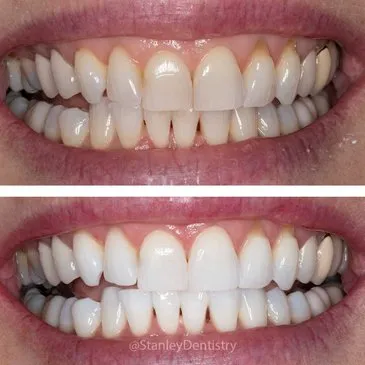
The ideal candidates for Zoom whitening are individuals with relatively healthy teeth and gums, who have surface stains caused by food, drinks, or tobacco. They are typically looking for a quick and effective solution to brighten their smile in a single appointment. Zoom whitening is a good choice for those with busy schedules who want to see immediate results. Patients with minor to moderate discoloration will achieve the best results. It’s also suitable for people who have not had significant dental work that could affect the whitening process. During the consultation, the dentist will assess the patient’s oral health and confirm that Zoom whitening is a safe and appropriate option, ensuring that any underlying dental issues are addressed before proceeding with the treatment. Candidates must have realistic expectations and understand potential sensitivity.
Candidates for Kor Whitening
Kor whitening is designed for a broader range of candidates, including those with deep-seated stains and more severe discoloration, such as that caused by tetracycline. It is also suitable for individuals who have tried other whitening methods without achieving satisfactory results. People with sensitive teeth can often benefit from Kor whitening due to its focus on minimizing sensitivity. Candidates should be committed to following the treatment protocol, including wearing the custom trays at home as directed by their dentist. The in-office and at-home approach of Kor makes it a versatile option for those seeking a more comprehensive and long-lasting whitening solution. A thorough consultation with a dentist will determine the suitability of the Kor whitening system, considering the patient’s oral health, lifestyle, and expectations.
Making Your Choice
Consulting Your Dentist
The most crucial step in making your choice between Zoom and Kor whitening is consulting your dentist. A dentist can assess your oral health, determine the type and severity of the stains, and recommend the most appropriate whitening method. They can also discuss your specific needs, expectations, and any concerns you may have about sensitivity or potential side effects. Your dentist will review your dental history and perform a comprehensive examination. They will also consider factors such as your lifestyle, diet, and habits. Before starting any teeth whitening procedure, make sure you are in good dental health. Your dentist can also provide detailed information about the procedures, the expected results, and the aftercare requirements. Consulting with a dental professional ensures that you make an informed decision that is best suited to your individual needs and goals, maximizing the effectiveness and safety of the whitening treatment.
Aftercare and Maintenance
Proper aftercare is essential for maintaining the results of teeth whitening, whether you choose Zoom or Kor. Following your dentist’s instructions is crucial to prevent stains and prolong the whitening effects. This typically includes avoiding foods and drinks that can stain teeth, such as coffee, tea, red wine, and dark-colored berries, for at least the first few weeks. Smoking should also be avoided, as it can significantly impact the results. Maintaining good oral hygiene practices, including brushing twice daily and flossing regularly, is essential to keep your teeth healthy and bright. Regular dental check-ups and cleanings are recommended to remove any surface stains and maintain the results. Consider using a whitening toothpaste or mouthwash to help maintain your brighter smile. Your dentist can provide personalized guidance on the best aftercare practices to maximize the longevity of your whitening results.