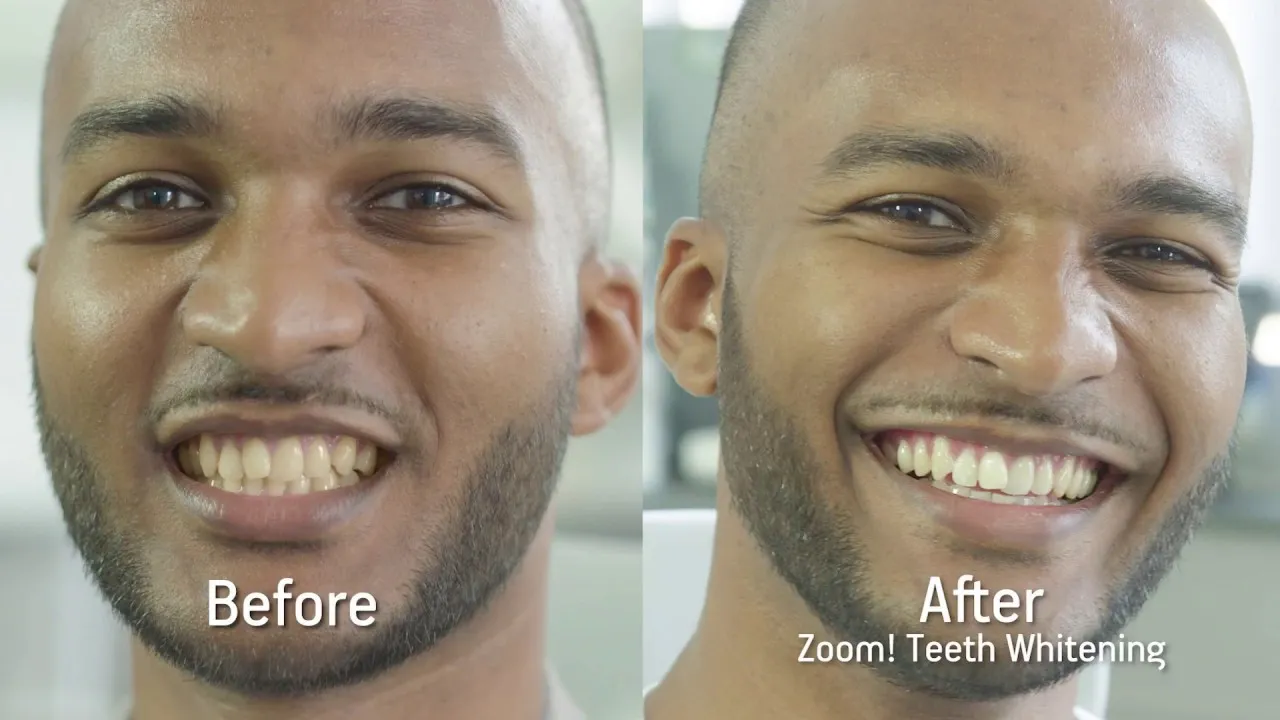
What is Zoom Teeth Whitening and Why Does It Cause Pain?
Zoom teeth whitening is a popular in-office procedure that uses a powerful bleaching agent and a specialized light to accelerate the whitening process. This method can significantly lighten the shade of your teeth in a single session, offering dramatic results quickly. However, the very mechanism that makes Zoom whitening effective can also lead to temporary discomfort or pain for some patients. The process involves the application of a high-concentration hydrogen peroxide gel to the teeth, which is then activated by a special blue light. This light helps to break down the stains and discoloration present in the enamel and dentin of your teeth, leading to a brighter smile. The interaction between the bleaching agent and the light can cause sensitivity, which manifests as pain or discomfort for some individuals. This pain is often a temporary side effect.
The Science Behind Zoom Whitening
Understanding the science behind Zoom whitening helps to grasp why pain might occur. The active ingredient in the whitening gel, hydrogen peroxide, penetrates the enamel and dentin of the teeth. This process breaks down the stain molecules, effectively bleaching the teeth. The Zoom light acts as a catalyst, speeding up the chemical reaction. The light energy increases the temperature of the tooth, making it more porous. This increased porosity allows the hydrogen peroxide to work more effectively, but it can also lead to the sensation of sensitivity. As the hydrogen peroxide breaks down the stain molecules, it also can affect the nerve endings within the teeth, which can cause pain. The intensity of the pain will depend on each person and the current state of their teeth before the process.
Sensitivity During the Procedure

During the Zoom whitening procedure, it’s common for patients to experience some level of sensitivity. This is a direct result of the whitening agent’s action and the light’s activation. The sensation can range from mild discomfort to sharp, sudden pains. The intensity of the sensitivity can vary based on several factors, including the individual’s enamel thickness, pre-existing sensitivity, and the concentration of the whitening gel used. Dentists typically take precautions to minimize discomfort, such as applying a protective barrier to the gums and adjusting the light’s intensity. Patients may also be given breaks during the procedure to alleviate any rising sensitivity. These considerations assist in making the procedure more comfortable for the patient.
The Role of the Whitening Agent
The primary agent responsible for teeth whitening in the Zoom procedure is hydrogen peroxide. This chemical compound works by oxidizing the stain molecules within the tooth structure, thereby lightening the shade of the teeth. The higher the concentration of hydrogen peroxide, the faster and more effective the whitening process is. However, a higher concentration can also increase the potential for sensitivity and pain. The hydrogen peroxide can penetrate the enamel and reach the dentin, which contains tiny tubules that lead to the tooth’s nerve. This process can cause irritation and lead to sensitivity. The role of the whitening agent is crucial for achieving the desired results, but it also makes the process potentially painful for some. Understanding the role of the agent highlights the need for careful consideration and management during the procedure.
Potential Side Effects After the Treatment
While Zoom teeth whitening is generally safe, patients may experience some side effects following the treatment. The most common side effect is tooth sensitivity, which can last for a few hours or up to a few days. This sensitivity is often triggered by cold or hot foods and drinks. Some patients may also experience gum irritation, characterized by redness, swelling, or discomfort. This usually resolves within a few days. In rare cases, patients may experience a sore throat or jaw pain due to the mouth prop used during the procedure. It’s important to follow your dentist’s aftercare instructions to manage these side effects effectively and ensure a smooth recovery.
Common Causes of Zoom Whitening Pain

Several factors can contribute to pain during or after Zoom teeth whitening. Understanding these causes can help you prepare for the procedure and take appropriate measures to minimize discomfort. The primary cause of pain is tooth sensitivity, which is a direct result of the bleaching agent affecting the enamel and dentin. Other contributing factors include the thickness of your enamel, pre-existing dental issues, and the strength of the whitening solution used. People with thinner enamel may experience more sensitivity because their dentin is closer to the surface. Additionally, any cracks, cavities, or gum recession can make teeth more susceptible to pain. Choosing a dentist experienced with Zoom whitening is important to make sure the best approach is taken.
Pre-existing Conditions
Pre-existing dental conditions can significantly impact the level of pain experienced during and after Zoom whitening. Individuals with cavities, gum disease, or receding gums are often more prone to sensitivity. These conditions can expose the dentin, which contains the tubules that lead to the nerve, making teeth more sensitive to the whitening agent. It’s important to address any pre-existing dental issues before undergoing Zoom whitening. This may involve filling cavities, treating gum disease, or other preparatory treatments. Informing your dentist about any pre-existing conditions is crucial for them to take the necessary precautions and customize the procedure to minimize pain and potential complications.
Tooth Sensitivity
Tooth sensitivity is the most common cause of pain associated with Zoom teeth whitening. This happens because the whitening agent penetrates the enamel, reaching the dentin and affecting the nerves inside the teeth. The sensation is typically characterized by sharp, temporary pain or discomfort. The intensity of tooth sensitivity can vary from mild to severe, depending on the individual’s tooth structure and sensitivity threshold. Individuals with naturally sensitive teeth or those who have experienced sensitivity from other dental procedures are more likely to experience pain during Zoom whitening. Sensitivity often peaks within the first 24 hours after the procedure and gradually subsides within a few days, as the teeth readjust.
Gum Irritation

Gum irritation is another potential side effect of Zoom teeth whitening, although it is less common than tooth sensitivity. This occurs when the whitening agent comes into contact with the gums, causing redness, swelling, and tenderness. The dentist takes precautions to prevent gum irritation by applying a protective barrier to the gums before the procedure. However, some of the whitening agent can still leak or come into contact with the gums. Gum irritation is usually temporary, resolving within a few days. To minimize irritation, it’s essential to follow your dentist’s aftercare instructions, which may include using a desensitizing toothpaste or avoiding harsh mouthwashes.
Top 5 Facts About Zoom Teeth Whitening Pain
Fact 1 It’s Temporary
The pain and sensitivity associated with Zoom teeth whitening are almost always temporary. While the discomfort can be unpleasant, it typically subsides within a few hours or days after the procedure. The temporary nature of the pain is a result of the temporary effects of the whitening agent on the tooth’s enamel and dentin. The teeth will gradually recover as the enamel remineralizes and the sensitivity subsides. Understanding that the pain is temporary can provide reassurance and help you manage the discomfort more effectively.
Fact 2 Varies in Intensity

The intensity of pain experienced during and after Zoom teeth whitening varies significantly from person to person. Some individuals may experience minimal discomfort, while others may feel sharp pain or sensitivity. This variation depends on factors such as the individual’s tooth structure, enamel thickness, pre-existing sensitivity, and the concentration of the whitening agent used. Factors like overall oral health and any existing dental issues can also play a role. It’s important to remember that the procedure can be adjusted. Always discuss your concerns and sensitivity levels with your dentist before undergoing the procedure.
Fact 3 Pain Management Techniques
There are several effective techniques to manage and alleviate pain associated with Zoom teeth whitening. Dentists often recommend over-the-counter pain relievers, such as ibuprofen or acetaminophen, to reduce discomfort. Using desensitizing toothpaste containing potassium nitrate can also help to block the tubules that lead to the tooth’s nerve, reducing sensitivity. Avoiding extremely hot or cold foods and drinks for a few days after the procedure can also minimize pain triggers. Following your dentist’s instructions, you can also use fluoride treatments or custom trays with desensitizing agents to provide further relief and promote healing.
Fact 4 Individual Variation
Individual variation is a key factor in understanding the experience of Zoom teeth whitening pain. Every person’s teeth and oral health are unique, so their response to the procedure can differ significantly. Enamel thickness, the presence of microscopic cracks, and pre-existing sensitivity levels all influence how much discomfort is felt. The dentist will assess these individual factors before the procedure and adjust the treatment accordingly. The pain can also change with the approach. Understanding the individual factors helps in managing expectations and choosing strategies to minimize pain and discomfort. The dentist can always adjust and make you comfortable.
Fact 5 Post-Whitening Care

Post-whitening care plays a vital role in managing any pain or sensitivity after Zoom teeth whitening. Following your dentist’s instructions carefully will help reduce discomfort and promote a smooth recovery. This includes using desensitizing toothpaste, avoiding extremely hot or cold foods and drinks, and maintaining good oral hygiene practices. The dentist may also recommend fluoride treatments or custom trays with desensitizing agents to further reduce sensitivity. It is also important to attend any scheduled follow-up appointments to monitor progress and address any issues that may arise. Proper post-whitening care is crucial for preserving the results of the treatment and maintaining your oral health.
How to Manage and Reduce Zoom Whitening Pain
There are several effective strategies to manage and reduce pain associated with Zoom teeth whitening. By taking proactive measures, you can minimize discomfort and ensure a more comfortable experience. These strategies include over-the-counter pain relievers, using desensitizing toothpaste, making dietary adjustments, and following a comprehensive post-treatment care plan. The goal is to alleviate pain, reduce sensitivity, and help your teeth recover smoothly after the procedure. The best approach will depend on each individual.
Over-the-Counter Pain Relievers
Over-the-counter (OTC) pain relievers can be effective in managing pain and discomfort after Zoom teeth whitening. Medications like ibuprofen (Advil, Motrin) and acetaminophen (Tylenol) can help reduce inflammation and relieve pain. Always follow the recommended dosage instructions on the packaging. It’s advisable to take these medications before the pain becomes severe. Consult your dentist before taking any medication, especially if you have any underlying health conditions or are taking other medications. OTC pain relievers are a quick and easy way to manage temporary discomfort and improve your overall experience.
Desensitizing Toothpaste

Desensitizing toothpaste can provide significant relief from tooth sensitivity after Zoom teeth whitening. These toothpastes typically contain ingredients like potassium nitrate, which work by blocking the tubules in the dentin, reducing the transmission of pain signals to the nerve. Regular use of desensitizing toothpaste, starting a few weeks before the procedure, can help build up protection against sensitivity. Continue using the toothpaste after the procedure to manage any discomfort. When using desensitizing toothpaste, brush gently and follow the product instructions. Consider discussing the best desensitizing toothpaste options with your dentist to find the right one for your needs.
Dietary Adjustments
Making dietary adjustments after Zoom teeth whitening can help minimize pain triggers and promote healing. Avoiding extremely hot or cold foods and drinks for the first few days is essential, as they can exacerbate sensitivity. Stick to lukewarm or room-temperature items. Also, avoid acidic foods and drinks, such as citrus fruits, sodas, and vinegar-based dressings, as they can irritate the teeth. Choose a soft, bland diet during this period, including foods like yogurt, mashed potatoes, and cooked vegetables. Following these dietary recommendations can significantly reduce discomfort and contribute to a more comfortable recovery.
Post-Treatment Care and Prevention
Effective post-treatment care and preventive measures are essential to minimize pain, manage sensitivity, and ensure the long-term success of your Zoom teeth whitening. This includes practicing good oral hygiene, attending follow-up appointments with your dentist, and adopting long-term strategies for sensitive teeth. By following these recommendations, you can maintain a bright, healthy smile and reduce the likelihood of experiencing significant discomfort.
Oral Hygiene Practices

Maintaining proper oral hygiene practices is crucial after Zoom teeth whitening to minimize sensitivity and promote healing. Brush your teeth gently with a soft-bristled toothbrush to avoid irritating your gums and enamel. Use desensitizing toothpaste to help reduce sensitivity. Floss your teeth daily, but do so gently, avoiding any harsh movements that may irritate your gums. Rinse your mouth with a fluoride mouthwash, as recommended by your dentist. Good oral hygiene practices will contribute to a healthy smile, reduce the risk of sensitivity, and help maintain the results of your teeth whitening treatment.
Follow-Up Appointments
Attending follow-up appointments with your dentist is important for monitoring your progress and addressing any concerns after Zoom teeth whitening. During these appointments, your dentist can assess your teeth’s sensitivity, check for any signs of gum irritation, and provide guidance on maintaining your results. They may also recommend additional treatments, such as fluoride applications or custom trays with desensitizing agents, to further reduce sensitivity. Following the dentist’s advice, you can take any necessary steps to correct any developing problems. These appointments are important to maintain and preserve your brighter, whiter smile.
When to Consult Your Dentist
It’s essential to know when to consult your dentist if you experience pain or discomfort after Zoom teeth whitening. While some sensitivity is normal, you should seek professional advice if the pain is severe, persistent, or worsens over time. Also seek help if you experience any signs of infection, such as excessive swelling, redness, or pus. Your dentist can assess the situation, determine the cause of the pain, and recommend appropriate treatment. You can discuss any potential issues before any problems become more severe. Consulting your dentist promptly ensures you receive the best possible care and reduces the likelihood of complications.
Long-Term Solutions for Sensitive Teeth
For individuals with pre-existing or persistent tooth sensitivity, there are several long-term solutions that can offer relief. These include using desensitizing toothpaste regularly, which helps to block the tubules in the dentin and reduce sensitivity. Your dentist may recommend fluoride treatments, such as professional applications or at-home fluoride gels, to strengthen the enamel and decrease sensitivity. In some cases, bonding or other restorative treatments may be needed to protect exposed dentin or address other underlying dental issues. With a combination of professional care and good oral hygiene practices, you can manage your sensitivity and enjoy a healthier, more comfortable smile.