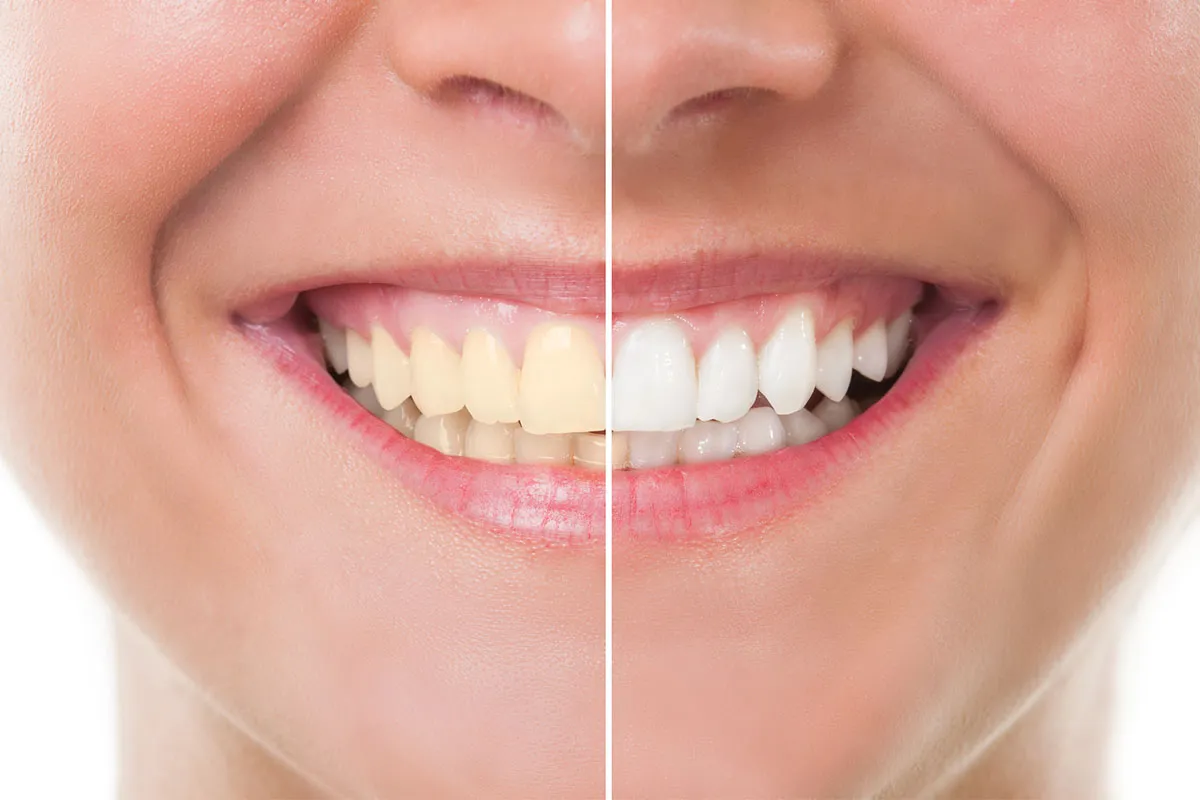
Understanding Whitening Teeth Cost
The desire for a brighter, whiter smile is nearly universal, and teeth whitening has become one of the most sought-after cosmetic dental procedures. However, before diving into the world of whitening treatments, it’s essential to understand the financial aspect. Whitening teeth cost varies significantly based on the type of treatment, the professional you choose, and the geographical location. This guide provides a comprehensive overview of the costs associated with teeth whitening, empowering you to make informed decisions and achieve the smile you’ve always wanted. We’ll explore the various factors that influence the price, from in-office procedures to at-home kits, and offer insights to help you find the best option for your budget and needs.
Factors Influencing Whitening Teeth Costs
Several elements contribute to the overall cost of whitening teeth. Understanding these factors can help you anticipate expenses and compare different options effectively. The primary determinants include the method of whitening (professional vs. DIY), the location of the dental practice, and the dentist’s experience and expertise. The severity of tooth discoloration also plays a role; more significant staining may require more intensive and costly treatments. Additionally, the materials used, such as the concentration of the bleaching agent and the type of light used in in-office procedures, can impact the final price. Finally, any pre-treatment procedures, like dental cleanings or treatments for existing dental issues, add to the total cost, influencing your overall investment in a brighter smile. Consider these factors carefully when evaluating your options to find the most suitable and cost-effective solution.
Type of Whitening Treatment

The type of whitening treatment you choose is a significant factor in determining the final cost. There are primarily three categories: professional in-office whitening, take-home kits provided by your dentist, and over-the-counter (OTC) products like whitening toothpaste and strips, as well as homemade remedies. Each method offers different levels of effectiveness, convenience, and expense. Professional in-office procedures typically provide the most dramatic and immediate results but come with a higher price tag. Take-home kits offer a balance of cost and convenience, while OTC options are generally the most affordable but may deliver less noticeable results and can take longer. Understanding the pros and cons of each type of treatment is crucial to making an informed decision that aligns with your budget and desired outcome. Let’s delve into each category for a more detailed cost analysis.
Professional Whitening Costs
Professional teeth whitening, performed by a dentist, often yields the most dramatic results in the shortest amount of time. This category includes in-office whitening treatments, which can significantly brighten your smile in a single appointment. While this option is generally the most expensive, the convenience and effectiveness often make it a preferred choice for many. Costs can vary widely based on the dentist’s location, experience, and the specific techniques and materials used. Furthermore, professional whitening typically involves a thorough dental examination and cleaning beforehand to ensure the best possible results and rule out any underlying issues. Consider this option if you are looking for immediate results and are willing to invest in a premium service. The following sections will break down the costs associated with in-office treatments and take-home kits provided by your dentist.
In-Office Whitening
In-office whitening, also known as chair-side bleaching, is a quick and effective way to achieve a significantly brighter smile in about an hour. During the procedure, the dentist applies a high-concentration bleaching agent to your teeth and may use a special light or laser to enhance the whitening process. The immediate results are a major draw, making it a popular choice for those seeking a rapid transformation. The cost of in-office whitening is usually the highest, reflecting the use of professional expertise, advanced equipment, and the immediate impact. Prices may also vary depending on the number of sessions required and any additional procedures needed. However, the convenience and effectiveness of in-office treatments can make it a worthwhile investment for those seeking a fast and efficient way to whiten their teeth. Always consult with your dentist to determine if this method is suitable for your needs and budget.
Take-Home Whitening Kits

Take-home whitening kits offer a balance between cost and effectiveness, providing professional-grade results in the comfort of your home. Your dentist will create custom-fitted trays that perfectly match the contours of your teeth and provide you with a bleaching gel. This method allows for more gradual and controlled whitening over a few weeks, allowing you to manage your treatment schedule and monitor the progress at your own pace. The cost of take-home kits is typically less than in-office procedures but still offers superior results compared to over-the-counter options. The personalized nature of the trays ensures optimal contact between the bleaching gel and your teeth, minimizing gum irritation and maximizing effectiveness. This option is a great choice if you prefer a more gradual whitening process and want to avoid the higher cost of in-office treatments, but still receive professional guidance.
DIY Whitening Methods Cost
DIY teeth whitening methods offer the most budget-friendly options, making them accessible to a wider audience. These methods include over-the-counter (OTC) products like whitening toothpaste and strips, as well as homemade remedies using ingredients like baking soda or lemon juice. While these options are generally the least expensive, it’s essential to understand their limitations. OTC products typically contain lower concentrations of bleaching agents, resulting in less dramatic and often slower results. Homemade remedies can pose risks, as some ingredients may be abrasive or acidic, potentially damaging enamel and causing sensitivity. While the initial cost of these methods is low, it’s important to consider the potential for less effective results and the risks involved before choosing DIY whitening. Proper research and consultation with a dentist are crucial to ensuring that these options are safe and appropriate for your specific dental needs.
Whitening Toothpaste and Strips
Whitening toothpaste and strips are the most readily available and affordable options for teeth whitening. You can easily find them at any drugstore or supermarket. Whitening toothpastes typically contain mild abrasives or chemicals that remove surface stains, while whitening strips adhere to your teeth and release a small amount of bleaching agent. These products are designed for daily use and are an easy way to maintain a brighter smile. The costs are relatively low, with toothpaste being the most inexpensive and strips a bit more costly. However, the results are often subtle and may take several weeks or months to become noticeable. Additionally, whitening toothpastes and strips are only effective for removing surface stains and cannot change the natural color of your teeth. They are ideal for those looking for a minor improvement or as a maintenance method after professional treatments. It’s important to follow the manufacturer’s instructions and consult your dentist for any concerns.
Homemade Remedies

Homemade teeth whitening remedies often involve using readily available household ingredients like baking soda, lemon juice, or activated charcoal. While these methods might seem appealing due to their low cost and easy accessibility, it’s essential to approach them with caution. Baking soda acts as a mild abrasive, which can help remove surface stains, but excessive use can damage enamel. Lemon juice is highly acidic and can erode tooth enamel, leading to increased sensitivity and potential long-term damage. Activated charcoal is believed to absorb stains, but its effectiveness is not scientifically proven, and it can also be abrasive. The costs of these remedies are minimal, often just the price of the ingredients. However, the potential risks far outweigh the potential benefits. It’s always recommended to consult with a dentist before trying homemade whitening methods to ensure they are safe and appropriate for your dental health.
Additional Costs to Consider
Beyond the direct cost of whitening treatments, several additional expenses can impact your overall budget. These often include preliminary dental examinations and cleanings, which are essential to ensure that your teeth are healthy and free from any underlying issues that could affect the whitening process. If you have existing dental problems, such as cavities or gum disease, you’ll need to address these before proceeding with whitening, adding to your total cost. Furthermore, the cost of maintaining your whiter smile over time, such as touch-up treatments or specialized toothpaste, should be factored into your long-term budget. By considering these additional expenses, you can create a more realistic financial plan and avoid any unexpected surprises. Always discuss the full scope of costs with your dentist to get a clear understanding of the financial investment involved in achieving and maintaining a brighter smile.
Dental Exam and Cleaning
Before undergoing any teeth whitening procedure, a thorough dental exam and cleaning are crucial. The examination allows your dentist to assess the overall health of your teeth and gums, identifying any potential issues like cavities, gum disease, or existing dental work that might affect the whitening results. A dental cleaning removes plaque and tartar, which can interfere with the bleaching agent and create uneven results. These preliminary steps not only ensure the effectiveness of the whitening treatment but also contribute to your overall oral health. The cost of a dental exam and cleaning is a standard expense and is usually covered by dental insurance, helping to reduce your out-of-pocket expenses. Investing in this foundational care ensures that your whitening treatment is successful and helps to keep your teeth and gums healthy long after the procedure.
Cost of Maintaining Whitened Teeth

Maintaining your whitened teeth requires ongoing care and may involve additional costs. Over time, teeth can gradually stain due to various factors like diet, smoking, and age. To preserve your bright smile, you might need to consider periodic touch-up treatments, either at home or in the dentist’s office. These touch-ups usually cost less than the initial whitening procedure. You may also want to use whitening toothpaste or other maintenance products recommended by your dentist. Additionally, avoiding stain-causing foods and beverages, such as coffee, tea, and red wine, can help extend the life of your whitening results. By planning for these maintenance costs, you can keep your teeth looking their best for longer and avoid any unexpected expenses. Regular check-ups and cleanings are also essential to maintain optimal oral health and the appearance of your whitened teeth.
Comparing Whitening Options
Choosing the right teeth whitening option involves comparing the different methods available and evaluating their pros and cons based on your individual needs and preferences. Professional in-office whitening offers the most immediate and dramatic results, but it comes with the highest cost. Take-home kits provide a balance of cost and convenience, allowing you to whiten your teeth gradually under professional supervision. Over-the-counter products like whitening toothpaste and strips are the most affordable, but they often deliver more subtle results and may require more time. DIY methods offer minimal costs, but they can pose risks and are generally less effective. Weighing these factors helps you make an informed decision that balances your budget, desired results, and convenience. Consider the longevity of the results, the potential risks, and the level of professional support offered with each option. The best choice will depend on your individual circumstances and goals for a brighter smile.
Cost vs. Effectiveness
The relationship between cost and effectiveness is a critical consideration when choosing a teeth whitening treatment. Generally, more expensive treatments tend to yield more significant and longer-lasting results. In-office whitening, the most expensive option, often provides the most dramatic improvement in a single session. Take-home kits, although less expensive, can deliver excellent results under professional supervision, although the process takes longer. Over-the-counter products are the most affordable but may provide only subtle changes, and the effectiveness varies widely among brands. When evaluating your options, consider how quickly you want to see results, how much improvement you desire, and how long you want the effects to last. A balance between cost and effectiveness is crucial to ensuring that you’re satisfied with your investment and achieving the desired outcome for your smile. Consider talking with your dentist to weigh the options.
Long-Term Cost Considerations

When evaluating the cost of teeth whitening, it’s essential to consider the long-term financial implications. While the initial cost of a whitening treatment might be a primary concern, it’s also necessary to factor in the expenses associated with maintaining your bright smile over time. This includes the cost of touch-up treatments, whitening toothpaste, and any other maintenance products. It’s also important to consider that the longevity of your results will depend on various factors, such as your diet, lifestyle, and oral hygiene habits. For instance, smokers and those who consume a lot of staining foods and drinks might require more frequent touch-ups. By considering these long-term costs, you can create a more accurate budget and choose the whitening method that best fits your financial goals. Consulting with your dentist will provide insights on maintaining your smile and estimate the likely maintenance costs.
Making the Best Choice for Your Budget
Choosing the best teeth whitening option requires a careful evaluation of your budget, desired results, and lifestyle. If you are seeking immediate results and can afford the higher cost, professional in-office whitening might be the best choice. For those who prefer a more gradual approach with professional guidance and a budget-friendly price, take-home whitening kits are an excellent option. If your budget is a primary concern and you only need minor improvements, over-the-counter products can be a good starting point, but you should be aware of the limitations. Before making a decision, it’s essential to consult with your dentist to discuss your oral health, your goals, and the different options available. Your dentist can provide personalized recommendations based on your specific needs and budget, guiding you toward the most effective and safe teeth whitening solution. The goal is to achieve a brighter, healthier smile that you can maintain for years to come, and that is what you can do by making a good choice for your needs.