
Whitening Strips Rinse or Not The Basics
The world of teeth whitening can be confusing, especially when it comes to the seemingly simple question of whether or not to rinse after using whitening strips. The answer, as with many things in dental care, isn’t always straightforward. Understanding the basics of whitening strips, including how they work and what they contain, is crucial to making an informed decision. This guide will explore the key facts, potential benefits, and best practices to help you navigate the aftercare of whitening strips and achieve the bright smile you desire. Proper aftercare is essential to maximizing the effectiveness of your whitening treatment and minimizing any potential side effects.
What are Whitening Strips
Whitening strips are thin, flexible plastic strips coated with a whitening agent, typically hydrogen peroxide or carbamide peroxide. They are designed to be applied directly to the teeth, adhering to the surface to deliver the active whitening ingredient. These strips are a popular at-home teeth whitening option because they are relatively easy to use, affordable, and readily available. They come in different sizes and formulations to cater to various teeth shapes and sensitivity levels. They are a convenient way to enhance your smile from the comfort of your own home, offering a noticeable difference in a matter of days or weeks, depending on the product and your individual needs.
How Whitening Strips Work

Whitening strips work by using a chemical reaction to break down the stains on the surface of your teeth. The active ingredient, usually a peroxide-based compound, penetrates the enamel to oxidize the stain molecules, making them less visible. This process is effective at removing stains caused by coffee, tea, wine, and other common culprits. The strips are designed to stay in contact with your teeth for a specific duration, allowing the whitening agent to effectively lift stains. Consistent use, as directed by the product instructions, leads to a brighter and whiter smile over time.
The Active Ingredients in Whitening Strips
The main active ingredients in most whitening strips are hydrogen peroxide and carbamide peroxide. Hydrogen peroxide is a strong oxidizing agent, and it’s the most common ingredient. Carbamide peroxide breaks down into hydrogen peroxide and urea; it acts as a gentler, slower-releasing alternative. The concentration of these ingredients varies depending on the product, with higher concentrations often leading to quicker results but potentially increasing the risk of sensitivity. Always check the product label for ingredient information and follow the manufacturer’s recommendations to ensure safe and effective usage and minimize potential side effects. Some strips also contain other ingredients, such as stabilizers and flavoring agents, to improve the product’s shelf life and taste.
Do You Need to Rinse After Whitening Strips Fact 1
The immediate question is whether to rinse after using whitening strips. The answer often depends on the specific product and the manufacturer’s instructions. Some brands recommend rinsing to remove any remaining gel and to prevent potential irritation or sensitivity. Others suggest not rinsing to allow the whitening agent to continue working for a longer period. Understanding the rationale behind both approaches is key to making the best decision for your oral health. Always refer to the product instructions and, if uncertain, consult with a dentist or dental hygienist for personalized advice.
Potential Benefits of Rinsing After Strips

Rinsing after using whitening strips can provide several potential benefits. It helps remove any excess gel, which can cause irritation or discomfort to the gums and soft tissues of your mouth. Rinsing can also help to neutralize the pH levels in your mouth, creating a more balanced environment after exposure to the whitening agents. Moreover, rinsing can improve the taste in your mouth if the taste of the whitening gel is unpleasant. Using plain water or a specially formulated rinse can contribute to a more comfortable and hygienic experience. Rinsing also helps to remove residual gel and prevents it from being swallowed.
Fact 2 Avoiding Tooth Sensitivity
One of the key reasons to rinse after using whitening strips is to minimize tooth sensitivity. Whitening agents, especially those with higher concentrations, can sometimes cause temporary sensitivity in the teeth. Rinsing with plain water or a fluoride rinse can help to reduce this sensitivity by diluting the remaining whitening agent and rehydrating the enamel. Avoiding hot or cold foods and drinks immediately after using the strips can also help to minimize discomfort. If you experience significant sensitivity, consider consulting with your dentist for advice on managing the symptoms and adjusting your whitening routine.
Fact 3 Removing Excess Gel
Rinsing helps remove excess whitening gel that remains on the teeth and gums after removing the strips. This residual gel can cause irritation to the gums, leading to redness, swelling, or even mild discomfort. Rinsing with water can help to clear away the excess gel, allowing your mouth to recover and preventing any unnecessary exposure to the whitening agents. It’s especially important to rinse thoroughly to ensure no gel gets into your throat or is swallowed. Gently rinsing can help maintain oral hygiene and a better overall experience with the whitening strips.
Fact 4 The Impact on Whitening Results

The impact of rinsing on the whitening results depends on the specific product and the manufacturer’s recommendations. Some products are designed to provide optimal results with minimal rinsing, while others may require thorough rinsing for the best outcome. Rinsing immediately after removing the strips may reduce the time the whitening agent has to work on your teeth. However, not rinsing can sometimes increase the risk of sensitivity or irritation. The key is to follow the instructions provided with your whitening strips and consult with your dentist for guidance. Maintaining a consistent routine is essential to achieve the best possible whitening results.
How Rinsing Can Affect Results
Rinsing too soon after applying whitening strips might seem like it could dilute the active ingredients, potentially lessening the effectiveness of the treatment. However, most modern whitening strips are formulated to deliver the whitening agent efficiently. The short exposure time might still be sufficient to produce the desired outcome. Always follow the product instructions. If the instructions advise rinsing, it’s usually after a specific period. If the instructions say you do not need to rinse, it’s important to consider the product’s formulation and how it is designed to work. For personalized advice, contact your dentist for their professional opinion.
Fact 5 Best Practices for Aftercare
Proper aftercare is a crucial part of the whitening strip process. It not only enhances the effectiveness of the treatment but also helps in maintaining oral health and minimizing any discomfort. In the short term, after using whitening strips, avoid consuming foods and beverages that can stain your teeth, such as coffee, tea, red wine, and berries. Use a soft-bristled toothbrush and brush gently to avoid irritating your gums. In the long term, continue practicing good oral hygiene by brushing twice a day, flossing daily, and visiting your dentist for regular check-ups and cleanings. This comprehensive approach will help you achieve and maintain a brighter, healthier smile.
Alternatives and Considerations
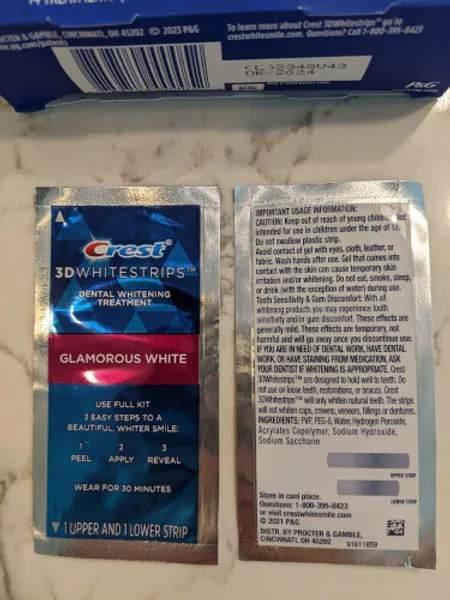
If you’re unsure about whether or not to rinse, or if you experience sensitivity, consider these alternatives and additional considerations. Use a fluoride rinse to help strengthen your enamel and reduce sensitivity. Switch to a different brand or type of whitening strips, or consult with your dentist about professional whitening options. Always make sure to follow the product instructions, and if irritation persists, stop using the product. Also, if you have sensitive teeth, you might need to consider products designed for sensitive teeth or consult with your dentist for the best solution. The best approach is one that aligns with your individual needs and sensitivities.
The Role of Saliva
Saliva plays a critical role in oral health, acting as a natural defense mechanism against bacteria and assisting in the remineralization of tooth enamel. When using whitening strips, saliva can affect the treatment in a couple of ways. It can dilute the whitening agent, potentially reducing its effectiveness. Saliva also helps to buffer the effects of the peroxide, which could reduce sensitivity. Although the role of saliva is important, most whitening strip formulations are designed to provide effective results even with saliva present. However, it’s important to note that excessive saliva during the treatment might reduce the contact time. In these cases, follow the manufacturer’s directions, or seek your dentist’s recommendations.