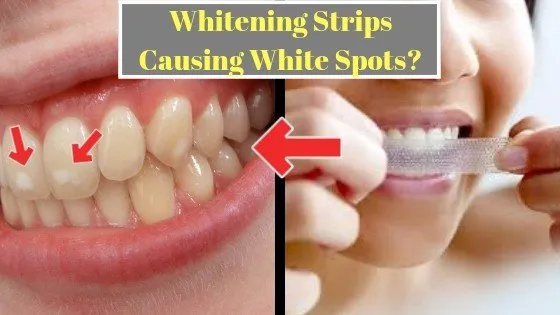
Teeth whitening strips are a popular way to achieve a brighter smile, but they can sometimes cause discomfort. Understanding the causes of pain from whitening strips and knowing how to minimize it is crucial for a positive experience. This guide will help you navigate the world of teeth whitening, ensuring you can achieve a dazzling smile without unnecessary suffering. Whether you’re a first-time user or a seasoned teeth whitener, the information provided will help you achieve your desired results while keeping your teeth and gums healthy.
Understanding Whitening Strips Pain
Before you start using whitening strips, it’s important to understand why they might cause pain. The pain associated with whitening strips can range from mild sensitivity to more significant discomfort. Knowing the potential causes will help you take preventive measures and address any issues that arise. Several factors contribute to the pain, and recognizing these can help you make informed decisions about your whitening journey. Careful consideration of these elements will allow you to plan your treatment appropriately.
What Causes Whitening Strips Pain
Sensitivity from Peroxide

The primary active ingredient in most whitening strips is hydrogen peroxide or carbamide peroxide. These chemicals work by penetrating the enamel and breaking down stain molecules. However, this process can also irritate the nerves within the teeth, leading to sensitivity. This sensitivity often manifests as a sharp, shooting pain or a dull ache, especially when consuming hot or cold foods and drinks. The intensity of the sensitivity can vary depending on the concentration of peroxide in the strips and the individual’s tooth sensitivity.
Gum Irritation
Whitening strips are designed to adhere to the teeth, but if they come into contact with the gums, they can cause irritation. The peroxide can burn or inflame the soft tissues, leading to redness, swelling, and soreness. This irritation is more likely to occur if the strips are too large, improperly applied, or if the user has pre-existing gum issues. Proper application and careful adherence to the instructions are essential to avoid gum irritation. It is always recommended to ensure the strips are correctly positioned away from the gum line.
Other Potential Causes
Other factors that can contribute to pain include underlying dental issues, such as cavities, cracks, or exposed roots. If you have any pre-existing dental problems, the whitening process can exacerbate the sensitivity. Additionally, using whitening strips too frequently or for longer than recommended can increase the risk of pain. Improper oral hygiene habits, such as aggressive brushing, can also increase sensitivity. Always consult with a dentist if you experience persistent or severe pain.
How to Minimize Whitening Strips Pain

Fortunately, there are several strategies you can use to minimize the pain and discomfort associated with whitening strips. By taking proactive measures, you can still achieve a brighter smile without enduring unnecessary suffering. These methods focus on preparation, proper application, and aftercare. Implementing these strategies can significantly improve your experience and help you achieve your desired results.
Choosing the Right Whitening Strips
Selecting the Right Strength
The concentration of peroxide in whitening strips varies. If you have sensitive teeth, it’s best to start with a lower concentration. Over-the-counter strips typically contain 6-10% hydrogen peroxide, while professional treatments may use higher concentrations. If you experience pain with a certain product, consider switching to a lower strength. Gradually increasing the concentration as your teeth adjust can be a good strategy. Always read the product instructions carefully and follow the recommended usage.
Considering Sensitivity Formulas

Many brands offer whitening strips specifically designed for sensitive teeth. These strips often contain lower concentrations of peroxide and may include ingredients like potassium nitrate, which helps to reduce sensitivity by blocking pain signals to the nerve. These formulations are a great starting point for those prone to tooth sensitivity. Look for products that are labeled as ‘sensitivity-friendly’ or ‘gentle whitening.’ These options are often a more comfortable choice for those with sensitive teeth.
Preparing Your Teeth Before Use
Consulting Your Dentist
Before you start using whitening strips, it’s wise to consult with your dentist. They can assess your oral health, identify any potential issues (such as cavities or gum disease), and provide personalized recommendations. Your dentist can advise you on whether whitening strips are appropriate for you and which products might be best suited to your needs. A professional consultation ensures that your whitening journey is safe and effective. Your dentist can also offer professional teeth whitening options if needed.
Proper Brushing and Flossing

Maintain good oral hygiene by brushing your teeth gently with a soft-bristled toothbrush and flossing regularly. This helps remove plaque and debris that can exacerbate sensitivity. Avoid brushing immediately before applying the strips, as this can make your teeth more vulnerable. Wait at least 30 minutes after brushing to apply the strips. Proper oral hygiene helps to ensure that the whitening process is effective and comfortable.
Applying Whitening Strips Correctly
Following Application Time
Adhere strictly to the manufacturer’s instructions regarding the application time. Leaving the strips on for longer than recommended will not necessarily whiten your teeth faster and may increase sensitivity. Start with shorter application times, especially if you are new to whitening strips. You can gradually increase the time as your teeth adjust, but always stay within the recommended guidelines. Consistency is key, so adhere to the time frames for the best results.
Avoiding Contact with Gums

Make sure the strips are properly applied and do not overlap onto your gums. Trim the strips if necessary to fit your teeth perfectly. Avoid contact with the gum line to prevent irritation. Use a mirror and good lighting to ensure accurate application. The proper placement of the strips is crucial to minimize the risk of gum irritation and discomfort. If the strips are too large, trim them before applying them to your teeth.
Aftercare for Whitening Strips
Using Sensitivity Toothpaste
Use toothpaste designed for sensitive teeth, which contains ingredients like potassium nitrate or stannous fluoride. These ingredients help to soothe the nerves in your teeth and reduce sensitivity. Brush gently, and avoid using whitening toothpaste while you are whitening your teeth, as this can increase sensitivity. Incorporating sensitivity toothpaste into your routine before, during, and after whitening can significantly improve your comfort.
Rinsing Your Mouth

After removing the whitening strips, rinse your mouth with water to remove any residual peroxide. Avoid using mouthwash immediately after, as some mouthwashes contain alcohol, which can increase sensitivity. Allow your mouth to settle for a while. Rinsing with water helps to prevent any chemical irritation. Gently rinsing your mouth is a simple yet effective way to alleviate potential discomfort.
Foods and Drinks to Avoid
During and shortly after using whitening strips, avoid foods and drinks that can stain your teeth, such as coffee, tea, red wine, and dark-colored berries. These can make your teeth more sensitive and vulnerable to staining. Stick to a diet of lighter-colored foods and beverages. Avoiding staining agents will help preserve the results of your whitening treatment and minimize discomfort. Consider using a straw for beverages to minimize contact with your teeth.
Alternative Whitening Methods
If you experience excessive pain or sensitivity with whitening strips, there are alternative methods you can explore. These alternatives offer different approaches to teeth whitening, allowing you to find a solution that fits your needs and comfort level. From professional options to over-the-counter products, there are ways to achieve a brighter smile without the discomfort.
Professional Whitening Options

Consult your dentist about professional teeth whitening options. In-office treatments are often more effective and can be tailored to your specific needs and sensitivity levels. Your dentist can use stronger whitening agents under controlled conditions and apply protective measures to minimize discomfort. They can also monitor your progress and address any issues that arise. Professional whitening can provide dramatic results quickly and safely.
Over-the-Counter Alternatives
Consider using alternative over-the-counter products, such as whitening toothpastes, mouthwashes, or trays. These options typically contain lower concentrations of peroxide and may be less likely to cause sensitivity. While they may take longer to produce results, they are often gentler on sensitive teeth. Whitening toothpastes can help maintain brightness after the initial whitening. Experiment with various products to find the best fit for you, and always follow the instructions carefully.
When to Seek Professional Help
If you experience severe or persistent pain, consult your dentist immediately. They can assess the cause of your discomfort and provide appropriate treatment. If you have any pre-existing dental issues, or if the pain interferes with your daily life, seek professional advice. Your dentist can also recommend solutions to manage sensitivity and prevent further complications. Do not ignore persistent pain, as it could indicate a more serious problem.
Whitening strips can be a great way to achieve a brighter smile, but it’s essential to be aware of the potential for pain and sensitivity. By understanding the causes, taking preventive measures, and exploring alternative methods, you can successfully whiten your teeth while minimizing discomfort. Always prioritize your oral health and seek professional advice when needed. With the right approach, you can enjoy a dazzling smile without the pain.