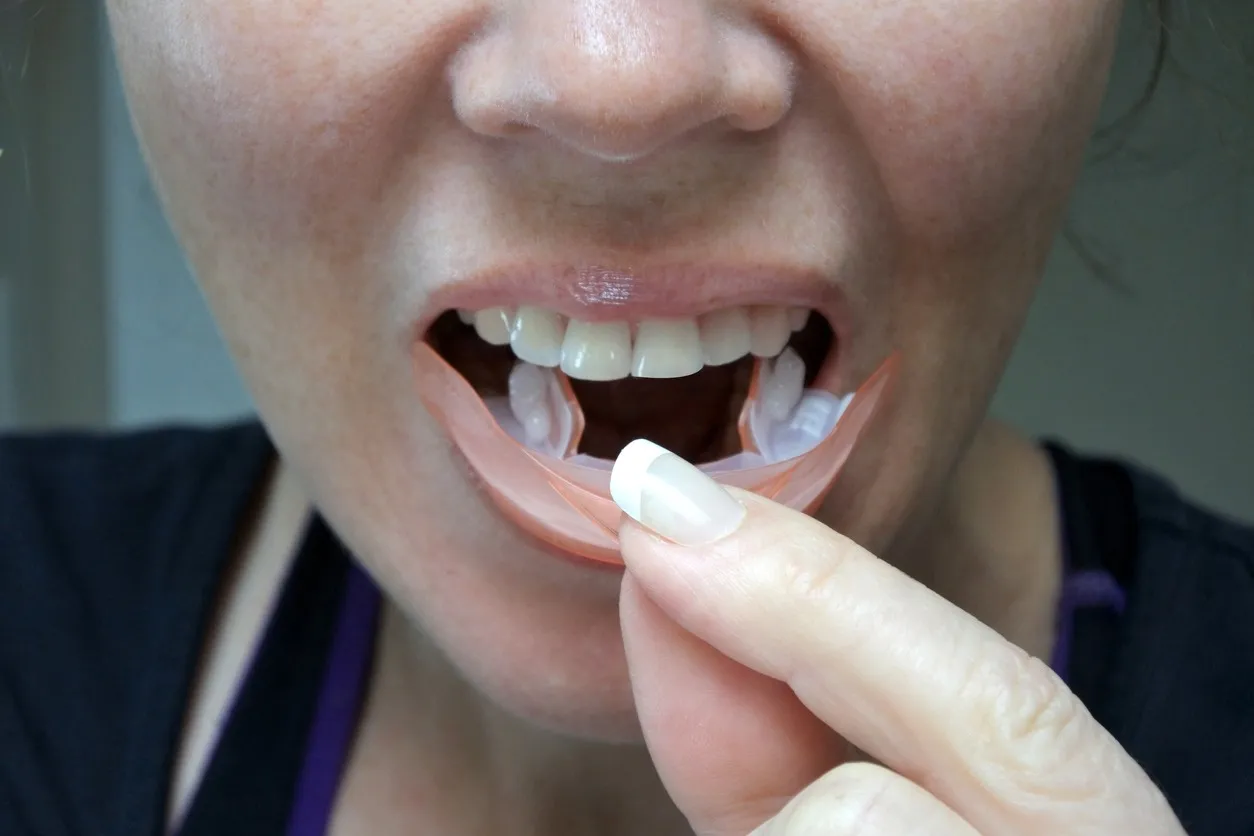
What Are Whitening Strips?
Whitening strips have become a popular and convenient method for enhancing the brightness of your smile. These thin, flexible strips are coated with a whitening agent, typically containing hydrogen peroxide or carbamide peroxide, designed to be applied directly to the teeth. Their ease of use, portability, and relatively low cost compared to professional teeth whitening procedures make them an attractive option for many individuals seeking a brighter smile. These strips are readily available over-the-counter, eliminating the need for a dental appointment, and allowing users to incorporate them seamlessly into their daily routines. Understanding what they are and how they work is the first step to effective use.
How Do Whitening Strips Work?
The active ingredients in whitening strips penetrate the enamel of the teeth, breaking down the stains and discoloration that have accumulated over time. The process is primarily a chemical one, with the peroxide agents oxidizing the stain molecules, thus dissolving them. The strips adhere to the teeth, ensuring close contact between the whitening agent and the tooth surface. The duration of contact, as well as the concentration of the active ingredient, are crucial factors in determining the effectiveness of the whitening process. The whitening agent works to lift away the stains, revealing a brighter, whiter smile. It’s important to note that results vary from person to person depending on the type and severity of the stains.
The Active Ingredients in Whitening Strips

The effectiveness of whitening strips is primarily determined by the active ingredients they contain. These ingredients are responsible for the bleaching action that lightens the tooth enamel, removing stains and discoloration. The two most common active ingredients found in whitening strips are hydrogen peroxide and carbamide peroxide. The concentration of these ingredients can vary, influencing both the speed of the whitening process and the potential for tooth sensitivity. Understanding these ingredients will help you make an informed decision.
Hydrogen Peroxide
Hydrogen peroxide is a potent bleaching agent commonly used in professional teeth whitening treatments and in many over-the-counter whitening strips. It directly oxidizes the stain molecules within the tooth enamel, breaking them down and removing them. The concentration of hydrogen peroxide in whitening strips can vary. Higher concentrations often lead to faster results, however, they may also increase the likelihood of tooth sensitivity. Hydrogen peroxide is a powerful bleaching agent and is generally effective in removing both surface and deeper stains.
Carbamide Peroxide
Carbamide peroxide is another common active ingredient in whitening strips. It is a compound that breaks down into hydrogen peroxide when it comes into contact with water. This means that carbamide peroxide acts as a slower-release form of hydrogen peroxide. It’s often used in lower concentrations compared to hydrogen peroxide products, which can lead to a gentler whitening experience and potentially less tooth sensitivity. Carbamide peroxide is effective at breaking down stains and can be a good option for individuals with sensitive teeth.
Factors Affecting Whitening Strip Results

Several factors can influence the effectiveness of whitening strips and how long it takes to see results. Understanding these factors is essential for setting realistic expectations and optimizing your whitening experience. The color and severity of the stains, the quality of the whitening strips, and the consistency of use all contribute to the final outcome. Additionally, personal factors such as tooth sensitivity and oral hygiene habits play an important role. By considering these elements, users can better manage their expectations and increase their chances of achieving a brighter, whiter smile.
Tooth Staining Factors
The underlying causes of tooth staining have a significant impact on how effectively whitening strips work. Extrinsic stains, those on the surface of the teeth, are often caused by the consumption of stain-inducing substances. These include coffee, tea, red wine, and tobacco products. These stains are generally easier to remove with whitening strips, as the bleaching agents can effectively target and dissolve the surface discoloration. Intrinsic stains, those within the tooth structure, may be caused by factors such as aging, genetics, trauma, or certain medications. Intrinsic stains can be more challenging to treat and may require more aggressive whitening treatments or professional dental procedures to achieve desired results.
Severity of Stains
The intensity of the stains on your teeth plays a crucial role in determining the time it takes to see results from whitening strips. Lighter stains often respond more quickly to treatment, with noticeable improvements appearing within a few days or a week. Darker, more stubborn stains may require a longer treatment period and could necessitate multiple courses of whitening. In some cases, severe discoloration may not be fully resolved with over-the-counter whitening strips and may require professional dental treatments. The severity of the stains dictates the duration and intensity of the whitening process, which in turn influences how long you need to use the strips before seeing visible changes.
Adhering to Instructions

The consistency of your use of whitening strips is crucial for achieving optimal results. Following the manufacturer’s instructions is paramount for successful outcomes. This includes adhering to the recommended application duration, frequency, and treatment period. Skipping applications or shortening the treatment time can reduce the effectiveness of the whitening strips and delay the appearance of visible results. Similarly, using the strips more frequently than recommended could increase the risk of tooth sensitivity or gum irritation. Read and adhere to the instructions for the best outcomes. This ensures that the active ingredients have sufficient contact time with the teeth to effectively break down stains and achieve the desired whitening effect.
Duration of Whitening Strip Treatments
The duration of whitening strip treatments varies depending on the specific product and the concentration of the active ingredients. Whitening strips are designed to be used consistently over a set period to achieve the best results. It’s important to carefully review the product instructions to understand the recommended treatment timeline. The treatment duration also depends on the desired level of whitening and the severity of the stains. Some strips offer faster results, while others are designed for gentler, longer-term use. Understanding how long to use the strips, from daily applications to treatment duration, plays a significant role in determining how long whitening strips take to work.
Daily Use Strips
Daily use whitening strips are designed for consistent, regular application. These strips typically contain a lower concentration of the active whitening agent, making them suitable for daily use. The treatment duration for daily use strips is often longer, typically lasting for several weeks. The advantage of this approach is a gentler whitening process and reduced risk of tooth sensitivity. These strips are a good choice for people seeking a gradual whitening effect and prefer a less intensive treatment. Regular application ensures consistent exposure of the teeth to the whitening agents, gradually reducing the appearance of stains and discoloration.
Twice-Daily Strips

Twice-daily whitening strips are designed to deliver faster results than the daily use strips. These strips typically contain a higher concentration of the active whitening agent. This approach is ideal for those seeking quicker whitening and those with less sensitive teeth. However, this more frequent use may increase the risk of tooth sensitivity or gum irritation. The treatment duration for twice-daily strips is generally shorter, often lasting for one to two weeks. By using the strips twice a day, you are providing a more intense whitening experience, resulting in faster progress.
Whitening Strip Treatment Duration
The typical treatment duration for whitening strips can range from a few days to several weeks, depending on the product used, the concentration of the active ingredient, and the specific instructions. Some products are designed for shorter, more intensive treatments, while others offer a gentler approach over a longer period. It is essential to carefully follow the manufacturer’s instructions to achieve the best results and to minimize the risk of side effects, such as tooth sensitivity or gum irritation. Always complete the full course of treatment, even if you start to see the results you want early, to ensure the stains are thoroughly addressed. This consistent approach contributes to the long-term effectiveness of the whitening process.
How Long to See Visible Results?
The time it takes to see visible results from whitening strips can vary, but noticeable improvements often appear within a few days to a couple of weeks of consistent use. However, the exact timeframe depends on factors such as the type of stains, the concentration of the whitening agent, and your adherence to the treatment plan. Some people may notice a significant difference in the brightness of their smile after just a week, while others may require the full course of treatment to achieve their desired level of whitening. It’s essential to be patient and consistent with your use of the strips and to remember that individual results can vary significantly. A good indication of progress is when the teeth begin to look whiter, the stains start to fade, and the overall appearance of the teeth becomes brighter and more uniform in color.
Maintaining Your Results After Whitening

After completing a course of whitening strips, taking steps to maintain the results is vital. This includes practicing good oral hygiene, avoiding or minimizing the consumption of stain-causing foods and drinks, and considering the use of touch-up treatments. Proper maintenance ensures the longevity of the whitening effect and keeps your smile bright and healthy. Regular checkups and cleanings with your dentist also play a critical role in preserving the results. By adopting these practices, you can keep your teeth looking their best for an extended period and protect your investment in teeth whitening.
Oral Hygiene Practices
Maintaining good oral hygiene is fundamental to preserving the results of teeth whitening. This means brushing your teeth at least twice a day with fluoride toothpaste, flossing daily to remove plaque and debris, and using an antimicrobial mouthwash to control bacteria. Regularly brushing and flossing help to remove surface stains and prevent the buildup of plaque, which can contribute to discoloration. Clean teeth are less likely to accumulate new stains and maintain their brightness for longer. Additionally, regular dental checkups and professional cleanings are essential for removing stubborn stains and ensuring overall oral health.
Avoiding Stain-Causing Foods and Drinks
Limiting the consumption of stain-causing foods and drinks is an essential step in maintaining the results of teeth whitening. Certain substances, such as coffee, tea, red wine, dark-colored sodas, and tobacco products, contain pigments that can readily stain tooth enamel. Minimize your intake of these items or use a straw when consuming beverages to reduce direct contact with your teeth. Rinse your mouth with water after consuming stain-causing substances to help remove the pigments before they can adhere to your teeth. By being mindful of your diet and habits, you can significantly prolong the longevity of your whiter smile.
When to Consult a Dentist

While whitening strips are generally safe and effective, there are situations where it is essential to consult a dentist. If you experience persistent tooth sensitivity or gum irritation during or after using whitening strips, it’s a good idea to seek professional advice. If you have existing dental work, such as fillings, crowns, or veneers, whitening strips will not whiten these restorations. In such cases, a dentist can discuss alternative whitening options or help you choose a plan that matches your requirements. Regular dental checkups allow your dentist to assess your overall oral health and provide personalized recommendations for achieving and maintaining a brighter, healthier smile.