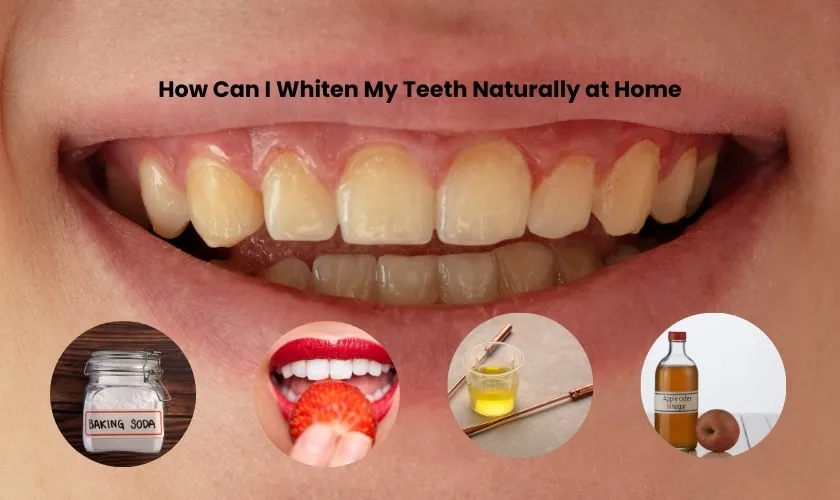
What Causes Tooth Discoloration
Understanding the factors behind tooth discoloration is the first step toward effective natural teeth whitening. Your teeth can lose their natural white shine due to a variety of reasons, ranging from the foods and drinks you consume to your oral hygiene habits and genetics. Tooth discoloration primarily arises from two main categories extrinsic and intrinsic stains, each of which is caused by different factors. Recognizing these causes helps you to determine the best course of action to restore your pearly whites and boost your confidence. It is also essential to consider the long-term effects of these factors to maintain your oral health.
Understanding the Types of Stains
Tooth stains are broadly categorized into two main types extrinsic and intrinsic. Extrinsic stains affect the enamel surface, while intrinsic stains originate from within the tooth structure. Extrinsic stains are usually easier to remove using natural methods, while intrinsic stains may require more intensive treatments. Understanding the difference between these types is important for choosing the most effective whitening strategy. Proper identification of the type of stains, combined with the right treatment, ensures a brighter, healthier smile.
Extrinsic Stains and Their Causes

Extrinsic stains occur on the surface of your teeth and are primarily caused by dietary habits and lifestyle choices. These stains are the most common and often the easiest to treat. Frequently consumed substances such as coffee, tea, red wine, and berries contain pigments that can adhere to the tooth enamel, leading to discoloration over time. Smoking and chewing tobacco also contribute significantly to extrinsic stains. Regular brushing and flossing can help prevent these stains, but they may not always eliminate them. Natural remedies are often effective in removing these surface stains, helping you regain a brighter smile.
Intrinsic Stains and Their Causes
Intrinsic stains originate from within the tooth structure, affecting the dentin and enamel. These stains are usually more challenging to address and may be caused by several factors. Overexposure to fluoride, certain medications like tetracycline taken during tooth development, and trauma to the teeth can lead to intrinsic stains. Age is another factor, as the enamel thins over time, and the underlying dentin becomes more visible. Professional treatments may be necessary to effectively address intrinsic stains, as natural methods might not penetrate deep enough to remove them. Maintaining optimal oral health is crucial in preventing the development of intrinsic stains.
Top 5 Secrets to Whiten Teeth Naturally
Achieving a brighter smile naturally involves several effective and easy-to-implement strategies. This guide highlights five proven methods that can help you whiten your teeth safely and effectively, using readily available ingredients and simple lifestyle changes. These secrets encompass natural practices like oil pulling, the use of baking soda and hydrogen peroxide, dietary adjustments, and the maintenance of proper oral hygiene. Incorporating these into your daily routine will not only enhance the appearance of your teeth but also promote overall oral health. Consistent application is key to achieving and maintaining a naturally white smile.
Oil Pulling for a Brighter Smile

Oil pulling is an ancient Ayurvedic practice that has gained popularity for its numerous health benefits, including teeth whitening. This method involves swishing oil in your mouth for an extended period to remove bacteria, toxins, and stains. While the practice may seem simple, its effectiveness lies in its ability to draw out impurities and promote oral health. Regular oil pulling can contribute to a noticeable improvement in the brightness of your teeth, as well as improving gum health and reducing bad breath. Incorporating oil pulling into your daily routine can be a simple yet powerful way to enhance your smile naturally.
The Ancient Practice of Oil Pulling
Oil pulling has been used for centuries in traditional Ayurvedic medicine. The practice is believed to detoxify the mouth and body by removing bacteria, fungi, and other microorganisms. It is known to remove impurities from the mouth by acting as a solvent and pulling out toxins. The origins of oil pulling lie in the use of natural ingredients, such as sesame oil, which are known for their cleansing and healing properties. This ancient practice has been adopted by modern practitioners who find it as an effective method to maintaining oral health and improving teeth appearance. The benefits extend beyond teeth whitening, contributing to a healthier overall oral environment.
How Oil Pulling Works
The effectiveness of oil pulling lies in its ability to cleanse the mouth through a process of adsorption. When you swish oil around your mouth, it adheres to the plaque and bacteria present on your teeth and gums. The oil then encapsulates these impurities, preventing them from reattaching to the teeth. The longer you swish the oil, the more effectively it pulls out these harmful substances. Moreover, certain oils, like coconut oil, have antibacterial and anti-inflammatory properties that contribute to the overall health of the mouth. This process helps to reduce plaque, promote gum health, and whiten teeth naturally.
Benefits of Oil Pulling for Teeth Whitening

Oil pulling offers several direct and indirect benefits for teeth whitening. It removes surface stains caused by food and drinks, leading to a brighter smile. By reducing the bacteria that cause plaque and tartar buildup, it helps prevent the yellowing of teeth. The antibacterial properties of certain oils also help reduce inflammation and promote healthy gums, which indirectly contributes to whiter teeth. Regular oil pulling can also freshen breath, as it eliminates the bacteria responsible for causing bad breath. The combined effects contribute to overall oral health, giving you a more radiant and confident smile.
Using Baking Soda and Hydrogen Peroxide
Baking soda and hydrogen peroxide are popular and effective natural teeth whitening agents. They are readily available, inexpensive, and relatively easy to use at home. The combination of these two ingredients creates a mild abrasive action that helps remove surface stains. Hydrogen peroxide also has bleaching properties that can further lighten the teeth. However, proper usage and safety precautions are essential to avoid any potential harm. Regular use of these two ingredients can result in a noticeable improvement in the brightness of your teeth.
The Science Behind Baking Soda and Hydrogen Peroxide
Baking soda (sodium bicarbonate) acts as a mild abrasive, helping to scrub away stains from the surface of your teeth. Its slightly alkaline nature also neutralizes acids in the mouth, creating an environment less favorable for bacterial growth. Hydrogen peroxide, on the other hand, is a mild oxidizing agent that can penetrate the enamel and break down stain-causing compounds. When combined, these ingredients work synergistically to provide both a mechanical and a chemical cleaning effect. This combination gently removes stains and brightens the teeth. The effectiveness of the hydrogen peroxide lies in its bleaching properties.
How to Use Baking Soda and Hydrogen Peroxide Safely

To safely whiten your teeth with baking soda and hydrogen peroxide, mix a small amount of baking soda with enough hydrogen peroxide to form a paste. Use this paste to brush your teeth for about two minutes, once or twice a week. Avoid excessive brushing, as this can wear down the enamel. Rinse your mouth thoroughly with water after brushing. Use a low concentration of hydrogen peroxide (3%) to minimize the risk of irritation. If you experience any sensitivity, reduce the frequency of use or consult with your dentist. Proper usage ensures the effectiveness of the method.
Potential Risks and Side Effects
While baking soda and hydrogen peroxide are generally safe, some potential risks and side effects should be considered. Overuse can lead to enamel erosion, increasing sensitivity to hot and cold foods and drinks. It can also cause gum irritation or inflammation. Some people may experience temporary gum irritation or increased tooth sensitivity. To minimize risks, use the mixture sparingly and avoid brushing too aggressively. If you notice any adverse effects, discontinue use and consult your dentist. Regular dental check-ups are also important to monitor the health of your teeth and gums.
Embracing a Diet for White Teeth
Your diet plays a significant role in both the prevention and the reversal of tooth discoloration. Certain foods and drinks can stain your teeth, while others can help maintain and enhance their whiteness. By making informed choices about what you consume, you can significantly contribute to a brighter, healthier smile. Incorporating teeth-whitening foods into your diet, while avoiding stain-causing substances, is a natural and effective way to promote a brighter smile. A balanced diet can also strengthen your teeth and improve overall oral health.
Foods That Whiten Teeth Naturally

Certain foods possess natural teeth-whitening properties. Crunchy fruits and vegetables like apples, carrots, and celery act as natural abrasives, helping to scrub away surface stains. Dairy products such as milk, cheese, and yogurt are rich in calcium and phosphates, which strengthen enamel and protect against stains. Strawberries contain malic acid, a natural stain remover. Water helps rinse away food particles and acids that can cause discoloration. Incorporating these foods into your diet regularly can help maintain and even improve the brightness of your teeth. These foods provide both nutritional benefits and help keep your teeth clean and white.
Foods to Avoid for a Brighter Smile
Avoiding stain-causing foods and drinks is essential for maintaining a white smile. Beverages such as coffee, tea, and red wine contain pigments that easily stain teeth. Dark-colored fruits like blueberries, blackberries, and pomegranates can also contribute to discoloration. Acidic foods and drinks, such as citrus fruits and carbonated beverages, can erode enamel, making teeth more susceptible to staining. Highly processed foods that contain artificial colors should be avoided. Limiting the consumption of these items is crucial for preventing stains and preserving the natural whiteness of your teeth.
The Importance of Proper Oral Hygiene
Maintaining good oral hygiene is fundamental to achieving and preserving a white smile. Proper brushing, flossing, and regular dental check-ups are essential in preventing stains and promoting overall oral health. Implementing a consistent oral hygiene routine helps remove plaque, food particles, and surface stains. Oral hygiene is not only about aesthetics; it’s about the health of your teeth and gums. By prioritizing oral hygiene, you can prevent decay, gum disease, and discoloration, which will result in a healthy smile.
Brushing and Flossing Techniques

Proper brushing and flossing techniques are crucial for effective oral hygiene. Brush your teeth at least twice a day for two minutes each time, using a soft-bristled toothbrush and fluoride toothpaste. Angle the brush towards the gum line and use gentle, circular motions to remove plaque and debris. Floss daily to remove food particles and plaque from between your teeth, where your toothbrush cannot reach. This helps prevent decay and gum disease. Make sure that you replace your toothbrush every three months or sooner if the bristles become frayed. Consistent and correct brushing and flossing techniques are the cornerstones of a bright, healthy smile.
The Role of a Professional Teeth Cleaning
Regular professional teeth cleanings play a vital role in maintaining a white smile. A dental hygienist can remove plaque, tartar, and surface stains that cannot be removed through brushing and flossing. These professional cleanings can also include polishing, which helps to further remove stains and make teeth smoother. During a cleaning, a dentist can also detect and address any potential dental issues early on. Scheduling regular dental check-ups and cleanings is an essential part of your oral health routine. Professional cleanings help to maintain the health and aesthetics of your teeth.
Natural Whitening Products for a Healthy Smile
In addition to the home remedies and dietary adjustments, many natural whitening products are available to enhance your smile. These products are formulated with natural ingredients that are safe and effective for teeth whitening. Choosing the right natural whitening products, such as toothpaste, mouthwash, and strips, can complement your oral hygiene routine and contribute to a brighter, healthier smile. Always ensure to use these products correctly and follow the instructions for optimal results. It is recommended to consult with a dentist before incorporating these products into your routine.
In conclusion, achieving a naturally white smile is within reach with a combination of effective strategies. The top 5 secrets include understanding the causes of tooth discoloration, exploring the ancient practice of oil pulling, using baking soda and hydrogen peroxide safely, embracing a teeth-friendly diet, and maintaining proper oral hygiene. By adopting these methods consistently, you can significantly improve the brightness of your teeth and overall oral health. Remember that consistency and patience are key, and consulting with your dentist can provide personalized advice for your specific needs. Embrace these secrets for a brighter, healthier smile.