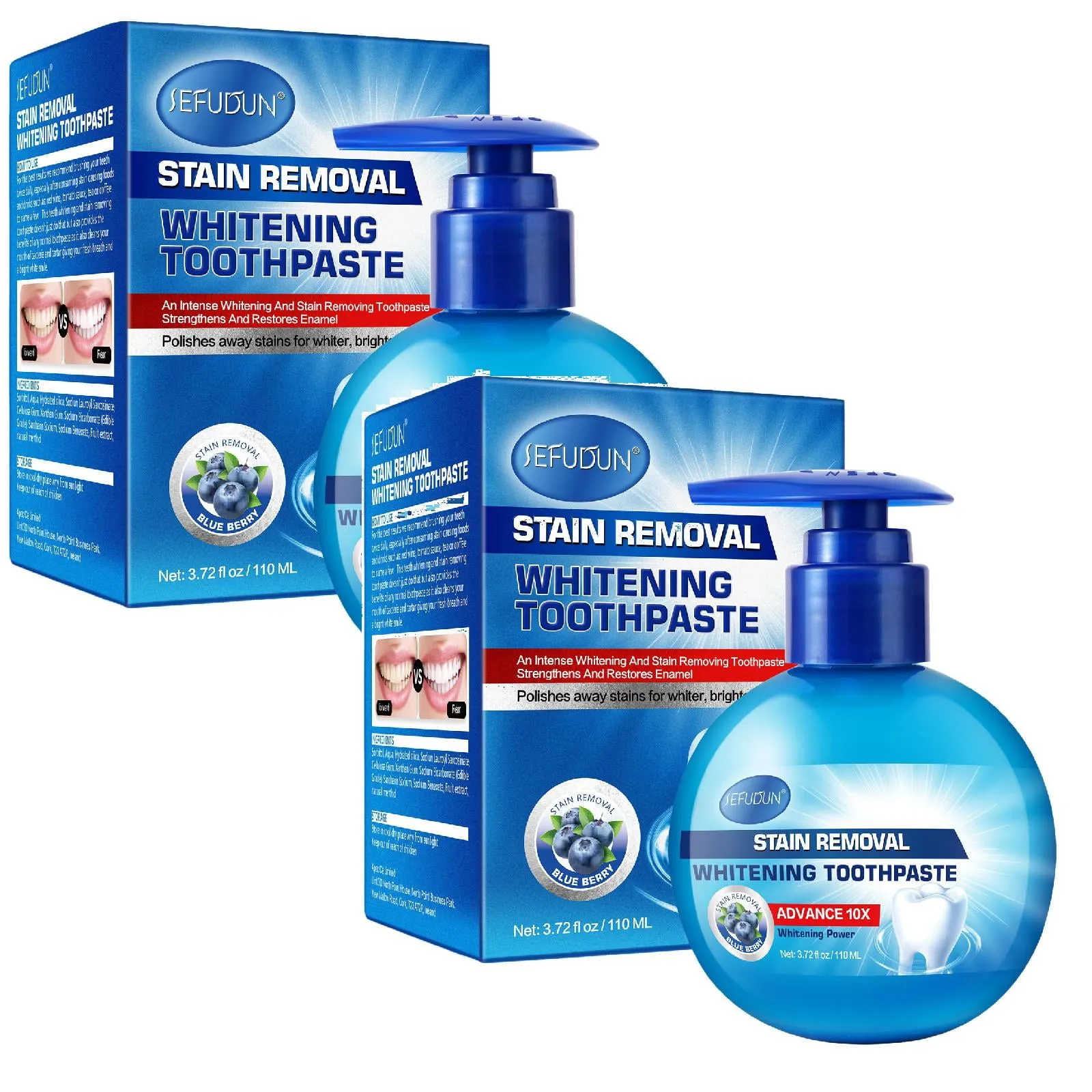
Achieving a brighter smile is a common goal, and many people turn to DIY methods for teeth whitening. One popular approach involves using baking soda and toothpaste. This article delves into the science behind this method, providing a comprehensive guide on how to effectively and safely whiten your teeth using these readily available ingredients. It’s important to approach this with knowledge, understanding both the benefits and potential risks, ensuring you achieve the desired results while maintaining your oral health.
What Makes Baking Soda and Toothpaste Effective for Whitening
The effectiveness of baking soda and toothpaste for teeth whitening lies in their combined properties. Baking soda acts as a mild abrasive, helping to scrub away surface stains. Toothpaste contributes various elements, including additional abrasives, fluoride for enamel strength, and sometimes, mild bleaching agents. The synergy between these ingredients allows for a more comprehensive approach to teeth whitening, targeting both stain removal and enamel care. The key is understanding how each component works and how to use them correctly for the best results.
The Science Behind Tooth Whitening
Tooth whitening involves removing stains from the tooth’s surface and, in some cases, altering the tooth’s intrinsic color. Extrinsic stains, caused by things like coffee, tea, and smoking, attach to the enamel’s surface. Baking soda’s mild abrasiveness helps remove these stains. Intrinsic stains, which are deeper, might require professional treatments or whitening agents that penetrate the enamel. This DIY method primarily addresses extrinsic stains, offering a cost-effective approach to enhance your smile’s appearance. However, it is important to know the difference between the two.
Baking Soda’s Role

Baking soda, or sodium bicarbonate, is a natural abrasive. When used on teeth, it gently polishes the enamel, helping to remove surface stains. It also has mild antiseptic properties, which can help reduce bacteria in the mouth. However, it’s crucial to use baking soda in moderation, as excessive abrasion can potentially damage the enamel. The goal is to remove the stain without causing harm. The frequency and method of application are very important for this process.
Toothpaste’s Contribution
Toothpaste contains various ingredients that contribute to teeth whitening. Abrasives, similar to those in baking soda but often milder, help scrub away stains. Toothpaste also contains fluoride, which strengthens enamel and helps protect against cavities. Some whitening toothpastes include mild bleaching agents. The combination of these elements makes toothpaste an essential part of the teeth whitening process. Selecting the right toothpaste is essential for maximizing the benefits. You can pick toothpaste that complements your needs.
Essential Ingredients for Whitening
The key ingredients for effective whitening are baking soda and toothpaste. The toothpaste you select is essential; look for a brand that provides effective abrasives but is gentle enough to avoid enamel damage. If you have any concerns, opt for toothpaste formulated for sensitive teeth. Make sure the ingredients align with your overall health goals. It is also important to consider a toothpaste that contains fluoride. This helps to reinforce the tooth’s enamel.
How to Prepare Baking Soda and Toothpaste for Whitening

Step-by-Step Guide Mixing Baking Soda and Toothpaste
Start by putting a small amount of toothpaste on your toothbrush. Then, sprinkle a tiny amount of baking soda onto the toothpaste. A little goes a long way. Avoid using too much baking soda, as excessive amounts can be abrasive. The goal is to create a balanced mixture that effectively cleans and whitens your teeth. The mixture should be enough to cover your teeth. If it is too much or too little, you should adjust it accordingly.
Choosing the Right Toothpaste
When selecting toothpaste, consider the ingredients and your oral health needs. Choose a toothpaste with fluoride to strengthen your enamel. Opt for a toothpaste with gentle abrasives, especially if you have sensitive teeth. Some whitening toothpastes contain additional ingredients. Avoid toothpastes with harsh chemicals or excessive abrasive agents. You can consult with a dentist to choose the right toothpaste for your needs.
Proper Application Techniques

Proper Application Techniques
Brush your teeth gently, using a circular motion. Avoid scrubbing aggressively, as this can damage your enamel. Ensure you reach all surfaces of your teeth, including the front, back, and chewing surfaces. Focus on areas with visible stains. Ensure you do not damage your gums. Rinse your mouth thoroughly with water after brushing to remove all traces of the mixture. Careful and detailed attention will contribute to the best results. The goal is to remove stains without causing further damage.
Brushing Time and Frequency
Brush your teeth with the baking soda and toothpaste mixture for about two minutes. It is crucial to stick to the recommended brushing time to effectively remove stains. Do not brush for longer than the recommended time, as this increases the risk of enamel damage. Ideally, brush your teeth once or twice a week with this mixture. Overuse can lead to enamel erosion. Maintaining this frequency is crucial for oral health.
Optimal Whitening Results

While baking soda and toothpaste can help whiten teeth, the results vary depending on the individual and the severity of the stains. Consistency is key. You might notice subtle improvements in the initial weeks. For more significant changes, consider combining this method with other whitening techniques or professional treatments. Regular dental check-ups and proper oral hygiene are essential to maintain a bright smile. Proper care will guarantee the best result with this method.
Potential Risks and Side Effects
Sensitivity and Irritation
One potential side effect is increased tooth sensitivity. The abrasive nature of baking soda can sometimes wear down enamel, exposing the underlying dentin and causing sensitivity to hot or cold temperatures. If you experience sensitivity, reduce the frequency of using the mixture or consider using toothpaste designed for sensitive teeth. Monitor your teeth, and consult your dentist if the sensitivity persists. Take immediate action if you encounter this problem, as it may lead to more damage.
Enamel Erosion Concerns

Overuse of baking soda can lead to enamel erosion, making your teeth more susceptible to decay. Enamel is the protective outer layer of your teeth. As it wears away, your teeth may become more vulnerable to cavities and other dental problems. Proper use and frequency are essential. Avoiding excessive brushing and using a soft-bristled toothbrush can help minimize this risk. If you notice your teeth are becoming transparent or showing signs of erosion, discontinue using the mixture and consult your dentist immediately. This should be approached with caution.
How to Mitigate Risks
To mitigate the risks associated with baking soda and toothpaste whitening, use the mixture sparingly. Brush gently, and avoid scrubbing. Consider alternating with regular toothpaste. If you have any concerns, it is important to discuss them with your dentist. Regular dental check-ups can help monitor your oral health and detect any early signs of enamel damage. The ultimate goal is to maintain a healthy smile. This is achieved through prevention and awareness.
Alternative Whitening Methods
Many alternatives can help you whiten your teeth. Whitening strips are a convenient option. Whitening gels and trays are another popular choice, often available over the counter. The best option depends on your needs. Discuss these options with your dentist. They can provide professional advice and recommend suitable methods.
Professional Teeth Whitening

Professional teeth whitening involves treatments performed by a dentist. These treatments typically use stronger bleaching agents, which can provide more dramatic results. Professional treatments are very safe as they are monitored by dental professionals. They are also more effective for stubborn stains. This can be a good option if you want the most significant whitening effect. If you are on a budget, consider the alternatives, but always consult with your dentist.
Over-the-Counter Whitening Products
Over-the-counter whitening products, such as strips, toothpastes, and gels, provide a convenient alternative. These products typically contain lower concentrations of bleaching agents than professional treatments. They are easy to use and can deliver noticeable results. Always follow the instructions carefully. When purchasing these products, always consider the ingredients. If you are unsure, seek advice from a dentist. They can offer advice regarding these products.
Maintaining Your White Smile
Maintaining a white smile requires a combination of proper oral hygiene and lifestyle choices. Brush and floss your teeth regularly. Limit your consumption of stain-causing foods and drinks. If you use whitening methods, follow the guidelines. Schedule regular dental check-ups and cleanings. Avoid smoking and other tobacco products. With a proactive approach, you can enjoy a brighter smile for years to come. Take proper care of your teeth to enjoy a lifetime of smiles.
In conclusion, while baking soda and toothpaste can contribute to teeth whitening, it’s essential to approach this method with caution and knowledge. Understanding the science behind the ingredients and potential risks helps you make informed decisions. By following the guidelines, using the mixture sparingly, and consulting with your dentist, you can enhance your smile safely and effectively. Remember that maintaining a healthy smile involves a combination of proper oral hygiene, informed choices, and professional guidance. Prioritize your dental health, and enjoy the benefits of a bright, confident smile!