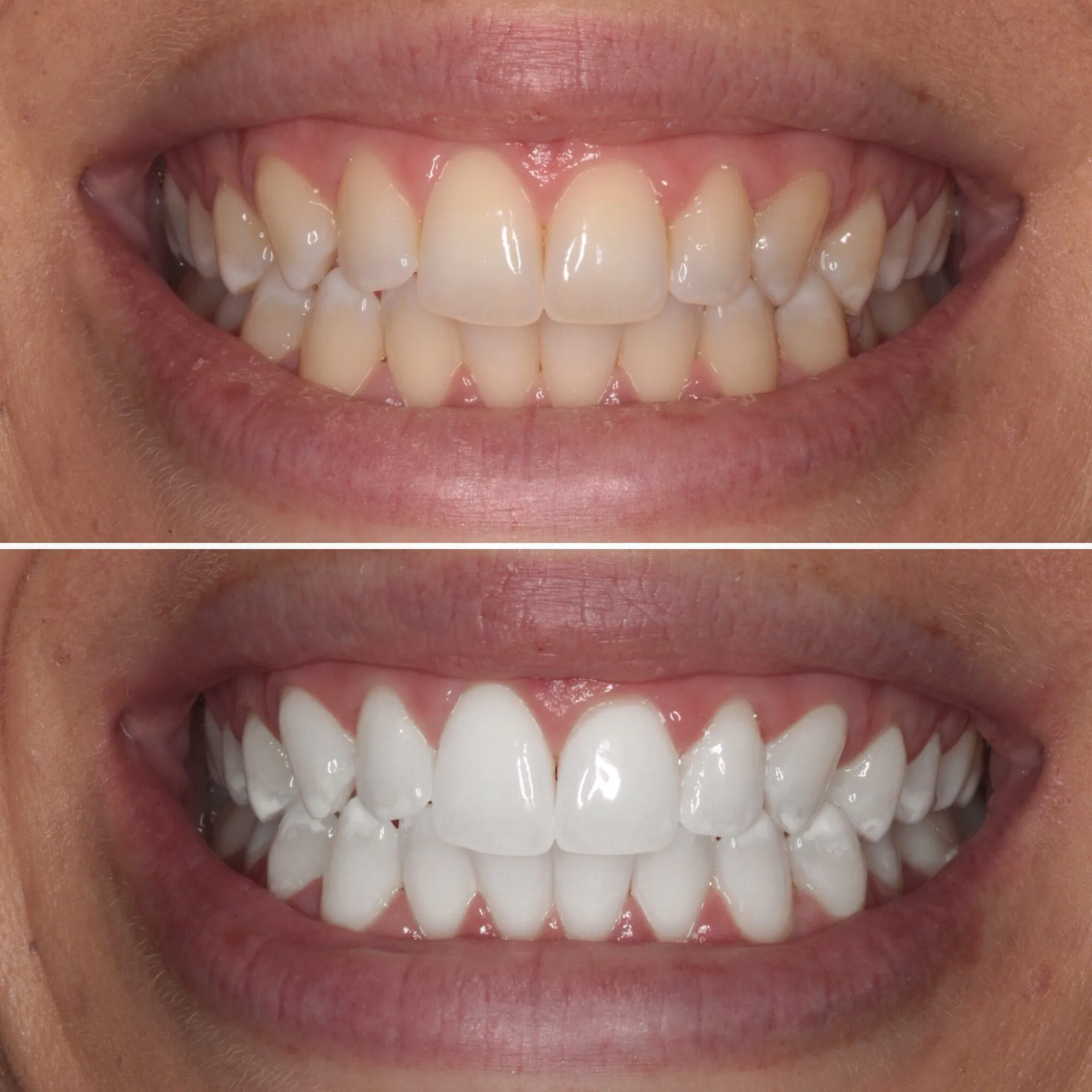
Understanding Teeth Whitening
Achieving a brighter smile has become a common goal for many, driving the popularity of teeth whitening procedures. This article provides a comprehensive dental white teeth whitening review, exploring various methods and offering insights into how you can achieve a dazzling smile. Teeth whitening, a cosmetic dental procedure, aims to lighten the shade of your teeth, removing stains and discoloration. Whether you’re seeking professional treatments or considering at-home options, understanding the process and available techniques is essential. From the science behind whitening to practical tips for maintenance, this guide provides the knowledge you need to make informed decisions and achieve the smile you’ve always wanted. Proper understanding ensures that you’re well-equipped to choose the best method for your needs.
What is Teeth Whitening
Teeth whitening, or bleaching, is a cosmetic dental procedure designed to lighten the color of your teeth. It works by removing stains and discoloration caused by factors like aging, genetics, diet, and certain lifestyle choices. The process involves using bleaching agents, usually hydrogen peroxide or carbamide peroxide, to penetrate the enamel and dentin, breaking down the staining compounds. This results in a brighter, more youthful-looking smile. The effectiveness of teeth whitening can vary based on the method used and the severity of the stains. In essence, teeth whitening is a safe and effective way to enhance your smile, boosting confidence and improving your overall appearance.
Types of Teeth Whitening Procedures

There are several methods for teeth whitening, each with its own advantages and considerations. Understanding these options allows you to choose the best approach for your specific needs and preferences. These procedures range from professional treatments administered by dentists to at-home kits. Both methods utilize bleaching agents to lighten the teeth, but the concentration of these agents and the application methods vary. The choice between professional and at-home options depends on factors like the severity of staining, desired results, and budget. Consider the pros and cons of each method to determine the most suitable path to a brighter smile.
Professional Teeth Whitening
Professional teeth whitening, also known as in-office whitening, is performed by a dentist in a clinical setting. This method offers several advantages, including faster results and the use of higher concentrations of bleaching agents. The dentist applies a protective gel to your gums before applying the whitening agent to your teeth. The process often involves using a special light or laser to accelerate the whitening process, enhancing the effectiveness of the bleaching agent. Professional whitening can significantly brighten your teeth in a single session, providing immediate and noticeable results. This is often the preferred choice for those seeking dramatic improvements quickly and safely, under professional supervision.
At-Home Teeth Whitening Kits
At-home teeth whitening kits provide a convenient and cost-effective alternative to professional treatments. These kits typically include custom-fitted trays and a bleaching gel with a lower concentration of hydrogen peroxide or carbamide peroxide. The trays are designed to fit snugly over your teeth, ensuring the bleaching agent remains in contact with your teeth. At-home kits require consistent use over several weeks to achieve noticeable results. While the results may take longer compared to in-office treatments, they are a practical option for maintaining a brighter smile between professional visits. Always follow the instructions carefully, and consult your dentist before starting to ensure it’s suitable for your oral health.
Benefits of Teeth Whitening

The benefits of teeth whitening extend beyond just aesthetics; they can have a positive impact on your confidence and overall well-being. A brighter smile can make you feel more self-assured, improving your social interactions and professional opportunities. Studies have shown a direct correlation between a bright smile and increased self-esteem. Whitening can also reverse the effects of staining caused by food, drinks, and aging, giving you a more youthful appearance. The process is a relatively quick and non-invasive way to enhance your smile, which can significantly improve your overall appearance. Moreover, the process can be a catalyst for better oral hygiene practices.
Fast Whitening Techniques
If you’re looking for rapid results, there are several fast teeth whitening techniques available. These methods are designed to deliver noticeable improvements in a short amount of time, often within a single session. These fast whitening options are ideal for those with upcoming events or anyone desiring immediate enhancement to their smile. Understanding the different methods and their respective benefits allows you to select the best choice to meet your specific needs.
In-Office Whitening Procedures
In-office whitening procedures are among the fastest methods to whiten teeth. Dentists typically use a high concentration of hydrogen peroxide, which is applied to the teeth after protecting the gums. A special light or laser is often used to accelerate the whitening process, maximizing the effectiveness of the bleaching agent. This technique can lighten teeth several shades in a single appointment, offering immediate and dramatic results. The entire procedure, including preparation and treatment, usually takes about an hour, making it convenient for those with busy schedules. Because it is performed under professional supervision, the risk of complications is minimized, and your dentist can tailor the treatment to your specific needs and tooth sensitivity.
How it Works

The in-office whitening process starts with a thorough cleaning to remove any surface stains. A protective gel is then applied to the gums to prevent irritation from the bleaching agent. The dentist applies the whitening gel to the teeth and uses a special light or laser to activate and enhance the bleaching process. This light helps the hydrogen peroxide break down stains and discoloration deep within the enamel. The gel is usually left on for a specific duration, and the process may be repeated several times during the same session. The entire process is carefully monitored by the dentist to ensure safety and effectiveness, providing you with a brighter smile quickly and safely.
What to Expect
During an in-office whitening session, you can expect a comfortable experience with minimal discomfort. Some individuals might experience temporary tooth sensitivity, which usually subsides within a few days. Your dentist will provide you with detailed post-treatment instructions, including dietary guidelines and oral hygiene tips, to maintain your results. The benefits of in-office whitening are immediate and noticeable, leading to significant improvements in the brightness of your smile. You’ll leave the dental office with a visibly whiter and more radiant smile, ready to make a lasting impression. Regular check-ups and maintenance can help prolong the results.
At-Home Whitening Strategies
If you prefer a more gradual approach, at-home whitening strategies offer convenient and cost-effective alternatives. These methods involve using over-the-counter or dentist-prescribed products in the comfort of your home. Understanding the various options allows you to choose the most suitable approach to achieve a brighter smile without professional intervention. By following recommended guidelines, you can safely and effectively enhance the appearance of your teeth at home, providing a convenient pathway to a more confident smile.
Whitening Toothpaste

Whitening toothpastes are a popular choice for daily maintenance and mild stain removal. These toothpastes contain mild abrasives and chemical agents that help remove surface stains. They are designed to polish the teeth, removing stains caused by coffee, tea, and other foods. While whitening toothpastes are generally safe and effective for daily use, they offer limited whitening power compared to other methods. They are best suited for maintaining the brightness of your teeth rather than achieving a significant color change. Regular use can prevent the build-up of new stains, contributing to a brighter smile over time.
Whitening Strips
Whitening strips offer a convenient and effective at-home whitening option. These thin, flexible strips are coated with a bleaching agent, usually hydrogen peroxide, and are applied directly to your teeth. The strips are designed to conform to the shape of your teeth, ensuring even distribution of the whitening agent. They are easy to use, making them a popular choice for those seeking noticeable improvements in their smile. Whitening strips typically need to be applied for a specific amount of time daily, over a few weeks, to achieve the desired results. Always follow the instructions on the product packaging to ensure effective and safe use. Results can vary, but many users report a significant improvement in the brightness of their teeth.
Teeth Whitening Ingredients
Understanding the key ingredients in teeth whitening products is crucial for making informed decisions and ensuring safety. The primary active agents in these products are hydrogen peroxide and carbamide peroxide, which work to break down stains and lighten the teeth. Knowledge of these ingredients allows you to better understand how these products achieve their results and to assess the potential risks and benefits.
Hydrogen Peroxide

Hydrogen peroxide is a common bleaching agent found in many teeth whitening products. It’s effective at breaking down stains and discoloration by penetrating the enamel and dentin of the teeth. The concentration of hydrogen peroxide varies based on the type of product and the method of application. Professional whitening treatments often use higher concentrations, while at-home kits typically contain lower concentrations to ensure safety. Hydrogen peroxide is an effective ingredient for achieving brighter teeth, and when used correctly, is generally considered safe. Consulting with a dentist can help you determine the right concentration for your needs and sensitivity levels.
Carbamide Peroxide
Carbamide peroxide is another frequently used bleaching agent in teeth whitening products. It is a stable compound that breaks down into hydrogen peroxide and urea when it comes into contact with water. Carbamide peroxide is often used in at-home whitening systems. The gradual release of hydrogen peroxide makes it effective and less likely to cause sensitivity. This ingredient effectively lightens teeth over time, making it a popular choice for those seeking a more gradual whitening process. Carbamide peroxide is safe when used as directed, and dentists often prescribe it for customized whitening trays.
Other Ingredients
Besides hydrogen peroxide and carbamide peroxide, many teeth whitening products contain other ingredients designed to enhance effectiveness and reduce sensitivity. These ingredients can include desensitizing agents to reduce tooth sensitivity, and flavoring agents to improve the taste. Some products also contain fluoride to strengthen enamel. These added ingredients help to provide a more comfortable and effective whitening experience. It is essential to be aware of all the ingredients in any product to avoid any allergic reactions or sensitivity issues. Always review the product label and consult with a dentist if you have any concerns.
Tips for a Bright Smile

Besides teeth whitening procedures, adopting certain lifestyle habits and oral hygiene practices can significantly enhance the brightness of your smile. Avoiding staining foods and drinks, maintaining good oral hygiene, and incorporating regular dental check-ups are all vital components of a comprehensive approach. These tips contribute to a healthy and radiant smile, enhancing the effectiveness of any whitening treatments and helping to maintain the results.
Dietary Adjustments
Your diet plays a significant role in the appearance of your teeth. Certain foods and beverages can stain teeth, causing discoloration over time. Minimizing your intake of these staining agents can help maintain your bright smile. Consider incorporating these strategies into your daily routine. Being mindful of what you consume can greatly impact the lasting results. These adjustments can help you enjoy a brighter smile for a longer period. Regular consumption of stain-inducing foods and drinks may require more frequent maintenance.
Oral Hygiene Practices
Maintaining excellent oral hygiene is crucial for keeping your teeth bright and healthy. Regular brushing, flossing, and rinsing can help remove surface stains and prevent the build-up of plaque and tartar. Proper oral hygiene is essential for anyone looking to maintain or improve the appearance of their teeth. Establishing a consistent routine of brushing at least twice a day, flossing daily, and rinsing with an antibacterial mouthwash can significantly improve your oral health. Using a soft-bristled toothbrush and employing proper brushing techniques further ensures effective cleaning without causing damage to the enamel. These practices not only enhance the aesthetics of your teeth but also protect against dental problems. Regular dental check-ups and professional cleanings are also essential components of maintaining a bright and healthy smile.
Maintaining Your White Smile
After undergoing teeth whitening, it is important to adopt strategies to maintain your results. Proper post-whitening care and long-term maintenance practices are crucial for prolonging the benefits of the treatment. Adhering to these guidelines can help you enjoy a bright, confident smile for an extended period.
Post-Whitening Care
Following post-whitening care instructions is important to minimize sensitivity and optimize the longevity of the results. This includes avoiding staining foods and drinks for a specific period. Additionally, using a desensitizing toothpaste can help with any temporary tooth sensitivity. Following these steps can help you maintain the brightness of your smile. Always consult your dentist for specific advice.
Long-Term Maintenance
Long-term maintenance involves consistent oral hygiene practices, periodic touch-up treatments, and regular dental check-ups. Maintaining a consistent oral hygiene routine can prevent the build-up of stains. Consider the use of whitening toothpaste or at-home maintenance kits to touch up your smile. Regular dental check-ups and professional cleanings are essential for maintaining overall oral health and detecting any potential problems early. These maintenance practices are necessary to help ensure the longevity of your investment in a brighter smile.