Understanding Eye Discoloration
Eye discoloration, whether it presents as redness or a yellowish tinge, can be a source of both cosmetic concern and underlying health worries. The color of your eyes is a window to your overall health, and changes in this color often signal something is amiss. Red eyes, often caused by dilated blood vessels on the surface of the eye, might result from factors like fatigue, allergies, or exposure to irritants. Yellow eyes, also known as jaundice, are typically caused by the buildup of bilirubin, a waste product, and may indicate liver problems or other more serious conditions. Understanding these underlying causes is crucial for effective treatment and the pursuit of home remedies for whitening eyes.
Common Causes of Red or Yellow Eyes
Before exploring home remedies, it’s essential to understand the common causes of eye discoloration. The causes can range from environmental factors to lifestyle choices and even medical conditions. Identifying the root cause is critical for selecting the most appropriate and effective remedies. Some causes may necessitate a doctor’s visit, and it’s important to differentiate between situations that can be managed at home and those requiring professional medical attention. Addressing the cause, and not just the symptom, is paramount for lasting eye health.
Environmental Factors

Environmental factors play a significant role in eye discoloration. Exposure to irritants like smoke, dust, and pollen can lead to redness and inflammation. Allergens in the air, such as pet dander or mold spores, can trigger allergic reactions that cause the eyes to become red and itchy. Dry air, whether from air conditioning or heating systems, can also dry out the eyes, leading to irritation and a reddened appearance. Being aware of the environmental triggers in your surroundings is the first step in protecting your eyes and preventing discoloration. Consider using air purifiers or humidifiers to mitigate these effects and seek to remove yourself from environments that exacerbate the problem.
Lifestyle Choices
Lifestyle choices have a significant impact on eye health. Excessive alcohol consumption can cause blood vessels in the eyes to dilate, leading to redness. Lack of sleep and eye strain from prolonged screen time or reading can also contribute to eye discoloration. Smoking introduces harmful chemicals that irritate the eyes and can lead to various eye problems. Poor dietary choices, such as a lack of essential nutrients, can affect eye health and lead to discoloration. Making conscious efforts to moderate alcohol intake, get enough sleep, take breaks from screens, avoid smoking, and eat a balanced diet can greatly improve eye health and reduce instances of eye discoloration.
Medical Conditions
Certain medical conditions can lead to eye discoloration. Conjunctivitis, commonly known as pinkeye, is an infection or inflammation of the conjunctiva, the clear membrane covering the white part of the eye, often resulting in redness and discharge. Subconjunctival hemorrhage, which is bleeding under the conjunctiva, can cause a bright red patch on the eye. Jaundice, characterized by yellowing of the skin and eyes, is often a sign of liver problems. Other conditions like uveitis or glaucoma can also contribute to changes in eye color. If eye discoloration is accompanied by other symptoms like pain, vision changes, or discharge, it’s important to consult a doctor to rule out serious underlying medical conditions.
Top 5 Home Remedies for Whitening Eyes

While it’s always best to address any underlying causes, several home remedies can provide relief and help whiten eyes. These remedies are generally safe and accessible, but it’s always recommended to consult with a healthcare professional, especially if you experience persistent or severe symptoms. These home remedies can provide temporary relief and help you achieve brighter, whiter eyes.
Using Saline Solution
Saline solution, a mixture of salt and water, is a gentle and effective way to soothe irritated eyes and wash away irritants. It’s readily available at most drugstores and pharmacies and is often recommended by eye care professionals. Using saline solution can help rinse away debris, reduce redness, and alleviate dryness. It is a simple yet effective solution to promote eye health and clarity.
How Saline Solution Works
Saline solution works by mimicking the natural composition of tears, which makes it gentle and non-irritating. It helps to flush out irritants like dust, pollen, and smoke, which are common causes of eye redness and irritation. The solution also provides a moisturizing effect, alleviating dryness and reducing inflammation. By removing these irritants, saline solution helps to create a healthier environment for your eyes, contributing to a brighter, whiter appearance. Regular use can prevent buildup of debris and keep eyes feeling refreshed.
Application Tips

To use saline solution effectively, wash your hands thoroughly before touching your eyes. Tilt your head back and gently pull down your lower eyelid to create a small pocket. Carefully apply a few drops of the saline solution into the pocket, or follow the instructions on the product. You can also use a sterile eye wash cup if available. Blink several times to allow the solution to spread across your eye surface. Repeat this process as needed, typically a few times a day. Always use sterile saline solution and replace the bottle according to the manufacturer’s instructions to prevent any contamination.
Applying Cold Compresses
Cold compresses can significantly reduce inflammation and redness in the eyes. They are a simple, natural remedy that is easy to implement and can provide quick relief. The cooling effect constricts blood vessels, helping to reduce swelling and redness. Cold compresses are a useful addition to your eye care routine, offering immediate comfort and promoting a healthier appearance.
Benefits of Cold Compresses
Cold compresses offer several benefits for eye health. They can alleviate eye strain and fatigue, making them particularly useful after long periods of screen time or reading. The compresses help reduce swelling and puffiness around the eyes, improving overall appearance. They also can reduce the itchiness associated with allergies or irritation. Applying cold compresses is a simple way to soothe and refresh your eyes, especially when you are experiencing redness or discomfort.
How to Apply Cold Compresses

To apply a cold compress, start by using a clean cloth. Soak the cloth in cold water, wring out the excess, and gently apply it to your closed eyelids. You can also use a clean washcloth or cotton pads. Keep the compress on your eyes for 10-15 minutes, several times a day. Alternatively, you can use chilled cucumber slices or tea bags (cooled and caffeine-free) for added benefits. Always ensure the compress is clean to prevent any potential infections. If irritation persists, discontinue use and consult with an eye care professional.
The Power of Hydration
Staying hydrated is crucial for overall health and directly impacts eye health. Proper hydration helps to keep the eyes lubricated and prevents dryness, which can lead to redness and irritation. Dehydration can exacerbate symptoms and slow the healing process. Therefore, drinking sufficient water is one of the most important home remedies for whitening eyes and maintaining overall eye health. Hydration works in concert with the other remedies, amplifying their positive effects.
Why Water Matters
Water plays a vital role in eye health. It helps maintain the tear film, which lubricates and protects the eyes. Adequate hydration prevents dryness, which can cause redness and irritation. Drinking enough water supports the proper functioning of all bodily systems, including the eyes. When your body is adequately hydrated, your eyes are less likely to suffer from the effects of environmental irritants and other factors that can cause discoloration. Making hydration a priority is an excellent way to support your eye health.
Tips for Staying Hydrated

To stay hydrated, aim to drink at least eight glasses of water per day. Carry a water bottle with you throughout the day to ensure you have easy access to water. Incorporate hydrating foods like fruits and vegetables into your diet, such as watermelon, cucumbers, and spinach. Avoid excessive consumption of sugary drinks and caffeine, as they can have dehydrating effects. If you are physically active or live in a warm climate, you may need to increase your water intake. Listening to your body’s cues and drinking when you feel thirsty is also a good habit. Making hydration a consistent part of your routine will help improve your eye health and overall wellbeing.
The Benefits of Sleep
Getting enough sleep is essential for overall health, and it has a profound effect on the appearance and health of your eyes. When you sleep, your body has the opportunity to repair and rejuvenate. Lack of sleep can lead to red, tired-looking eyes. Prioritizing sleep is a simple, yet effective, way to help whiten eyes naturally. Good sleep benefits not only eye health but also boosts overall health and well-being.
Sleep and Eye Health
During sleep, the body repairs and restores itself. The eyes are no exception. Adequate sleep reduces inflammation and allows the eyes to rehydrate, reducing redness and irritation. Lack of sleep can lead to bloodshot eyes, dark circles, and a general tired appearance. Getting 7-9 hours of sleep per night is usually recommended for adults. Consistent sleep helps maintain a healthy tear film, preventing dryness and discomfort. Prioritizing sleep can significantly contribute to whiter, brighter eyes and improved overall health.
Improving Sleep Hygiene

Improving your sleep hygiene can make it easier to get a good night’s rest. Establish a regular sleep schedule, going to bed and waking up at the same time each day, even on weekends. Create a relaxing bedtime routine, such as taking a warm bath, reading a book, or listening to calming music. Make sure your bedroom is dark, quiet, and cool. Avoid caffeine and alcohol before bed. Limit screen time before going to sleep, as the blue light emitted by electronic devices can interfere with sleep. Regular exercise can improve sleep quality, but avoid intense workouts close to bedtime. Creating a sleep-friendly environment is essential for achieving restful sleep and improving your eye health.
Avoiding Irritants
Avoiding irritants is a fundamental step in maintaining healthy eyes and preventing discoloration. Irritants can trigger inflammation and redness, so limiting exposure is a simple but powerful way to help keep your eyes clear and white. Recognizing and avoiding these irritants, wherever possible, is a preventative measure you can take to protect your eye health. It’s a practical strategy that complements the other remedies and promotes overall eye wellness.
Identifying Common Irritants
Various substances can irritate your eyes. Smoke, whether from cigarettes or wildfires, is a major irritant. Dust, pollen, and pet dander are common allergens that can cause redness and itchiness. Chemical fumes from cleaning products, cosmetics, and other household items can also trigger eye irritation. Prolonged exposure to computer screens can lead to eye strain and dryness. Understanding which irritants are most likely to affect you will allow you to take targeted protective measures. Paying close attention to your surroundings will help you identify and avoid these triggers.
Protective Measures

There are several ways to protect your eyes from irritants. When exposed to smoke, dust, or other potential irritants, wear protective eyewear or goggles. Use air purifiers to remove allergens and pollutants from the air. Use a humidifier to maintain optimal humidity levels, especially during dry weather. Take frequent breaks from screens, using the 20-20-20 rule: every 20 minutes, look at something 20 feet away for 20 seconds. Ensure good ventilation in your home and workspace. Regularly clean your home to remove dust and allergens. Being proactive about protecting your eyes from irritants will make a big difference in the clarity and whiteness of your eyes.
Additional Tips for Eye Care
In addition to the home remedies mentioned, adopting good eye care habits can further enhance your eye health and contribute to whiter, brighter eyes. Incorporating these additional tips into your routine will provide more comprehensive support for your eye health. Consistency is key; making these practices a regular part of your life will yield long-term benefits, promoting overall eye wellness.
Proper Eye Hygiene
Proper eye hygiene is critical for preventing infections and keeping your eyes healthy. Wash your hands thoroughly before touching your eyes. Avoid rubbing your eyes, as this can introduce bacteria and irritate them. Clean your eyelids gently with a warm, damp washcloth to remove any debris. If you wear contact lenses, follow the recommended cleaning and storage guidelines diligently. Replace your eye makeup regularly, as old cosmetics can harbor bacteria. These small habits can make a big difference in your eye health and appearance. Practice proper eye hygiene to keep your eyes clean and free from irritation.
Diet and Eye Health
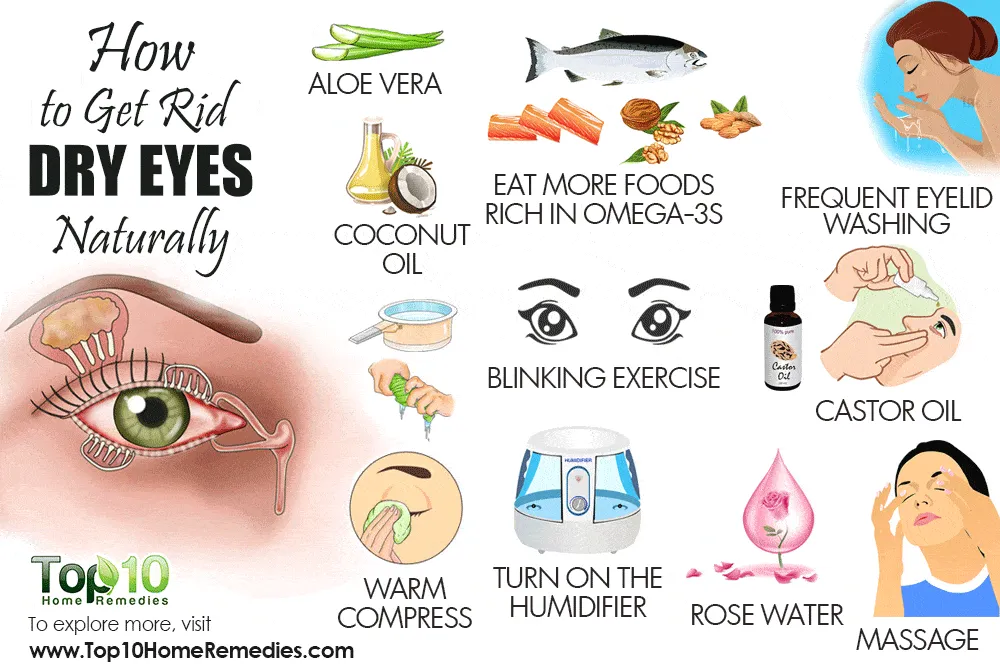
What you eat plays a significant role in your eye health. Include foods rich in antioxidants, such as fruits and vegetables, into your diet. These protect your eyes from damage. Incorporate foods high in omega-3 fatty acids, such as salmon and flaxseeds, which help keep your eyes lubricated and reduce dryness. Vitamin A, found in carrots and sweet potatoes, is essential for good vision. Lutein and zeaxanthin, found in leafy green vegetables, protect against age-related macular degeneration. A balanced diet supports overall health, including the health of your eyes, so a nutritious diet will contribute to clear and white eyes.
When to Consult a Doctor
While home remedies can be effective, it’s crucial to know when to consult an eye doctor. If your eye discoloration is severe, persistent, or accompanied by other symptoms like pain, vision changes, or discharge, seek medical attention immediately. Sudden onset of eye redness or yellowing should be evaluated by a professional. If home remedies are not providing relief, or if your symptoms worsen, it’s important to get checked. Early diagnosis and treatment of any underlying medical conditions can prevent long-term eye problems. Don’t hesitate to see a doctor if you are concerned about your eye health.
In conclusion, achieving whiter eyes can often be accomplished using simple home remedies. From saline solutions and cold compresses to staying hydrated and getting adequate sleep, these natural approaches can provide relief and improve the appearance of your eyes. Remember that addressing any underlying causes, such as environmental irritants or lifestyle choices, is crucial for long-term eye health. While these remedies can be effective, it’s always best to consult a healthcare professional if you experience severe or persistent symptoms. By following these guidelines and prioritizing your eye health, you can enjoy brighter, healthier eyes.