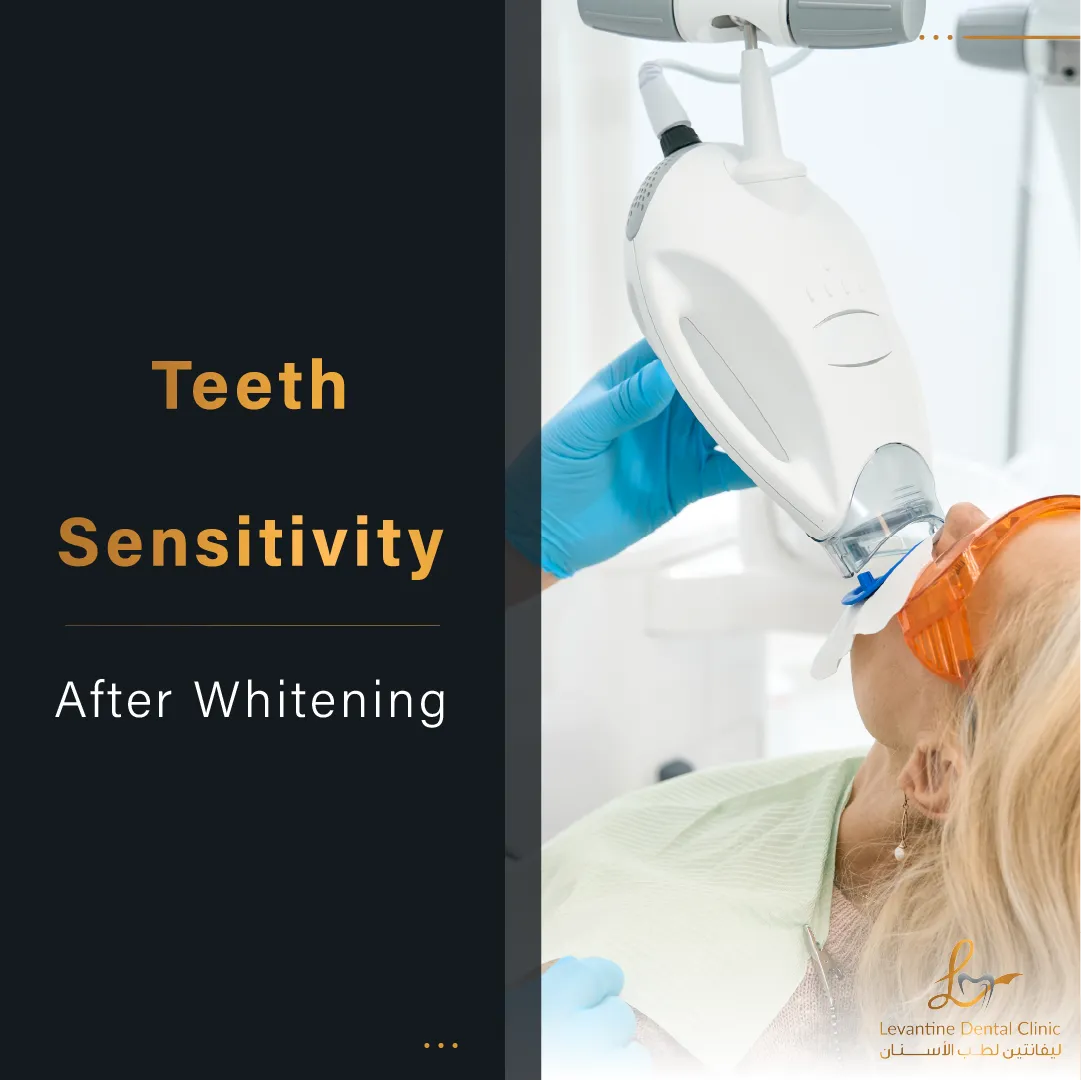
Understanding Tooth Whitening Sensitivity
Tooth whitening sensitivity is a common but often temporary side effect experienced by many individuals after undergoing teeth whitening treatments. This discomfort manifests as sharp, shooting pains or a dull ache in the teeth, typically triggered by hot, cold, sweet, or acidic foods and beverages. The intensity of the sensitivity varies from person to person, ranging from mild and barely noticeable to quite severe, making it essential to understand its causes and management strategies. Recognizing that sensitivity is a potential outcome of the whitening process allows for proactive measures to minimize its impact and ensure a more comfortable experience. The sensitivity usually arises due to the bleaching agents used in whitening treatments, which can temporarily affect the tooth’s enamel and dentin.
Common Causes of Sensitivity After Whitening
Several factors contribute to the development of tooth sensitivity after whitening. The primary culprit is the active ingredient in most whitening products, typically hydrogen peroxide or carbamide peroxide. These agents penetrate the enamel to break down stains, but in doing so, they can also irritate the nerves within the teeth. This irritation leads to the characteristic sensitivity. Furthermore, existing conditions such as receding gums, thin enamel, or small cracks in the teeth can exacerbate the problem, as these conditions expose the dentin, which contains tiny tubules that lead directly to the tooth’s nerve. High concentrations of whitening agents used in some treatments can also intensify sensitivity. Additionally, the use of whitening trays that don’t fit properly can cause the bleaching agent to come into contact with the gums, further increasing the chances of sensitivity.
The Whitening Process and its Impact

The tooth whitening process itself plays a crucial role in the development of sensitivity. When whitening agents are applied, they break down the stains within the tooth enamel. This process, while effective at brightening teeth, can also dehydrate the teeth and temporarily open up the dentinal tubules. This increased permeability allows the whitening agents to reach the nerves more easily, and also makes the teeth more vulnerable to external stimuli. The duration and intensity of the whitening treatment also influence sensitivity. For instance, professional whitening treatments, which use higher concentrations of bleaching agents and are applied for shorter durations, may cause more pronounced sensitivity compared to over-the-counter options. Understanding the mechanics of the whitening process helps in appreciating why sensitivity is a common, though usually transient, side effect.
Factors Influencing Sensitivity
Several factors can influence the degree of sensitivity experienced after tooth whitening. Individual tooth characteristics, such as the thickness of the enamel and the presence of any existing dental issues (like micro-cracks or cavities), significantly impact sensitivity levels. People with naturally thinner enamel are more prone to sensitivity. The type of whitening treatment also plays a role. Professional treatments often induce more sensitivity than home-based methods due to the higher concentrations of bleaching agents used. Furthermore, the sensitivity can be influenced by the frequency of treatments and the overall oral hygiene habits of the individual. Those with pre-existing sensitivity issues or gum problems are likely to experience a more pronounced reaction to whitening. Dietary choices, such as the frequent consumption of acidic foods and beverages, can also contribute to the exacerbation of sensitivity.
Does Tooth Whitening Sensitivity Always Disappear?
The good news is that tooth whitening sensitivity is almost always temporary. In the vast majority of cases, the sensitivity subsides within a few days to a couple of weeks after the whitening treatment. This is because the teeth gradually rehydrate and the dentinal tubules close up, reducing the nerves’ exposure to external stimuli. However, there are rare instances where sensitivity can persist for a more extended period, especially if underlying dental issues are present or if the whitening treatment has been particularly aggressive. It’s crucial to consult with a dentist if sensitivity lasts longer than a few weeks, as it could indicate a more significant underlying problem that requires professional attention. Generally, with appropriate care and management, the discomfort will fade away.
Timeline for Sensitivity Resolution

Typically, tooth whitening sensitivity resolves within a short timeframe. Most individuals experience the peak of sensitivity within the first 24 to 48 hours after the whitening treatment. Over the following days, the sensitivity gradually decreases, and by the end of the first week, there is often a noticeable improvement. In many cases, the sensitivity will completely disappear within one to two weeks. This timeline can vary depending on the individual’s sensitivity level, the type of whitening treatment used, and their adherence to post-whitening care instructions. More aggressive treatments might extend the recovery period slightly. If sensitivity lasts longer than two weeks, it’s advisable to consult a dentist to rule out any underlying dental issues.
Factors Affecting Recovery Time
Several factors affect how long it takes for sensitivity to subside after tooth whitening. The concentration of the bleaching agent used is a significant factor. Higher concentrations, such as those found in professional treatments, may lead to a more extended recovery time. Individual tooth characteristics, like enamel thickness and the presence of any pre-existing sensitivity or dental issues, also play a role. Those with naturally thin enamel or pre-existing conditions might take longer to recover. Following post-whitening care instructions diligently is essential. This includes using desensitizing toothpaste, avoiding very hot or cold foods and drinks, and refraining from consuming highly acidic items. Finally, the overall oral hygiene practices of the individual, including regular brushing and flossing, contribute to the healing process.
Managing Tooth Whitening Sensitivity
Fortunately, there are several effective strategies for managing tooth whitening sensitivity. The primary goal is to minimize discomfort and accelerate the recovery process. The first line of defense often involves over-the-counter solutions, such as desensitizing toothpaste. These toothpastes contain ingredients like potassium nitrate or stannous fluoride, which help block the dentinal tubules, reducing nerve exposure. Avoiding extremely hot or cold foods and beverages can also prevent triggering sensitivity. Additionally, using a soft-bristled toothbrush and brushing gently can minimize further irritation to the teeth and gums. For more severe sensitivity, a dentist can offer professional treatments to provide relief.
Over-the-Counter Solutions

Several over-the-counter solutions are readily available to help manage tooth whitening sensitivity. Desensitizing toothpastes are the most common and effective approach. These toothpastes work by blocking the dentinal tubules, thus reducing the transmission of sensations to the nerves. Look for toothpastes containing potassium nitrate or stannous fluoride. Using these toothpastes consistently, starting a week or two before the whitening treatment and continuing afterward, can significantly reduce sensitivity. Another helpful tip is to avoid brushing immediately after consuming acidic foods or drinks, as this can further erode enamel and increase sensitivity. You can also use fluoride mouthwashes to strengthen enamel. If you have a whitening kit, you might use it less frequently. If sensitivity persists, consult your dentist.
Professional Treatments
In cases of more severe or prolonged sensitivity, professional treatments offered by a dentist can provide significant relief. One common approach is the application of fluoride varnish. This professional-strength fluoride strengthens the enamel and helps to block the dentinal tubules, thereby reducing sensitivity. Dentists can also prescribe higher-concentration desensitizing agents for home use. In some instances, the dentist might recommend a desensitizing gel to be applied to the teeth, further enhancing relief. If sensitivity is related to gum recession or other structural dental issues, a dentist can address those concerns with appropriate treatments, such as gum grafts or fillings. Regular dental check-ups are crucial to ensure the sensitivity is appropriately addressed.
Preventing Tooth Whitening Sensitivity
Proactive measures can greatly reduce the risk of experiencing tooth whitening sensitivity. The key is to prepare the teeth and gums for the whitening process and to follow all post-whitening care instructions. Before starting any whitening treatment, it’s a good idea to consult with a dentist, especially if you have any pre-existing dental issues or sensitivity. During the consultation, the dentist can assess your oral health and recommend the most suitable whitening method. Using a desensitizing toothpaste for a week or two before whitening helps to prepare the teeth. Another preventive measure is to avoid acidic foods and drinks during the whitening process to prevent further enamel erosion. Carefully following the instructions that come with the whitening kit is crucial for minimizing sensitivity.
Choosing the Right Whitening Method

The choice of whitening method can influence the likelihood of developing sensitivity. Over-the-counter whitening products, such as strips and gels, generally contain lower concentrations of bleaching agents than professional treatments. This means they are often less likely to cause significant sensitivity. However, they might also produce less dramatic whitening results. Professional whitening performed by a dentist provides more controlled and often faster results but may result in greater sensitivity due to the higher concentration of bleaching agents used. Consider your sensitivity levels and the desired results when deciding. Discussing the options with a dentist is essential to find the most suitable method for your individual needs. The dentist can provide guidance on the most effective whitening method and the steps to minimize potential sensitivity.
Post-Whitening Care Tips
Following post-whitening care instructions is vital for minimizing sensitivity and ensuring a comfortable experience. Use desensitizing toothpaste regularly. Avoid very hot or cold foods and drinks for the first few days or weeks after the treatment, as they can trigger sensitivity. Refrain from consuming highly acidic foods and beverages, such as citrus fruits, soda, and vinegar-based dressings, as they can erode the enamel and exacerbate sensitivity. Avoid smoking, as it can stain teeth and impede the whitening process. Maintain a consistent oral hygiene routine, including brushing at least twice a day and flossing daily, but brush gently with a soft-bristled toothbrush. Schedule regular dental check-ups and cleanings to maintain optimal oral health and address any issues that might contribute to sensitivity.
Top 5 Facts Recap
To summarize, here are the top 5 facts about tooth whitening sensitivity. First, it is a common, temporary side effect caused by the bleaching agents used in whitening treatments. Second, sensitivity typically subsides within a few days to a couple of weeks. Third, there are many ways to manage sensitivity, like using desensitizing toothpaste and avoiding certain foods. Fourth, choosing the right whitening method and following post-whitening care instructions can reduce the risk. Fifth, consult your dentist if sensitivity persists or worsens. Taking appropriate steps can help you enjoy a brighter smile with minimal discomfort.