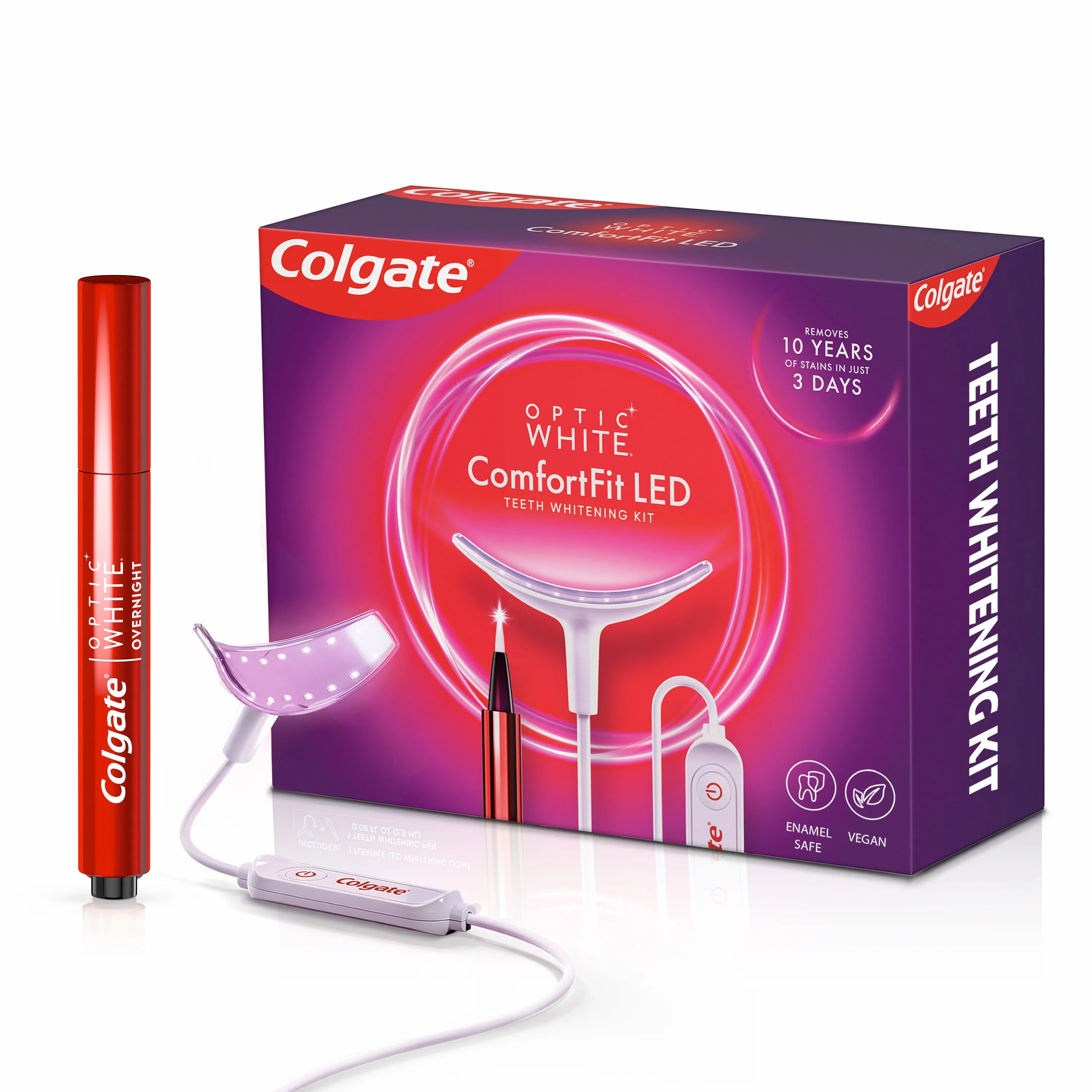
The Science Behind Light Teeth Whitening
Light-activated teeth whitening has become a popular method for achieving a brighter smile. This process utilizes specific wavelengths of light to accelerate the whitening process, offering faster and often more dramatic results compared to traditional whitening methods. Understanding the science behind this technique is crucial to appreciating its effectiveness and safety. This involves understanding how the light interacts with the whitening agent, typically a peroxide-based substance, and how it affects the enamel.
How Light Accelerates Whitening
The primary mechanism by which light accelerates teeth whitening involves the activation of the whitening agent. Most professional and at-home light-activated systems use a gel containing hydrogen peroxide or carbamide peroxide. When light, usually a blue LED or halogen light, is directed at the gel-covered teeth, it causes the peroxide to break down more rapidly. This accelerated breakdown releases oxygen molecules that penetrate the enamel and dentin, breaking down the stain molecules that cause discoloration. This process significantly speeds up the whitening effect compared to using the whitening gel alone.
The Role of Hydrogen Peroxide

Hydrogen peroxide is the active ingredient in most teeth whitening products with light. The concentration of hydrogen peroxide can vary depending on the product and the intended use, ranging from lower concentrations in at-home kits to higher concentrations used by dental professionals. The light acts as a catalyst, speeding up the chemical reaction of the hydrogen peroxide. As the peroxide breaks down, it releases free radicals, which are highly reactive molecules. These free radicals react with the stain molecules, breaking them down and making them less visible, leading to a whiter appearance. The intensity and type of light used can affect the rate at which this process occurs.
Top 5 Facts About Light Teeth Whitening
Fact 1 Quick Results
One of the most appealing aspects of light teeth whitening is the speed at which results are achieved. Unlike traditional whitening methods that can take several weeks to show noticeable changes, light-activated treatments often deliver visible whitening within a single session or a few short applications. This rapid effect is due to the accelerated chemical reaction caused by the light, which quickly breaks down stains and discoloration. This makes it an excellent option for individuals seeking a fast and effective cosmetic solution, such as before a special event or occasion.
Fact 2 Enamel Safety

The safety of enamel is a key concern for anyone considering teeth whitening. When used correctly, light teeth whitening products are generally considered safe. The light itself, typically blue LED or halogen, does not directly damage the enamel. The potential for sensitivity or damage largely depends on the concentration of the whitening agent and the duration of exposure. It’s essential to follow the manufacturer’s instructions carefully or to have the procedure performed by a dental professional who can monitor the process and minimize any risks. Proper application helps avoid over-exposure, reducing the risk of enamel erosion.
Fact 3 Types of Lights
Different types of lights are used in light-activated teeth whitening. The most common are blue LED and halogen lights. Blue LED lights are favored in many professional and home kits due to their efficiency and relatively low heat emission. Halogen lights, which were more common in the past, can be more powerful but also generate more heat, which may increase the risk of sensitivity. The type of light and its intensity can influence the whitening process, affecting the speed and the extent of the whitening. Modern systems often filter out harmful UV rays to ensure safety, and the effectiveness of the light depends on its ability to activate the whitening agent.
Fact 4 Professional vs. Home Kits
Both professional and home light teeth whitening kits are available, each with their own advantages. Professional treatments performed by a dentist typically use higher concentrations of hydrogen peroxide and more powerful light sources, leading to faster and more dramatic results. These treatments also provide the benefit of professional monitoring and guidance, minimizing the risk of adverse effects. Home kits, on the other hand, offer convenience and affordability. They generally use lower concentrations of the whitening agent and less powerful lights, which are safer for unsupervised use. The choice depends on individual needs, budget, and the desired level of whitening.
Fact 5 Maintenance and Aftercare

Maintenance and aftercare are essential for maintaining the results of light teeth whitening. After the whitening procedure, it is crucial to follow the dentist’s or product’s instructions for aftercare. This usually involves avoiding foods and drinks that can stain teeth, such as coffee, tea, red wine, and dark-colored foods, for a certain period. Using a whitening toothpaste can help maintain the brightness. Regular dental check-ups and cleanings are also recommended to keep teeth healthy and extend the longevity of the whitening effects. Proper care ensures the results last longer and the smile stays bright.
Choosing the Right Light Whitening Product
Considerations for Product Selection
When choosing a light teeth whitening product, several factors should be considered to ensure safety and effectiveness. The first is the concentration of the whitening agent, typically hydrogen peroxide. Higher concentrations often yield faster results, but they also increase the risk of sensitivity. The type of light used is another factor. Research the light’s specifications, including its wavelength and intensity. Also, consider the ease of use and the presence of any safety features, such as automatic timers and mouth trays. Reviews and recommendations from dentists or users can also guide your selection process.
The Importance of Consultation

Consulting with a dentist before undergoing light teeth whitening is highly recommended. A dentist can assess the health of your teeth and gums, determine if you are a good candidate for whitening, and recommend the most suitable product or treatment plan. They can also address any existing dental issues, such as cavities or gum disease, that could impact the whitening process. Professional consultation ensures the treatment is safe, effective, and tailored to your specific needs, maximizing the chance of achieving a brighter, healthier smile. The dentist can also provide guidance on post-whitening care and maintenance.
Maximizing Results and Avoiding Problems
To maximize the results of light teeth whitening and avoid potential problems, several steps should be taken. Follow the instructions provided with the product or by your dentist precisely. Avoid over-whitening, as this can lead to increased sensitivity and potential damage to the enamel. Maintain a good oral hygiene routine, including brushing, flossing, and regular dental check-ups. Be mindful of staining foods and drinks, and limit their consumption, especially after whitening. If you experience any sensitivity or discomfort, discontinue use and consult your dentist. Proper preparation and adherence to aftercare instructions will help maintain a bright, healthy smile.