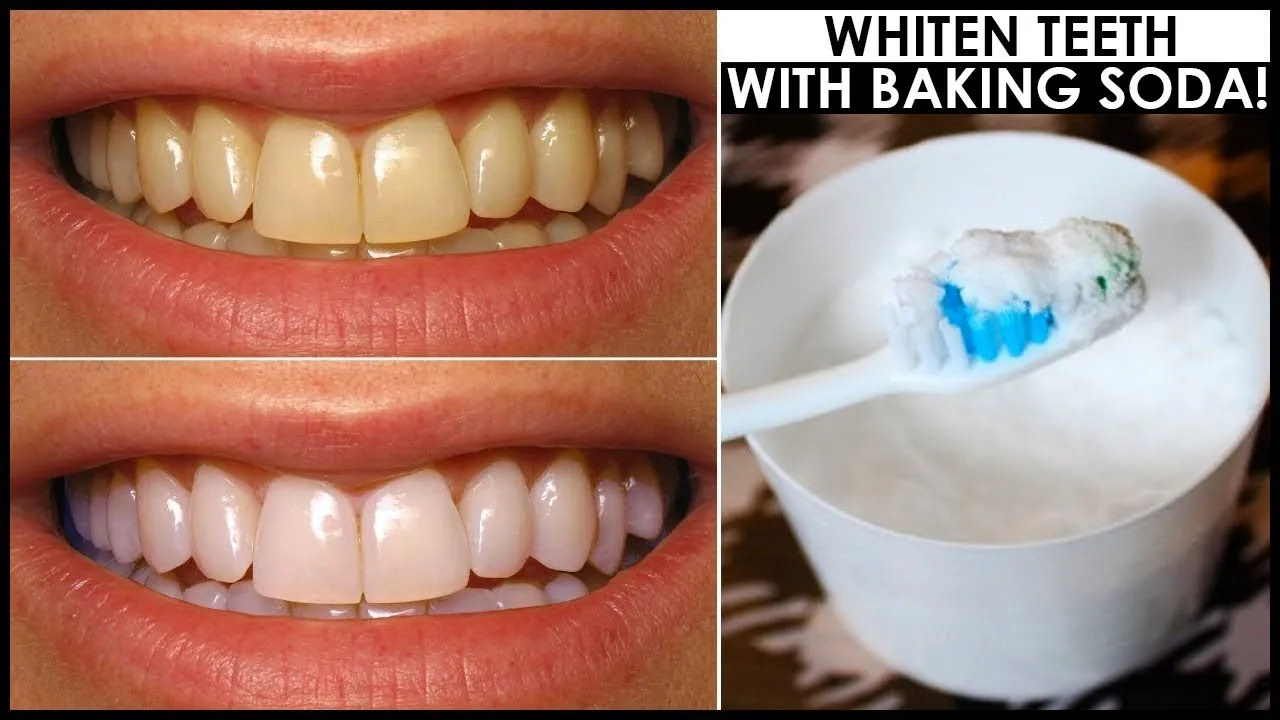
What is Baking Soda and How Does it Whiten Teeth?
Baking soda, also known as sodium bicarbonate, has become a popular home remedy for teeth whitening. Its abrasive nature and mild alkaline properties are believed to help remove stains and brighten teeth. This simple compound, readily available in most households, presents an accessible and affordable option for those seeking a brighter smile. However, understanding how baking soda interacts with your teeth is crucial before incorporating it into your oral hygiene routine. Let’s delve into the science behind baking soda and explore its potential as a teeth-whitening agent, examining both its benefits and potential risks. This guide will help you navigate the use of baking soda effectively and safely, ensuring you can make informed decisions about your dental care.
The Chemical Composition of Baking Soda
Baking soda’s chemical formula is NaHCO₃, which stands for sodium bicarbonate. It is a crystalline, white solid that dissolves in water, creating a slightly alkaline solution. This alkalinity is key to its teeth-whitening properties. The slightly basic nature of baking soda helps to neutralize acids in the mouth, which can erode tooth enamel and contribute to discoloration. Furthermore, baking soda acts as a mild abrasive. The small particles gently scrub the surface of the teeth, helping to remove surface stains caused by coffee, tea, and other staining agents. This dual action makes baking soda an attractive option for those seeking a natural teeth-whitening solution at home, offering both stain removal and a degree of enamel protection.
How Baking Soda Works on Teeth

Baking soda whitens teeth through a combination of mechanical and chemical actions. The abrasive particles gently scrub away surface stains, effectively polishing the teeth. This physical action is similar to how professional teeth cleaning removes plaque and stains. Simultaneously, baking soda’s alkaline properties help to create a less acidic environment in the mouth. This is crucial because acids can weaken enamel, making teeth more susceptible to staining. By neutralizing these acids, baking soda helps to maintain a healthy oral environment that supports whiter teeth. The cleaning action also helps to remove bacteria, contributing to fresher breath and a healthier mouth overall. However, the level of whitening is usually less dramatic than that achieved through professional treatments or products containing bleaching agents.
Benefits of Using Baking Soda for Teeth Whitening
Cost-Effectiveness
One of the primary benefits of using baking soda for teeth whitening is its affordability. Compared to expensive professional treatments or commercially available whitening products, baking soda is incredibly inexpensive. A box of baking soda costs only a few dollars and can last for months, making it an economical choice for anyone seeking to brighten their smile without breaking the bank. This low cost makes it an accessible option for people of all income levels, offering an effective teeth-whitening solution that fits within a budget. This advantage is especially appealing for individuals who are hesitant to invest in costly dental procedures or are simply looking for a budget-friendly way to maintain a brighter smile at home, and provides an accessible and economical route to potentially whiter teeth.
Natural Whitening Alternative
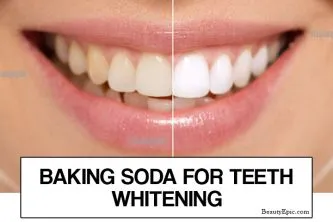
For those seeking a natural approach to teeth whitening, baking soda is an excellent choice. It is a naturally occurring substance, free from harsh chemicals and artificial additives commonly found in commercial whitening products. This makes it an attractive alternative for individuals who are concerned about the potential side effects of chemical treatments or prefer to avoid them altogether. Using baking soda aligns with a more holistic approach to oral hygiene, focusing on natural ingredients and gentler methods to achieve a brighter smile. This natural approach can be particularly appealing to individuals with sensitive teeth or those who are looking for a more environmentally friendly option. Its natural composition minimizes the risk of irritation and other adverse reactions.
Easy Accessibility
Baking soda is readily available in almost every household and grocery store, eliminating the need for special trips to pharmacies or dental clinics. This easy accessibility is a major advantage, as it allows you to incorporate teeth whitening into your routine without any hassle. You don’t need a prescription, and it’s always on hand. This convenience makes it easy to maintain your teeth whitening efforts consistently, which can lead to better results over time. This accessibility factor is especially helpful for those with busy schedules or limited access to specialized dental products, providing a convenient and readily available option for improving your smile. This convenience ensures that anyone can begin whitening their teeth with baking soda whenever they choose.
Step-by-Step Guide to Using Baking Soda
Preparing the Baking Soda Paste

The first step involves creating a paste using baking soda. The process is simple: mix a small amount of baking soda with water until you achieve a thick, paste-like consistency. The usual recommendation is to use about one to two teaspoons of baking soda. Start with a smaller amount of water and add more gradually until you get the desired texture. The paste should be thick enough to adhere to your toothbrush but not so thick that it’s difficult to spread. Some people prefer to add a few drops of hydrogen peroxide to the paste for enhanced whitening effects, but this isn’t necessary and could potentially increase sensitivity. Ensure that the paste is freshly made each time you brush to maintain its effectiveness and hygiene. This straightforward process makes it easy to prepare the whitening agent right before use, ensuring maximum freshness and effectiveness.
Application Techniques
Once you’ve prepared the paste, the application is straightforward. Dip your toothbrush into the paste, ensuring that the bristles are evenly coated. Brush your teeth gently using small, circular motions, paying close attention to all surfaces of your teeth. It’s crucial not to scrub too vigorously, as excessive force can damage enamel. Focus on areas where stains are most visible. The gentle abrasion provided by the baking soda helps to lift surface stains without causing excessive wear. Be thorough but avoid aggressive brushing. Using a soft-bristled toothbrush is highly recommended to further minimize any risk of enamel damage. The application should be smooth and consistent, ensuring that all teeth surfaces receive adequate cleaning and whitening effects. Rinse your mouth thoroughly with water after brushing to remove all traces of the paste.
Brushing Instructions
The brushing technique is critical when using baking soda for teeth whitening. Brush your teeth gently for about two minutes, the same duration recommended for regular brushing. Avoid excessive pressure to prevent damage to the enamel. Use circular motions to thoroughly clean each tooth surface, including the front, back, and chewing surfaces. Pay special attention to areas where staining is most pronounced, such as near the gum line. Make sure to reach all areas of your mouth to ensure comprehensive cleaning. After brushing, rinse your mouth thoroughly with water to remove any residual baking soda paste. For best results, follow up with your regular toothpaste and floss. This combination ensures your teeth are not only whitened but also cleaned effectively, promoting overall oral health and hygiene. A gentle yet thorough approach is the key to getting the most out of your baking soda whitening routine.
Frequency of Use

It’s important to use baking soda for teeth whitening in moderation. Overuse can lead to enamel erosion and increased tooth sensitivity. Generally, brushing with baking soda once or twice a week is considered safe and effective. Some people may find that even this frequency is too much, and they should reduce usage accordingly. If you experience increased sensitivity or other adverse effects, it’s essential to reduce the frequency or discontinue use altogether. Incorporate baking soda into your oral hygiene routine strategically, combining it with your regular toothpaste for optimal results. This careful approach ensures that you achieve the desired whitening effects without compromising the health of your teeth. Regular dental checkups are also essential to monitor your oral health and detect any potential issues early.
Potential Risks and Side Effects
Enamel Erosion
One of the primary risks associated with using baking soda for teeth whitening is enamel erosion. As a mild abrasive, baking soda can wear down the enamel over time, making your teeth more susceptible to cavities and sensitivity. Excessive or aggressive brushing can accelerate this process. Thinning enamel can also make your teeth appear more transparent, which can worsen the appearance of discoloration rather than improve it. If you notice any signs of increased sensitivity to hot or cold foods and drinks, it could be an indication that your enamel is wearing down. This emphasizes the importance of using baking soda in moderation and employing a gentle brushing technique. Monitoring your teeth and gums and consulting a dentist regularly is important.
Gum Irritation

Baking soda can cause gum irritation, especially if used too frequently or if you have sensitive gums. The abrasive nature of baking soda can lead to inflammation, redness, and discomfort. If you experience any of these symptoms, it is essential to reduce the frequency of use or discontinue it altogether. Switching to a softer toothbrush may also help to mitigate gum irritation. Maintaining healthy gums is crucial for overall oral health, as they provide essential support to your teeth. Neglecting gum irritation can lead to more serious issues, such as gingivitis or periodontitis. If the irritation persists or worsens, consult your dentist for advice. Regular flossing and gentle brushing habits can help maintain gum health.
Tooth Sensitivity
Increased tooth sensitivity is another potential side effect of using baking soda for teeth whitening. As enamel erodes, the underlying dentin becomes exposed, leading to heightened sensitivity to hot, cold, sweet, or acidic foods and drinks. This sensitivity can range from mild discomfort to sharp, shooting pains. If you experience increased sensitivity, it is important to address it immediately by reducing the frequency of baking soda use or stopping it completely. Using a toothpaste specifically designed for sensitive teeth can also provide relief. Fluoride treatments from your dentist can help to strengthen enamel and reduce sensitivity. Monitoring your teeth for any signs of increased sensitivity is crucial for preventing potential dental problems. This awareness ensures a proactive approach to oral hygiene, focusing on protecting and maintaining your dental health.
Important Considerations & Alternatives
Consulting a Dentist

Before incorporating baking soda into your oral hygiene routine, it is crucial to consult your dentist. A dentist can assess your oral health, identify any existing issues, and provide personalized recommendations based on your specific needs. They can advise you on the safety and suitability of using baking soda, considering your enamel thickness and the condition of your gums. Regular dental checkups also help to monitor any adverse effects of using baking soda and ensure that any problems are addressed promptly. Your dentist can also offer professional teeth whitening treatments that are safer and more effective, if necessary. Always discuss any home remedies you plan to use with your dentist to ensure they are safe and won’t cause harm to your oral health. Professional advice is important for maintaining a healthy and bright smile.
Alternative Teeth Whitening Methods
If baking soda isn’t the right choice for you, or if you’re looking for more effective whitening options, several alternatives are available. Over-the-counter whitening products, such as whitening strips and toothpastes, can be effective in removing surface stains. However, it’s important to follow the product instructions carefully. For more significant results, professional teeth whitening treatments offered by dentists are the most reliable and effective option. These treatments use stronger bleaching agents under controlled conditions to achieve dramatic whitening results. Another option is the use of custom-fitted whitening trays provided by your dentist, which you can use at home. These alternatives provide varying degrees of whitening and are tailored to suit your individual needs and preferences. Consulting with a dentist can help you determine the best option for your teeth and oral health.
Conclusion
Baking soda can be a helpful addition to your oral hygiene routine, offering an accessible and affordable way to potentially whiten teeth. However, it’s crucial to approach its use with caution and awareness. While baking soda can help remove surface stains and is easy to access, it also carries potential risks, such as enamel erosion and gum irritation. The key to using baking soda safely is moderation, proper brushing technique, and regular monitoring of your oral health. Consulting with your dentist before incorporating baking soda into your routine and discussing any concerns is crucial. By balancing the potential benefits with the risks and seeking professional guidance, you can make informed decisions about your oral care and enjoy a brighter, healthier smile while minimizing any potential harm.