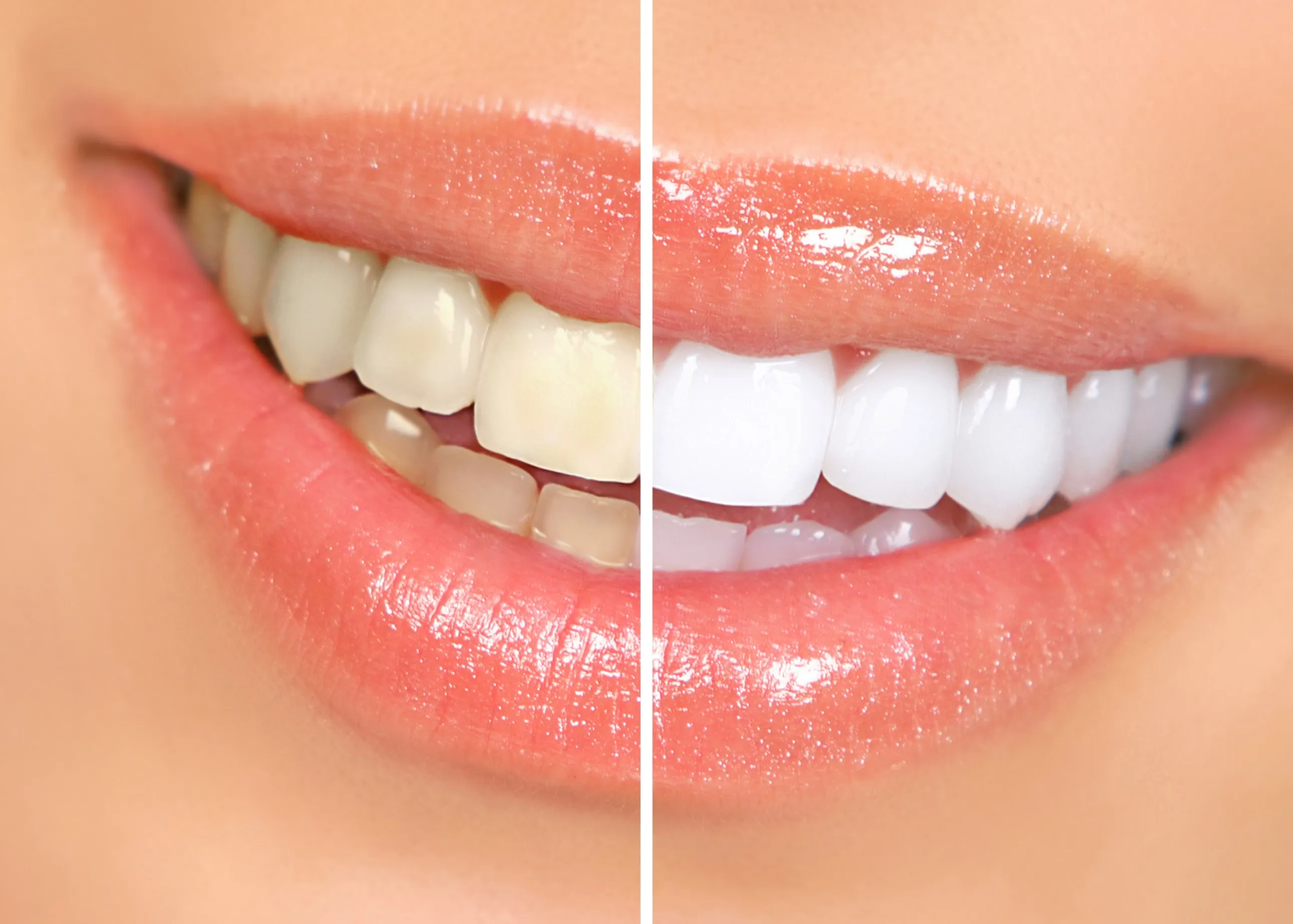
Understanding Teeth Whitening Strips
Teeth whitening strips have become a popular and accessible method for enhancing the brightness of your smile. Offering a convenient at-home solution, these strips are pre-coated with a whitening agent, typically hydrogen peroxide or carbamide peroxide. When used correctly, they can effectively lighten the shade of your teeth by removing stains and discoloration. However, to achieve the best results and avoid potential issues, it is crucial to understand how they work and how to use them properly. This comprehensive guide will walk you through everything you need to know about using teeth whitening strips for a dazzling, confident smile.
What Are Teeth Whitening Strips
Teeth whitening strips are thin, flexible strips made of polyethylene or similar plastic material, coated with a thin layer of a whitening agent. The most common whitening agents are hydrogen peroxide and carbamide peroxide, both of which work by oxidizing the stains on the enamel surface of your teeth. The strips are designed to adhere to the teeth, allowing the whitening agent to come into contact with the enamel for a specified duration. These strips are designed to be easily applied to the teeth and are typically used once or twice a day for a certain period, as directed by the product instructions. This allows for the gradual lightening of tooth color, providing a noticeable improvement in the brightness of your smile.
How Do Teeth Whitening Strips Work

The active ingredient in teeth whitening strips, either hydrogen peroxide or carbamide peroxide, penetrates the enamel and dentin of your teeth, where it breaks down into oxygen molecules. These oxygen molecules then react with the stain molecules, breaking them down and dispersing them. This process effectively lightens the appearance of stains from sources like coffee, tea, wine, and tobacco. The concentration of the whitening agent and the duration of application influence the degree of whitening achieved. Over time, consistent use of these strips can result in a significantly brighter and more aesthetically pleasing smile. This process is a gradual one, with noticeable improvements typically appearing within a few days or weeks of consistent use.
Choosing the Right Teeth Whitening Strips
With numerous teeth whitening strip products on the market, selecting the right one is crucial for achieving optimal results and minimizing potential risks. Factors like the concentration of the active ingredient, the duration of use, and your individual dental health all play important roles in the effectiveness and safety of the strips. Researching and comparing different brands, reading reviews, and potentially consulting your dentist can help you make an informed decision and choose a product that aligns with your specific needs and expectations. Always prioritize products from reputable brands and follow the instructions carefully to ensure a safe and effective teeth whitening experience.
Types of Teeth Whitening Strips
Teeth whitening strips vary in their formulation and features, catering to different needs and preferences. Some strips offer higher concentrations of the whitening agent, leading to faster results, while others have lower concentrations, ideal for those with sensitive teeth. There are also strips designed for specific purposes, such as targeting stubborn stains or providing a long-lasting whitening effect. Some brands offer strips with advanced adhesion technology to ensure a secure fit and consistent contact with the teeth. Others might incorporate additional ingredients to protect enamel or enhance the whitening process. Reviewing the different types available allows you to select the most suitable strips for your unique situation, helping you achieve the desired results while minimizing potential side effects.
Factors to Consider When Choosing Strips

When selecting teeth whitening strips, consider these factors: the concentration of the active ingredient (higher concentrations offer faster results but may increase sensitivity), the duration of treatment (shorter treatments can be less effective, while longer ones might cause irritation), and the brand’s reputation (choose reputable brands with positive reviews). If you have sensitive teeth, look for strips with lower concentrations or those specifically designed for sensitivity. Also, consider the fit and adhesion of the strips to ensure they stay in place and provide even coverage. Lastly, always check for any certifications or endorsements from dental professionals to ensure the product’s safety and efficacy. Consulting with your dentist can help you identify the best strips for your individual needs.
Step-by-Step Guide to Using Teeth Whitening Strips
Following the proper application steps is crucial for achieving the best results and avoiding potential issues. Understanding the recommended procedure and taking the time to follow each step carefully ensures that the whitening agent is effectively applied to your teeth, maximizing its impact. Before beginning, carefully read and understand the product’s instructions. It’s also advisable to consult with your dentist to discuss your suitability for teeth whitening and to receive personalized recommendations. A proper application technique is the cornerstone of successful teeth whitening.
Preparing Your Teeth
Before applying the strips, brush your teeth gently to remove any surface debris and plaque. Avoid using toothpaste with fluoride immediately before application, as it can interfere with the whitening process. Rinse your mouth with water to remove any remaining residue, and ensure your teeth are dry. This will allow the strips to adhere better and ensure that the whitening agent comes into direct contact with your enamel. Proper preparation enhances the effectiveness of the strips and helps to create a clean surface for optimal results. Brushing your teeth beforehand also removes any food particles that might interfere with the whitening agent.
Applying the Strips Correctly

Carefully peel the strips from the backing, ensuring that you handle them by the edges to avoid touching the whitening surface. Apply the longer strip to your upper teeth and the shorter strip to your lower teeth. Align the strips with your gumline and gently press them onto your teeth, smoothing out any air bubbles. Make sure that the entire surface of your teeth is covered for even whitening. Ensure the strips adhere firmly to your teeth. Proper application ensures that the whitening agent has maximum contact with your teeth’s enamel, facilitating effective stain removal. Follow the product’s specific instructions regarding the duration the strips need to be in place, generally ranging from 30 minutes to an hour.
Important Tips for Application
For the best application: avoid touching the strips to avoid residue. Ensure complete coverage of the teeth for even whitening. Position the strips correctly along the gum line. If the strips are not staying in place or feel uncomfortable, adjust them gently. If you experience excessive saliva, consider spitting it out, but avoid swallowing the whitening solution. Do not eat, drink, or smoke during the application period. These tips can help improve the effectiveness of the whitening treatment and ensure that the strips are applied correctly and comfortably.
Removing the Strips
After the recommended time, gently peel the strips from your teeth. Start from the back teeth and work your way forward. Dispose of the used strips immediately. Rinse your mouth with water to remove any remaining gel. Avoid swallowing the whitening solution. If you experience any sensitivity, rinse with cool water. This step is essential in ensuring you remove all remnants of the whitening product, preventing ingestion and reducing potential irritation. Inspect your teeth to check for any residue, and gently brush if needed. Proper removal helps to avoid discomfort and supports optimal oral hygiene.
Post-Application Care

Following the application, it’s important to rinse your mouth to remove any residual whitening agent. Brush your teeth gently, using a soft-bristled toothbrush and a toothpaste that is not abrasive. Avoid eating or drinking heavily colored foods and beverages for the next few hours, as your teeth may be more susceptible to staining. Using a desensitizing toothpaste can also help reduce any potential sensitivity. During this time, it is advisable to avoid smoking and using tobacco products. Proper post-application care helps to maintain the whitening results and minimizes any potential side effects.
Maximizing Results and Avoiding Side Effects
To achieve the best results with teeth whitening strips, while also minimizing potential side effects, following specific guidelines is essential. This involves adhering to the product instructions precisely, maintaining a consistent oral hygiene routine, and being aware of certain foods and drinks that can impact the whitening effect. Implementing these practices will help enhance the outcome of the teeth whitening process and ensure the health and longevity of your results. A holistic approach to teeth whitening enhances the impact and ensures the ongoing health of your smile.
Tips for Enhanced Whitening
To enhance the whitening effect, consider these tips: use the strips as directed, maintaining consistent application. Combine the use of whitening strips with other whitening toothpaste or mouthwash. Reduce or eliminate the consumption of stain-causing foods and beverages like coffee, tea, and red wine. Maintain excellent oral hygiene, including regular brushing and flossing. Schedule regular dental check-ups and cleanings. Consider professional teeth whitening treatments for more dramatic results. These practices, when combined with the use of teeth whitening strips, can significantly enhance the brightness of your teeth and maintain a beautiful, white smile.
Common Side Effects and Solutions

Teeth whitening strips can sometimes cause side effects, such as tooth sensitivity and gum irritation. If you experience sensitivity, use a desensitizing toothpaste containing potassium nitrate. Reduce the duration of strip application or use the strips less frequently. For gum irritation, avoid direct contact between the strips and your gums. Consult your dentist if the irritation persists. It is also crucial to follow the product’s instructions carefully to minimize potential issues. These measures can effectively manage side effects and allow you to continue the teeth whitening process without significant discomfort.
Maintaining Your White Smile
Maintaining your white smile requires consistent oral hygiene and a mindful approach to your dietary choices. Regular brushing, flossing, and dental check-ups are crucial for maintaining the results of teeth whitening. Furthermore, being conscious of the foods and beverages you consume and avoiding habits like smoking can help preserve your bright, white teeth. Making these practices a part of your daily routine will help you enjoy a confident, radiant smile for the long term.
Oral Hygiene Routine
A consistent oral hygiene routine is fundamental to maintaining a white smile. Brush your teeth at least twice a day for two minutes each time, using fluoride toothpaste. Floss daily to remove plaque and food particles from between your teeth. Rinse with an antibacterial mouthwash to help eliminate bacteria and freshen your breath. Schedule regular dental check-ups and professional cleanings every six months. This consistent approach to oral hygiene will help preserve your white smile and promote overall oral health.
Foods and Drinks to Avoid

Certain foods and drinks can stain your teeth and diminish the effects of teeth whitening. To maintain your white smile, limit or avoid consumption of these staining culprits: coffee, tea, red wine, dark sodas, and heavily pigmented foods such as berries, soy sauce, and curries. If you do consume these items, rinse your mouth with water afterward or brush your teeth. Avoiding or minimizing these stain-causing substances will play a crucial role in preserving the brightness of your teeth after using teeth whitening strips.