Teeth Whitening Strips What Are They?
Teeth whitening strips have become a popular and convenient method for enhancing the brightness of your smile. These thin, flexible strips are coated with a peroxide-based whitening agent, typically hydrogen peroxide or carbamide peroxide, and are designed to be applied directly to the surface of your teeth. They adhere to the teeth, ensuring close contact with the enamel, and work by breaking down the stains and discoloration that accumulate over time from food, drinks, and other habits. The strips are easy to use and can be found in most drugstores, making them an accessible option for many individuals seeking a brighter smile. The primary benefit is the ease of use and noticeable results that can often be achieved within a few weeks, providing a quick boost to your self-confidence and appearance.
How Do Whitening Strips Work?
The mechanism behind teeth whitening strips involves a chemical reaction driven by the active ingredients. Once the strip is placed on the teeth, the peroxide penetrates the enamel and dentin, the layers that make up the tooth structure. This process targets the organic molecules responsible for stains, breaking them down through oxidation. The breakdown of these molecules effectively lightens the tooth color. The peroxide works by reacting with the stain molecules, causing them to become colorless or less visible, resulting in a brighter overall appearance. The effectiveness of the strips depends on the concentration of the peroxide and the duration of application, with varying products offering different strengths and recommended usage times to achieve the desired level of whitening.
Whitening Strips Ingredients and Their Effects

The primary active ingredient in teeth whitening strips is usually hydrogen peroxide or carbamide peroxide. Hydrogen peroxide is a strong oxidizing agent that directly bleaches the teeth, while carbamide peroxide breaks down into hydrogen peroxide. The concentration of these ingredients can vary among different brands, with higher concentrations often yielding faster results but also increasing the potential for sensitivity. In addition to the active ingredients, whitening strips contain other components such as adhesives, stabilizers, and flavoring agents. These ingredients are designed to ensure the strip adheres to the teeth, maintain the peroxide’s stability, and provide a pleasant taste during use. Understanding the ingredients helps users make informed choices, considering both the whitening efficacy and the potential for side effects like sensitivity.
Can You Brush Teeth Immediately After Whitening Strips?
The short answer is no, it’s generally not advisable to brush your teeth immediately after using whitening strips. The enamel on your teeth becomes slightly softened after the whitening process due to the chemical reaction of the peroxide. Brushing right away can potentially cause abrasion, removing some of the enamel and leading to sensitivity. It can also interfere with the whitening process itself. The ideal situation is to wait, allowing the teeth to re-mineralize and the effects of the whitening strips to fully take hold. This delay ensures the best possible results and minimizes the risk of any damage or discomfort to your teeth. Following the manufacturer’s guidelines is essential for achieving the desired outcome while maintaining optimal oral health.
Why You Should Wait to Brush
Waiting to brush after using whitening strips is crucial for several reasons. Firstly, the whitening agents temporarily alter the tooth’s surface, making it more vulnerable to abrasion from brushing. Brushing immediately after application can remove some of the whitening agent, thus reducing its effectiveness. Secondly, the softened enamel is more susceptible to damage from abrasive toothpaste, potentially causing sensitivity and erosion over time. Allowing the enamel to re-harden and the whitening process to complete without interference maximizes the results. Following the recommended waiting period protects your teeth from potential harm while also optimizing the teeth whitening benefits. By giving your teeth the time they need to recover, you are prioritizing both appearance and dental health.
The Importance of Avoiding Tooth Sensitivity

Tooth sensitivity is a common side effect of teeth whitening treatments, and it is especially important to manage this side effect. Brushing immediately after using whitening strips can exacerbate sensitivity by further irritating the enamel. Waiting before brushing allows the teeth to re-mineralize, reducing the likelihood of discomfort. Using a toothpaste designed for sensitive teeth can also provide relief by creating a protective layer over the enamel. If sensitivity occurs, avoiding very hot or cold foods and drinks can also help manage discomfort. By taking these preventative measures, individuals can minimize sensitivity and enjoy the benefits of teeth whitening without undue pain or discomfort. Monitoring your teeth’s response and making the necessary adjustments contributes to a more pleasant and effective whitening experience.
How Long to Wait Before Brushing After Whitening Strips?
The general recommendation is to wait at least 30 minutes to an hour after using teeth whitening strips before brushing your teeth. This timeframe allows the whitening agents to fully work on the teeth and the enamel to re-harden. Following the product’s specific instructions is important, as some brands may provide different guidelines depending on the concentration of peroxide and the strip’s formulation. If any sensitivity is experienced, it might be beneficial to wait even longer before brushing. This waiting period is a crucial step in the whitening process and helps ensure that the treatment is both effective and gentle on your teeth. Always prioritize your oral health and comfort by adhering to the recommended timelines provided by the product manufacturer or your dentist.
Recommended Waiting Time
The ideal waiting time before brushing after using teeth whitening strips varies depending on individual factors and the specific product. In most cases, a 30-minute to 1-hour wait is recommended to allow the whitening agents to work without interference. However, if you experience increased sensitivity, waiting longer might be beneficial. If you’re unsure, always refer to the product instructions for their recommended waiting time, as these are often based on the product’s specific formulation and intended effectiveness. Always prioritize the manufacturer’s instructions and your own comfort when determining how long to wait. Consult your dentist if you have any concerns about your teeth’s sensitivity or the whitening process to receive personalized guidance.
Factors Influencing the Waiting Time

Several factors can influence how long you should wait before brushing after using whitening strips. The concentration of the active ingredient, typically hydrogen peroxide or carbamide peroxide, is a major factor, as higher concentrations may require a longer waiting time. The specific formulation of the whitening strips also plays a role, with some products designed to be gentler on the teeth. Individual tooth sensitivity is also a significant factor, as those with sensitive teeth may need to wait longer to avoid discomfort. Additionally, the enamel’s condition influences waiting time. Damaged or thin enamel might require a more extended waiting period to reduce the risk of abrasion. It is important to consider these factors and make adjustments to your brushing schedule as needed to maintain optimal oral health and ensure the effectiveness of your whitening treatment.
Proper Brushing Technique After Whitening Strips
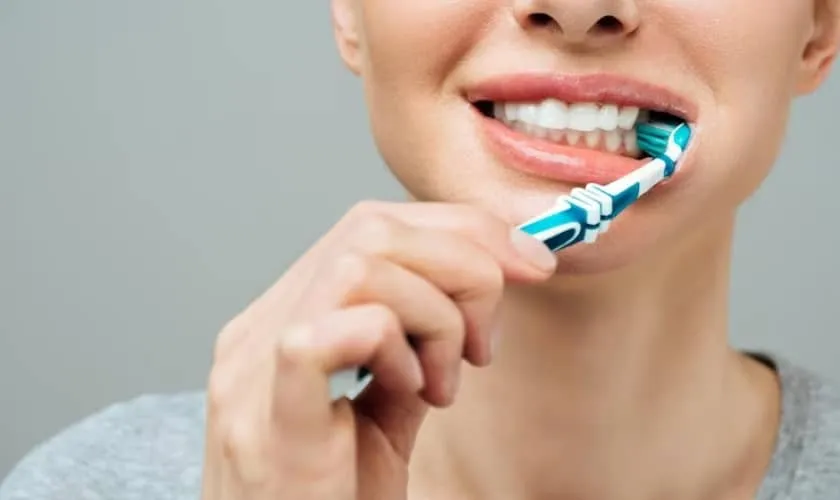
When you do brush after the recommended waiting period, it’s essential to use a gentle brushing technique. Use a soft-bristled toothbrush to minimize abrasion on the enamel, and avoid applying too much pressure. Brush in a circular or gentle back-and-forth motion, ensuring that all surfaces of your teeth are cleaned without causing excessive wear. Brushing thoroughly without being overly aggressive helps to remove plaque and debris without compromising the whitening results or causing sensitivity. Make sure you’re not brushing too hard. This technique helps protect your enamel and gums, providing a comfortable and effective oral hygiene routine. Remember, the goal is to clean your teeth while also preserving the benefits of your whitening treatment.
Best Practices for Brushing After Whitening
In addition to waiting and using proper brushing techniques, some other best practices can optimize your oral hygiene routine after using whitening strips. Rinse your mouth thoroughly with water after using the strips and before brushing. Avoid using mouthwashes containing alcohol immediately after whitening, as alcohol can irritate the teeth. Floss regularly to remove any food particles and plaque between your teeth, but be careful not to brush too aggressively. Consider using a fluoride-containing toothpaste to help strengthen your enamel and reduce sensitivity. These practices, combined with a sensible brushing routine, will help keep your teeth healthy and your smile radiant. Maintaining a holistic approach to oral hygiene is key to achieving the best and longest-lasting results from teeth whitening treatments.
Toothpaste Selection for Whitening Strips

Choosing the right toothpaste is crucial after using teeth whitening strips. Opt for a toothpaste that is specifically designed for sensitive teeth, as these formulations typically contain ingredients that soothe and protect the enamel. Look for toothpaste with low abrasivity and fluoride to remineralize the teeth. Avoid using whitening toothpastes immediately after using strips, as they might contain abrasive particles that could interfere with the whitening process. A non-abrasive, fluoride toothpaste is best for gently cleaning your teeth without removing the whitening agent or increasing sensitivity. When in doubt, consult with your dentist or dental hygienist for recommendations on the best toothpaste for your specific needs, ensuring you choose a product that supports your whitening efforts and promotes overall oral health.
Maintaining Your Whitened Smile
To maintain a bright, white smile after using whitening strips, several habits are essential. Avoid foods and beverages that stain teeth, such as coffee, tea, red wine, and dark berries. If you consume these items, brush your teeth afterward or rinse your mouth with water to minimize staining. Practice good oral hygiene by brushing your teeth twice a day, flossing daily, and visiting your dentist for regular checkups and cleanings. Consider using a whitening toothpaste or mouthwash for maintenance, but always follow the product instructions and consult with your dentist. Regular dental checkups allow your dentist to monitor the condition of your teeth and provide professional cleanings, which can help maintain your smile’s brightness and overall health. Consistent care and attention will help you keep your teeth looking their best.
Tips for Long-lasting Whitening Results
For long-lasting whitening results, it is essential to adopt a comprehensive approach to oral care. Reduce your intake of stain-causing foods and drinks and practice meticulous oral hygiene, including regular brushing and flossing. Use a straw when drinking staining beverages to minimize contact with your teeth. Consider occasional touch-up treatments with whitening strips or other products as needed to maintain your desired level of brightness. Avoid smoking and tobacco use, as these habits can severely stain your teeth. Regularly visit your dentist for professional cleanings and checkups to ensure your teeth and gums remain healthy, allowing your smile to stay bright and beautiful. By adhering to these tips, you can enjoy the benefits of your teeth whitening treatment for an extended period.