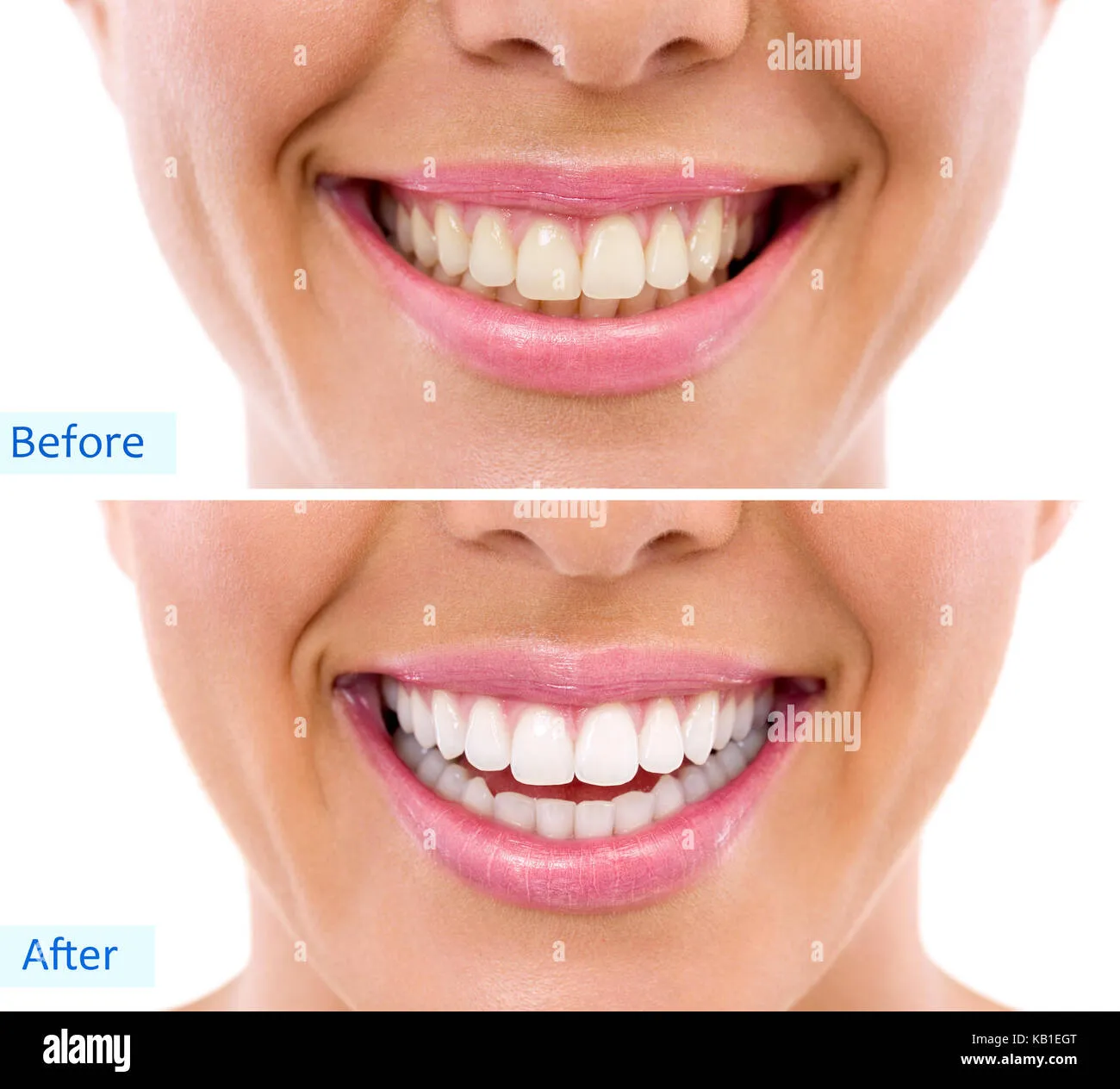
Understanding Your Teeth Whitening Results
Undergoing teeth whitening is a significant step toward achieving a brighter, more confident smile. However, understanding what to expect after the procedure is crucial for maximizing your results and ensuring long-term satisfaction. The initial outcome is often a noticeable improvement in the shade of your teeth, but this is just the beginning of your journey. Proper care and maintenance are essential to preserve and extend the whitening effects. Knowing how to manage potential side effects and adopting healthy habits will make a world of difference in maintaining that dazzling smile you’ve worked so hard to achieve. It’s also important to understand that results vary based on individual factors like the initial shade of your teeth, the type of whitening treatment used, and your lifestyle habits.
Immediate Post-Whitening Care
Immediately following your teeth whitening treatment, your teeth will be more susceptible to staining. This is because the pores in your enamel are temporarily opened, allowing pigments from food and drinks to easily penetrate. It’s critical to be extra vigilant during this period, usually the first 24 to 48 hours. Avoiding specific foods and drinks is paramount. Following your dentist’s instructions and being proactive in your care will help you avoid any setback to your whitening procedure. This phase is a crucial step in ensuring the longevity of your bright, white smile, so pay close attention to the guidelines provided by your dental professional to enhance the procedure results.
Managing Sensitivity

Teeth sensitivity is a common side effect after teeth whitening. You might experience a temporary increase in sensitivity to hot or cold temperatures. This is typically due to the bleaching agents affecting the enamel and the nerves within your teeth. This discomfort usually subsides within a few days. To manage this, use a toothpaste designed for sensitive teeth, which contains ingredients like potassium nitrate to help soothe the nerves. Avoid extremely hot or cold foods and drinks. Over-the-counter pain relievers can also provide relief. If sensitivity persists or becomes severe, contact your dentist. They might recommend fluoride treatments or other solutions to alleviate the discomfort and ensure your comfort post-whitening.
Dietary Restrictions After Whitening
One of the most critical aspects of post-whitening care is adhering to dietary restrictions. Your teeth are more vulnerable to staining immediately after the procedure, so avoiding certain foods and drinks is essential to prevent discoloration. The foods and beverages you consume can significantly impact the longevity of your whitening results. Staining agents can easily penetrate the enamel during this period, undoing the effects of the whitening treatment. Making smart choices about your diet is the best way to safeguard your investment and keep your smile looking bright. Sticking to a ‘white diet’ for the first few days is a frequently recommended strategy to ensure optimal outcomes, and you should follow the advice of your dentist.
Foods to Avoid
Foods that are highly pigmented can stain your teeth easily. Avoid these foods during the initial post-whitening period: berries (blueberries, raspberries, blackberries), soy sauce, balsamic vinegar, tomato-based sauces, curries, and dark chocolate. These foods contain strong pigments that can be easily absorbed by your teeth, leading to discoloration. Stick to a diet of white or lightly colored foods for the first 24-48 hours after your treatment. This includes options like white rice, pasta, plain chicken or fish, and white bread. These foods will minimize the risk of staining and allow your teeth to remain bright. Following this dietary guideline will greatly help in preserving your radiant smile.
Drinks to Avoid

Drinks can be just as detrimental as foods when it comes to staining. Avoid the following drinks immediately after your teeth whitening treatment: coffee, tea, red wine, dark sodas, and fruit juices. These drinks are known for their high pigment content and can quickly stain your teeth. Drinking through a straw can help minimize contact with your teeth. The best choices are clear beverages like water, clear soda (such as Sprite or 7-Up), and milk. Staying hydrated with water not only keeps your mouth clean, but it can also help flush away any staining agents. Being mindful of your beverage choices is another easy way to protect your newly whitened teeth and maintain a bright, healthy smile for longer.
Long-Term Maintenance for a Bright Smile
Maintaining your bright, white smile requires consistent effort and good oral hygiene practices. While the initial results of teeth whitening are often impressive, the true test is how well you can maintain those results over time. Your daily habits and lifestyle choices play a huge role in preventing discoloration and preserving the aesthetic improvements. Regular brushing, flossing, and dental check-ups are the foundation of long-term maintenance. A few simple adjustments to your routine will make a huge difference in your efforts to protect your investment in teeth whitening and will help keep your smile looking its best for years to come.
Daily Oral Hygiene Routine
Establishing a robust daily oral hygiene routine is fundamental to long-term maintenance. This routine should include brushing your teeth at least twice a day, preferably after meals, and flossing at least once a day. Brushing removes plaque and surface stains, while flossing removes food particles and bacteria from between your teeth and along the gumline, where a toothbrush can’t reach. Using a soft-bristled toothbrush is recommended to prevent enamel abrasion. Make sure that your brushing technique is thorough but gentle, as aggressive brushing can wear down your enamel over time. Pairing a good brushing routine with flossing, will help keep your teeth clean and your smile bright.
Brushing and Flossing Techniques

Proper brushing and flossing techniques are critical to your daily routine. When brushing, hold your toothbrush at a 45-degree angle to your gum line and use gentle, circular motions. Cover all surfaces of your teeth, including the front, back, and chewing surfaces. Be sure to spend about two minutes brushing, which is the dentist-recommended duration. When flossing, use a clean section of floss for each tooth. Gently guide the floss between your teeth, and curve it around each tooth in a ‘C’ shape to remove plaque and debris. Don’t be too aggressive. If flossing is uncomfortable, try using a floss holder or water flosser to improve your technique. Proper brushing and flossing will help prevent staining and keep your teeth and gums healthy.
Using Whitening Toothpaste
Whitening toothpaste can be a valuable addition to your oral hygiene routine, as they help remove surface stains and maintain the brightness of your teeth. These toothpastes typically contain mild abrasives and chemicals that help to polish your teeth and lift stains. However, it’s important to use whitening toothpaste with caution. Some whitening toothpastes can be too abrasive if used excessively, which can wear down the enamel over time. To avoid any dental problems, look for toothpastes with low abrasivity, and alternate them with regular toothpaste. Make sure to follow the instructions on the toothpaste packaging. If you notice any sensitivity or changes in your teeth, consult your dentist.
Professional Teeth Cleaning
Regular professional teeth cleaning is a key component in maintaining a bright smile. Your dentist or dental hygienist can remove plaque, tartar, and surface stains that your daily brushing and flossing might miss. Professional cleaning also involves polishing your teeth, which further enhances their brightness. Dentists can apply fluoride treatments to strengthen your enamel and reduce sensitivity. The frequency of these cleanings is typically every six months, but your dentist may recommend more frequent visits depending on your oral health needs. Regular check-ups allow the dentist to catch potential problems early and can include recommendations for specific products. By combining regular cleaning with good home care, you will be able to maintain the results of your teeth whitening and protect your overall oral health.
Addressing Staining and Discoloration

Even with the best care, your teeth may experience some discoloration over time. Understanding the causes of staining and knowing how to address them is essential for maintaining a bright, white smile. Surface stains, which are caused by food and drinks, are usually easy to manage through regular brushing and professional cleaning. Deeper stains, or intrinsic stains, may require additional treatments. Being proactive in addressing any changes in the appearance of your teeth will give you an advantage to keep your smile looking its best and maintaining your confidence. If you notice any changes, such as dark spots, visit your dentist for assessment.
Common Causes of Tooth Discoloration
Tooth discoloration can stem from a variety of factors. Food and drinks that contain strong pigments, such as coffee, tea, red wine, and berries, are major contributors to surface stains. Smoking and tobacco use can cause significant staining and yellowing of the teeth. Aging naturally leads to some yellowing as the enamel thins. Certain medications, such as tetracycline antibiotics, can cause discoloration, especially if taken during tooth development. Trauma to the teeth can also cause internal discoloration. Genetic factors also play a role, with some individuals being more prone to staining than others. Recognizing the underlying causes of discoloration will help you to develop an effective strategy to combat it.
Effective Stain Removal Strategies
There are various methods to remove stains and restore the brightness of your teeth. Regular brushing and flossing are essential for removing surface stains. Whitening toothpaste can help remove surface stains, but use them carefully to avoid abrasion. Professional teeth cleaning and polishing by a dentist or hygienist are highly effective in removing surface stains and improving the overall appearance of your teeth. In-office teeth whitening treatments can address more stubborn stains and provide dramatic results. For more severe or internal stains, your dentist may recommend procedures like veneers or dental bonding to achieve a whiter smile. When dealing with any of these strategies, consult with your dentist.
Tips for Maximizing Results & Longevity

Maximizing the results of your teeth whitening and extending its longevity involves a comprehensive approach to your oral care. This includes making smart choices about your diet, adhering to a consistent oral hygiene routine, and seeking professional care. By being proactive and taking the time to care for your teeth, you will be able to enjoy a brighter, more confident smile. Remember that consistency is key, and even small changes in your habits can have a big impact. By implementing these strategies, you can maintain your white smile for a long time.
Realistic Expectations
It’s important to have realistic expectations about teeth whitening. The results can vary from person to person, and not everyone will achieve the same level of whiteness. Your natural tooth color, the type of stains you have, and the whitening method used all impact the outcome. Teeth whitening is an effective way to improve your smile, but it might not produce a perfectly white or uniform appearance. It’s important to discuss your expectations with your dentist before undergoing any treatment. Setting realistic goals and being prepared for the possibility of needing touch-ups or additional treatments will make sure you are satisfied with your outcomes and your smile.
Consulting Your Dentist
Consulting with your dentist is a crucial step in your teeth whitening journey. Your dentist can assess your oral health, determine the appropriate whitening method for your needs, and provide professional advice. They can also address any underlying dental issues that might impact the results. They will evaluate your current dental health and advise on the best whitening options. Your dentist can also perform professional whitening treatments or recommend safe and effective at-home products. During these consultations, they will offer you all the information and advice, as well as address any concerns. They will help you develop a personalized maintenance plan to ensure the lasting success of your procedure.
Evaluating Different Whitening Options

When considering teeth whitening, you’ll find various options available, each with its own benefits and considerations. Understanding the different methods can help you make an informed decision that aligns with your needs and preferences. These options range from over-the-counter products to professional in-office treatments. Assessing each option involves considering factors such as effectiveness, cost, convenience, and potential side effects. By carefully evaluating these options, you can choose the best path to a brighter smile.
Teeth whitening is a fantastic way to brighten your smile and boost your confidence. However, the results are greatly influenced by how well you take care of your teeth after the procedure. By following the advice provided by your dentist, adhering to dietary restrictions, and maintaining a robust oral hygiene routine, you can enjoy a bright, healthy smile for years to come. Remember, consistency and proactive care are key to achieving and maintaining those dazzling results. With the right approach, you can keep that bright, confident smile shining!