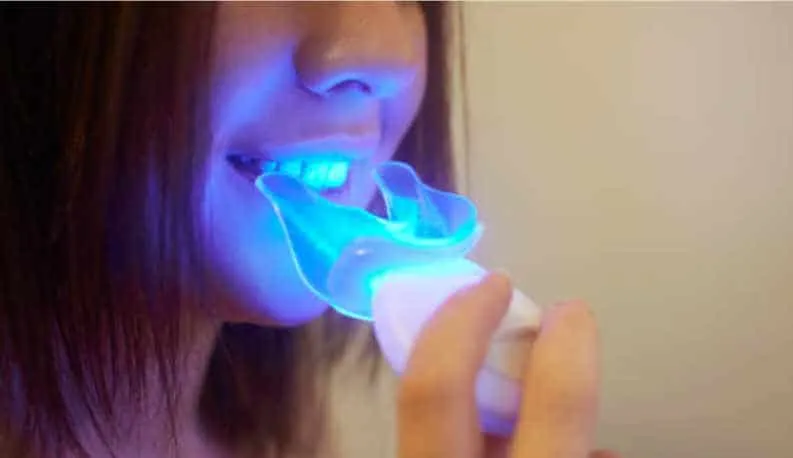
What are Teeth Whitening Lights?
Teeth whitening lights are a popular at-home dental treatment designed to brighten the appearance of your teeth. These devices typically consist of a light source, often LED or laser, and a tray or mouthpiece that fits over your teeth. They are designed to be used in conjunction with a bleaching agent, such as a hydrogen peroxide or carbamide peroxide gel. The light is intended to accelerate the whitening process, enhancing the effect of the bleaching agent and potentially leading to quicker and more noticeable results. The goal is to provide a convenient and relatively affordable way to achieve a brighter, more confident smile from the comfort of your own home. Understanding the components and purpose is the first step to assessing their effectiveness.
How Teeth Whitening Lights Work
The mechanism behind teeth whitening lights involves a chemical reaction. The bleaching agent, which is the active ingredient in most whitening products, breaks down stains and discoloration on the enamel surface of your teeth. The light emitted by these devices acts as a catalyst, speeding up this process. The light’s energy helps to activate the peroxide, making it more effective at penetrating the enamel and breaking down the stain molecules. This process is commonly referred to as photo-oxidation. The light does not directly whiten the teeth; instead, it enhances the bleaching agent’s performance. The efficiency of the system often depends on the light’s intensity, the bleaching agent’s concentration, and the duration of the treatment.
Types of Teeth Whitening Lights

There are two main types of teeth whitening lights commonly available LED and laser. Both types aim to boost the whitening process. Each uses different technology to deliver the light energy. Understanding these differences can help you choose the option that best suits your needs and preferences. The choice often depends on factors like cost, convenience, and the level of whitening you want to achieve. Choosing the right type can have a significant impact on the overall experience and effectiveness of the treatment.
LED Teeth Whitening Lights
LED (Light Emitting Diode) teeth whitening lights are the most common type available for home use. They are popular due to their affordability and ease of use. LED lights emit blue light, which is believed to activate the bleaching agent. The technology is energy-efficient and produces minimal heat. LED lights are generally safe and easy to operate, often coming with a mouthpiece that fits over the teeth and a timer to ensure consistent treatment. They are considered a good starting point for those new to teeth whitening and are usually paired with gels containing a lower concentration of hydrogen peroxide, making them suitable for regular use. The overall effectiveness of LED lights can vary, depending on the specific product and individual tooth staining.
Laser Teeth Whitening Lights
Laser teeth whitening lights are typically used in professional dental settings. Lasers offer a more intense light source compared to LEDs, and the procedure is often performed by a dentist or dental professional. The higher intensity of the laser can accelerate the whitening process, potentially leading to faster and more dramatic results. Laser whitening often involves stronger bleaching agents, which require precise application and monitoring to avoid any risks. Due to the higher risk, laser treatments are not typically available for at-home use. The control and expertise offered by a dental professional make this an effective, albeit more expensive, option for significantly brightening your smile. Safety protocols are strict to protect the patient’s gums and soft tissues during the procedure.
Effectiveness of Teeth Whitening Lights
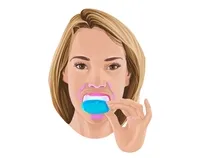
The effectiveness of teeth whitening lights is a subject of debate. While they can potentially enhance the whitening process, their impact varies. Clinical studies on the effectiveness of at-home teeth whitening lights show mixed results. Some studies indicate that they can slightly improve whitening compared to using the bleaching agent alone. Factors such as the specific product, the intensity of the light, and the individual’s tooth structure and stain type play a significant role. The results achieved often depend on how well the user follows the instructions and the consistency of use. It is essential to manage expectations, as results are not always as dramatic as those seen with professional treatments. Some people experience noticeable improvements, while others see minimal changes.
Factors Influencing Effectiveness
Several factors can influence the effectiveness of teeth whitening lights. The type and severity of tooth stains are crucial. Extrinsic stains, which are on the surface and caused by coffee, tea, or smoking, tend to respond better to whitening treatments than intrinsic stains, which are inside the tooth structure. The concentration of the bleaching agent is also important. Products with higher concentrations of hydrogen or carbamide peroxide may lead to more significant results but also increase the risk of sensitivity. The duration and frequency of use as per the product’s instructions are critical. Overuse can lead to sensitivity, while underuse may not produce noticeable results. Individual tooth characteristics, like enamel thickness and porosity, vary and can affect how well the teeth respond to the treatment.
How to Use Teeth Whitening Lights Safely
To use teeth whitening lights safely, always follow the manufacturer’s instructions. Start by brushing and flossing your teeth. Apply the whitening gel evenly to the teeth, ensuring that the gel does not come into contact with the gums, as this can cause irritation. Insert the mouthpiece with the light into your mouth and turn it on. Use the timer provided with the device, and avoid exceeding the recommended treatment duration. After the treatment, remove the mouthpiece, rinse your mouth thoroughly, and clean the device. Before starting, consult with your dentist, especially if you have sensitive teeth or pre-existing dental issues. Regular dental check-ups are also recommended to monitor your oral health and address any concerns promptly. Proper usage and adherence to guidelines are crucial for minimizing risks and maximizing benefits.
Potential Risks and Side Effects

While teeth whitening lights are generally safe when used as directed, some potential risks and side effects exist. The most common side effect is tooth sensitivity, which may range from mild to moderate. Sensitivity typically subsides after the treatment is completed. Gum irritation or inflammation can occur if the bleaching agent comes into contact with the gums. This can cause redness and discomfort. In rare cases, improper use of whitening products can lead to chemical burns. Ensure you avoid swallowing the gel. If you experience severe sensitivity or any other adverse reactions, stop using the product and consult your dentist immediately. Knowing the potential side effects can help in making informed decisions and taking necessary precautions.
Benefits of Teeth Whitening Lights
Teeth whitening lights offer several benefits, including the potential for a brighter smile. They provide a convenient and relatively affordable way to whiten teeth at home. The ability to whiten teeth from the comfort of your home can save time and money compared to professional treatments. The process is typically straightforward and easy to integrate into your daily routine. These devices can boost self-confidence by improving the appearance of your smile. They are often a good option for people who want to achieve noticeable results without the higher cost or time commitment of dental procedures. Regular use, according to the instructions, can help maintain a brighter smile and improve overall oral hygiene habits.
Alternatives to Teeth Whitening Lights
There are several alternatives to teeth whitening lights, each with its own advantages and disadvantages. These alternatives cater to varying needs and preferences. Choosing the right option depends on factors like the desired level of whitening, budget, and convenience. Considering these different choices can help you find the best approach for achieving a brighter smile. Explore different methods to see which one fits your needs and lifestyle. Alternatives include: Professional teeth whitening, At-home whitening strips and Whitening toothpaste.
Professional Teeth Whitening

Professional teeth whitening, performed by a dentist, is a highly effective option. This method uses stronger bleaching agents and specialized techniques to achieve significant and immediate results. It is conducted in a controlled environment, minimizing the risk of gum irritation or sensitivity. The dentist can also address any underlying dental issues before whitening. Professional treatments are generally more expensive than at-home options but offer a more dramatic and lasting effect. Regular check-ups and follow-up care are essential for maintaining the results. Professional whitening can significantly improve your smile’s appearance and boost your confidence. Discussing this option with your dentist can help you understand the benefits and the best treatment plan for your specific needs.
At-Home Whitening Strips
At-home whitening strips are a popular and accessible alternative. These strips contain a thin layer of bleaching agent and are applied directly to the teeth. They are easy to use and generally more affordable than professional treatments. Whitening strips are a convenient option for gradual whitening and can be incorporated into your daily routine. The effectiveness of whitening strips varies depending on the product and the individual’s tooth characteristics. For consistent results, following the instructions and using the strips regularly is crucial. While they may not provide the same dramatic results as professional whitening, they can still make a noticeable difference and improve the overall appearance of your smile. Consider the ease of use and the cost-effectiveness when making your choice.
Maintaining Your Results
Maintaining the results of teeth whitening requires consistent oral hygiene and lifestyle adjustments. After whitening, it is important to practice good oral hygiene habits to prevent future staining. Brushing your teeth at least twice a day with fluoride toothpaste is essential. Flossing daily helps remove plaque and food particles from between your teeth. Regular dental check-ups and cleanings are vital for professional maintenance. Additionally, avoiding or limiting the consumption of stain-causing foods and drinks, such as coffee, tea, red wine, and dark berries, can help preserve the whiteness of your teeth. Using a straw when drinking these beverages can also reduce staining. By combining these methods, you can extend the longevity of your brighter smile.
Oral Hygiene

Proper oral hygiene is fundamental to both achieving and maintaining a bright smile. This involves more than just brushing your teeth. Regular and thorough brushing is the first line of defense against staining and discoloration. Flossing daily removes plaque and food particles from areas that your toothbrush cannot reach, preventing the build-up of stains. Using an antibacterial mouthwash can further reduce bacteria and prevent staining. Consistent oral hygiene practices not only keep your teeth white but also promote overall oral health. Following these habits ensures that your teeth remain healthy and your smile bright for longer.
Dietary Considerations
Dietary choices play a significant role in maintaining the results of teeth whitening. Certain foods and beverages are known to stain teeth, so limiting their consumption can help prevent discoloration. Coffee, tea, red wine, and dark berries are common culprits. If you consume these items, try to do so in moderation. Rinsing your mouth with water after consuming stain-causing foods and beverages can also help to minimize their impact. Additionally, eating a diet rich in fruits, vegetables, and dairy products supports overall oral health. Crunchy fruits and vegetables, like apples and celery, can help scrub away surface stains. Proper dietary habits are integral to keeping your teeth white and healthy. Being mindful of what you eat and drink contributes significantly to maintaining a bright smile.