What is Laser Teeth Whitening (and How Does it Work?)
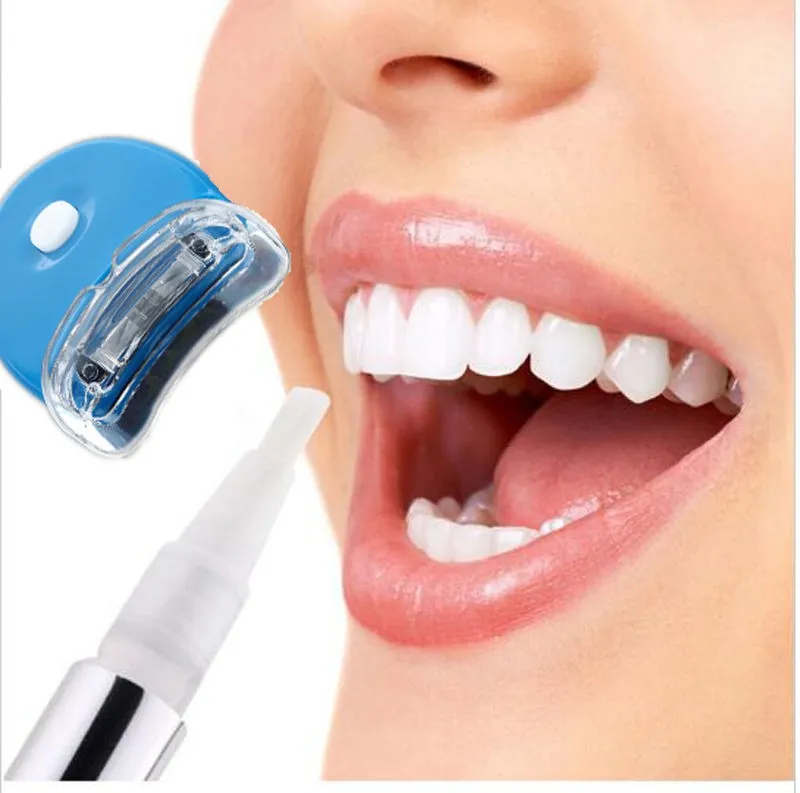
Laser teeth whitening, also known as power whitening, is a cosmetic dental procedure designed to lighten the shade of your teeth. This process typically involves the application of a bleaching agent, usually hydrogen peroxide, to the surface of the teeth, followed by the use of a laser light to accelerate the whitening process. The laser light activates the whitening agent, breaking down stains and discoloration that have accumulated over time. This method is often preferred because it can produce noticeable results in a single session, making it a popular choice for those seeking a quick and effective teeth whitening solution. The procedure is generally performed in a dental office by trained professionals to ensure safety and effectiveness.
The Science Behind Laser Teeth Whitening
The science behind laser teeth whitening involves the interaction of light, specifically a laser, with a bleaching agent to remove stains and discoloration from the teeth. The bleaching agent, often a high-concentration hydrogen peroxide gel, is applied to the enamel surface. The laser light then acts as a catalyst, accelerating the chemical reaction. This process allows the bleaching agent to penetrate the enamel more effectively, breaking down the organic compounds that cause staining. These compounds are often the result of dietary factors, such as coffee, tea, and red wine, as well as the natural aging process. The light energy from the laser increases the activity of the whitening agent, leading to quicker and more significant whitening results compared to methods without light activation.
The Laser Whitening Process Step by Step

The laser teeth whitening process is carefully executed to ensure both effectiveness and patient comfort. The first step involves a thorough examination of the teeth and gums to determine the suitability of the procedure. The dentist will then clean the teeth to remove any plaque or debris. A protective barrier, such as a rubber dam or cheek retractors, is placed to isolate the teeth and protect the gums from the bleaching agent. The whitening gel is applied to the teeth, and the laser light is directed at the treated area. The process is usually repeated in intervals, and the entire procedure can take up to an hour. After the treatment, the dentist will provide aftercare instructions to help maintain the results. The patient can expect to see a significant improvement in the brightness of their teeth immediately following the procedure.
Fact 1 Effectiveness of Laser Teeth Whitening
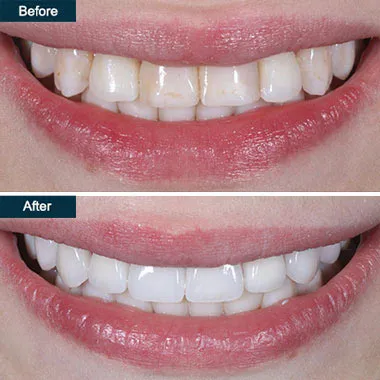
One of the primary reasons for the popularity of laser teeth whitening is its effectiveness. This method can deliver dramatic results, often lightening teeth by several shades in a single session. The laser technology enhances the bleaching process, breaking down stains and discoloration more effectively than some other methods. The results can vary depending on the individual’s initial tooth shade, the type of staining, and the overall health of the teeth. However, many patients experience a significant improvement in the appearance of their smile. This makes laser teeth whitening a highly sought-after cosmetic procedure for those looking to quickly enhance their appearance. Professional supervision by dentists is also a critical factor in this procedure’s effectiveness, ensuring optimal results and minimal risk.
How Quickly Can You See Results?
The speed at which you can see results from laser teeth whitening is one of its most appealing aspects. Unlike some other whitening methods that require multiple sessions or weeks to show significant changes, laser whitening typically provides immediate results. Many patients notice a visible difference in the brightness of their teeth right after the procedure. The duration of the session is usually between 60 to 90 minutes, and the effects can last for several months to a year, depending on lifestyle habits and aftercare. This rapid transformation makes laser teeth whitening an excellent choice for those who want to improve their smile before an important event or simply desire a quick cosmetic enhancement. The immediate impact often boosts the patient’s confidence and satisfaction.
Fact 2 Benefits of Laser Teeth Whitening

Laser teeth whitening offers several benefits beyond just a brighter smile. The most immediate advantage is the speed and efficiency of the treatment. It provides a quick solution for those who want to improve their teeth’s appearance without a long-term commitment. The procedure is typically performed under professional dental supervision, ensuring safety and proper care. Laser whitening can also be customized based on the individual’s needs and the level of whitening desired. Another important benefit is the impact on self-esteem and confidence. A whiter smile can make individuals feel more attractive and self-assured. Overall, the combination of rapid results, professional care, and enhanced self-esteem makes laser teeth whitening a popular choice for those seeking cosmetic dental procedures.
Enhanced Confidence and Self-Esteem
One of the significant benefits of laser teeth whitening is the enhancement of confidence and self-esteem. A brighter, whiter smile can drastically improve how a person feels about their appearance. People often feel more comfortable smiling, laughing, and interacting with others when they are happy with their teeth. This increased confidence can positively impact various aspects of life, from personal relationships to professional success. A confident smile makes a person appear more approachable, friendly, and competent. Moreover, the quick and visible results of laser teeth whitening provide an immediate boost in self-esteem, contributing to an overall sense of well-being. The transformative effect on a person’s smile can be truly life-changing, positively influencing their social and professional interactions.
Fact 3 Risks and Side Effects to Consider
While laser teeth whitening is generally considered safe, there are potential risks and side effects that patients should be aware of. The most common side effects are tooth sensitivity and gum irritation. Sensitivity can occur due to the bleaching agent penetrating the enamel, causing temporary discomfort. Gum irritation may result from the bleaching agent coming into contact with the soft tissues of the mouth. In some cases, patients may experience mild inflammation or soreness. It is important to discuss these potential side effects with the dentist before undergoing the procedure. Dentists take precautions, like applying protective barriers to the gums, to minimize the risks. Patients can also manage sensitivity by using desensitizing toothpaste before and after the treatment.
Tooth Sensitivity and Gum Irritation
Tooth sensitivity and gum irritation are the most frequently reported side effects of laser teeth whitening. Tooth sensitivity typically occurs because the bleaching agent can temporarily affect the tooth enamel, making the teeth more sensitive to temperature changes or pressure. This sensitivity usually subsides within a few days after the procedure. Gum irritation can manifest as redness, swelling, or discomfort around the gumline. This happens when the bleaching agent comes into contact with the gum tissue, even with protective measures. Dentists try to prevent and minimize these side effects. Using a protective barrier and careful application of the bleaching agent are standard practices. Patients can also manage any sensitivity with desensitizing toothpaste and by avoiding very hot or cold foods and drinks immediately after the treatment.
Fact 4 Cost of Laser Teeth Whitening Treatments
The cost of laser teeth whitening treatments varies depending on several factors. These include the location of the dental practice, the experience of the dentist, the specific technology used, and the extent of the whitening needed. On average, the cost can range from several hundred to over a thousand dollars for a single treatment session. Professional teeth whitening is generally more expensive than over-the-counter options, but it offers superior results and professional supervision. The investment is often considered worthwhile by those seeking a significant improvement in the brightness of their teeth. Before undergoing the procedure, it is important to consult with the dentist to get a clear understanding of the total cost and any potential additional expenses.
Factors Influencing the Price
Several factors influence the price of laser teeth whitening treatments. The geographic location of the dental practice is a significant factor, with prices often higher in metropolitan areas. The reputation and experience of the dentist can also affect the cost, as more experienced professionals may charge higher fees. The technology and equipment used, including the type of laser and bleaching agents, can also impact the price. The initial condition of the teeth and the desired level of whitening will affect the treatment cost. If a patient requires multiple sessions or additional preparatory work, such as cleaning, the total cost will increase. Comparing quotes from multiple dental practices and understanding the specific services included in the price is essential before making a decision.
Fact 5 Maintaining Your White Smile

Maintaining the results of laser teeth whitening requires a combination of good oral hygiene practices and lifestyle adjustments. After the treatment, it is important to avoid foods and drinks that can stain the teeth, such as coffee, tea, red wine, and dark-colored berries. Brushing and flossing regularly, twice a day, help remove surface stains and prevent the build-up of plaque. Regular dental check-ups and professional cleanings are also vital to maintain the whiteness of the teeth. The use of whitening toothpaste and mouthwash can help prolong the effects of the treatment. Avoiding smoking and using tobacco products is crucial, as these can significantly discolor teeth. Proper care and maintenance will ensure the longevity of the whitening results.
Best Practices for Long-Term Results
To ensure the long-term results of laser teeth whitening, it is important to adopt several best practices. Regular dental check-ups and professional cleanings are essential for removing plaque and surface stains. Daily brushing and flossing help to maintain oral health. Using a whitening toothpaste and mouthwash can help remove new stains. Avoiding or limiting the consumption of staining foods and drinks, such as coffee, tea, red wine, and dark-colored berries, is crucial. If these items are consumed, rinsing the mouth with water immediately afterward can help minimize their impact. Avoiding smoking and using tobacco products, which can significantly discolor teeth, is also critical. By consistently following these practices, patients can enjoy their brighter smiles for an extended period.
Conclusion on Laser Teeth Whitening Reviews
Laser teeth whitening is an effective cosmetic procedure that can dramatically improve the appearance of your smile. The procedure is often praised for its quick results and its ability to boost self-esteem. While it is generally safe, potential side effects include tooth sensitivity and gum irritation. The cost of laser teeth whitening can vary, and several factors can influence the price. Maintaining the results requires good oral hygiene practices and lifestyle adjustments. Choosing a qualified dentist and understanding the process are important for achieving the best outcome. Overall, laser teeth whitening is a popular choice for those looking to quickly enhance their smile and gain confidence.