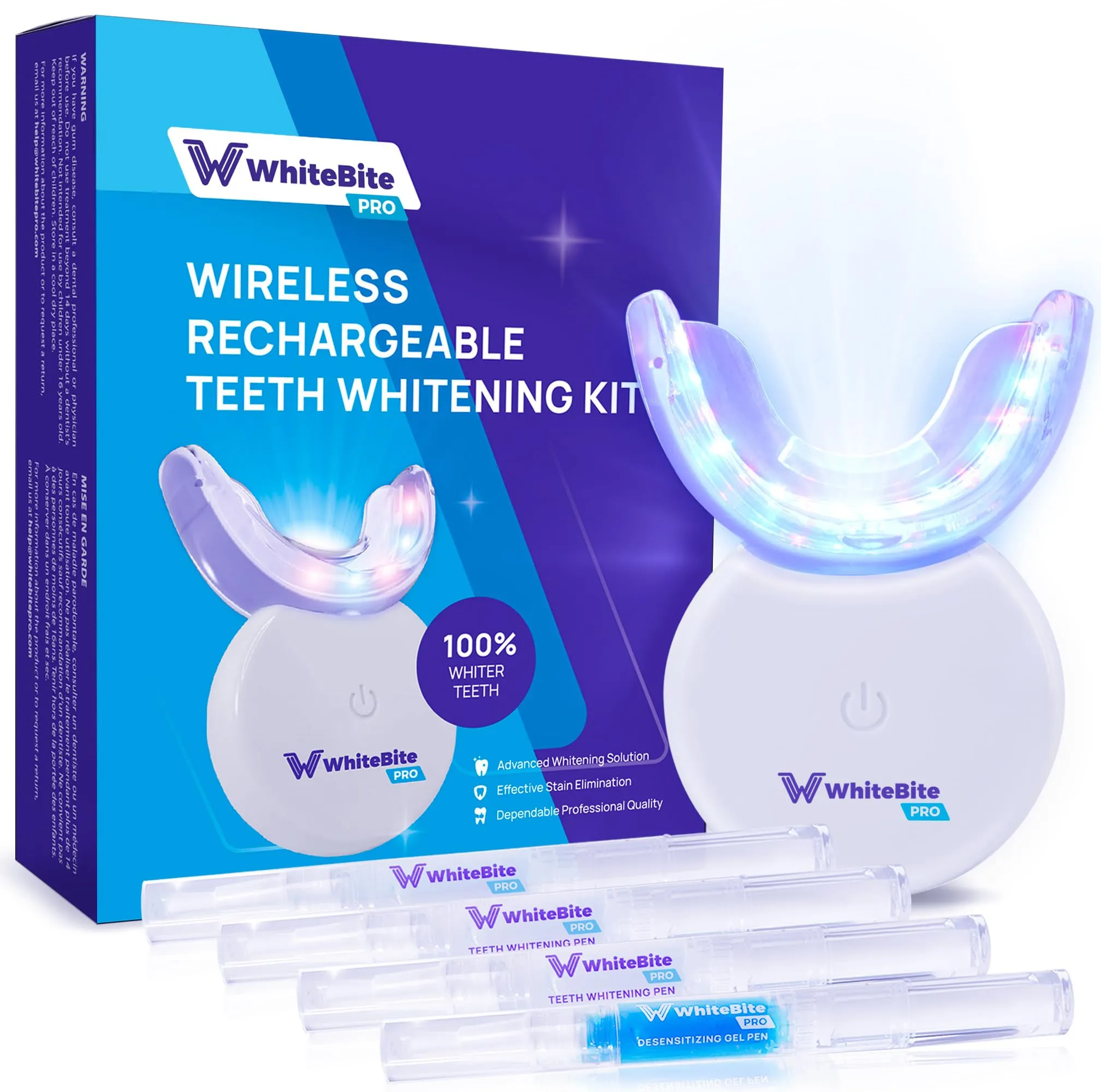
What are Teeth Whitening Kits
Teeth whitening kits have become increasingly popular as a convenient and affordable way to enhance your smile. These kits offer a range of products designed to remove stains and discoloration from your teeth, leading to a brighter, more confident appearance. But what exactly are these kits, and how do they work? Essentially, they are a collection of products, often including whitening strips, gels, trays, or toothpastes, that contain bleaching agents. These agents, usually hydrogen peroxide or carbamide peroxide, penetrate the enamel of your teeth to break down stain molecules. The process aims to lighten the existing tooth color, giving you a dazzling smile. The appeal of these kits lies in their ease of use and the ability to achieve noticeable results at home, avoiding the higher costs and time commitment of professional dental procedures. They are a pathway to a brighter, more radiant smile, providing an accessible solution for those seeking to boost their self-esteem and overall appearance. Understanding the components and mechanisms of teeth whitening kits is the first step towards making an informed choice for your dental health and cosmetic goals.
Types of Teeth Whitening Kits
The market offers a diverse array of teeth whitening kits, each employing different methods and products to achieve a brighter smile. Understanding these variations is important for selecting the kit that best suits your needs and preferences. The primary types include whitening strips, gels and trays, and whitening toothpaste, each with its own unique advantages and considerations. The choice often depends on factors such as your lifestyle, the severity of your stains, and your comfort level with the application process. From the simplicity of strips to the more involved use of trays and gels, exploring these options allows you to find the most effective and convenient solution for achieving your desired level of whiteness. Consider the various components, ease of use, and potential side effects to ensure you make an informed decision that aligns with your oral health goals.
Whitening Strips

Whitening strips are one of the most popular and accessible teeth whitening options. They are thin, flexible strips coated with a peroxide-based bleaching agent. The strips are designed to be applied directly to the teeth, adhering to the surface and delivering the whitening solution. Their ease of use makes them a favorite for those seeking a convenient, at-home solution. Typically, users apply the strips once or twice a day for a specific duration, as recommended by the product instructions. The simplicity of the process, with no need for molds or trays, makes them appealing for busy individuals. The effectiveness of whitening strips varies depending on the concentration of the bleaching agent and the duration of use, and they are generally suitable for mild to moderate stains. However, it is essential to follow the instructions carefully to avoid potential side effects such as tooth sensitivity or gum irritation. Whitening strips offer a practical and straightforward approach to enhancing your smile, making them a go-to choice for many seeking brighter teeth.
Whitening Gels and Trays
Whitening gels and trays provide a more customized approach to teeth whitening. These kits typically include a bleaching gel, usually containing a higher concentration of peroxide, and a tray that fits over your teeth. The trays can be custom-made by a dentist or are often designed to be molded at home for a more personalized fit. The gel is applied to the tray, which is then placed over the teeth for a specified amount of time, typically ranging from a few minutes to several hours, depending on the product and desired results. This method allows for more precise application of the whitening agent, ensuring that it reaches all tooth surfaces evenly. It is often considered more effective for deeper stains and more significant discoloration compared to strips. While the process may involve more preparation and time, it offers the advantage of a more thorough whitening treatment. The use of custom-fitted trays also minimizes the risk of the gel coming into contact with the gums, reducing the likelihood of irritation. Whitening gels and trays provide a more potent and customized option for achieving a brighter, more radiant smile.
Whitening Toothpaste
Whitening toothpaste is a daily-use product designed to enhance the brightness of your teeth gradually. These toothpastes typically contain mild abrasives and/or chemical agents that help to remove surface stains. Unlike more potent whitening treatments, whitening toothpaste works to maintain and slightly improve your teeth’s color through regular brushing. They are a practical option for maintaining a brighter smile after using more intensive whitening methods or as a preventative measure against new staining. While whitening toothpastes are generally less effective at removing deep stains compared to strips or gels, their ease of use and accessibility make them a convenient choice for everyday oral hygiene. They are often flavored and packaged like regular toothpaste, making them a comfortable addition to your routine. Consistent use can contribute to a subtle but noticeable improvement in your teeth’s appearance over time. Whitening toothpaste is a gentle, accessible option for incorporating teeth whitening into your daily routine.
Things to Consider Before Choosing a Kit

Before selecting a teeth whitening kit, several factors must be considered to ensure you choose the right product for your needs and oral health. Factors include the severity of your stains, your budget, and your sensitivity levels. It’s essential to assess your teeth and understand the potential outcomes of different whitening methods. For instance, some kits may be more effective on certain types of stains than others. Your oral health also plays a crucial role; individuals with sensitive teeth or existing dental work (such as fillings or crowns) may require different approaches. Furthermore, consider the convenience of the product and how it fits into your lifestyle. The time commitment, application process, and frequency of use can vary significantly between different kits. Lastly, understanding potential side effects, such as tooth sensitivity or gum irritation, and knowing how to manage them, is crucial. Thoughtful consideration of these factors helps you make an informed decision, leading to a more successful and comfortable teeth whitening experience.
Effectiveness
The effectiveness of teeth whitening kits varies depending on several factors, including the type of kit, the concentration of the whitening agent, and the duration of use. Whitening strips and gels, especially those with higher concentrations of hydrogen peroxide, tend to provide more noticeable results than whitening toothpastes. The level of staining on your teeth also influences the effectiveness of the treatment; surface stains are usually easier to remove than deep, intrinsic stains. The instructions and guidelines provided with the kit must be followed diligently to achieve the best results. Furthermore, individual factors, such as your enamel composition and oral hygiene habits, can impact how effectively the whitening agents work. While some kits offer immediate results, others require several days or weeks of consistent use to achieve the desired level of brightness. Always set realistic expectations and understand that results can vary from person to person. Evaluate the product’s claims, read reviews, and consult with a dental professional if you have any concerns or questions. The efficacy of your chosen kit depends on a combination of product quality, adherence to instructions, and your unique dental characteristics.
Cost
The cost of teeth whitening kits can vary considerably, depending on the type of kit, the brand, and the number of treatments included. Generally, whitening strips and toothpastes are the most affordable options, making them accessible to a broad range of budgets. Whitening gels and trays, particularly those that involve custom-fitted trays from a dentist, tend to be at the higher end of the price spectrum. Consider the long-term cost-effectiveness when evaluating a kit; while a more expensive kit might offer more dramatic and lasting results, a less expensive one may be sufficient for your needs. Compare prices from different retailers and look for special offers or promotions to get the best value. Remember to factor in any ongoing expenses, such as the cost of replacement strips or gel. Weigh the cost against the expected benefits and your personal financial situation. Teeth whitening is a cosmetic procedure, and the cost should align with your expectations and budget. Researching and comparing prices ensures you can find a cost-effective solution that meets your whitening goals.
Safety

Safety is a crucial factor to consider when using teeth whitening kits. These products typically contain bleaching agents, such as hydrogen peroxide or carbamide peroxide, which can cause side effects if not used correctly. Tooth sensitivity is one of the most common side effects; it can occur when the bleaching agent penetrates the enamel. Gum irritation is another potential issue, particularly if the whitening agent comes into contact with the gums for an extended period. It is essential to follow the product instructions carefully to minimize these risks. Avoid over-whitening, as excessive use can damage the enamel and increase sensitivity. If you have existing dental work, such as fillings or crowns, be aware that the whitening agents will not change the color of these materials. Consult your dentist before using a whitening kit, especially if you have any underlying dental conditions or sensitivities. Following safety guidelines, using the product as directed, and being mindful of your body’s response are key to ensuring a positive and safe teeth whitening experience. Prioritizing safety leads to a brighter, healthier smile without compromising your oral well-being.
How to Use Teeth Whitening Kits
Using teeth whitening kits effectively involves following specific steps to ensure optimal results and minimize potential side effects. Understanding the proper application process is crucial for achieving a brighter, more confident smile. The exact steps can vary depending on the type of kit, but the general principles remain consistent. Adhering to the product’s instructions is the best way to ensure the safety and effectiveness of the whitening treatment. Always begin by reading the instructions carefully, paying attention to the recommended application time, frequency, and any precautions. Proper use of these kits requires attention to detail and a commitment to following the guidelines, leading to a safer and more successful teeth whitening experience. By understanding and adhering to these instructions, you can maximize the benefits and maintain the health of your teeth.
Step-by-Step Instructions
Each teeth whitening kit comes with specific instructions, but the general steps are similar across different products. Start by brushing and flossing your teeth to remove any food particles or plaque. If you’re using strips, apply them to your teeth according to the instructions, ensuring they adhere properly without overlapping your gums. For gels and trays, fill the trays with the gel, then insert them into your mouth, making sure they fit comfortably. Follow the recommended application time, typically between 30 minutes to an hour for gels and strips, depending on the product. Avoid eating, drinking, or smoking while using the kit. After the allotted time, remove the strips or trays and rinse your mouth thoroughly to remove any excess gel. Be consistent with the treatment, following the kit’s instructions until you achieve the desired level of whiteness. Carefully following these instructions ensures you can achieve the best possible outcome from your teeth whitening kit, leading to a brighter, more radiant smile.
Pre-Whitening Preparation

Proper preparation is a critical first step for successful teeth whitening. Before starting your whitening treatment, it’s essential to ensure your teeth and gums are in good condition. Brush and floss your teeth thoroughly to remove any food debris and plaque buildup, ensuring the whitening agent can effectively reach the tooth surfaces. Check your mouth for any pre-existing issues, such as cavities or gum disease, as these conditions should be addressed by a dentist before starting the whitening process. Consult with your dentist to determine if whitening is appropriate for your specific situation, especially if you have sensitive teeth. Avoid using any whitening product if you are pregnant or breastfeeding without consulting a healthcare professional. Preparing your teeth before whitening increases the effectiveness of the treatment and minimizes the risk of adverse effects. Proper preparation sets the stage for a brighter, healthier smile.
Applying the Whitening Agent
The application of the whitening agent is the core of the teeth whitening process. Whether you are using strips, gels, or trays, following the manufacturer’s instructions is crucial for achieving desired results and minimizing potential side effects. With strips, apply the gel-coated side directly to your teeth, pressing gently to ensure they adhere properly. Make sure the strips cover the front surfaces of your teeth, avoiding contact with your gums. For gels and trays, apply the gel into the tray according to the instructions, ensuring the correct amount is used to prevent overflow. Insert the tray into your mouth, making sure it fits comfortably, and follow the recommended wear time, typically between 30 minutes to an hour. It is essential to avoid swallowing any of the whitening agent. When the application time is over, remove the strips or trays, rinse your mouth thoroughly with water, and gently brush your teeth. This careful and precise application is essential for achieving a brighter smile.
Post-Whitening Care
Post-whitening care is essential to maintain the results and ensure the long-term health of your teeth. After each whitening treatment, it is important to rinse your mouth thoroughly with water to remove any remaining traces of the whitening agent. Avoid consuming foods and drinks that can stain your teeth, such as coffee, tea, red wine, and dark-colored berries, for at least a few hours after each treatment. Continue to practice good oral hygiene, including brushing your teeth twice a day with fluoride toothpaste and flossing daily. You might experience some temporary tooth sensitivity after whitening. Using toothpaste designed for sensitive teeth can help alleviate this issue. Consider using a whitening toothpaste to help maintain your results over time. Schedule regular dental check-ups and cleanings to monitor your oral health and discuss any concerns with your dentist. Following these post-whitening care tips will help you sustain your brighter smile and promote overall oral health.
Maintaining Your Sparkling Smile

Maintaining a sparkling white smile after teeth whitening involves consistent oral hygiene practices, dietary considerations, and regular dental care. The goal is to preserve the results of your whitening treatment and prevent future staining. By adopting and maintaining these habits, you can enjoy a consistently brighter smile for the long term. This requires a proactive approach, blending good habits with regular professional care, and ensures your investment in teeth whitening pays off with a radiant, confident smile. The journey to a sparkling smile doesn’t end with the whitening treatment; it’s an ongoing commitment to oral health and a radiant appearance.
Oral Hygiene Practices
Maintaining excellent oral hygiene is crucial for preserving your bright, white smile after teeth whitening. Brush your teeth at least twice a day with fluoride toothpaste, using gentle, circular motions to remove plaque and food particles. Floss daily to clean between your teeth, where a toothbrush can’t reach. Consider using an interdental brush or water flossers for extra cleaning. Regular brushing and flossing help to prevent staining and remove surface stains, extending the life of your whitening results. Incorporate a whitening toothpaste into your routine to help maintain and enhance the brightness of your teeth. Additionally, rinse your mouth with an antibacterial mouthwash to kill bacteria and further protect your teeth. Following these practices, combined with regular dental check-ups, will ensure your teeth remain healthy and bright for years to come. Maintaining these practices will contribute to the long-term success of your teeth whitening efforts.
Dietary Considerations
Dietary choices significantly impact the longevity of your teeth whitening results. Certain foods and drinks are notorious for staining teeth and should be consumed in moderation or avoided. Coffee, tea, red wine, and dark-colored sodas are common culprits. Dark berries, such as blueberries and raspberries, can also stain teeth. The pigments in these foods and drinks adhere to the tooth enamel, leading to discoloration over time. It’s essential to limit your consumption of these items or, when you do indulge, rinse your mouth with water immediately afterward. Consider using a straw when drinking staining beverages to minimize contact with your teeth. Eating a balanced diet, rich in fruits, vegetables, and dairy products, promotes good oral health and helps maintain your bright smile. Being mindful of what you eat and drink plays a crucial role in sustaining your teeth whitening results.
Regular Dental Check-ups

Regular dental check-ups and professional cleanings are essential for maintaining a bright and healthy smile. Schedule appointments with your dentist every six months for comprehensive examinations and cleanings. During these visits, your dentist will assess the overall health of your teeth and gums, detect any potential issues, and provide necessary treatments. Professional cleanings remove plaque and tartar buildup, which can contribute to staining and discoloration. The dentist can also polish your teeth, further enhancing their brightness. Regular check-ups also allow your dentist to monitor the effectiveness of your teeth whitening treatment and provide advice on maintaining your results. Following your dentist’s recommendations for oral hygiene practices and professional care will ensure your teeth remain healthy and radiant. These appointments are crucial for long-term oral health and preserving the beauty of your smile. Regular dental check-ups are an indispensable part of maintaining your bright, white smile.
Risks and Side Effects
While teeth whitening kits are generally safe and effective, it’s important to be aware of potential risks and side effects. Understanding these potential issues allows you to take precautions and make informed decisions. The most common side effects include tooth sensitivity and gum irritation. In some cases, enamel damage can also occur. Being informed about these risks enables you to address any issues promptly and ensure your whitening experience is as safe and comfortable as possible. Knowing the potential risks allows you to be proactive in protecting your oral health.
Teeth Sensitivity
Tooth sensitivity is a common side effect of teeth whitening. The bleaching agents in the kits can temporarily make your teeth more sensitive to hot and cold temperatures. The extent of sensitivity varies from person to person, depending on individual enamel thickness and the concentration of the whitening agent. Sensitivity usually subsides within a few days after completing the whitening treatment. To manage sensitivity, consider using toothpaste designed for sensitive teeth, which contains ingredients that help to block the tubules in your teeth. Avoid consuming very hot or cold foods and drinks during the treatment. If sensitivity persists or becomes severe, consult your dentist for advice. They may recommend using a fluoride treatment to strengthen your enamel. Understanding and managing tooth sensitivity ensures you can achieve a brighter smile with minimal discomfort.
Gum Irritation

Gum irritation is another potential side effect of teeth whitening, particularly if the whitening agent comes into contact with your gums for an extended period. This can happen if the whitening strips or trays do not fit properly, or if the gel overflows. The irritation can manifest as redness, swelling, or soreness. To minimize gum irritation, ensure that the strips or trays fit snugly against your teeth, avoiding contact with your gums. Follow the product instructions carefully to avoid over-application. If you experience gum irritation, discontinue the whitening treatment and consult your dentist. They may recommend a soothing rinse or other treatments to help your gums heal. Gum irritation is usually temporary, and proper care can resolve the issue. Prioritizing proper application and following the instructions can help mitigate the risk of gum irritation.
Enamel Damage
Although rare, excessive or improper use of teeth whitening kits can potentially lead to enamel damage. Over-whitening or using products with high concentrations of bleaching agents can erode the enamel over time, making your teeth more susceptible to decay and sensitivity. It’s essential to follow the instructions provided with your whitening kit diligently and avoid exceeding the recommended treatment duration. If you have any concerns about the safety of a particular product or have underlying dental issues, consult with your dentist before starting the whitening process. They can assess your oral health and provide guidance to minimize the risk of any potential enamel damage. Practicing moderation and following professional advice ensures that you can safely achieve a brighter smile without compromising the health of your teeth.