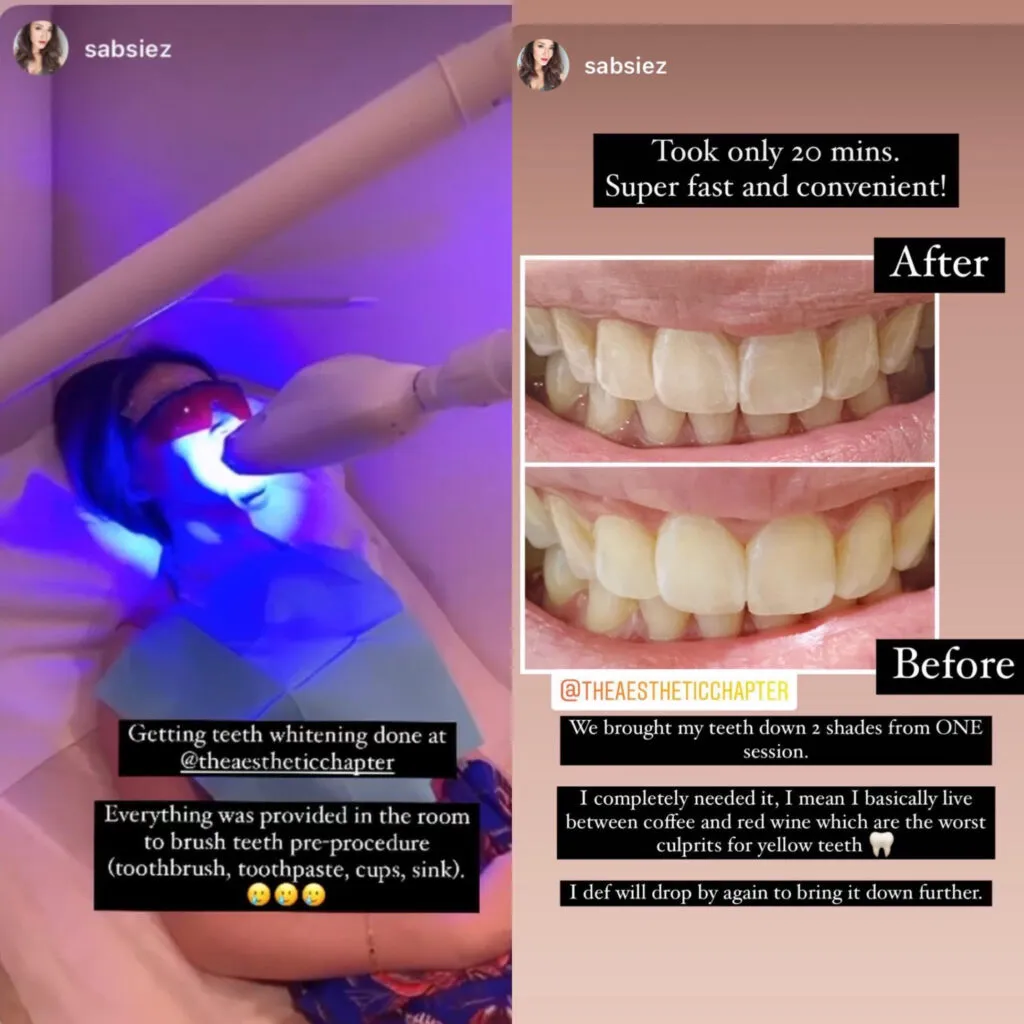
What is Teeth Whitening
Teeth whitening, also known as teeth bleaching, is a cosmetic dental procedure designed to lighten the shade of your teeth. It involves removing stains and discoloration from the enamel, the outer layer of your teeth, and sometimes the dentin, the layer beneath the enamel. The goal is to achieve a brighter, more attractive smile. Teeth whitening can be a significant confidence booster, and it’s a popular treatment in Japan, where oral hygiene and aesthetics are highly valued. Many individuals seek teeth whitening to combat the effects of staining from food, drinks (like coffee and tea), and tobacco use. The process can range from simple at-home treatments to more intensive procedures performed by dental professionals.
Types of Teeth Whitening in Japan
In Japan, you’ll find various teeth whitening options to suit different needs and budgets. These range from professional treatments administered in a dental clinic to over-the-counter products you can use at home. Understanding the different types of whitening treatments available is crucial for making an informed decision about which method is right for you. Each method has its own advantages, disadvantages, and expected results. It’s essential to consider factors such as the severity of your stains, your budget, and your commitment to the treatment process. Consulting with a dentist is always recommended to determine the most effective and safest option for your specific situation.
Professional Whitening Treatments

Professional teeth whitening treatments are performed by qualified dentists or dental hygienists in a clinic setting. These treatments are generally more effective and provide faster results than at-home methods. The main advantage is the higher concentration of bleaching agents used, which can penetrate the enamel more effectively. This leads to a more dramatic whitening effect, often achieved in a single session. Professional treatments also allow for better control and monitoring, minimizing the risk of potential side effects.
In-Office Whitening
In-office whitening, also known as chairside bleaching, is the most intensive professional treatment. The dentist applies a high-concentration bleaching agent to your teeth, often containing hydrogen peroxide. The treatment is typically followed by the use of a special light or laser to activate the bleaching agent, accelerating the whitening process. This can often lighten teeth several shades in just one appointment. The entire procedure takes about an hour or two, and the results can last for several months to a year, depending on your lifestyle and diet. Before the procedure, your dentist will usually protect your gums and soft tissues to prevent irritation.
Take-Home Whitening Kits
Take-home whitening kits offer a more convenient and affordable alternative to in-office treatments. Your dentist will create custom-fitted trays based on impressions of your teeth. You then receive a bleaching gel with a lower concentration of hydrogen peroxide, which you apply to the trays and wear for a specified amount of time each day, usually for a few hours or overnight. The treatment duration typically ranges from a few days to a couple of weeks, depending on the desired results and the severity of the stains. While the results may not be as immediate as in-office treatments, take-home kits are effective and offer greater flexibility, allowing you to whiten your teeth at your own pace.
Over-the-Counter Options

Over-the-counter (OTC) teeth whitening products are readily available in pharmacies and convenience stores across Japan. These options are generally less expensive and easier to access than professional treatments. OTC products are suitable for individuals with mild stains or those looking for a subtle improvement in their tooth shade. It is important to remember that OTC products often contain lower concentrations of bleaching agents, so the results might be less dramatic, and the process may take longer. Always follow the manufacturer’s instructions carefully and consult with your dentist if you have any concerns or questions.
Whitening Toothpastes
Whitening toothpastes are a popular and accessible option for improving the brightness of your teeth. They work by removing surface stains and polishing the teeth, often containing mild abrasives or chemical agents. These toothpastes are effective for removing stains caused by coffee, tea, and other food and drinks. While they can contribute to a brighter smile, they typically don’t alter the natural color of your teeth significantly. It’s essential to choose a whitening toothpaste with fluoride to protect against tooth decay. Using whitening toothpaste regularly can help maintain the results of other whitening treatments and keep your smile looking fresh.
Whitening Strips
Whitening strips are thin, flexible strips coated with a peroxide-based whitening agent. They are easy to use and provide a convenient method for teeth whitening at home. You apply the strips to your teeth for a specified amount of time, typically twice a day for a few weeks. The strips adhere to the teeth and deliver the whitening agent directly to the enamel. Whitening strips can be effective for removing surface stains and achieving a noticeable improvement in tooth shade. Following the manufacturer’s instructions is important to ensure safe and effective use, and it is worth noting that they might not be suitable for everyone, especially those with sensitive teeth.
Factors Affecting Teeth Whitening in Japan

The effectiveness of teeth whitening treatments can be influenced by various factors. These factors can impact the final results and how long they last. Understanding these elements can help you make informed decisions about the best approach for your needs and lifestyle. It’s important to remember that the condition of your teeth, your habits, and your dietary choices play a significant role in the overall outcome of your teeth whitening journey. Working with a dentist will help you address potential challenges and make the most of your whitening experience.
Diet and Lifestyle
Your diet and lifestyle choices significantly affect your teeth whitening results. Certain foods and drinks, such as coffee, tea, red wine, and dark-colored berries, contain pigments that can stain your teeth. Regularly consuming these items can lead to discoloration and diminish the effects of whitening treatments. A balanced diet with limited intake of staining agents will help to maintain your brighter smile for longer. It’s also essential to maintain good oral hygiene, including regular brushing and flossing, to prevent the build-up of stains and plaque that can detract from your whitening results.
Smoking and Coffee Consumption
Smoking and heavy coffee consumption are two of the most significant factors contributing to teeth discoloration. Tobacco use introduces nicotine and tar, which stain the teeth, leading to a yellowish or brownish appearance. Coffee contains tannins that also stain the enamel. If you smoke or drink coffee frequently, teeth whitening treatments might not be as effective, and the results may not last as long. Quitting smoking and reducing coffee intake are crucial steps toward maintaining a bright smile and improving your overall oral health. Regular dental check-ups and professional cleanings can help mitigate the effects of these habits.
Oral Hygiene Practices

Maintaining excellent oral hygiene is fundamental to successful teeth whitening and sustaining the results. Proper brushing, flossing, and regular dental check-ups are essential components of a good oral hygiene routine. These practices help to remove surface stains, prevent plaque build-up, and ensure that your teeth are healthy before undergoing any whitening treatment. Poor oral hygiene can lead to uneven whitening results and potentially cause or exacerbate sensitivity. Consistent and thorough oral care is the foundation of a beautiful, bright smile.
Brushing and Flossing
Brushing your teeth at least twice a day with fluoride toothpaste is crucial for removing food particles, plaque, and surface stains. Brushing also helps to prevent the build-up of bacteria, which can contribute to tooth decay and gum disease. Flossing daily is equally important, as it removes food particles and plaque from areas that your toothbrush can’t reach, such as between your teeth and along the gumline. Flossing also helps to stimulate the gums, promoting healthy tissue. Combining regular brushing and flossing is the most effective way to maintain oral health and improve the appearance of your teeth.
Cost of Teeth Whitening in Japan
The cost of teeth whitening in Japan varies depending on the type of treatment, the clinic’s location, and the dentist’s expertise. Understanding the cost structure can help you budget and choose the most suitable option for your financial situation. It is essential to compare prices from different clinics and inquire about the specific services included in the price. Keep in mind that the cheapest option isn’t always the best. Consider the reputation of the clinic, the qualifications of the dentist, and the quality of the materials used. Prioritizing quality and safety is important when considering any dental treatment.
Average Prices

The cost of teeth whitening in Japan can range significantly. In-office professional whitening treatments are generally the most expensive, costing several hundred to over a thousand dollars per session. Take-home whitening kits from a dentist are typically less expensive, with prices varying depending on the type of kit. Over-the-counter products, like whitening strips and toothpastes, are the most affordable options, often costing from a few dollars to a hundred or so. The average prices can vary depending on the specific clinic, the quality of the materials used, and the complexity of the treatment. Always inquire about the total cost before starting any treatment and make sure to understand what’s included.
Factors Influencing Cost
Several factors can influence the cost of teeth whitening in Japan. The clinic’s location, the dentist’s experience and qualifications, and the type of treatment all play a significant role. Clinics in major cities may charge more than those in rural areas. Highly experienced dentists or specialists may command higher fees. The materials used and the technology employed can also affect the overall cost. The complexity of the treatment, such as the need for additional procedures like cleaning or fillings, can also increase the price. It is always wise to consider all these factors when evaluating the cost of your teeth whitening treatment to ensure you receive a value for your money.
Finding a Reputable Dentist in Japan
Choosing a reputable dentist is crucial for ensuring a safe and effective teeth whitening experience. Finding a dentist in Japan involves careful research and consideration of various factors. You should always prioritize qualifications, experience, and patient reviews when making your decision. A trustworthy dentist will provide a comprehensive consultation, discuss your goals, and recommend the most suitable treatment option for your unique needs. They should also be transparent about the costs, potential risks, and expected results.
Researching Clinics

Start your search for a reputable dentist by researching clinics in your area. Look for dental practices that specialize in cosmetic dentistry or teeth whitening. Check their website and social media profiles for information about the services they offer, the experience of their dentists, and patient testimonials. Read online reviews on platforms such as Google Reviews, Yelp, and other Japanese review sites to get an idea of other patients’ experiences. Consider factors such as the clinic’s atmosphere, the friendliness of the staff, and the cleanliness of the facilities. Take your time to explore your options, and don’t hesitate to contact multiple clinics to ask questions and schedule consultations.
Checking Credentials
When researching a dentist, verify their credentials. Ensure that the dentist is licensed to practice dentistry in Japan. You can usually find this information on the clinic’s website or by contacting the clinic directly. Check if the dentist has any specialized training or certifications in cosmetic dentistry or teeth whitening. Look for dentists who are members of professional organizations like the Japanese Dental Association. Consider their experience, including how long they have been practicing and the number of teeth whitening procedures they have performed. A dentist with extensive experience and a good reputation is more likely to provide excellent results.
Aftercare and Maintenance
Aftercare and maintenance are essential for maximizing the longevity of your teeth whitening results. Following your dentist’s instructions carefully and adopting a consistent oral hygiene routine is crucial. Proper aftercare helps to prevent staining and discoloration and ensures that you can enjoy your brighter smile for as long as possible. Your commitment to maintenance plays a vital role in preserving the outcome of your teeth whitening treatment.
Maintaining Results
To maintain your teeth whitening results, it’s important to avoid or minimize the consumption of staining foods and beverages like coffee, tea, red wine, and dark-colored berries. If you do consume these items, rinse your mouth with water immediately afterward or brush your teeth to prevent stains from setting. Regular dental check-ups and professional cleanings are essential to remove surface stains and plaque. Consider using a whitening toothpaste to help maintain your bright smile. Your dentist might also recommend touch-up treatments every few months or years to keep your teeth looking their best.
Potential Side Effects
Teeth whitening is generally a safe procedure, but it can have potential side effects. The most common side effect is temporary tooth sensitivity, which usually subsides within a few days after the treatment. Some people may experience mild gum irritation. These side effects are usually temporary and can be managed with over-the-counter pain relievers or desensitizing toothpaste. More severe side effects are rare, but if you experience persistent pain or any other unusual symptoms, consult your dentist immediately. Always disclose your complete medical history to your dentist before undergoing any whitening treatment.
Conclusion
Teeth whitening in Japan offers various options to enhance your smile and boost your confidence. From professional in-office treatments to convenient at-home products, you can choose the method that best suits your needs and preferences. Remember to consider factors such as the cost, effectiveness, and potential side effects. By understanding the different options, following your dentist’s recommendations, and practicing good oral hygiene, you can achieve a brighter, more radiant smile. Taking care of your smile is an investment in your overall health and appearance. Enjoy the journey to a more confident and dazzling you!