Why Does Teeth Whitening Hurt?
Teeth whitening, a popular cosmetic procedure, can sometimes lead to discomfort. While many people achieve brighter smiles without issue, others experience sensitivity or pain. Understanding the reasons behind this pain is crucial for managing and mitigating it. The intensity of the pain varies from person to person, ranging from a mild tingle to a sharp, intense ache. This discomfort is often temporary, but it can be a significant concern for those experiencing it. Several factors contribute to this issue, including the type of whitening treatment, the individual’s oral health, and the sensitivity of their teeth. Knowing these factors can help you prepare for the procedure and take necessary precautions to minimize discomfort. Moreover, consulting with a dentist before undergoing teeth whitening can help identify potential risks and tailor the treatment to your specific needs.
Sensitivity Causes
The primary cause of pain during teeth whitening is tooth sensitivity. This sensitivity arises from the bleaching agents used in the whitening process, which typically contain hydrogen peroxide or carbamide peroxide. These chemicals penetrate the enamel and reach the dentin, the layer beneath the enamel that contains tiny tubules leading to the tooth’s nerve. This action causes the nerves to become irritated, resulting in sensitivity. The degree of sensitivity often depends on the concentration of the whitening agent and the duration of its contact with the teeth. Individuals with naturally sensitive teeth or those with existing dental issues like receding gums or enamel erosion are more susceptible to experiencing pain. Careful consideration should be given to the concentration of the whitening agent and the duration of the application, especially for those with sensitive teeth. Also, using products specifically designed for sensitive teeth can help minimize discomfort.
Enamel Erosion

Enamel erosion is another factor that can contribute to pain during teeth whitening. Enamel is the hard, protective outer layer of the tooth. When this layer is thinned or weakened, the underlying dentin becomes exposed. Dentin contains microscopic tubules that lead directly to the tooth’s nerve, making the tooth more sensitive to external stimuli. Whitening agents, particularly those with high concentrations of peroxide, can exacerbate enamel erosion. This erosion can increase the permeability of the enamel, allowing the whitening agents to penetrate deeper and cause greater irritation. Furthermore, if the enamel is already compromised due to poor oral hygiene, acid erosion from dietary sources, or other factors, the sensitivity can be significantly amplified. Careful attention to oral hygiene, including regular brushing with a fluoride toothpaste and avoiding overly acidic foods and drinks, is crucial to maintain the integrity of the enamel during and after teeth whitening treatments. Regularly check with your dentist to assess the health of your enamel and receive tailored advice.
Gum Irritation
Gum irritation is a common side effect of teeth whitening, often resulting from the bleaching agents coming into contact with the soft tissues of the gums. These agents can cause inflammation, leading to redness, swelling, and tenderness. The irritation typically occurs when the whitening product is not applied correctly or when the trays used for home whitening are not a proper fit, allowing the gel to leak. This is especially true with higher-concentration whitening treatments. Additionally, pre-existing gum conditions like gingivitis or periodontitis can make the gums more susceptible to irritation. Careful application of the whitening product, ensuring that it only contacts the teeth and not the gums, can minimize this risk. Using custom-fitted trays provided by a dentist can help prevent leaks and ensure even distribution of the whitening agent. The use of over-the-counter whitening products may increase the risk of gum irritation. Seeking professional guidance from a dentist is crucial to determine the most suitable whitening option while minimizing potential risks and complications.
Chemical Burns
In rare cases, teeth whitening can lead to chemical burns. This is a more severe form of irritation, typically caused by excessive exposure to high concentrations of whitening agents. Chemical burns manifest as white or blistered patches on the gums or soft tissues of the mouth, causing significant pain and discomfort. This can happen if the whitening agent is not properly contained or if it is left on the gums for too long. It is more common with professional whitening treatments. If you experience chemical burns, it is crucial to rinse your mouth thoroughly with water and seek immediate medical attention from a dentist. The dentist will assess the severity of the burn and provide appropriate treatment, which may include topical medications to alleviate the pain and promote healing. To prevent chemical burns, always follow the instructions carefully, use products as directed, and ensure proper fit and application of the whitening agents.
What to Do if Teeth Whitening Hurts

Experiencing pain during teeth whitening can be concerning, but there are several steps you can take to alleviate the discomfort and minimize the effects. The first step is to stop the whitening treatment immediately if you experience pain that is more than mild sensitivity. If using an at-home kit, discontinue use and consult your dentist. The pain will often subside within a few days, but seeking professional advice is always recommended. Avoid triggers like extremely hot or cold foods and beverages. Using a sensitivity toothpaste can also greatly help. Your dentist can evaluate your situation and recommend the best course of action, which might include prescription-strength fluoride, or alternative whitening methods. Moreover, regular dental check-ups and consultations are essential to monitor your oral health.
Use Sensitivity Toothpaste
One of the most effective ways to manage tooth sensitivity is to use sensitivity toothpaste. These toothpastes contain ingredients like potassium nitrate or stannous fluoride, which help block the tubules in the dentin, reducing the nerve’s response to stimuli. Using sensitivity toothpaste for at least two weeks before starting teeth whitening can help prepare your teeth and minimize potential pain. Continue using it during and after the whitening treatment to help maintain comfort. Apply the toothpaste to the sensitive areas of your teeth or apply a thin layer and leave it on for several minutes before brushing. Be patient, as it may take a few weeks to notice a significant difference. It’s important to brush gently to prevent further enamel erosion and follow the directions on the package of the sensitivity toothpaste. Also, consider asking your dentist for specific recommendations tailored to your needs.
Avoid Acidic Foods
During and after teeth whitening, it’s crucial to avoid or minimize the consumption of acidic foods and beverages, as they can exacerbate tooth sensitivity. Acidic substances can erode the enamel, making the teeth more vulnerable to pain and discomfort. Foods and drinks to avoid include citrus fruits (lemons, oranges, grapefruits), tomatoes, vinegar-based dressings, carbonated beverages (soda, sparkling water), and fruit juices. If you do consume these items, do so in moderation and rinse your mouth with water afterward to help neutralize the acid. Furthermore, use a straw to minimize contact between the acidic liquids and your teeth. Maintain a balanced diet rich in calcium and other nutrients to help strengthen your enamel. It is also advised to wait at least 30 minutes after consuming acidic foods or drinks before brushing your teeth, as the enamel is more susceptible to damage during this time.
Consult Your Dentist

If you experience pain or sensitivity during or after teeth whitening, it’s essential to consult your dentist. Your dentist can evaluate your oral health, identify the cause of the discomfort, and recommend the best course of action. They can assess whether the sensitivity is due to enamel erosion, gum irritation, or other underlying dental issues. Your dentist might recommend fluoride treatments to strengthen the enamel or suggest a different whitening method to minimize the sensitivity. They can also provide guidance on oral hygiene practices and recommend sensitivity toothpaste. Regular dental check-ups can help detect potential issues early and ensure your teeth remain healthy. Don’t hesitate to seek professional help to address any discomfort and maintain your oral health. Your dentist is your best resource for personalized advice and care.
Top 5 Teeth Whitening Alternatives
If you’re experiencing pain from teeth whitening, or if you’re concerned about sensitivity, there are several effective alternatives to consider. These options can help you achieve a brighter smile without the potential discomfort associated with traditional whitening treatments. From over-the-counter products to professional procedures, explore the best alternative. Consulting with your dentist is essential before choosing an alternative method to ensure it suits your oral health needs.
Whitening Strips
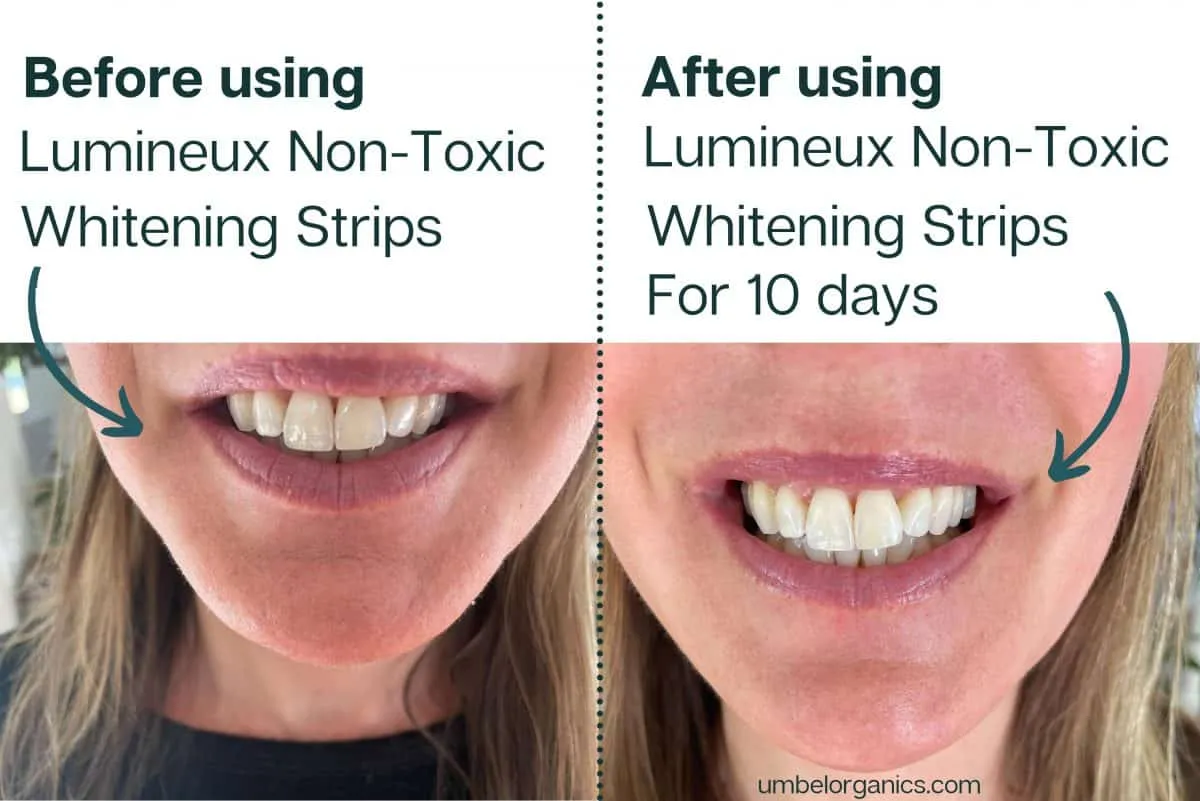
Whitening strips are a popular over-the-counter alternative to professional teeth whitening. They are easy to use and available in many drugstores. These strips contain a lower concentration of hydrogen peroxide compared to professional treatments, which often results in less sensitivity. Using whitening strips involves applying the strips to your teeth for a specified amount of time each day, typically for a few weeks. While they may not produce the same dramatic results as professional whitening, they can effectively lighten your teeth over time. Always follow the instructions on the product packaging and consult with your dentist if you experience any discomfort or if you have concerns about your oral health. Using whitening strips as an alternative is an easy and accessible way to improve the brightness of your smile.
Professional Whitening

Professional teeth whitening, performed by a dentist, offers a more potent and controlled approach to teeth whitening than over-the-counter options. Dentists use higher concentrations of hydrogen peroxide or carbamide peroxide. The process usually includes applying a protective barrier to the gums to reduce sensitivity. In-office whitening treatments can provide immediate and noticeable results. Your dentist can also monitor your teeth throughout the process and make adjustments as needed to minimize discomfort. In some cases, professional whitening might be a better option for individuals with significant staining or discoloration. Your dentist will be able to guide you through the process and explain the best approach based on your oral health needs.
Teeth Whitening Myths
There are several common myths surrounding teeth whitening that can affect people’s decisions and expectations. Separating fact from fiction is essential for making informed choices. A common myth is that all teeth whitening treatments are the same. The reality is that whitening treatments vary greatly in strength, method, and efficacy. It is also not true that whitening damages teeth. While some sensitivity is possible, properly performed whitening treatments under the supervision of a dental professional are generally safe. Another myth is that whitening is permanent. Teeth can stain again over time. Regular maintenance, proper oral hygiene, and avoiding stain-causing foods and drinks are essential for long-lasting results. Educating yourself on the truth behind teeth whitening is key to achieving a brighter, healthier smile.