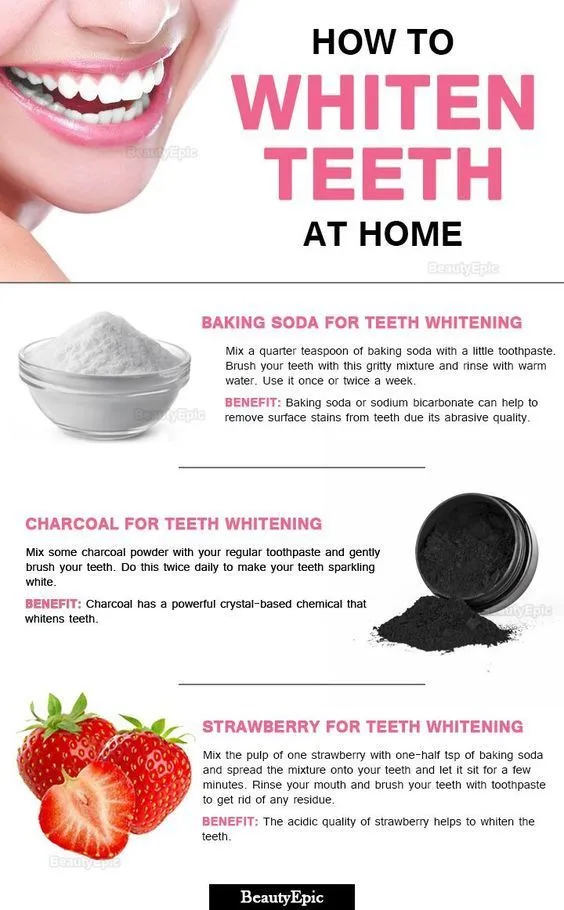
The Power of Baking Soda for Teeth Whitening
Baking soda, also known as sodium bicarbonate, has been a popular home remedy for teeth whitening for many years. Its ability to remove stains and brighten teeth has made it a go-to option for those seeking a natural and affordable alternative to expensive dental treatments. But how effective is it really, and what are the secrets to using it safely? This article delves into the science behind baking soda’s whitening properties, provides a step-by-step guide, and offers essential precautions to ensure you achieve a brighter smile without compromising your oral health. Understanding the power of baking soda can revolutionize your oral care routine.
How Baking Soda Works to Whiten Teeth
Baking soda’s effectiveness in teeth whitening lies in its unique properties and how they interact with the surface of your teeth. It works through a combination of mechanical abrasion and chemical reactions, which help to lift stains and remove surface discoloration. This multifaceted approach is what makes it a popular choice for natural teeth whitening. Knowing how this mechanism works will help you use baking soda more effectively and safely.
The Abrasive Action of Baking Soda

Baking soda has a slightly abrasive nature, meaning it can help to scrub away surface stains caused by food, drinks (like coffee and tea), and smoking. These stains adhere to the enamel, and the gentle scrubbing action of baking soda helps to dislodge them, revealing a cleaner and brighter tooth surface. However, it is important to use baking soda with care, as excessive abrasion can potentially damage the enamel, leading to increased sensitivity and other issues. Understanding the abrasive nature ensures you use it responsibly.
pH Neutralization and Whitening
Baking soda also has the ability to neutralize acids in your mouth. Acids can erode the enamel and contribute to tooth discoloration. By neutralizing these acids, baking soda helps to create a more balanced oral environment, which can reduce the chances of staining and decay. This is another way baking soda can contribute to the overall health and appearance of your teeth. The pH balance is vital to dental health, and baking soda helps achieve it.
The Best Baking Soda Recipe for Whitening Teeth
While baking soda is effective, using it in the right way is key to achieving the best results safely. There are many recipes and variations, but a simple, well-formulated recipe is often the most effective. This recipe combines baking soda with other ingredients to enhance its effectiveness and reduce potential risks. Following these steps ensures you are on the right path to achieve a brighter, healthier smile.
Ingredients You Will Need

Gathering the right ingredients is essential. You will need baking soda (ensure it is food-grade), water, and optionally, a small amount of hydrogen peroxide. Hydrogen peroxide is known for its bleaching properties, but it should be used with caution. A soft-bristled toothbrush is also essential. These ingredients are easily accessible, and their combination is a powerful tool to brighten your teeth. The correct choice of ingredients is vital.
Step-by-Step Instructions
Start by mixing about one teaspoon of baking soda with enough water to form a paste. If you choose to use it, add a few drops of hydrogen peroxide. Gently brush your teeth with this paste for about two minutes, using a soft-bristled toothbrush. Make sure you are covering all surfaces of your teeth. Rinse your mouth thoroughly with water after brushing. Repeat this process no more than twice a week to avoid damaging your enamel. Following these steps is crucial for achieving results without harming your teeth.
Precautions and Tips for Safe Use
While baking soda is generally safe, it’s essential to take precautions. Do not brush too hard, as this can damage your enamel and lead to increased sensitivity. Always use a soft-bristled toothbrush, and avoid brushing more than twice a week. Be aware of any potential side effects, such as increased tooth sensitivity. If you experience any discomfort, discontinue use and consult your dentist. Safety should always be your top priority when using home remedies.
Frequency of Use

The frequency of use is crucial. Brushing with a baking soda mixture more than twice a week can wear down your enamel, making your teeth more vulnerable to decay and sensitivity. Monitor your teeth for any signs of sensitivity or erosion. If you notice any changes, reduce the frequency of use or stop using it altogether. Finding the right balance can help maximize the benefits while minimizing the risks.
Potential Side Effects
Some potential side effects include increased tooth sensitivity, gum irritation, and enamel erosion. If you experience any of these, discontinue use immediately and consult your dentist. Remember that everyone’s mouth is different, and what works for one person may not work for another. Being aware of the side effects and monitoring your oral health will help you make informed decisions.
Comparing Baking Soda with Other Methods
While baking soda can be effective, it is important to understand how it compares to other teeth-whitening methods. Each method has its own benefits and drawbacks. Choosing the right method for you depends on your individual needs, the extent of staining, and your budget. Compare these options carefully and choose what fits your requirements.
Professional Teeth Whitening

Professional teeth whitening, performed by a dentist, typically involves the use of stronger bleaching agents than those available over the counter. It can produce dramatic results in a short amount of time. However, it can also be more expensive and may cause increased sensitivity. Consult your dentist to explore professional whitening options if you desire the most significant improvements.
Over-the-Counter Whitening Products
Over-the-counter products, such as whitening strips and toothpastes, are easily accessible and often more affordable than professional treatments. They contain lower concentrations of bleaching agents and are generally safe to use at home. However, the results may not be as dramatic as professional treatments. Always follow the instructions on the packaging, and be aware of potential side effects such as increased sensitivity.
Natural Alternatives to Baking Soda
Besides baking soda, other natural alternatives exist. Activated charcoal is another popular choice; however, it can be abrasive. Hydrogen peroxide, in diluted form, can also be used, but should be approached with caution. Coconut oil pulling is another method that can improve oral hygiene. Researching and trying different methods will help you identify the right approach for your needs.
Maintaining Your White Smile

Achieving a whiter smile is only half the battle. Maintaining your results requires consistent oral hygiene and certain lifestyle choices. Implementing the right strategies will keep your teeth bright and healthy. It is important to establish good habits to avoid the risk of discoloration.
Oral Hygiene Routine
A consistent oral hygiene routine is essential. Brush your teeth at least twice a day with fluoride toothpaste, floss daily, and use mouthwash. Regular dental check-ups and cleanings are also important. These habits will help to remove plaque and bacteria and prevent staining. A good oral hygiene routine is your best defense against discoloration and dental issues.
Dietary Considerations
Certain foods and drinks can stain your teeth. Limit your consumption of coffee, tea, red wine, and other dark-colored beverages. Smoking and chewing tobacco also cause significant staining. Incorporate more teeth-friendly foods, such as crunchy fruits and vegetables, into your diet. These can help clean your teeth naturally. Being mindful of your diet will help keep your teeth white and healthy.
In conclusion, using baking soda for teeth whitening can be a simple and effective way to achieve a brighter smile. However, it is important to use it correctly and cautiously to avoid potential damage. By understanding the science behind baking soda, following the right recipe, and taking necessary precautions, you can safely harness its whitening power. Remember to maintain a good oral hygiene routine and consider your dietary choices to keep your smile radiant. If you have any concerns, consult your dentist. Your journey to a brighter smile begins here!