Understanding Teeth Whitening Basics
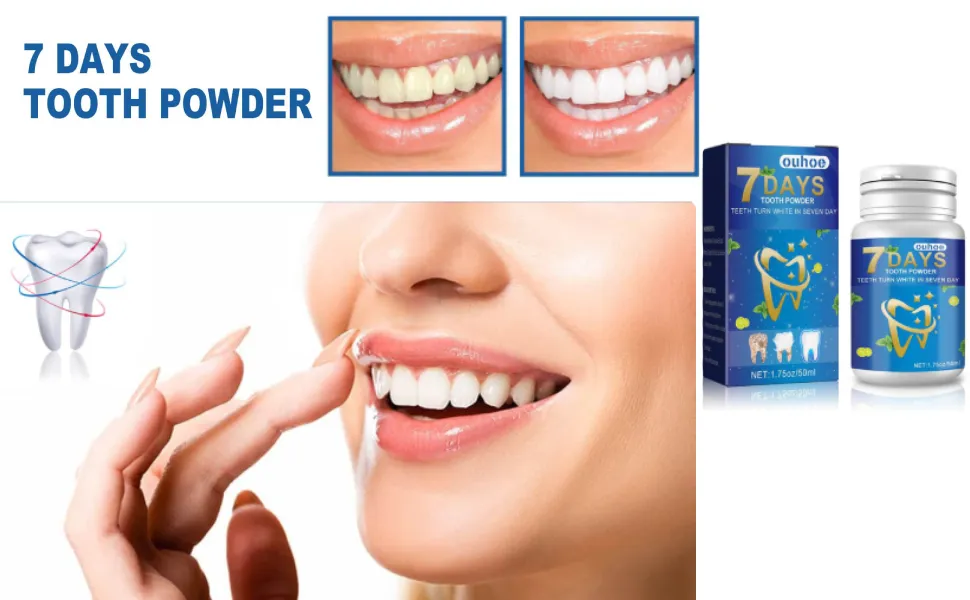
Achieving a brighter smile is a common goal for many individuals, leading to a surge in teeth whitening methods. The process involves removing stains and discoloration from the enamel, the outer layer of the tooth. Various factors contribute to the darkening of teeth, and understanding these elements is crucial for effective whitening. This article delves into the science behind teeth whitening, exploring common options like baking soda and baking powder, while also providing safe and informed guidance.
What Causes Teeth Discoloration
Teeth discoloration can stem from various sources, broadly categorized as extrinsic and intrinsic. Extrinsic stains appear on the tooth’s surface and are often caused by food, drinks, and habits like smoking. Common culprits include coffee, tea, red wine, and tobacco. Intrinsic stains, on the other hand, originate from within the tooth. These can be due to aging, genetics, certain medications (like tetracycline), or dental trauma. Understanding the source of discoloration helps determine the most effective whitening approach. Regular dental check-ups and cleanings are also vital in preventing and addressing discoloration.
How Whitening Agents Work

Whitening agents work by using chemicals to break down stain molecules. The most common agents are hydrogen peroxide and carbamide peroxide. These chemicals penetrate the enamel and dentin, the inner layers of the tooth, oxidizing the stain compounds. The oxidation process lightens the color of the teeth. The effectiveness of a whitening agent depends on the concentration of the active ingredient and the duration of its application. Different methods, from professional treatments to at-home kits, vary in the concentration of these agents.
Baking Soda for Teeth Whitening
The Science Behind Baking Soda
Baking soda, or sodium bicarbonate, is a mild abrasive and a natural cleaning agent. Its alkalinity helps to neutralize acids, which can contribute to tooth decay. When used for teeth whitening, baking soda acts as a gentle abrasive, helping to scrub away surface stains. Furthermore, baking soda can create an environment in the mouth that is less conducive to bacterial growth. However, while baking soda can help remove surface stains, it does not change the intrinsic color of the teeth in the same way that peroxide-based whiteners do.
How Baking Soda Works on Teeth

Baking soda works on teeth through a combination of mechanical action and chemical properties. As a mild abrasive, it physically removes surface stains from the enamel. Additionally, baking soda neutralizes acids in the mouth, which can erode enamel and contribute to staining. By creating a less acidic environment, baking soda may also help to prevent further staining. The fine particles of baking soda can reach into small crevices, providing a more thorough cleaning effect. Proper use of baking soda can contribute to a cleaner and potentially brighter smile.
Benefits of Using Baking Soda
Using baking soda for teeth whitening offers several benefits. Its mild abrasive nature can help remove surface stains caused by coffee, tea, and other foods. It is relatively inexpensive and readily available. Baking soda helps neutralize acids, promoting a healthier oral environment. Some people also report a fresher feeling in their mouth after using baking soda. Moreover, it can be a natural alternative to commercial toothpaste with additional chemicals. While baking soda may not drastically whiten teeth, it can contribute to a cleaner and slightly brighter appearance.
Baking Powder for Teeth Whitening
The Science Behind Baking Powder

Baking powder is a leavening agent containing baking soda, an acidifying agent (like cream of tartar), and a drying agent (like cornstarch). While baking soda is the primary active ingredient, the other components in baking powder can influence its effects. Baking powder’s action on teeth is similar to baking soda, as it contains sodium bicarbonate. However, because baking powder contains other ingredients, its impact on teeth can vary slightly. Its abrasive quality is similar to baking soda and the acidifying agent can influence its effect on tooth surfaces.
How Baking Powder Works on Teeth
Baking powder, like baking soda, works by removing surface stains through its abrasive action. The small particles help to gently scrub away stains. The baking soda component neutralizes acids. However, the additional ingredients in baking powder may affect the overall effectiveness and the way it interacts with tooth enamel. It is crucial to use baking powder with caution, as the added acidifying agents can, potentially, erode enamel if used too aggressively. Careful use and proper dilution are therefore essential.
Benefits of Using Baking Powder
The benefits of using baking powder for teeth whitening are similar to those of baking soda. It can help to remove surface stains, contributing to a brighter smile. Baking powder is also an easily accessible and cost-effective option. The abrasive properties of baking powder can aid in cleaning the teeth and removing plaque. It’s important to note, however, that the effectiveness of baking powder in whitening teeth is often limited to surface stains. Individuals looking for more significant whitening results might require professional treatments or products with stronger whitening agents.
Comparing Baking Soda vs Baking Powder

Effectiveness Comparison
In terms of effectiveness, both baking soda and baking powder can help remove surface stains. However, they are generally less effective than professional teeth whitening treatments or products containing hydrogen peroxide or carbamide peroxide. Baking soda, being a pure compound, may offer a slightly more consistent abrasive action. The added ingredients in baking powder might influence its effectiveness. The ultimate outcome depends on the nature of the stains and the frequency of use. Consistency and proper technique are essential for both.
Safety Considerations
When considering baking soda or baking powder for teeth whitening, safety is paramount. Both are mildly abrasive and, if used excessively or with too much pressure, can potentially damage tooth enamel. Enamel erosion can lead to increased tooth sensitivity and vulnerability to decay. Baking soda is generally considered safe when used in moderation. Baking powder, due to its additional ingredients, requires careful attention. It is essential to use a soft toothbrush and avoid brushing too vigorously. Consulting a dentist is advisable to determine the best approach for individual oral health needs.
Cost Comparison

Both baking soda and baking powder are economical options compared to professional teeth whitening or over-the-counter whitening products. A box of baking soda or baking powder is relatively inexpensive and lasts for several uses. This makes them accessible for those on a budget. The overall cost of these home remedies is minimal compared to the expense of dental procedures or commercial whitening kits. However, it is important to balance cost with effectiveness and safety. While affordable, they may not deliver the same level of whitening as professional treatments.
How to Use Baking Soda or Baking Powder Safely
Step-by-Step Instructions for Baking Soda
To use baking soda for teeth whitening safely, start by mixing a small amount (about a teaspoon) of baking soda with enough water to form a paste. Dip a soft-bristled toothbrush into the paste and gently brush your teeth for about two minutes. Use gentle, circular motions, avoiding excessive pressure. Rinse your mouth thoroughly with water after brushing. It is advisable to use this method no more than once or twice a week to minimize potential enamel damage. Regular dental check-ups can help monitor the impact of baking soda on your teeth.
Step-by-Step Instructions for Baking Powder

Using baking powder requires similar precautions as with baking soda. Mix a small amount of baking powder with water to form a paste. Gently brush your teeth with the paste using a soft toothbrush and circular motions. Limit the brushing time to about two minutes. Rinse your mouth thoroughly with water after brushing. Given the additional ingredients in baking powder, it is especially important to avoid excessive use. Monitoring your teeth for any signs of increased sensitivity is recommended, and consult a dentist if you have any concerns. Moderation and gentle brushing are critical.
Potential Risks and Side Effects
The primary risk of using baking soda or baking powder for teeth whitening is potential enamel erosion. Over time, the abrasive action can wear down the enamel, leading to increased tooth sensitivity and a higher risk of cavities. Other possible side effects include gum irritation and increased sensitivity to hot and cold foods and drinks. If you experience any of these symptoms, it is crucial to discontinue use immediately and consult a dentist. Regular dental check-ups can also help to monitor for any adverse effects.
Alternatives to Baking Soda and Baking Powder
Professional Teeth Whitening Options
Professional teeth whitening offers the most effective and controlled approach to brightening your smile. Dentists use stronger bleaching agents, typically containing a higher concentration of hydrogen peroxide. These treatments can be done in-office or with custom-fitted trays for home use, provided under professional guidance. Professional whitening procedures are often more effective at removing deeper stains and can provide more dramatic results than home remedies. The dentist can also monitor your teeth and gums for any adverse reactions and ensure the treatment is suitable for your specific needs.
Over-the-Counter Whitening Products
Over-the-counter teeth whitening products, such as whitening strips, toothpastes, and gels, provide a convenient alternative to professional treatments. These products typically contain lower concentrations of bleaching agents like hydrogen peroxide. While they may not provide the same dramatic results as professional whitening, they can still help to lighten teeth. It’s important to follow the instructions carefully and be aware of potential side effects, such as tooth sensitivity. Consulting your dentist can help you choose the right OTC product.
Conclusion
Baking soda and baking powder offer an affordable approach to teeth whitening, but their effectiveness is limited to removing surface stains. It’s essential to use them with caution to avoid potential enamel damage. For those seeking more significant whitening, professional treatments or over-the-counter products containing peroxide-based bleaching agents might be more suitable. Prioritizing dental health includes regular check-ups and maintaining a good oral hygiene routine. Consult a dentist to determine the best teeth whitening approach based on your individual needs and oral health condition.