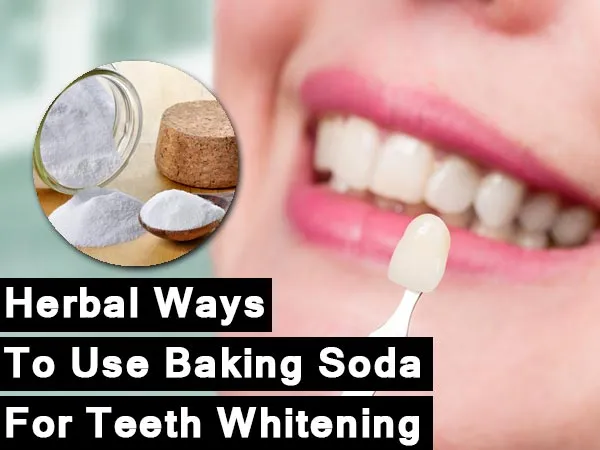
Understanding Teeth Whitening Baking Powder
Achieving a brighter smile is a common goal, and many people explore various methods for teeth whitening. Among the numerous options, baking powder has gained popularity as a potential DIY solution. This guide delves into the world of using baking powder for teeth whitening, providing a comprehensive overview of its benefits, risks, and proper usage. We will explore how baking powder works, how to use it safely, and what alternatives are available for those seeking different approaches to achieve a radiant smile. This is a crucial step toward understanding the role of baking powder in your oral hygiene routine.
What is Baking Powder?
Baking powder is a leavening agent commonly used in baking to help dough and batters rise. It typically consists of baking soda (sodium bicarbonate), an acidifying agent (like cream of tartar or sodium aluminum sulfate), and a drying agent (such as cornstarch). When mixed with a liquid, baking powder produces carbon dioxide gas, which creates bubbles and causes the baked goods to expand. While primarily used in cooking, its mild abrasive properties have led to its exploration as a potential teeth-whitening agent. However, it’s essential to understand the distinction between baking powder and baking soda to use either effectively and safely.
Baking Soda vs Baking Powder

Many people often confuse baking soda and baking powder, especially when it comes to teeth whitening. While both are used in some whitening methods, they are different substances. Baking soda (sodium bicarbonate) is a single ingredient, a mild abrasive and a base, that requires an acid to activate and produce the desired effect. Baking powder, on the other hand, is a complete leavening agent containing baking soda and an acid, so it reacts with liquids without requiring any additional ingredients. For teeth whitening, baking soda is more commonly used due to its abrasive qualities, helping to scrub away stains. However, due to the inclusion of an acid, baking powder is gentler, but less effective. Understanding the differences helps in deciding which option suits your oral care needs best. (See Image baking-soda-vs-baking-powder.webp)
How Baking Powder Whitens Teeth
Baking powder can contribute to teeth whitening through a few different mechanisms. Primarily, it acts as a mild abrasive. When used correctly, the fine particles of baking powder can gently scrub the surface of the teeth, helping to remove surface stains caused by food, drinks like coffee and tea, and other factors. The abrasive action can polish the teeth, making them appear brighter. Additionally, baking powder has alkaline properties, which can help neutralize acids in the mouth. This can create a healthier environment and potentially reduce the build-up of stains over time. However, it’s important to note that baking powder is not a bleaching agent, so it primarily removes surface stains rather than altering the intrinsic color of the teeth.
Using Baking Powder for Teeth Whitening
Ingredients You’ll Need

To use baking powder for teeth whitening, you only need a few simple items. The primary ingredient is, of course, baking powder. You’ll also need a toothbrush, preferably with soft bristles to avoid damaging the enamel. Some people choose to add water to create a paste, while others might prefer using a small amount of hydrogen peroxide, although caution is advised due to its potential to cause sensitivity. A small container or bowl for mixing can also be helpful. It’s always a good idea to have a clean area and a mirror for easy application. Remember, simplicity is key, and it’s always a good idea to have all of your ingredients ready before you start the process. (See Image baking-powder-ingredients.webp)
Step-by-Step Guide
Here’s how to use baking powder for teeth whitening. Start by placing a small amount of baking powder into a clean container. You can add a small amount of water, just enough to create a paste-like consistency. Dip your toothbrush into the paste, ensuring that you don’t overload it. Gently brush your teeth using circular motions, covering all surfaces. Brush for about two minutes, paying close attention to areas with visible stains. After brushing, rinse your mouth thoroughly with water to remove any remaining baking powder. Be careful not to swallow the mixture. This process should be done cautiously, and it is not a daily routine, rather a solution to use a few times a week, depending on your teeth sensitivity.
Application Techniques
Effective and safe application is key when using baking powder for teeth whitening. First, it’s crucial to use a soft-bristled toothbrush to minimize the risk of abrasion to your enamel. Brush gently, applying minimal pressure to avoid damaging your teeth or gums. Focus on the areas where stains are most visible. Avoid scrubbing harshly; the mild abrasive action of the baking powder will do the work, but being too rough can lead to sensitivity. After brushing, rinse your mouth thoroughly to remove all traces of the baking powder paste. Be sure not to swallow any of the mixture. It is recommended to limit the use of this method to a few times per week to prevent any potential adverse effects. (See Image teeth-whitening-application.webp)
Tips for Safe and Effective Whitening

Frequency and Dosage
To maintain optimal oral health while using baking powder for teeth whitening, moderation is essential. It’s generally recommended to use baking powder no more than two to three times a week. Overuse can erode enamel, increasing sensitivity and potentially leading to other dental problems. When applying, use only a small amount of baking powder each time. A little goes a long way, and using more won’t necessarily improve results but can increase the risk of enamel damage. Monitor your teeth for any signs of increased sensitivity or discomfort, and adjust the frequency of use as needed. If you experience any negative effects, it is important to discontinue its use and consult your dentist. (See Image healthy-smile.webp)
Potential Risks and Side Effects
While baking powder can offer some teeth-whitening benefits, it also comes with potential risks. One of the primary concerns is enamel erosion. Prolonged or excessive use can wear down the enamel, making teeth more sensitive to temperature changes and increasing the risk of cavities. Gum irritation is another possible side effect, as the abrasive nature of baking powder can be harsh on gum tissue. Some individuals may experience increased tooth sensitivity. It’s crucial to be aware of these risks and to use baking powder cautiously and sparingly. If you experience any adverse effects, such as increased sensitivity or gum irritation, discontinue use and consult a dentist. (See Image teeth-sensitivity.webp)
Alternatives to Baking Powder

Professional Teeth Whitening Options
For those seeking more significant and lasting teeth-whitening results, professional options are available. Professional teeth whitening involves treatments performed by a dentist, using stronger bleaching agents than those found in over-the-counter products or baking powder. These treatments can provide dramatic improvements in tooth color, and the dentist can monitor the process to minimize any risks. Professional whitening can be done in-office, where the procedure takes about an hour, or through take-home kits provided by your dentist. In-office treatments offer immediate results, while take-home kits provide a more gradual whitening effect. Consulting your dentist is the best way to determine the most suitable professional whitening option for your needs. (See Image professional-teeth-whitening.webp)
Over-the-Counter Whitening Products
If professional teeth whitening isn’t the preferred option, several over-the-counter products offer an alternative. These include whitening toothpastes, strips, and gels. Whitening toothpastes typically contain mild abrasives and bleaching agents to remove surface stains. Whitening strips are thin, flexible strips coated with a peroxide-based whitening gel, and are applied directly to the teeth. Whitening gels can be applied using a tray, similar to those used for professional treatments. When choosing an over-the-counter product, it is essential to follow the instructions carefully and be aware of potential side effects like sensitivity. While over-the-counter products may not provide the same level of whitening as professional treatments, they can be a convenient and affordable option for improving the brightness of your smile. (See Image over-the-counter-whitening.webp)
Conclusion

Using baking powder for teeth whitening can be a low-cost and accessible method, but it’s essential to approach it with caution and awareness of both the potential benefits and risks. While it can help remove surface stains, it’s not a substitute for professional treatments. Using baking powder sparingly, combined with good oral hygiene practices and considering professional options, is the safest approach. Always consult your dentist if you have concerns or experience any adverse effects. Ultimately, the goal is to achieve a brighter smile while maintaining and protecting your overall oral health, so it is important to make informed decisions and prioritize a healthy approach to teeth whitening. Consider professional advice before starting any new teeth-whitening routine for optimal results.