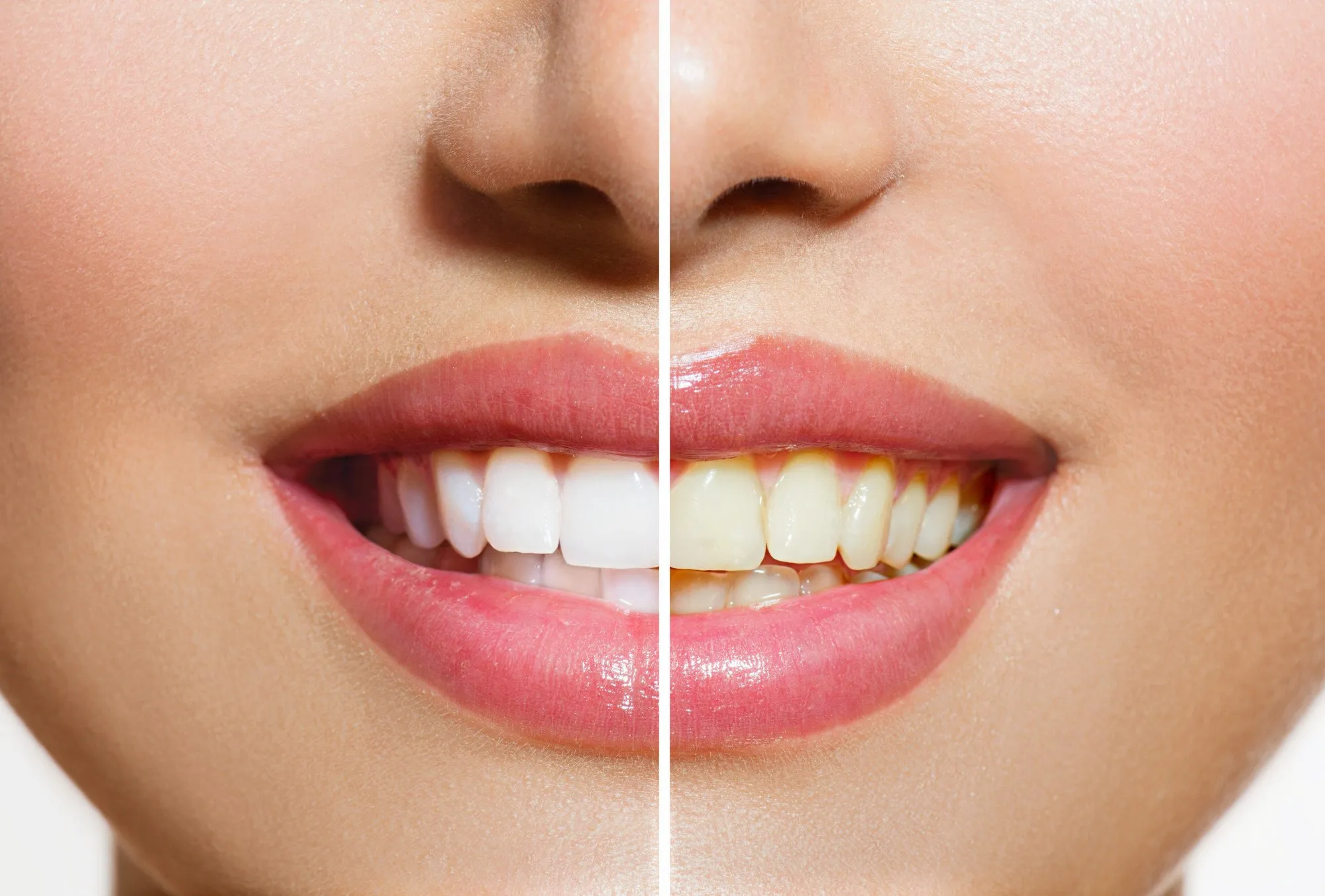
Understanding Teeth Whitening
Teeth whitening is a popular cosmetic dental procedure designed to lighten the shade of your teeth and remove stains or discoloration. It’s a sought-after treatment for those looking to enhance their smile and boost their confidence. The process works by using bleaching agents, typically hydrogen peroxide or carbamide peroxide, to break down stains and discoloration within the enamel. This can be an incredibly effective way to achieve a brighter, more youthful-looking smile. However, it’s important to understand that the longevity of teeth whitening results can vary widely depending on several factors. Understanding these factors can help you make informed decisions about your teeth whitening journey and maintain your results for as long as possible. This is an important aspect to consider when you are planning to have the treatment.
How Teeth Whitening Works
The fundamental principle behind teeth whitening involves the oxidation of the tooth’s enamel. The active ingredients in whitening products, usually hydrogen peroxide or carbamide peroxide, penetrate the enamel and dentin, breaking down the stain molecules. These molecules are then dispersed, leading to a lighter, brighter appearance of the teeth. Professional whitening treatments often use higher concentrations of bleaching agents, yielding quicker and more dramatic results compared to at-home options. The process is generally safe, but it is crucial to follow the instructions provided by your dentist or the product manufacturer. The effectiveness of the whitening process also depends on the type of stains present. Surface stains, caused by foods and drinks, are typically easier to remove than deeper stains, such as those caused by certain medications or dental conditions.
The Different Types of Teeth Whitening Treatments

Teeth whitening treatments are available in several forms, each with its own set of advantages and disadvantages. The two main categories are professional and at-home treatments. Professional whitening, performed by a dentist, offers the most potent bleaching agents and can provide immediate and significant results. These treatments often involve multiple sessions and may incorporate special lights or lasers to accelerate the whitening process. At-home options include over-the-counter products like whitening strips, toothpastes, and mouthwashes. These products contain lower concentrations of bleaching agents and offer a more gradual whitening effect. Custom-fit trays, prescribed by a dentist, also fall under the at-home category. These trays are filled with a whitening gel and worn for a specific amount of time each day. The choice between these options depends on individual needs, the severity of discoloration, and personal preferences. Consulting a dentist can help determine the most suitable treatment for your specific situation.
Professional Teeth Whitening
Professional teeth whitening, or in-office bleaching, is the fastest and most effective way to achieve a significantly whiter smile. Dentists use high-concentration peroxide gels, which are applied to the teeth. The process usually involves a protective barrier to shield the gums and soft tissues, and the procedure is often completed in a single visit, lasting about an hour. In-office treatments may also use specialized lights or lasers to enhance the bleaching action. These lights accelerate the breakdown of stain molecules, resulting in a brighter and more uniform whitening effect. One significant advantage of professional whitening is the dentist’s ability to monitor the process and address any sensitivity or side effects that may arise. Additionally, dentists can provide personalized recommendations for aftercare and maintenance to ensure the longevity of the results. Although professional treatments are typically more expensive than at-home options, they deliver superior results and offer a safe and controlled environment for the whitening process.
At-Home Teeth Whitening Options
At-home teeth whitening offers a more convenient and cost-effective alternative to professional treatments. Several options are available, including over-the-counter whitening strips, toothpastes, and custom-fit trays prescribed by a dentist. Whitening strips are a popular choice, as they are easy to use and readily available. They contain a peroxide-based bleaching agent that adheres to the teeth, providing a gradual whitening effect. Whitening toothpastes and mouthwashes often contain mild abrasives and bleaching agents, helping to remove surface stains and prevent new ones. For more customized results, dentists can provide custom-fit trays, which are filled with a whitening gel and worn for a specific time each day. These trays ensure even application of the bleaching agent and can yield more noticeable results than over-the-counter products. While at-home treatments are generally safe, it is essential to follow the product instructions carefully and consult with a dentist, especially if you have sensitive teeth or any existing dental conditions.
Factors That Influence How Long Teeth Whitening Lasts

Several factors determine how long the results of teeth whitening will last. These include your diet, lifestyle habits, oral hygiene practices, and the type of whitening treatment used. Understanding these influences is essential for maintaining your bright, white smile. Regular consumption of staining foods and beverages, such as coffee, tea, red wine, and berries, can accelerate the fading of your results. Similarly, smoking and tobacco use can stain teeth and diminish the whitening effect. Maintaining good oral hygiene, including regular brushing, flossing, and dental check-ups, plays a crucial role in preserving your bright smile. Finally, the choice of whitening treatment influences the longevity of the results, with professional treatments typically lasting longer than at-home options. Taking these factors into account can help you make informed decisions about maintaining your pearly whites.
Diet and Lifestyle
Diet and lifestyle choices significantly affect the longevity of teeth whitening. Foods and beverages with high staining potential can quickly diminish the whitening effect. Coffee, tea, red wine, dark sodas, and certain fruits and vegetables like berries are notorious for staining teeth. Avoiding or minimizing the consumption of these items can help maintain your results. Smoking and tobacco use can also accelerate the staining process, as nicotine and tar leave yellow or brown stains on the teeth. Adopting a healthy lifestyle, including a balanced diet and avoiding tobacco products, is crucial for preserving a bright smile. If you cannot completely avoid staining foods and drinks, rinsing your mouth with water or brushing your teeth after consumption can help minimize their impact. These simple habits can help extend the time your teeth stay white after treatment.
Oral Hygiene Practices
Maintaining excellent oral hygiene is paramount in preserving the results of teeth whitening. Consistent and proper oral care helps prevent the accumulation of surface stains and plaque, which can compromise your bright smile. Brushing your teeth at least twice a day with a whitening toothpaste helps remove surface stains and maintain the whiteness. Flossing daily removes plaque and debris from between your teeth, preventing stains from settling in these hard-to-reach areas. Regular dental check-ups and cleanings are essential for removing any plaque or tartar that may have accumulated and for professional stain removal. These check-ups also allow your dentist to assess your oral health and recommend any necessary treatments to maintain your teeth’s brightness. Following these simple practices helps maximize the duration of your teeth whitening results, allowing you to enjoy a beautiful, confident smile for longer.
Type of Whitening Treatment Used

The type of teeth whitening treatment you choose can impact how long your results last. Professional, in-office whitening treatments generally yield longer-lasting results compared to at-home options. This is because professional treatments use higher concentrations of bleaching agents and may incorporate special lights or lasers, leading to a deeper and more thorough whitening effect. With proper aftercare, professional whitening results can last from one to three years, or even longer. At-home whitening treatments, such as whitening strips or custom-fit trays, typically produce less dramatic results, and the effects may fade more quickly. However, these options offer convenience and affordability. The longevity of at-home whitening results can vary from a few months to a year, depending on factors like your diet, lifestyle, and oral hygiene. Consulting with your dentist can help you determine the best treatment option to achieve your desired results and maintain your bright, white smile for an extended period.
The Role of Aftercare in Maintaining Results
Proper aftercare is crucial to maintaining the results of teeth whitening. Immediately following a whitening treatment, your teeth are more susceptible to staining. Avoiding staining foods and drinks for at least the first 48 hours is essential. This includes coffee, tea, red wine, dark sodas, and strongly colored foods. Regular brushing and flossing, along with using a whitening toothpaste and mouthwash, can help prevent the accumulation of surface stains. Rinsing your mouth with water after consuming staining foods or drinks can also minimize their impact. Maintaining regular dental check-ups and cleanings is vital for professional stain removal and monitoring the overall health of your teeth and gums. Following the aftercare instructions provided by your dentist and adopting good oral hygiene habits are key to extending the longevity of your teeth whitening results and preserving your bright smile.
Top Tips to Extend Teeth Whitening Results
To maximize the duration of your teeth whitening results, follow these top tips. Firstly, avoid or minimize the consumption of staining foods and drinks. If you do consume these items, rinse your mouth with water or brush your teeth afterward. Practice excellent oral hygiene by brushing twice a day with a whitening toothpaste and flossing daily. Regular dental check-ups and cleanings are also crucial for maintaining your bright smile and removing any accumulated stains. Consider using a whitening mouthwash to further enhance your results. Avoid smoking and tobacco use, as these habits can quickly stain your teeth and diminish the whitening effect. By implementing these simple yet effective tips, you can enjoy a brighter, whiter smile for a longer time.
Regular Dental Check-ups and Cleanings

Regular dental check-ups and cleanings play a vital role in maintaining the results of teeth whitening. Professional cleanings performed by a dentist or dental hygienist remove plaque, tartar, and surface stains that can accumulate over time. These stains can dull the brightness of your teeth and compromise the whitening effect. During a check-up, your dentist will also assess your overall oral health, identifying any potential issues that could affect your teeth’s appearance and recommending appropriate treatments. Routine check-ups and cleanings are usually recommended every six months, or as directed by your dentist. These appointments not only help maintain a bright, white smile but also contribute to your overall oral health and hygiene.
Avoiding Staining Foods and Drinks
One of the most effective ways to prolong your teeth whitening results is to avoid or minimize the consumption of staining foods and drinks. Certain substances contain pigments that can easily adhere to the enamel, causing discoloration. Common culprits include coffee, tea, red wine, dark sodas, and highly pigmented fruits and vegetables like berries. If you cannot completely eliminate these items from your diet, consuming them in moderation and rinsing your mouth with water immediately afterward can help reduce their impact. Using a straw when drinking dark beverages can also help minimize contact with your teeth. Being mindful of your dietary choices and making conscious efforts to avoid staining substances will significantly contribute to preserving your bright, white smile for an extended period.
Using Whitening Toothpaste and Mouthwash
Incorporating whitening toothpaste and mouthwash into your daily oral hygiene routine can help maintain your teeth’s brightness and extend the results of your whitening treatment. Whitening toothpastes typically contain mild abrasives or chemical agents that help remove surface stains and prevent new ones. However, it is important to choose a toothpaste that is gentle enough to avoid damaging your enamel. Whitening mouthwashes often contain similar ingredients and help reach areas that brushing might miss. They freshen your breath and contribute to overall oral hygiene. Using these products in conjunction with proper brushing and flossing can significantly enhance your efforts to maintain a bright, white smile. Be sure to consult with your dentist to choose products that are suitable for your specific needs and oral health condition.
When to Consider Retreatment

Over time, your teeth whitening results will naturally fade. The duration of the whitening effect varies depending on individual habits and care. When you notice your teeth are no longer as bright as desired, it may be time to consider retreatment. The frequency of retreatment depends on the initial whitening method, the type of aftercare, and your lifestyle. Professional whitening treatments typically last longer, allowing for retreatment every one to three years. At-home options might require more frequent touch-ups, such as every six months to a year. Consulting with your dentist is the best way to determine the most appropriate retreatment schedule for your particular situation. They can assess your teeth’s condition, discuss your goals, and recommend the most suitable approach to restoring your bright, white smile.
Signs Your Teeth Whitening Is Fading
Recognizing the signs that your teeth whitening is fading is crucial for maintaining a bright smile. The most obvious sign is a gradual decrease in the whiteness of your teeth. You might notice that your teeth are no longer as bright as they were immediately after the whitening treatment. New stains might also start to appear, especially if you consume staining foods and drinks regularly. These stains could be yellow, brown, or other shades, depending on the substances that caused them. Increased sensitivity to cold or hot foods and drinks could indicate the enamel is thinning, which can make the teeth appear less white. If you observe these signs, it’s a good idea to consult with your dentist. They can evaluate your situation and recommend appropriate measures to restore your teeth’s brightness and prevent further staining.
How to Schedule a Touch-Up Treatment
If you notice your teeth whitening results are fading, it’s essential to schedule a touch-up treatment to restore your bright smile. The first step is to consult with your dentist. They can assess your teeth’s current shade, evaluate your oral health, and recommend the best course of action. Your dentist might suggest an in-office touch-up, a course of at-home whitening using custom-fit trays, or over-the-counter options. The decision depends on several factors, including your original whitening treatment, the extent of the fading, and your budget. Ensure you follow all the aftercare instructions provided by your dentist or the product manufacturer to maintain your results. Regular check-ups and cleanings are crucial, as they help remove surface stains and maintain your teeth’s overall brightness. By proactively scheduling touch-up treatments, you can ensure that your smile remains radiant for years to come.
The Importance of Consulting with a Dentist

Consulting with a dentist is crucial for several reasons when it comes to teeth whitening. First, a dentist can assess your oral health and determine if teeth whitening is appropriate for you. They will check for any underlying issues like cavities, gum disease, or existing dental work that could be affected by the treatment. Dentists also have the expertise to recommend the most suitable whitening method based on your needs and expectations. They can guide you through the different options, explaining the pros and cons of each. Furthermore, a dentist can provide professional teeth whitening treatments, which are generally more effective and safer than at-home options. Dentists offer valuable aftercare instructions and advice to help you maintain your results for longer. Overall, seeking professional dental guidance ensures a safe, effective, and personalized approach to achieving a brighter, more confident smile.