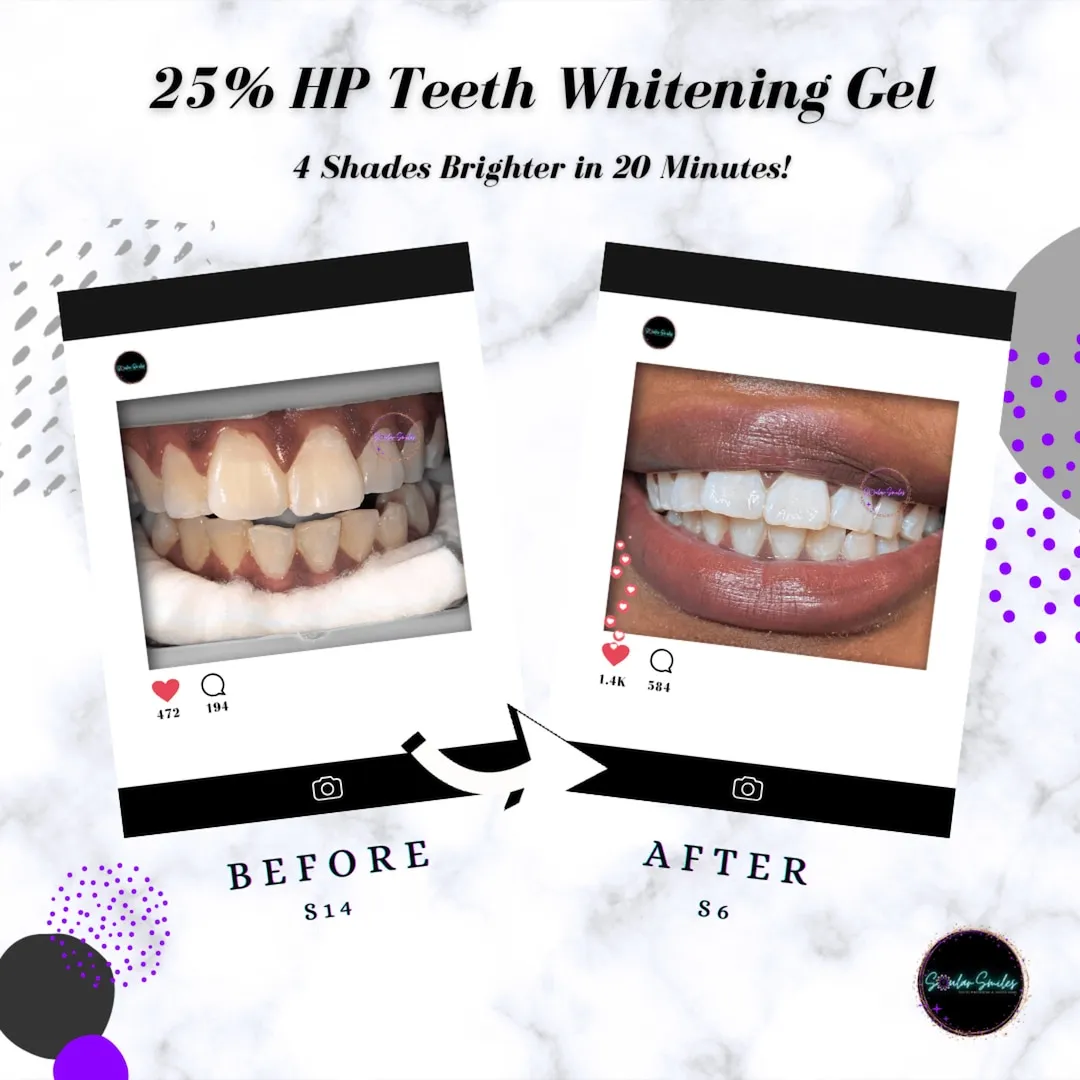
What is Teeth Whitening Gel
Teeth whitening gel with peroxide is a popular cosmetic dental product designed to lighten the color of your teeth. It’s typically available over-the-counter and in professional dental settings. This gel contains a bleaching agent, usually hydrogen peroxide or carbamide peroxide, which penetrates the enamel of the teeth to break down stains and discoloration. The effectiveness can vary depending on the concentration of peroxide, the application method, and the type of stains present. Many people opt for teeth whitening gel as a convenient and relatively affordable way to enhance their smiles, boosting their confidence and improving their overall appearance. Understanding the basics of how this product works is the first step to a brighter smile.
The Science Behind Peroxide
Peroxide, in the context of teeth whitening gel, acts as the primary bleaching agent. Hydrogen peroxide, a common ingredient, works by releasing oxygen molecules when it comes into contact with your teeth. These oxygen molecules then react with the stain molecules embedded in the enamel. This chemical reaction breaks the stain molecules into smaller, less visible particles, thus lightening the overall color of the tooth. The concentration of peroxide directly impacts the speed and effectiveness of the whitening process. Higher concentrations can lead to faster results, but they also increase the risk of sensitivity. Carbamide peroxide, another common agent, breaks down into hydrogen peroxide, providing a slower, more sustained release of the bleaching agent, which can be gentler on the teeth.
How Peroxide Works for Whitening

The effectiveness of peroxide in teeth whitening lies in its ability to oxidize the stain molecules within the tooth enamel. As the peroxide penetrates the porous enamel, it interacts with the organic stains, which are often caused by food, drinks (like coffee and tea), and tobacco. The oxygen released from the peroxide breaks down these larger stain molecules, effectively dissolving them. This process doesn’t damage the tooth structure itself; it simply alters the way light reflects off the tooth’s surface, making it appear whiter. The longer the peroxide is in contact with the teeth, the more effective the whitening process. This is why different whitening methods (such as strips or trays) recommend varying application times.
Choosing the Right Teeth Whitening Gel
Selecting the appropriate teeth whitening gel is essential for achieving desired results while minimizing potential risks. Several factors influence this decision, including the concentration of peroxide, the application method, and the presence of any sensitivity issues. Gels with higher concentrations of peroxide usually offer quicker whitening results, but they can also increase the likelihood of tooth sensitivity and gum irritation. Consider your current oral health condition and any history of sensitivity. For those with sensitive teeth, gels with lower peroxide concentrations or alternative whitening agents might be preferable. Application methods include brush-on gels, custom trays, and pre-filled strips, each with its own set of advantages and disadvantages. Consult your dentist for personalized advice.
Understanding Peroxide Concentrations
Teeth whitening gels come in various peroxide concentrations, typically ranging from low percentages (around 3%) for over-the-counter products to higher percentages (up to 40%) used by dental professionals. The concentration determines the speed and intensity of the whitening process. Lower concentrations are generally safer for home use, reducing the risk of sensitivity, but may require longer application periods. Higher concentrations can produce dramatic results more quickly but can cause increased sensitivity and require professional supervision. It is important to choose a product with a concentration suitable for your dental condition and your tolerance for sensitivity. Your dentist can guide you in making the best choice for your needs, considering the health of your teeth and gums.
Factors to Consider

When selecting a teeth whitening gel, several factors should influence your decision. Consider the severity of your teeth discoloration and the desired outcome. If you have severe stains, a higher concentration might be necessary, but always with careful consideration of potential sensitivity. Also, assess your oral health. If you have existing fillings, crowns, or other dental work, the whitening gel will not affect these restorations; therefore, they may not match your newly whitened teeth. Moreover, consider your budget, as different products vary significantly in price. Finally, be realistic about the results. While teeth whitening can significantly improve your smile, it may not achieve perfect whiteness, and results vary among individuals.
How to Apply Teeth Whitening Gel
The application process for teeth whitening gel depends on the specific product and method you choose. Always start by thoroughly brushing and flossing your teeth to remove any surface debris. If using a tray-based system, apply the gel evenly into the tray according to the product instructions, ensuring it makes contact with the tooth surfaces. If using a brush-on gel, apply a thin layer to each tooth, avoiding contact with the gums. Ensure that you follow the time specified on the product packaging. After the application, avoid eating or drinking anything, especially items that could stain your teeth. Rinse your mouth with water and clean your teeth. Consistency and adherence to the instructions are key for achieving optimal results.
Step-by-Step Application Guide
To apply teeth whitening gel effectively, follow these steps. First, brush and floss your teeth to remove any plaque or debris. If using a tray system, load the whitening gel into the tray, using the amount specified by the manufacturer. Insert the tray carefully, making sure the gel covers the surfaces of your teeth. For brush-on gels, apply a thin layer of the gel to each tooth. Carefully follow the instructions, and avoid getting gel on your gums, as this can cause irritation. Once the application time is up, remove the tray or rinse your mouth thoroughly. It’s vital to stick to the recommended application time to avoid overexposure, and the gel should be used at the correct intervals recommended on the product packaging for safe and effective results.
Tips for Effective Application

Maximize the effectiveness of your teeth whitening gel by following these application tips. Always brush and floss your teeth before applying the gel to remove any food particles or plaque that could prevent the gel from fully contacting your teeth. Apply the gel evenly, ensuring complete coverage of the tooth surfaces. Avoid overfilling trays, and prevent the gel from touching your gums. If you experience any gel on your gums, wipe it off immediately. Avoid eating or drinking anything (except water) during the whitening process. For best results, be consistent with your applications. Follow the manufacturer’s recommendations precisely regarding the frequency and duration of use. It’s advisable to consult your dentist to know the right procedure.
Maintaining Your Results
Maintaining the results of your teeth whitening treatment is crucial for a long-lasting bright smile. This involves a combination of good oral hygiene practices and mindful lifestyle choices. Regular brushing and flossing help remove surface stains and prevent new ones from forming. Consider using a whitening toothpaste to boost the effects. Periodic touch-up treatments may be necessary to maintain your desired shade, especially if you consume staining foods and beverages. Regular dental check-ups and cleanings will also help to keep your teeth bright and healthy. Be proactive in caring for your teeth.
Post-Whitening Care
After teeth whitening, proper care helps sustain the results and minimizes any adverse effects. For at least a week following the treatment, avoid foods and drinks that can stain your teeth, such as coffee, tea, red wine, berries, and dark sauces. During this period, your teeth are more susceptible to staining. Continue to brush and floss regularly, and consider using a whitening toothpaste. Drink plenty of water to stay hydrated and help rinse away any remaining gel. If you experience any sensitivity, use a toothpaste designed for sensitive teeth. Consult your dentist if you have any concerns or notice prolonged discomfort. Proper care is key to maintaining a bright and healthy smile.
Dietary Recommendations

To maintain the brilliance of your whitened teeth, dietary choices play a vital role. Minimize the consumption of staining foods and beverages, like coffee, tea, red wine, cola, and dark-colored fruit juices. Foods such as berries, beets, and soy sauce can also contribute to staining. Choose lighter-colored foods like chicken, fish, rice, and pasta. When you consume staining foods, it’s advisable to drink water immediately afterward to help rinse away the stains. Use a straw for beverages to minimize contact with your teeth. A balanced diet, rich in calcium and nutrients, supports overall oral health, contributing to a beautiful and healthy smile. Remember that staying away from food that causes stain is key to keeping your teeth white.
Potential Side Effects and How to Manage Them
Teeth whitening gel with peroxide, while effective, can sometimes cause side effects. The most common side effects are tooth sensitivity and gum irritation. Sensitivity typically occurs due to the peroxide penetrating the enamel and affecting the nerves within the teeth. Gum irritation can result from the gel’s contact with the soft tissues. Managing these side effects includes using toothpaste for sensitive teeth, reducing the application time or frequency, or using a lower concentration of peroxide. If irritation is severe, consult your dentist. They may suggest a professional fluoride treatment or other solutions. Understanding the possible side effects and taking preventive measures can help you to achieve a brighter smile with minimal discomfort.
Sensitivity and Irritation
Tooth sensitivity is a common side effect of teeth whitening. This can range from a mild tingling sensation to sharp pain when consuming cold or hot foods and drinks. Gum irritation can manifest as redness, swelling, and tenderness. If you experience sensitivity, you may try using a toothpaste specifically designed for sensitive teeth, which contains ingredients like potassium nitrate. You can reduce the application time or frequency to minimize exposure. For gum irritation, make sure the gel does not come into contact with the gums and rinse your mouth thoroughly after each application. If symptoms persist or worsen, consult your dentist. They might recommend a fluoride treatment to strengthen the enamel and alleviate sensitivity.
Alternatives and Natural Remedies

If you’re looking for alternatives to teeth whitening gel with peroxide, or you simply prefer natural remedies, several options are available. Some people find that using activated charcoal can help remove surface stains. Others try oil pulling, swishing coconut oil in their mouths for a specific period to draw out impurities. Baking soda and lemon juice are sometimes used; however, due to their acidity, it’s vital to use these with caution to avoid potential enamel erosion. Whitening toothpastes also offer a gentler approach to brightening your smile. Remember that these alternatives are often less effective than peroxide-based treatments. Consulting with your dentist can guide you in selecting the best option for your particular needs.
Professional Whitening Options
Professional teeth whitening offers a more potent and controlled approach to achieving a brighter smile. Dentists use higher concentrations of peroxide than over-the-counter products and can also offer in-office treatments. In-office whitening involves applying a strong whitening agent to your teeth and activating it with a special light or laser. Another option involves custom-fitted trays that you wear at home, using a higher-concentration gel. Professional whitening can produce more dramatic results more quickly than home-based treatments, under the supervision of a dental professional. This is an excellent option for those who need significant whitening or have stubborn stains. The dentist can also monitor your progress and manage any side effects that may occur.
Benefits of Professional Treatments
Professional teeth whitening treatments offer several advantages over home-based methods. The primary benefit is the speed and effectiveness of the results. Dentists can use higher concentrations of peroxide, yielding quicker and more dramatic whitening. Professional treatments also provide a level of safety and precision, as they are administered by trained professionals who can monitor your oral health and minimize the risks of sensitivity and gum irritation. Dentists can address any underlying issues or concerns, such as cavities or gum disease, before starting the whitening process. They can also provide custom-fitted trays, ensuring the gel makes optimal contact with your teeth. Professional teeth whitening also offers a more consistent and predictable outcome.
Teeth Whitening Gel FAQs

To help you better understand teeth whitening gel with peroxide, here are some frequently asked questions.
Do teeth whitening gels damage enamel? Generally, when used as directed, they don’t cause significant damage. However, overuse or using a high concentration can lead to enamel erosion.
How long do the results of teeth whitening last? The results vary depending on your lifestyle and diet. The outcome can last from a few months to several years.
Can teeth whitening gel be used on all teeth? The gel will whiten natural teeth but will not affect fillings, crowns, or veneers.
Is teeth whitening safe during pregnancy? It is generally advised to consult with your dentist before using teeth whitening products during pregnancy.
Is it possible to over-whiten teeth? Yes, excessive whitening can make teeth appear translucent or have an unnatural appearance. Follow the instructions and consult with your dentist.
Remember to consult your dentist for personalized guidance and care.