What Are Dental Fillings
Dental fillings are a cornerstone of restorative dentistry, designed to repair teeth damaged by decay, cracks, or fractures. These fillings serve the crucial purpose of restoring the tooth’s structure and preventing further damage. They effectively seal the space where decay or damage once existed, which helps to prevent bacteria from further penetrating the tooth. Fillings are essential for preserving the health of your teeth, and they can help to restore your ability to chew and speak properly. Several different types of materials are used for dental fillings, each with unique properties and suitability for various situations. Understanding what dental fillings are and what they do is the first step in understanding how they interact with teeth whitening treatments.
Types of Fillings and Their Characteristics
The choice of filling material often depends on the location and extent of the damage, as well as the patient’s preferences and the dentist’s recommendations. The two most common types of fillings are amalgam and composite fillings. Each of these materials has its own distinct set of characteristics, including appearance, durability, and how they interact with whitening treatments. Knowing the type of filling you have is important as it directly impacts how your teeth whitening journey will go, especially whether the fillings themselves will change color with the treatment. Other materials such as glass ionomer and ceramic are also used but less frequently.
Amalgam Fillings

Amalgam fillings, often referred to as silver fillings, have been a reliable choice for many years. They are made from a mixture of metals, primarily silver, tin, copper, and mercury. Amalgam fillings are known for their strength and durability, making them a good option for back teeth where chewing forces are the greatest. They are generally more affordable than other types of fillings. However, the metallic appearance of amalgam fillings can be a drawback for some, as they are noticeable when you smile. Also, there is the ongoing discussion surrounding mercury content, which may be a concern for some patients. With the rise of more aesthetically pleasing materials, their use has decreased over the years.
Composite Fillings
Composite fillings, also known as tooth-colored fillings, are made from a mixture of plastic and glass. They are designed to match the natural color of your teeth, making them a more aesthetically pleasing option. Composite fillings are often preferred for front teeth, where appearance is a priority. They bond directly to the tooth structure, which can help to strengthen the tooth. Composite fillings can be less durable than amalgam fillings, especially under heavy chewing forces. They may also be more prone to staining over time. The material is often used on the front teeth because of their look and is a better choice than the alternative.
How Teeth Whitening Works
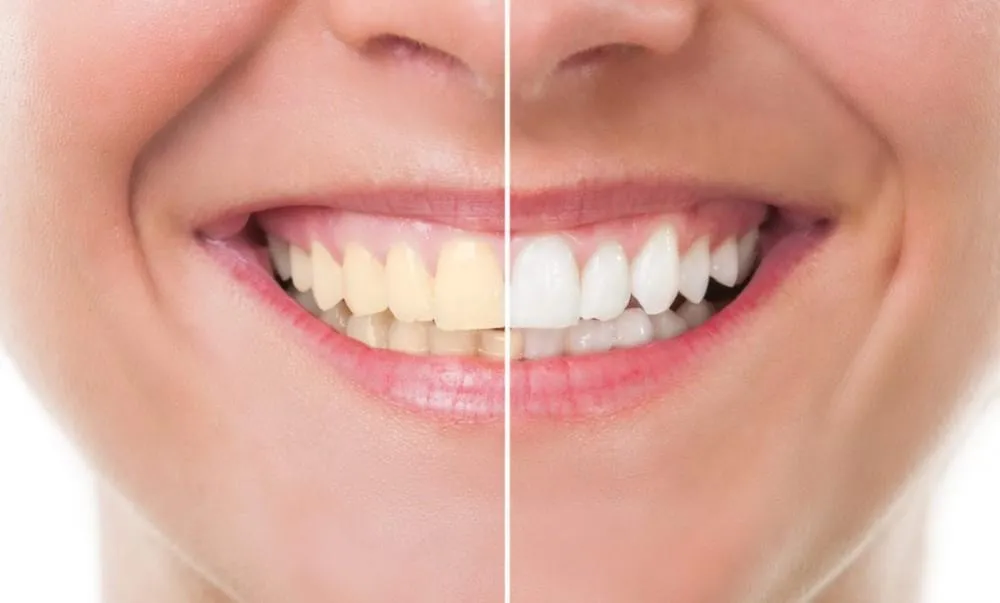
Teeth whitening is a popular cosmetic procedure that uses bleaching agents to lighten the color of your teeth. The process works by breaking down the stains and discoloration that have accumulated on the enamel of your teeth. The effectiveness of teeth whitening depends on the type of stains and the whitening method used. Professional whitening treatments offer the most dramatic and long-lasting results. At-home whitening products, such as whitening strips and toothpastes, can also be effective, although they typically produce less noticeable results. The process is most effective on natural tooth enamel, and the results on other materials such as fillings may vary.
The Whitening Process Explained

Professional teeth whitening typically involves the use of a high-concentration hydrogen peroxide gel, which is applied to the teeth by a dentist. A special light or laser may be used to accelerate the whitening process. The dentist will monitor the process and adjust the treatment as needed to achieve the desired results. At-home whitening products usually contain lower concentrations of bleaching agents and are applied using trays or strips. They generally require more time to produce visible results. Regardless of the method used, it is important to follow the instructions carefully to avoid damaging your teeth or gums. Results will vary on a case-by-case basis and may not be the same for everyone.
What Happens to Fillings During Whitening
The way fillings react to teeth whitening treatments depends largely on the material the filling is made from. Generally, amalgam fillings do not change color when exposed to whitening agents. Composite fillings may experience some discoloration, but they do not typically lighten in the same way that natural teeth do. This can lead to a mismatch in color between the whitened teeth and the fillings, making the fillings appear more noticeable. It is important to discuss any concerns you have about your fillings with your dentist before starting a teeth whitening treatment. You can also inquire about options to make your smile look consistent even after whitening.
Does Teeth Whitening Affect Fillings
In most cases, teeth whitening treatments do not directly affect the structural integrity of fillings. However, the whitening process will not change the color of the fillings. This means that after your teeth are whitened, the fillings may stand out more because they will remain the same color, and your natural teeth will be lighter. The contrast between your whitened teeth and the fillings can affect the overall appearance of your smile. The extent of this effect will depend on the number, size, and location of the fillings, as well as the shade of your original teeth and fillings. It’s also important to note that whitening agents can sometimes cause sensitivity in teeth, which may be more noticeable if you have fillings.
Why Fillings Do Not Whiten

The reason why fillings do not whiten is due to the composition of the materials used in fillings. Whitening agents, such as hydrogen peroxide or carbamide peroxide, work by penetrating the enamel of the teeth and breaking down the stain molecules. These agents cannot penetrate or alter the materials used in fillings. Amalgam fillings are composed of a mixture of metals that are not affected by the whitening agents. Composite fillings, although they can sometimes absorb stains, do not have the same porous structure as natural teeth and therefore do not respond to the whitening process in the same way. Therefore, teeth whitening will not affect their color.
The Impact of Whitening Agents on Fillings
While whitening agents won’t change the color of your fillings, they can sometimes cause minor surface changes. For example, they may slightly roughen the surface of composite fillings, which could make them more susceptible to staining over time. However, this effect is generally not significant. The primary impact of whitening agents on fillings is the contrast they create between the whitened teeth and the unchanged fillings. This contrast is more noticeable with composite fillings because they are designed to match the natural tooth color. With amalgam fillings, the contrast is less obvious due to their metallic appearance. Proper care after teeth whitening is important to minimize any adverse effects on the fillings, and to ensure the longevity of your smile.
How to Whiten Teeth with Fillings
If you have fillings and want to whiten your teeth, there are several strategies you can consider. One option is to whiten your teeth before getting fillings. This way, your dentist can match the color of the fillings to your whitened teeth. Another option is to replace the fillings after you whiten your teeth. This is particularly relevant for composite fillings as the existing fillings can be replaced with new ones that match your lighter, whitened teeth. Your dentist will be able to guide you through the most appropriate choices based on your specific case. This can help you ensure a consistent and natural-looking result.
Options for Addressing Discolored Fillings

If your fillings are discolored after teeth whitening, several options can help improve the appearance of your smile. The best choice for you will depend on the type, number, and location of your fillings, as well as your personal preferences. It’s very important to consult with your dentist to determine the best course of action. They can assess your specific situation and offer personalized advice. With the right approach, you can achieve a brighter, more attractive smile.
Replacement of Fillings
Replacing existing fillings with new ones is a common and effective solution to address the mismatch in color. After whitening your teeth, you can have your dentist replace your existing fillings with new composite fillings that match the shade of your whitened teeth. This will give you a consistent, natural-looking smile. It is important to note that replacing fillings is a more permanent solution and will require dental work, so be sure to have a discussion with your dentist about the long-term implications and considerations.
Bonding and Veneers
For more extensive cosmetic improvements, you may consider dental bonding or veneers. Dental bonding involves applying a tooth-colored resin to the surface of your teeth to improve their shape, size, and color. This is a less invasive procedure than veneers and can be a good option if your fillings are only slightly discolored. Veneers are thin shells that are custom-made to fit over your teeth, and they are used to correct more significant cosmetic issues. Both bonding and veneers can effectively address discolored fillings, providing a more uniform and aesthetically pleasing smile. Veneers can transform your smile, but they are a more permanent and expensive solution. Consulting with your dentist is key to determining which option is right for you.
Maintaining White Teeth with Fillings

Once you have whitened your teeth, proper oral hygiene is essential to maintain your results and prevent future discoloration. This is particularly important if you have fillings, as the fillings themselves will not whiten. A consistent oral hygiene routine, combined with professional dental care and certain lifestyle choices, can help to keep your smile bright and healthy. Remember, taking care of your teeth is an ongoing process that requires a committed effort. By following these tips, you can keep your smile shining for years to come.
Proper Oral Hygiene Techniques
Brush your teeth at least twice a day for two minutes each time, using a soft-bristled toothbrush and fluoride toothpaste. Floss daily to remove plaque and food particles from between your teeth and around your fillings. Consider using an interdental brush or water flosser to clean areas that are difficult to reach with regular flossing. The proper cleaning and care of your teeth, including your fillings, is key. By keeping your teeth and gums clean, you will help to maintain your white teeth and prevent new stains. These habits will also improve your overall oral health.
Regular Dental Checkups
Visit your dentist for regular checkups and professional cleanings. Your dentist can assess the condition of your fillings, check for any signs of decay, and remove any surface stains that may have developed. Professional cleanings can also help to remove plaque and tartar, which can contribute to tooth discoloration. Regular checkups are also an opportunity to discuss any concerns you may have about your teeth or fillings and to receive personalized advice on maintaining a bright, healthy smile. Your dentist is a valuable partner in your journey toward optimal oral health.
Foods and Drinks to Avoid
Certain foods and drinks can stain your teeth and diminish the results of teeth whitening. Limit your consumption of coffee, tea, red wine, and dark-colored sodas. Avoid tobacco products, as they can also cause staining. Consider rinsing your mouth with water after consuming staining foods and drinks. Additionally, try to minimize your consumption of highly acidic foods and drinks, as they can erode your enamel, making your teeth more susceptible to staining. Eating a balanced diet and maintaining healthy habits can help to keep your teeth bright and your fillings looking their best.
Alternatives to Whitening
If you are not a candidate for teeth whitening or if you prefer to avoid it, there are alternative methods to improve the appearance of your smile. These alternatives focus on either removing surface stains or masking discoloration. Talk to your dentist about which approach is right for you and your goals. They can help you explore various options and recommend the most suitable solutions to achieve the smile you desire. Remember that every patient is different, and finding the best fit for your particular circumstances is key.
Professional Cleaning and Polishing
Professional dental cleaning and polishing can effectively remove surface stains and improve the brightness of your teeth. During a cleaning, your dentist or hygienist will remove plaque and tartar, which can trap stains and contribute to tooth discoloration. Polishing helps to smooth the tooth surfaces, making it more difficult for stains to adhere. While cleaning and polishing do not whiten teeth in the same way as bleaching agents, they can make a noticeable difference in the overall appearance of your smile. Regular professional cleaning is a great way to remove surface stains and make your teeth look their best.
In conclusion, understanding the interaction between teeth whitening and dental fillings is crucial for achieving the smile you desire. While teeth whitening effectively lightens the natural teeth, it does not alter the color of fillings. However, with proper planning and informed decision-making, you can still attain a beautiful and confident smile. Consult with your dentist to discuss your goals and explore the best approach for your specific needs. Together, you can create a personalized plan that ensures a bright, healthy smile for years to come.