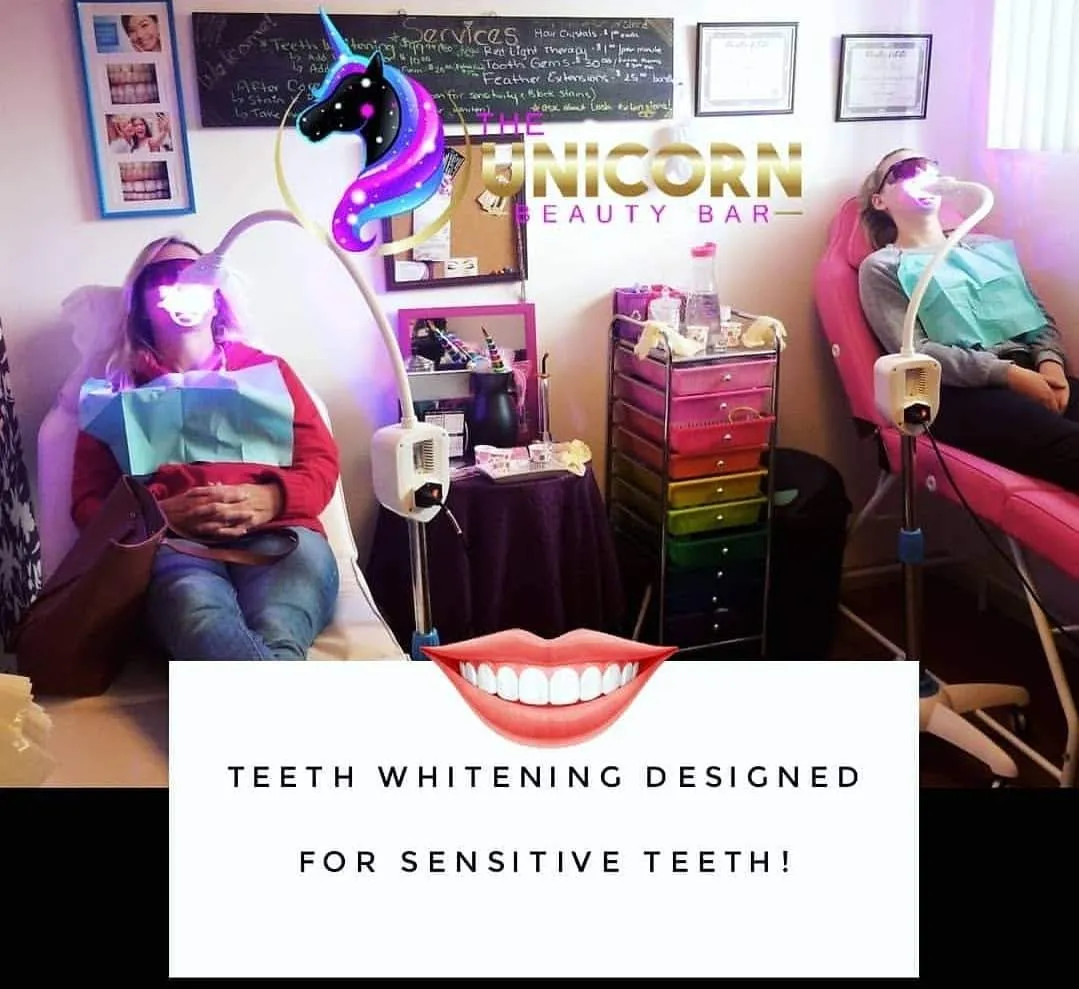
Understanding Teeth Whitening Courses
Teeth whitening courses provide comprehensive training for individuals seeking to offer professional teeth whitening services. These courses cover the science behind teeth discoloration, the various whitening methods available, and the safety protocols necessary to ensure client well-being. They are essential for anyone looking to enter the cosmetic dentistry field, providing the knowledge and skills needed to perform effective and safe treatments. Understanding the fundamentals is the first step towards mastering the art and science of creating brighter smiles.
Types of Teeth Whitening Courses
There are several types of teeth whitening courses, varying in scope and focus. Some courses are designed for beginners with no prior dental experience, while others cater to existing dental professionals looking to expand their service offerings. Courses may specialize in specific whitening techniques, such as in-office bleaching or at-home tray systems. The duration of these courses can range from a few days to several weeks, depending on the depth of the curriculum and the level of hands-on training provided. Choosing the right type depends on your background, career goals, and the specific services you plan to offer.
Hands-on Training

Hands-on training is a critical component of any teeth whitening course. It allows participants to practice techniques on models and, in some cases, on real patients under the supervision of experienced instructors. This practical experience ensures that you can confidently apply the theoretical knowledge gained during the course. During these sessions, you will learn how to assess a patient’s suitability for teeth whitening, select the appropriate whitening method, apply the whitening agents safely, and provide aftercare instructions. Proper hands-on training minimizes the risk of errors and enhances the quality of your services.
Course Curriculum Breakdown
A comprehensive teeth whitening course curriculum typically includes a blend of theoretical and practical components. Key topics covered usually encompass the anatomy of teeth, the causes of tooth discoloration, the chemistry of whitening agents, and the different whitening techniques available. The curriculum also addresses safety and hygiene protocols, patient consultation and assessment, and the management of potential complications. Additionally, you’ll learn about marketing your services, patient communication, and the legal and ethical considerations of providing teeth whitening treatments. A well-structured curriculum will prepare you to deliver professional, safe, and effective teeth whitening services.
Essential Skills to Learn
To excel in the field of teeth whitening, you need to acquire a range of essential skills. These include the ability to accurately assess a patient’s oral health, identify the causes of tooth discoloration, and determine the most suitable whitening method. You should also master the techniques for applying whitening agents, using specialized equipment, and managing potential side effects. Furthermore, effective communication skills are crucial for building rapport with patients, explaining the procedure, and providing aftercare instructions. A thorough understanding of infection control and patient safety protocols is also non-negotiable.
Choosing the Right Course

Selecting the right teeth whitening course is a crucial decision that can significantly impact your career. Consider factors such as the course curriculum, the instructors’ qualifications and experience, and the availability of hands-on training. Research the course provider’s reputation and read reviews from past participants. Ensure that the course aligns with your career goals and covers the specific techniques and technologies you are interested in learning. Check the course’s accreditation status and whether it meets the requirements for practicing teeth whitening in your region.
Course Accreditation and Certification
Accreditation and certification play a vital role in ensuring the quality and credibility of teeth whitening courses. Accreditation indicates that a course meets specific standards of education and training, often set by professional organizations or regulatory bodies. Certification, on the other hand, confirms that you have successfully completed the course and demonstrated the required skills and knowledge. When choosing a course, prioritize those with recognized accreditation and certification, as this demonstrates a commitment to quality and may be necessary for practicing teeth whitening legally.
Course Duration and Cost
The duration and cost of teeth whitening courses vary widely. Shorter courses may focus on basic techniques, while longer, more comprehensive courses cover a wider range of topics and provide more hands-on experience. The cost of a course depends on factors such as its duration, the instructors’ qualifications, the location, and the materials provided. Consider your budget, the time you can commit, and the level of training you desire when evaluating course options. Remember to factor in the cost of materials, equipment, and any required travel or accommodation.
Reading Reviews and Testimonials

Before enrolling in a teeth whitening course, always research and read reviews and testimonials from past participants. This feedback can provide valuable insights into the course’s quality, the instructors’ effectiveness, and the overall learning experience. Look for reviews that address the course curriculum, the hands-on training, the support provided, and the value for money. Contacting former students directly can also help you gather more detailed information. Pay attention to both positive and negative reviews to gain a balanced perspective and make an informed decision.
What to Expect During the Course
During a teeth whitening course, you can expect a combination of lectures, demonstrations, and hands-on practice. Instructors will share theoretical knowledge about teeth whitening techniques, oral anatomy, and safety protocols. Demonstrations will showcase proper techniques and equipment usage. The hands-on portion will provide the opportunity to practice these techniques on models or patients, under supervision. You will also be involved in discussions, Q&A sessions, and assessments to evaluate your understanding and progress. Being prepared to engage actively and ask questions will maximize your learning experience.
Daily Schedule and Activities
The daily schedule and activities of a teeth whitening course typically include lectures, practical demonstrations, and hands-on practice sessions. Lectures will cover the theoretical aspects of teeth whitening, such as the science of tooth discoloration and the chemistry of whitening agents. Demonstrations allow instructors to illustrate proper techniques and equipment usage. Practical sessions give students the chance to practice on models and, if available, on patients. Group discussions, Q&A sessions, and written or practical assessments may also be included to evaluate your comprehension and ability to apply what you have learned. The goal is to prepare you for real-world practice.
Materials and Equipment

Teeth whitening courses provide the materials and equipment necessary for learning and practicing the techniques involved. This often includes models of teeth, whitening agents, application tools, protective gear, and lighting equipment. Some courses may also supply digital imaging systems and other advanced technologies used in modern teeth whitening procedures. It is essential to understand how to use this equipment safely and effectively. You’ll also learn about the different types of materials, their properties, and how to select the most suitable ones for various situations. Proper use of the materials and equipment is a cornerstone of successful teeth whitening treatments.
Assessment and Evaluation
Assessment and evaluation are vital components of teeth whitening courses. These processes help to gauge your understanding of the course material and your ability to apply the learned skills. Assessment methods may include written exams, practical demonstrations, and observation of your performance during hands-on sessions. Instructors will provide feedback to help you identify areas for improvement and ensure you are prepared to offer safe and effective teeth whitening services. Successful completion of assessments is often required for certification and the ability to practice teeth whitening professionally.
After the Course
After completing a teeth whitening course, the journey continues. You’ll have the knowledge and skills to offer professional teeth whitening services. To maintain your expertise, continue to learn by staying up-to-date on the latest advancements and technologies. Consider establishing a marketing strategy to attract clients, and prioritize providing exceptional service to build a strong reputation. You can also explore advanced training opportunities to expand your skills and knowledge. The ultimate aim is to become a trusted and successful provider of teeth whitening services.
Career Opportunities and Options

Completing a teeth whitening course opens doors to various career opportunities and options. You could work in a dental office, a spa, a cosmetic clinic, or start your own teeth whitening business. You can provide services directly to clients or partner with other healthcare professionals. Some graduates choose to specialize in specific whitening techniques or become educators and trainers. The cosmetic dentistry field is constantly evolving, presenting diverse chances for professionals. The key is to determine what best matches your interests and ambitions. With the right training and ambition, you can create a fulfilling career in teeth whitening.
Continuing Education and Development
Continuing education and professional development are essential for success in the field of teeth whitening. As technologies and techniques evolve, it is critical to stay updated on the latest advancements. Numerous opportunities exist to further your knowledge and skills, including advanced courses, workshops, conferences, and online resources. Actively seek opportunities to learn new techniques, refine your skills, and expand your professional network. Continuing education ensures you stay at the forefront of your field and offer clients the best possible service. Continuous professional development is an investment in your future career.
Staying Updated with the Latest Trends
The field of teeth whitening is dynamic and constantly evolving, making it crucial to stay informed about the latest trends and advancements. Follow industry publications, attend conferences, and participate in webinars to stay abreast of new technologies, techniques, and materials. Social media and online platforms offer many opportunities to connect with other professionals and stay informed. Embracing innovation and learning about the latest developments ensures you can offer your clients cutting-edge services and enhance their experience. The pursuit of knowledge is key to long-term success in this field.