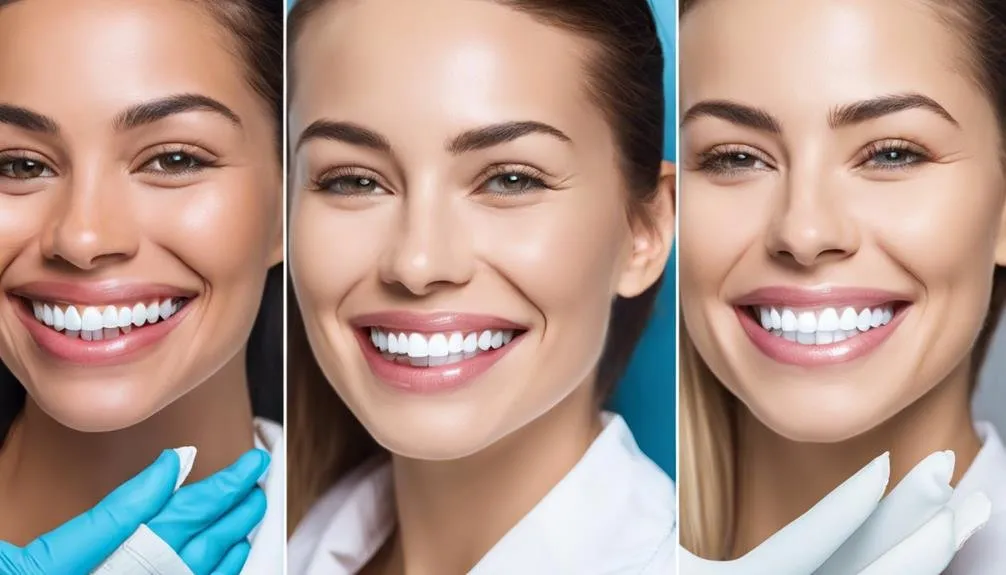
The True Cost of Teeth Whitening
Achieving a brighter, whiter smile is a common goal, and in-office teeth whitening offers a fast and effective solution. However, the cost of this procedure can vary significantly. Understanding the factors that influence the final price is crucial for making an informed decision. This article delves into the top 5 factors that determine the cost of in-office teeth whitening, providing a comprehensive guide to help you navigate the financial aspects of this popular cosmetic dentistry treatment. By knowing what contributes to the overall expense, you can better prepare for your appointment and choose the option that best suits your budget and needs. We will explore the specific elements, helping you understand why prices fluctuate and what to expect when you consult with your dentist.
Factors Influencing In-Office Teeth Whitening Cost
Several elements play a role in determining the price of professional teeth whitening. These factors combine to establish the overall cost you’ll encounter. The complexity of your case, the technology used, and the geographical location of the dental practice are among the key influencers. Other considerations include the dentist’s experience and the specific whitening system. These elements influence the final price and impact the quality and effectiveness of the treatment. This section of the guide provides a detailed analysis of each factor, allowing you to estimate the total expense.
Professional Whitening Treatment

The type of professional teeth whitening treatment you choose significantly impacts the cost. In-office whitening is typically more expensive than at-home treatments due to the advanced technology, specialized equipment, and the dentist’s expertise involved. The intensity and duration of the treatment also affect the price; more complex cases or those requiring multiple sessions will likely cost more. Professional whitening often includes a comprehensive evaluation of your oral health, customized treatment plans, and follow-up care. While the upfront cost may be higher, in-office treatments often provide more dramatic and immediate results, making them a worthwhile investment for many. It is essential to consider your specific needs and cosmetic goals when evaluating different whitening options, as each option offers varying degrees of effectiveness and convenience.
Type of Whitening System Used
The specific whitening system your dentist uses is another critical factor. Different systems utilize various concentrations of bleaching agents, such as hydrogen peroxide or carbamide peroxide, and may include special lights or lasers to accelerate the whitening process. Some systems offer advanced features and technologies, which can increase the cost. Moreover, the brand of the whitening system can affect the price, with some brands being more expensive than others. Your dentist will select a system based on factors like the level of staining, your oral health, and your desired results. Before starting the treatment, it’s a good idea to ask your dentist about the system and understand why they recommend it for your case. Understanding the benefits and features can help you make an informed decision and manage your expectations regarding cost and results.
The Dentist’s Experience and Reputation
The dentist’s experience, qualifications, and reputation influence the cost of in-office teeth whitening. Dentists with extensive experience and specialized training in cosmetic dentistry may charge more for their services. Their expertise often translates into better outcomes and a higher level of patient satisfaction. Reputable dental practices often invest in state-of-the-art equipment and technologies, contributing to higher costs. Reading reviews, checking online ratings, and asking for before-and-after photos can help you evaluate a dentist’s reputation and determine if their services align with your expectations and budget. While cost is a factor, prioritizing quality and the dentist’s skill is essential to ensure a safe, effective, and satisfying teeth whitening experience.
Location, Location, Location

The location of the dental practice is a key factor influencing the price of teeth whitening. Dental practices in major cities or affluent areas often charge more due to higher operating costs, including rent, staff salaries, and overhead expenses. Conversely, dental practices in suburban or rural areas might offer more competitive prices. The cost of living in the region also plays a role; areas with a higher cost of living tend to have higher prices for dental services. Before making a decision, it’s wise to research the pricing in your area, as costs can vary significantly even within a small geographical radius. Consider the accessibility and convenience of the location, along with the overall cost, when choosing a dental practice.
Geographical Location and Prices
The geographical location of the dental practice significantly affects the cost of teeth whitening. Prices tend to be higher in metropolitan areas and regions with a higher cost of living due to the increased expenses of running a business, including real estate, staff salaries, and utilities. Furthermore, areas with a higher demand for cosmetic procedures may have higher prices because of increased competition and the willingness of consumers to spend more on aesthetic enhancements. On the other hand, dental practices in less populated or more affordable areas might offer teeth whitening services at a lower cost. Researching prices from different dental practices in your region can help you understand the local pricing landscape and find the best option that fits your needs and budget.
Additional Costs to Consider
Besides the primary cost of the whitening treatment, additional expenses can influence the total cost. These costs include the initial consultation fee, which may be charged to assess your oral health and determine your suitability for the procedure. Some practices might offer x-rays or dental cleanings before teeth whitening, adding to the overall bill. If you have any pre-existing dental issues, like cavities or gum disease, they will need to be addressed before whitening, which incurs additional costs. Also, post-treatment maintenance products, such as custom whitening trays or take-home whitening kits, can add to the expense. Ensure you fully understand all potential costs by discussing them with your dentist before starting the procedure. This helps you prepare for the financial aspect and prevents unexpected charges.
Pre-Treatment Procedures

Before undergoing in-office teeth whitening, you might need to undergo specific pre-treatment procedures. Your dentist may recommend a thorough dental cleaning to remove plaque, tartar, and surface stains, enabling the whitening agents to work more effectively. If you have any existing dental work, like fillings or crowns, the dentist might need to assess them to ensure the whitening treatment won’t cause any issues or discoloration. Individuals with sensitive teeth may need to have their teeth desensitized before the procedure. These procedures are essential for achieving optimal results and ensuring your oral health. Be sure to inquire about these procedures with your dentist during your consultation. Understanding the steps involved and their associated costs will help you to budget accordingly and prepare for a successful teeth whitening experience.
Post-Treatment Care
After in-office teeth whitening, proper post-treatment care is crucial to maintain your results and overall oral health. Your dentist will provide specific instructions, including avoiding certain foods and drinks that can stain your teeth, like coffee, tea, and red wine, for a specified period. Maintaining good oral hygiene habits, such as brushing and flossing regularly, is essential. Using a whitening toothpaste can also help maintain the brightness of your smile. Some dentists might recommend using a fluoride treatment to reduce sensitivity and strengthen your enamel. Following these guidelines will ensure your teeth remain bright and protect your investment in your smile. Regular check-ups with your dentist will also allow them to evaluate your progress and provide additional recommendations for maintaining a bright, healthy smile.