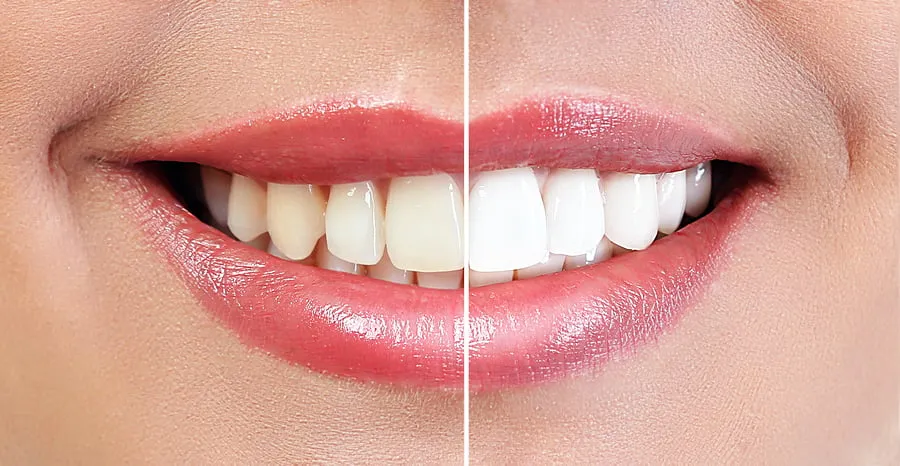
Teeth Whitening & Bonding Explained
Achieving a dazzling smile is a common goal, and teeth whitening and bonding are two popular cosmetic dentistry procedures designed to enhance the appearance of your teeth. While both aim to improve aesthetics, they address different issues and employ distinct methods. Teeth whitening focuses on lightening the existing tooth enamel, while dental bonding repairs or reshapes teeth using a tooth-colored resin. Understanding the nuances of each procedure is crucial for making informed decisions about your dental health and cosmetic goals. This comprehensive guide will walk you through the essentials, providing insights into the processes, benefits, risks, and aftercare associated with teeth whitening and bonding.
What is Teeth Whitening?
Teeth whitening, also known as teeth bleaching, is a cosmetic dental procedure aimed at lightening the color of your teeth and removing stains and discoloration. The process involves the application of bleaching agents, typically containing hydrogen peroxide or carbamide peroxide, to the enamel. These agents break down the stain molecules, making the teeth appear whiter. The effectiveness of teeth whitening depends on the type and severity of the stains, as well as the concentration of the bleaching agent and the duration of the treatment. There are various teeth whitening methods available, ranging from over-the-counter products to professional treatments provided by dentists. The goal is always the same, to give you a brighter and more confident smile.
Types of Teeth Whitening

Teeth whitening offers diverse options to cater to different preferences and budgets. These methods generally fall into two categories at-home and professional treatments. At-home methods provide convenience and affordability, while professional treatments ensure more significant and controlled results, often with faster turnaround times. The choice between these methods depends on individual needs, the desired level of whitening, and the guidance of a dental professional. Consider your lifestyle, dental health, and the severity of your discoloration when deciding which option best suits you.
At-Home Whitening Options
At-home teeth whitening options are readily accessible and offer a convenient way to enhance your smile. These products generally include whitening toothpaste, whitening strips, and custom-fit trays with bleaching gel. Whitening toothpaste contains mild abrasives or chemical agents to remove surface stains, but the whitening effect is typically subtle. Whitening strips are thin, flexible strips coated with a bleaching agent, which are applied to the teeth for a specified duration. Custom-fit trays, often prescribed by a dentist, involve applying a bleaching gel to trays molded to your teeth, providing more consistent coverage and potentially better results. It is essential to follow the product instructions and consult your dentist before using any at-home whitening product to ensure safety and effectiveness.
Professional Whitening Treatments
Professional teeth whitening, performed by a dentist, offers a more potent and controlled whitening experience. In-office treatments use higher concentrations of bleaching agents and often incorporate special lights or lasers to accelerate the whitening process. These treatments can produce dramatic results in a single visit. Dentists can also provide custom-fit trays with prescription-strength whitening gel for at-home use, offering a combination of professional and at-home methods. Professional whitening is generally more effective for deeper stains and discolorations, providing a safer and more predictable outcome under the supervision of a dental professional. Regular checkups and guidance from your dentist ensure optimal results and minimize potential risks.
What is Dental Bonding?

Dental bonding is a cosmetic procedure used to repair or enhance the appearance of teeth using a tooth-colored composite resin. This resin is applied to the tooth, shaped, and hardened using a special light. Bonding can address various issues, including chipped or cracked teeth, gaps between teeth, and discoloration that doesn’t respond to whitening. It is a minimally invasive procedure that can often be completed in a single visit. The bonding material is carefully matched to the natural tooth color, providing a seamless and aesthetically pleasing result. Dental bonding is a versatile and cost-effective solution for improving your smile and restoring tooth function.
How Dental Bonding Works
The dental bonding process involves several key steps. First, the dentist prepares the tooth by lightly etching the surface to allow the bonding material to adhere properly. The composite resin is then applied, layer by layer, and shaped to the desired form. Each layer is hardened using a special curing light. After the resin has been applied, the dentist trims, shapes, and polishes the bonded tooth to achieve a natural-looking finish. The entire process typically takes between 30 minutes to an hour per tooth. Dental bonding is often a pain-free procedure, requiring minimal or no anesthesia, making it a popular choice for quick and effective smile enhancements.
The Teeth Whitening & Bonding Process
The processes for teeth whitening and dental bonding, though distinct, both aim to improve the appearance of your smile. Understanding the steps involved in each can help you prepare for the procedures and manage your expectations. From initial consultations to the final polishing touches, knowing what to expect will make the overall experience smoother. For teeth whitening, the process typically begins with a consultation and evaluation to determine the best whitening method and discuss your desired results. Dental bonding involves a different series of steps, aimed at repairing and reshaping the teeth using composite resin. Both procedures can transform your smile. It’s important to consult with your dentist to determine the best approach for your specific needs.
Consultation and Evaluation

Before undergoing any teeth whitening or dental bonding procedure, a thorough consultation and evaluation with your dentist are essential. During this process, your dentist will assess your oral health, discuss your cosmetic goals, and determine the most appropriate treatment options. For teeth whitening, the dentist will examine your teeth for existing dental work, such as fillings or crowns, as these will not whiten with the bleaching agent. They will also evaluate the type and severity of stains and discuss the expected results. For dental bonding, the dentist will assess the condition of your teeth, the extent of any damage, and the best approach for repair or enhancement. This consultation ensures that the chosen procedure is safe, effective, and aligned with your expectations.
Whitening Your Teeth
The teeth whitening process itself varies depending on the method chosen. At-home whitening typically involves using whitening strips, custom-fit trays with bleaching gel, or whitening toothpaste according to the product instructions. Professional in-office whitening involves applying a high-concentration bleaching agent to the teeth and often using a special light or laser to accelerate the process. The dentist carefully monitors the process to ensure safety and effectiveness, adjusting the treatment as needed to achieve the desired level of whitening. The duration of the whitening process depends on the method and the extent of the discoloration, with in-office treatments generally producing faster results. Regardless of the method, after whitening, it’s important to follow aftercare instructions to maintain your bright smile.
Applying Dental Bonding
Dental bonding involves a meticulous process that can typically be completed in a single dental visit. The dentist begins by preparing the tooth surface, roughening it slightly to ensure that the bonding material adheres properly. The tooth is then coated with a conditioning liquid. Next, the dentist applies the composite resin, carefully shaping and molding it to repair or enhance the tooth. Each layer of resin is hardened using a special curing light. Once the bonding material has set, the dentist trims, shapes, and polishes the bonded tooth to create a natural-looking finish. The entire procedure requires precision and artistry, ensuring the bonded tooth blends seamlessly with your natural teeth, improving both aesthetics and function.
Aftercare and Maintenance

Proper aftercare and maintenance are crucial to ensure the longevity and effectiveness of teeth whitening and dental bonding. Following the recommendations provided by your dentist will help you maintain your brightened smile and protect your dental work. This often includes avoiding certain foods and beverages, practicing good oral hygiene, and attending regular dental checkups. Proper aftercare minimizes potential complications and helps you enjoy the benefits of your cosmetic dental treatments for years to come.
Caring for Whitened Teeth
After teeth whitening, it is important to care for your teeth to maintain the results. This includes avoiding foods and beverages that can stain your teeth, such as coffee, tea, red wine, and dark-colored berries, especially in the first few days after whitening. Using a whitening toothpaste can help maintain the brightness of your teeth, and your dentist may recommend a touch-up treatment to prolong the effects. Practicing good oral hygiene, including regular brushing and flossing, also helps prevent stains from forming. Additionally, regular dental checkups will allow your dentist to monitor your teeth and provide any necessary maintenance or adjustments.
Maintaining Bonding
Dental bonding, like natural teeth, requires proper care to maintain its appearance and longevity. To protect your bonded teeth, avoid biting directly into hard foods, such as ice or hard candies, as this can chip or damage the bonding material. Practice good oral hygiene, including brushing twice a day and flossing daily, to remove plaque and prevent staining. Regular dental checkups are essential for your dentist to monitor the condition of your bonding and make any necessary repairs or adjustments. With proper care, dental bonding can last for many years, providing you with a beautiful and functional smile.
Potential Risks and Considerations

While teeth whitening and dental bonding are generally safe and effective procedures, it is important to be aware of potential risks and considerations. Understanding the possible side effects and potential complications will help you make informed decisions and manage your expectations. Discussing any concerns with your dentist before undergoing treatment ensures a smoother experience and helps you achieve optimal results. Knowing what to look out for, and what to expect will help you be prepared for the procedures and all the requirements for aftercare.
Side Effects of Teeth Whitening
Teeth whitening can sometimes cause temporary side effects. The most common is tooth sensitivity, which can range from mild to moderate discomfort. This sensitivity typically subsides within a few days after the treatment. Gum irritation or inflammation may also occur if the whitening agent comes into contact with the gums, but this usually resolves quickly. In rare cases, some people may experience temporary discomfort in their jaw. It is important to follow your dentist’s instructions and use products as directed to minimize these risks. Your dentist can also recommend desensitizing toothpaste or other treatments to help manage any discomfort.
Bonding Durability and Issues
Dental bonding is a durable but not permanent solution. The longevity of bonding depends on several factors, including oral hygiene habits, diet, and the location of the bonding. Bonding can be prone to chipping, staining, or wearing down over time, especially if you bite your nails, chew on hard objects, or consume staining foods and drinks regularly. While bonding is strong, it is not as durable as natural tooth enamel or other dental materials, such as crowns. Regular dental checkups are essential for your dentist to assess the condition of your bonding and make any necessary repairs or replacements. Following your dentist’s advice will help to extend the life of your bonding.
Top Tips for Teeth Whitening & Bonding

Achieving and maintaining a bright, healthy smile with teeth whitening and dental bonding involves several key steps. By following these tips, you can maximize the effectiveness of your treatments and enjoy long-lasting results. Choosing the right method, maintaining excellent oral hygiene, and attending regular dental checkups are fundamental. Always discuss any concerns with your dentist to ensure your treatments are tailored to your needs and that you follow a suitable aftercare routine. These guidelines will help you keep your smile vibrant and healthy.
Tip 1 Choose the Right Method
When it comes to teeth whitening and dental bonding, the most important thing is to choose the correct method. For teeth whitening, consider the type and severity of your stains and your desired results. If you have surface stains, at-home whitening strips or toothpaste might be sufficient. For deeper stains or significant discoloration, professional in-office treatments are often more effective. For dental bonding, the best choice depends on the specific issue you are addressing. Chipped or cracked teeth, gaps, and minor cosmetic imperfections can be fixed by dental bonding. Consult with your dentist to choose the method best suited to your needs and goals. This individualized approach helps guarantee successful, long-lasting results, ensuring a beautiful and healthy smile.
Tip 2 Maintain Excellent Oral Hygiene
Maintaining excellent oral hygiene is crucial for the success and longevity of both teeth whitening and dental bonding. Brush your teeth at least twice a day with fluoride toothpaste, and floss daily to remove plaque and food particles from between your teeth. This helps prevent staining, decay, and gum disease. After teeth whitening, avoid foods and beverages that can stain your teeth, such as coffee, tea, and red wine. If you choose dental bonding, avoid biting down on hard objects and seek prompt treatment if you notice any damage to the bonding material. Regular cleaning and excellent oral hygiene help keep your teeth looking their best.
Tip 3 Regular Dental Checkups

Regular dental checkups are essential for maintaining both the health and appearance of your teeth. During these visits, your dentist will clean your teeth, remove any plaque or tartar buildup, and assess your overall oral health. They can identify any potential issues, such as cavities or gum disease, early, which can help prevent more serious problems. For teeth whitening, your dentist can provide touch-up treatments or recommend products to help maintain your bright smile. For dental bonding, regular checkups allow your dentist to inspect the bonding material for any chips, cracks, or wear and make any necessary repairs or replacements. Regular checkups contribute to good oral health and a lasting, beautiful smile.