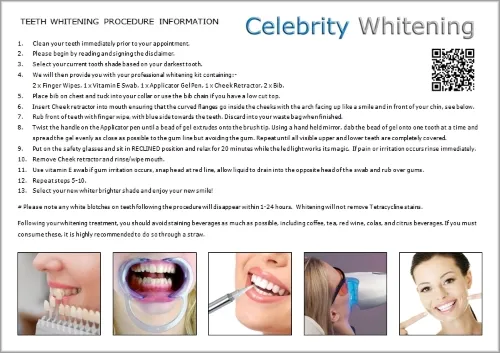
Understanding Teeth Whitening Aftercare
Teeth whitening is a popular cosmetic procedure that can significantly enhance your smile. However, the journey to a brighter smile doesn’t end with the whitening treatment itself. Proper aftercare is crucial to maintain the results and protect your investment. This guide provides 101 easy-to-follow instructions to ensure your newly whitened teeth stay dazzling for as long as possible. Understanding the principles of aftercare helps you avoid common pitfalls and maximizes the longevity of your brighter, more confident smile. Following these instructions will not only preserve the whitening effects but also contribute to your overall oral health.
Why is Aftercare Important
Aftercare is essential because teeth are more susceptible to staining immediately after whitening. The pores in your enamel are temporarily more open, making them more vulnerable to the pigments in foods and drinks. Ignoring aftercare instructions can lead to rapid discoloration, undoing the effects of the whitening treatment. By diligently following these guidelines, you are essentially reinforcing the whitening process and preventing the premature return of stains. Moreover, proper aftercare contributes to the overall health of your teeth and gums, preventing potential issues such as sensitivity or inflammation. Proper care ensures that the investment you made in whitening your teeth pays off with a lasting, radiant smile.
How to Protect Your Investment

Protecting your investment in teeth whitening involves a multi-faceted approach. This includes dietary restrictions, diligent oral hygiene, and regular dental checkups. Avoid foods and drinks known to stain teeth for at least the first two weeks after your treatment, as this is the most critical period. Use a whitening toothpaste to gently remove surface stains. Schedule regular dental cleanings to maintain the brightness and remove any accumulated stains. By adhering to these practices, you’re not just extending the lifespan of your whitened teeth, but also promoting a healthier mouth overall. These steps work together to create a shield against the factors that can compromise the brilliance of your smile.
Foods and Drinks to Avoid
Certain foods and drinks are notorious for staining teeth and should be avoided or minimized immediately following a whitening treatment. The most significant culprits include coffee, tea, red wine, and dark sodas. These beverages contain strong pigments that can easily penetrate the enamel’s pores during the vulnerable aftercare period. Additionally, avoid deeply colored fruits like blueberries, blackberries, and cherries. Certain sauces, such as soy sauce, balsamic vinegar, and curry, can also contribute to staining. It is important to be mindful of the ingredients in your foods, as many processed items contain artificial coloring agents that can impact the whiteness of your teeth. During this crucial aftercare period, choosing lighter-colored food options is essential for maintaining your bright smile.
Foods and Drinks to Limit
While certain foods and drinks should be avoided altogether, others can be consumed in moderation. For example, you can consume white wine or clear sodas. If you’re craving coffee or tea, consider drinking them through a straw to minimize direct contact with your teeth. Eating lighter-colored fruits like apples or bananas is generally safe, but it’s still a good idea to rinse your mouth with water after consumption. Be mindful of the frequency with which you consume these items. Occasional indulgence is less likely to cause significant staining than frequent consumption. By adopting a balanced approach and being conscious of your dietary choices, you can minimize the risk of staining while still enjoying a variety of foods and drinks.
Maintaining Excellent Oral Hygiene

Maintaining excellent oral hygiene is a cornerstone of effective teeth whitening aftercare. This involves brushing your teeth at least twice a day, preferably after meals and snacks, to remove food particles and plaque. Flossing daily is essential to clean between your teeth and prevent the buildup of bacteria that can contribute to discoloration. Consider using a soft-bristled toothbrush to avoid damaging the enamel, particularly in the sensitive period after whitening. Using a mouthwash can help to further eliminate bacteria and freshen your breath. Consistent oral hygiene practices not only protect the brightness of your teeth but also contribute to your overall oral health.
Brushing and Flossing Techniques
Proper brushing and flossing techniques are key to effective oral hygiene. Brush your teeth gently with a soft-bristled toothbrush, using a circular or back-and-forth motion. Ensure that you reach every surface of each tooth, including the inner and outer surfaces as well as the chewing surfaces. Brush for a full two minutes each time to properly clean your teeth. Flossing is just as crucial; insert the floss between your teeth and gently move it up and down against the sides of each tooth, cleaning below the gum line. Be gentle to avoid irritating your gums. These techniques effectively remove plaque and food particles, which are major contributors to tooth discoloration and decay. Regular and proper brushing and flossing are essential components of aftercare and overall dental health.
Using a Whitening Toothpaste
Whitening toothpastes can play a supportive role in maintaining the results of your teeth whitening treatment. These toothpastes typically contain mild abrasives or chemical agents that help to remove surface stains. They are best used in conjunction with other aftercare measures, such as avoiding staining foods and drinks. However, it is important to note that whitening toothpastes can’t change the intrinsic color of your teeth; their primary function is to address surface stains. Choose a whitening toothpaste that is fluoride-based to help protect your enamel. It’s also beneficial to rotate the brands of toothpaste, which helps to prevent the development of resistance. Always consult with your dentist to determine the best whitening toothpaste for your specific needs, as overuse can potentially lead to increased sensitivity.
The Role of Regular Dental Checkups

Regular dental checkups are an indispensable part of teeth whitening aftercare. Your dentist can assess the overall health of your teeth and gums, and also perform a professional cleaning to remove any accumulated plaque or stains. Professional cleanings remove surface stains and address any early signs of dental problems. The dentist can identify potential issues that may affect the longevity of your whitening results, such as cavities or gum disease. Schedule checkups every six months, or as recommended by your dentist, to ensure your oral health remains optimal and your smile stays bright. These regular visits provide essential maintenance and support to safeguard the outcome of your whitening treatment.
Schedule Professional Cleanings
Professional dental cleanings are a key component of maintaining the brightness of your whitened teeth. A dental hygienist can remove stains that you cannot eliminate at home with brushing and flossing. They can also polish your teeth, helping to maintain their smooth surface and prevent future staining. Professional cleanings not only enhance the appearance of your teeth but also promote better oral health by removing plaque and tartar buildup. Schedule these cleanings every six months, or as advised by your dentist, for optimal results. These regular appointments are a critical part of your aftercare routine, contributing to both the aesthetic and health benefits of your teeth whitening.
Addressing Sensitivity and Discomfort
It’s common to experience some level of tooth sensitivity after a whitening treatment. This usually fades within a few days, but there are steps you can take to manage it. Over-the-counter products, such as toothpaste designed for sensitive teeth, can provide relief. It’s also advisable to avoid extremely hot or cold foods and drinks during this period. If the sensitivity is prolonged or severe, consult your dentist for personalized advice. They might recommend a fluoride treatment or desensitizing agents to reduce the discomfort. Managing sensitivity ensures your comfort and allows you to fully enjoy the results of your teeth whitening treatment.
Managing Tooth Sensitivity

If you experience tooth sensitivity, several strategies can provide relief. Use a toothpaste specifically formulated for sensitive teeth, which often contains potassium nitrate to help block pain signals. Avoid acidic foods and drinks, as they can exacerbate sensitivity. Use a soft-bristled toothbrush and brush gently. Rinse your mouth with lukewarm water instead of cold water after brushing. If your sensitivity persists, consult your dentist. They may recommend a fluoride treatment or prescribe a special toothpaste. Following these practices can significantly reduce discomfort and ensure you can continue enjoying the benefits of your whitened teeth.
What to Do If You Experience Discomfort
If you experience significant discomfort after teeth whitening, it’s important to take prompt action. First, inform your dentist about the symptoms you’re experiencing. They can assess the situation and recommend the appropriate course of action. Over-the-counter pain relievers, such as ibuprofen, may provide temporary relief. Avoid foods and drinks that trigger the sensitivity, such as hot or cold items. Use a desensitizing toothpaste as directed. In some cases, your dentist may recommend a fluoride treatment or other professional interventions. It is crucial to seek professional help if the discomfort is severe or prolonged to address any underlying issues and ensure your oral health is maintained.
Long-Term Maintenance for a White Smile
Long-term maintenance of a white smile requires a continuous commitment to the aftercare guidelines. This includes practicing consistent oral hygiene, avoiding or limiting staining foods and drinks, and attending regular dental checkups and cleanings. Consider using at-home touch-up whitening kits, as recommended by your dentist, to maintain the brightness. Regular follow-up with your dental professional ensures they can catch any issues early on and guide you. By adopting a long-term strategy for aftercare, you can enjoy the benefits of your teeth whitening treatment for years to come. Consistency in your habits is key to preserving your beautiful, bright smile.
The Benefits of a Consistent Routine

Following a consistent aftercare routine offers significant advantages. It not only extends the longevity of your whitening results but also promotes overall oral health. A consistent routine helps to prevent staining and discoloration, ensuring that your smile stays bright and healthy. It also reduces the risk of dental problems, such as cavities and gum disease. By incorporating these practices into your daily life, you invest in your oral health and boost your self-confidence. The consistency will allow you to achieve a brighter, healthier smile that you can confidently display for years to come. Make these steps a habit, and you will enjoy the lasting benefits of a sparkling smile.