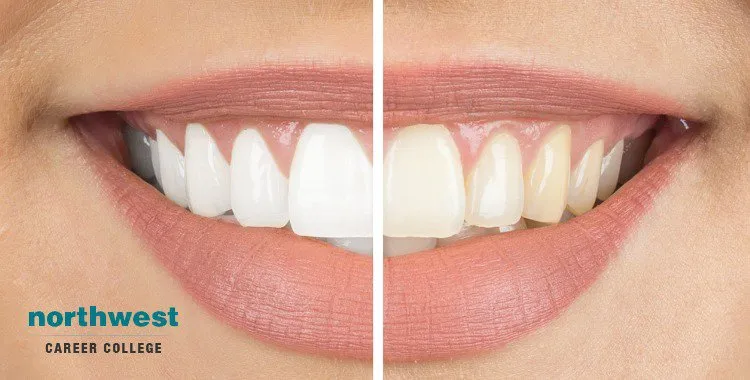
Understanding State College Teeth Whitening
State College teeth whitening has become increasingly popular for those seeking a brighter, more confident smile. Whether you’re preparing for a special event, looking to boost your self-esteem, or simply want to improve your overall appearance, teeth whitening can be an effective solution. However, understanding the process, the different methods available, and the factors that contribute to tooth discoloration is crucial for achieving the best results. This comprehensive guide will delve into the world of teeth whitening in State College, offering valuable insights and actionable tips to help you make informed decisions about your oral health. By exploring the causes of discoloration and the various whitening options, you can embark on a journey to a more radiant smile.
Common Causes of Tooth Discoloration
Before diving into whitening solutions, it’s important to understand what causes teeth to lose their luster. Discoloration can stem from a variety of factors, both internal and external. Identifying these causes can help you take preventive measures and choose the most appropriate whitening approach. From your daily habits to your genetic makeup, a range of elements play a role in the color of your teeth. Addressing these underlying issues is often the first step toward a successful whitening experience, ensuring that you achieve and maintain the desired results. Understanding the root causes empowers you to make informed choices about your oral health routine, helping you maintain a bright and healthy smile for years to come.
Lifestyle Factors

Several lifestyle choices significantly impact the color of your teeth. Smoking and tobacco use are major culprits, as nicotine and tar can stain teeth over time. Additionally, frequent consumption of highly pigmented foods and drinks, such as coffee, tea, red wine, and berries, can contribute to discoloration. The accumulation of these substances on the enamel can gradually darken your teeth, making them appear less white. Maintaining a healthy lifestyle that includes a balanced diet, avoiding tobacco, and moderating the intake of staining beverages can help to minimize discoloration and preserve the natural brightness of your smile. These choices not only benefit your teeth but also contribute to your overall well-being.
Dietary Habits
Dietary habits play a crucial role in the appearance of your teeth. Certain foods and drinks contain pigments that can easily stain the enamel. For example, coffee and tea contain tannins, which can adhere to the tooth surface and cause discoloration. Similarly, red wine contains chromogens, which are strong color pigments that can stain teeth. Berries and other highly colored fruits can also contribute to staining. Being mindful of your diet and limiting the consumption of these staining substances can help you maintain a brighter smile. Drinking water after consuming these items can also help to rinse away the pigments and prevent them from setting on your teeth, reducing the risk of discoloration over time. A balanced diet with a focus on teeth-friendly foods is key.
Age and Genetics
Age and genetics also play a role in the color of your teeth. As you age, the enamel on your teeth thins, revealing the underlying dentin, which is naturally more yellow. This process can make your teeth appear darker over time. Moreover, genetic factors can influence the natural color of your teeth, with some individuals predisposed to having teeth that are naturally more yellow or gray. While you cannot control your age or genetics, understanding their impact on your teeth’s appearance can help you set realistic expectations for teeth whitening. Your dentist in State College can assess your individual situation and recommend the most appropriate whitening method based on these factors. This ensures that you receive a treatment plan that is tailored to your specific needs and goals.
Top 5 State College Teeth Whitening Tips!

Achieving a dazzling smile in State College is within reach with the right approach. Here are the top 5 tips to help you brighten your teeth and boost your confidence. Whether you are looking for professional treatments or at-home solutions, these strategies will guide you towards a whiter, more radiant smile. Implementing these tips consistently will not only enhance the appearance of your teeth but also contribute to your overall oral health. By following these guidelines, you can take proactive steps towards a brighter and healthier smile, making a lasting impression wherever you go. Embrace these actionable tips and transform your smile today.
Consult a Professional
The first and most crucial tip is to consult a dental professional. A dentist in State College can assess your oral health, identify the cause of discoloration, and recommend the most suitable whitening treatment for your specific needs. They can also rule out any underlying dental issues that might affect the whitening process. Professional consultations ensure that you receive a safe and effective treatment plan, tailored to your individual needs. Regular dental checkups also provide an opportunity for professional cleanings, which remove surface stains and help to optimize the results of your whitening treatment. Consulting a professional ensures that you’re receiving the best care and achieving the most desirable outcome for a brighter, healthier smile.
Professional Whitening Treatments
Professional teeth whitening treatments offer significant advantages over at-home methods. Dentists in State College use stronger bleaching agents, which can produce more dramatic results in a shorter amount of time. These treatments are also performed under controlled conditions, minimizing the risk of sensitivity or other side effects. In-office whitening typically involves applying a bleaching gel to the teeth and activating it with a special light or laser. The entire process is completed in a single visit, providing immediate results. Professional treatments are ideal for those seeking a quick and effective solution to significantly whiten their teeth. A dentist can also customize the treatment based on your specific needs and the extent of the discoloration.
At-Home Whitening Options

For those seeking more convenient and budget-friendly options, at-home whitening kits are available. Your dentist in State College can provide custom-fitted trays and a professional-strength bleaching gel to be used at home. This method offers a balance of effectiveness and affordability. Over-the-counter whitening products, such as strips and gels, are also readily available. While these products may not be as potent as professional treatments, they can still deliver noticeable results. When using at-home whitening products, it is crucial to follow the instructions carefully and consult your dentist to ensure they are safe and suitable for your teeth. Proper use and professional guidance can help you achieve the desired whitening results effectively.
Maintain Excellent Oral Hygiene
Maintaining excellent oral hygiene is fundamental to achieving and preserving a bright smile. Regular brushing and flossing, along with routine dental checkups, are essential for removing surface stains and preventing the buildup of plaque and tartar. These habits not only help to maintain the whiteness of your teeth but also contribute to overall oral health. A consistent oral hygiene routine can significantly extend the results of any teeth whitening treatment you undergo. By implementing these practices into your daily life, you create a solid foundation for a healthy and radiant smile. This proactive approach ensures that your teeth remain bright, healthy, and free from discoloration.
Brushing and Flossing
Brushing your teeth twice a day with fluoride toothpaste and flossing daily are the cornerstones of good oral hygiene. Brushing removes food particles and plaque, which can cause discoloration and decay. Flossing reaches areas that your toothbrush cannot, removing debris and plaque from between your teeth. This helps prevent stains from settling and keeps your gums healthy. Using a soft-bristled toothbrush is recommended to avoid damaging your enamel. Incorporating these simple habits into your daily routine is an investment in your oral health and the brightness of your smile. Consistent brushing and flossing help to keep your teeth clean, healthy, and resistant to staining.
Regular Dental Checkups

Regular dental checkups and professional cleanings are crucial for maintaining a bright and healthy smile. Your dentist in State College can identify and address any early signs of tooth decay or gum disease. Professional cleanings remove plaque and tartar, which can cause stains and discoloration, and also help to polish your teeth. These checkups also offer an opportunity to discuss any concerns you may have about your oral health and to receive personalized advice. Regular dental visits not only help to maintain the whiteness of your teeth but also contribute to your overall well-being. Professional cleanings provide a deeper level of care that complements your at-home oral hygiene routine.
Avoid Staining Foods and Drinks
Limiting your intake of staining foods and drinks is essential for preventing tooth discoloration. Coffee, tea, red wine, and dark-colored sodas are notorious for staining teeth. Berries and other highly pigmented fruits can also contribute to discoloration. Being mindful of your diet and moderating your consumption of these items can help you maintain a brighter smile. If you do consume these staining substances, rinsing your mouth with water or brushing your teeth soon after can help to minimize their impact. Making conscious choices about your diet will help to preserve the results of any teeth whitening treatments you pursue and keep your smile looking its best for longer. Proactive dietary changes are key to long-term dental health.
Limit Coffee and Tea
Coffee and tea contain tannins, which can stain teeth over time. These substances adhere to the enamel and gradually darken the teeth, leading to a less vibrant smile. Limiting your consumption of coffee and tea, or drinking them through a straw, can help to reduce staining. Rinsing your mouth with water after consuming these beverages can also help to remove the tannins and prevent them from setting on your teeth. Consider switching to herbal teas or diluting your coffee and tea with milk or water to minimize their staining effects. These simple adjustments to your daily habits can make a significant difference in maintaining the whiteness of your teeth and protecting your smile from discoloration.
Reduce Smoking and Tobacco Use

Smoking and using tobacco products are major contributors to tooth discoloration. Nicotine and tar in tobacco can stain teeth, turning them yellow or brown. Quitting smoking or avoiding tobacco products altogether is one of the most effective steps you can take to maintain a bright, healthy smile. These products not only stain teeth but also increase the risk of gum disease and oral cancer. If you’re a smoker, seeking professional help to quit is essential for your overall health and your smile’s appearance. Avoiding these harmful substances protects your teeth and promotes a brighter, healthier smile. The benefits of quitting tobacco extend far beyond just the appearance of your teeth, improving your overall quality of life.
Explore Whitening Toothpastes and Products
Whitening toothpastes and other over-the-counter products can help remove surface stains and enhance the brightness of your teeth. These products often contain mild abrasives and whitening agents that gently polish the enamel. Choosing the right products and understanding their effectiveness is important. While they may not provide the same dramatic results as professional treatments, they can be a useful part of your daily oral hygiene routine. Incorporating whitening toothpastes and products into your routine can help you achieve and maintain a brighter smile. However, consult with your dentist in State College to determine the best products for your specific needs and to ensure they are safe and effective for your teeth.
Effectiveness of Whitening Toothpastes
Whitening toothpastes are effective at removing surface stains caused by food, drinks, and tobacco. They typically contain mild abrasives, such as silica, which help to polish the teeth and remove stains. Some whitening toothpastes also contain whitening agents like hydrogen peroxide. The results of using whitening toothpastes can vary depending on the type of stains and the individual’s oral hygiene habits. Regular use can contribute to a brighter smile, but they are not a substitute for professional whitening treatments. For deeper stains or significant discoloration, professional options are usually more effective. Consistent use of whitening toothpaste as part of a comprehensive oral care plan enhances the overall brightness of your teeth.
Choosing the Right Products

When choosing whitening products, consider your sensitivity levels and the type of stains you want to address. Look for products with the American Dental Association (ADA) Seal of Acceptance, which indicates that the product has been tested and proven safe and effective. If you have sensitive teeth, choose toothpastes or products specifically designed for sensitive teeth, as they often contain lower concentrations of whitening agents. Consulting your dentist in State College can also help you select the right products based on your individual needs and oral health. Reading reviews and comparing ingredients will further ensure you choose the most suitable products for your needs. Choosing the right products can help you achieve noticeable results without compromising your oral health.
Understand the Risks and Limitations
While teeth whitening can significantly enhance your smile, it’s important to be aware of the potential risks and limitations. Understanding these aspects will help you make informed decisions and set realistic expectations. Not everyone is a suitable candidate for teeth whitening, and certain conditions or dental work may affect the outcome. Being fully informed about the process ensures a safe and satisfying experience. Knowing the limitations and risks will help you appreciate the benefits of the treatment while minimizing potential complications. This understanding will contribute to a successful journey toward a brighter, healthier smile.
Tooth Sensitivity
Tooth sensitivity is a common side effect of teeth whitening. The bleaching agents in whitening products can penetrate the enamel and irritate the nerve endings in the teeth, leading to temporary sensitivity. This sensitivity typically subsides within a few days after the treatment. You can minimize sensitivity by using desensitizing toothpaste before, during, and after whitening treatments. Your dentist can also provide professional treatments or recommendations to help manage sensitivity. It’s important to inform your dentist about any sensitivity you experience, so they can adjust the treatment plan accordingly. By managing tooth sensitivity proactively, you can comfortably enjoy the benefits of teeth whitening without significant discomfort.
Effectiveness on Different Types of Stains

The effectiveness of teeth whitening varies depending on the type of stains. Extrinsic stains, which are on the surface of the enamel, are typically easier to remove with whitening treatments. Intrinsic stains, which are inside the tooth structure, can be more challenging to address and may require multiple treatments or more intensive whitening methods. Stains caused by certain medications, such as tetracycline, can be particularly resistant to whitening. Consulting with your dentist in State College can help you understand the type of stains you have and the most appropriate treatment options. They can also discuss realistic expectations for the results based on the nature of your stains. Understanding the stain type ensures you have a personalized and effective whitening plan.
Conclusion
Achieving a brighter smile with State College teeth whitening is a rewarding journey that requires understanding, patience, and professional guidance. By following the top 5 tips – consulting a professional, maintaining excellent oral hygiene, avoiding staining foods and drinks, and exploring whitening toothpastes – you can effectively enhance the brightness of your teeth. Remember to consider the risks and limitations and to set realistic expectations. With the right approach, you can achieve a radiant smile that boosts your confidence and contributes to your overall well-being. Embrace the journey, and let your smile shine brighter than ever before!