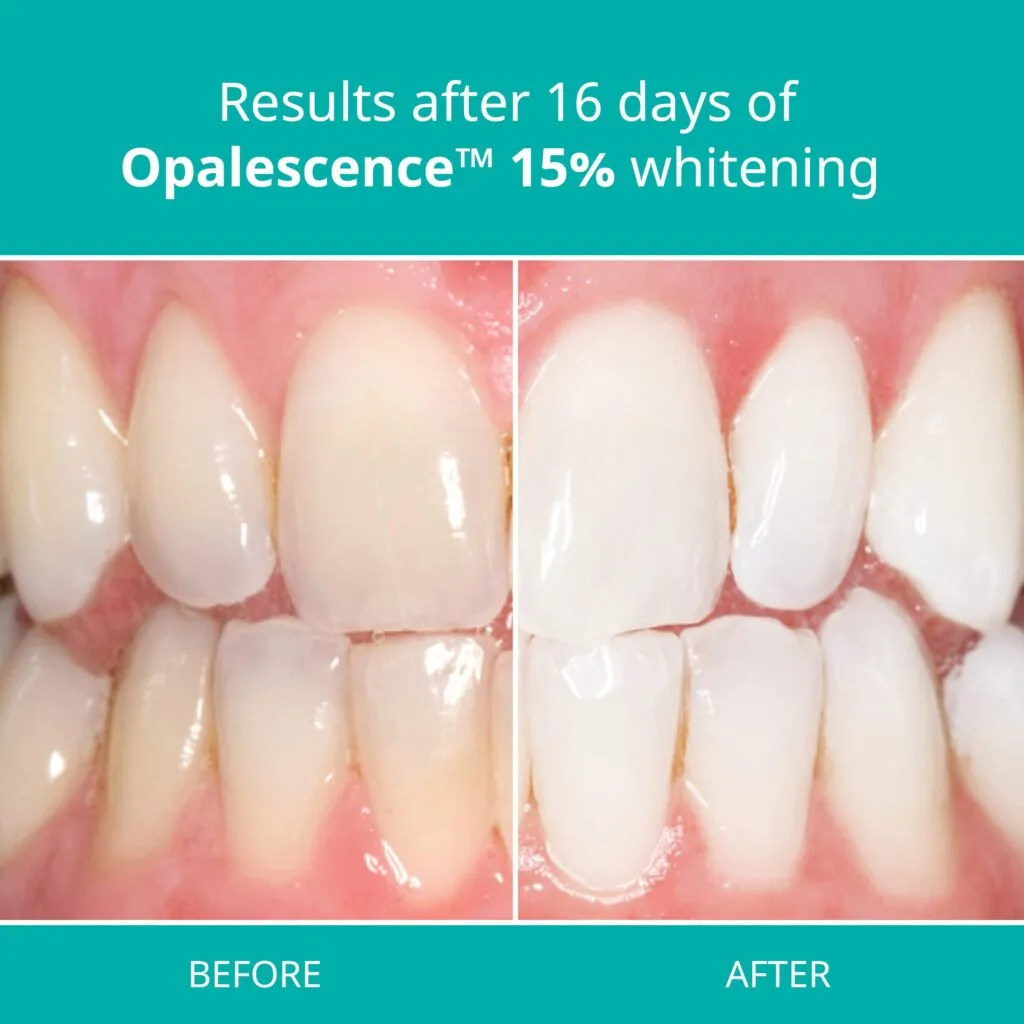
Understanding Spinach Teeth Whitening
The pursuit of a brighter, whiter smile has led many to explore natural and unconventional teeth whitening methods. Among these, spinach has emerged as a surprising contender. But how does this leafy green vegetable, typically associated with Popeye and strong muscles, play a role in whitening teeth? The secret lies in spinach’s unique composition and its interaction with the enamel and the surface stains that dull teeth. This guide will explore the science behind spinach teeth whitening, how to prepare and apply it, and what results to realistically expect. It will also address the potential benefits, risks, and limitations of this method, providing a comprehensive overview for those curious about incorporating spinach into their oral hygiene routine.
How Spinach Whitens Teeth
Spinach contains compounds that contribute to its teeth-whitening properties. While it’s not as potent as professional treatments, spinach can help remove surface stains and potentially brighten teeth over time. The effectiveness of spinach whitening is primarily due to a combination of its abrasive qualities and certain chemical compounds. It’s a gentle approach compared to harsh chemical treatments.
The Role of Oxalic Acid

Spinach contains a small amount of oxalic acid. Oxalic acid is a natural compound that can act as a mild bleaching agent. It helps to break down and remove some of the stains that accumulate on the surface of your teeth, making them appear brighter. It’s important to note that oxalic acid’s effect is gentle and gradual, unlike stronger bleaching agents used in professional teeth whitening treatments. The concentration of oxalic acid in spinach is relatively low, so the whitening effect is subtle and requires consistent use over time to see visible results.
Spinach’s Abrasive Properties
Spinach has a slightly abrasive texture, which aids in the removal of surface stains. When used in a paste, the tiny particles in spinach gently scrub the teeth, helping to dislodge stains from coffee, tea, and other staining agents. This gentle abrasion helps to polish the enamel surface, contributing to a brighter appearance. However, it’s crucial to use spinach carefully to avoid excessive abrasion, which could potentially damage the enamel. Always use a soft toothbrush and gentle pressure to avoid any harm.
Preparing Spinach for Whitening
Preparing spinach correctly is crucial for achieving the best results with spinach teeth whitening. The choice of spinach, the preparation method, and the consistency of the paste all play a significant role in its effectiveness and safety. Proper preparation ensures that you maximize the whitening potential while minimizing any risks to your oral health. Below are key steps and considerations for preparing spinach for teeth whitening.
Choosing the Right Spinach

The type of spinach you choose can influence the effectiveness of your whitening treatment. Fresh spinach is generally preferred because it contains higher levels of active compounds. Its natural texture provides a gentle abrasive quality. Frozen spinach, while convenient, may lose some of its potency during the freezing and thawing process. However, if fresh spinach is unavailable, frozen spinach is a viable alternative.
Fresh vs. Frozen Spinach
Fresh spinach, as mentioned, is the ideal choice for spinach teeth whitening due to its higher concentration of active ingredients and natural texture. When using fresh spinach, wash the leaves thoroughly to remove any dirt or residue. Frozen spinach, on the other hand, is a convenient alternative. However, the freezing process can alter the structure of the spinach and potentially reduce the concentration of some beneficial compounds. If using frozen spinach, ensure it is completely thawed and drained of excess water before use to maintain the correct consistency.
Making a Spinach Whitening Paste
Creating a spinach whitening paste involves blending the spinach into a smooth, workable consistency. The recipe typically includes additional ingredients that enhance the whitening and cleaning properties. The goal is to create a paste that is easy to apply, effective in stain removal, and safe for your teeth and gums. The process requires careful blending to prevent any damage to the enamel while ensuring the paste effectively cleans and brightens your teeth.
Recipe Ingredients

A basic spinach whitening paste usually consists of fresh spinach leaves, a small amount of water to facilitate blending, and sometimes baking soda. Baking soda can enhance the paste’s abrasive qualities. Always use a small amount of baking soda, and do not use it frequently. You may need to add a small amount of coconut oil to make the paste. Coconut oil can add antibacterial properties and improve the consistency. You can also add a few drops of peppermint essential oil for a refreshing flavor and additional antibacterial benefits.
Step-by-Step Paste Preparation
To prepare the spinach paste, start by washing fresh spinach leaves thoroughly. Place the spinach leaves in a blender or food processor. Add a small amount of water to help with blending. Blend the spinach until a smooth paste forms. If using, add a pinch of baking soda and a few drops of coconut oil, and blend again until combined. The consistency should be thick enough to adhere to your teeth but not too gritty. If the paste is too thick, add a little more water. If it is too thin, add more spinach.
Applying the Spinach Paste
Proper application is crucial to the effectiveness of the spinach teeth whitening method. Incorrect application can lead to ineffective results or even potential damage. Here’s a detailed guide to ensure you apply the spinach paste correctly and safely.
Proper Application Technique

Use a soft-bristled toothbrush. Dip the toothbrush into the spinach paste. Apply the paste to your teeth, ensuring that all surfaces are covered. Brush your teeth gently using a circular motion for about two minutes. Pay attention to all areas, including the front, back, and chewing surfaces. Avoid applying too much pressure to prevent enamel erosion. After brushing, leave the paste on your teeth for an additional minute or two to allow it to work. Spit out the excess paste, but avoid rinsing immediately to maximize the effect.
Avoiding Gum Irritation
To avoid gum irritation, apply the paste gently and ensure the toothbrush bristles are soft. Avoid aggressive scrubbing, as this can damage the delicate gum tissues. If you experience any irritation, reduce the frequency of treatment or dilute the paste with more water. If irritation persists, discontinue use and consult a dentist. Ensure you are not allergic to any ingredients.
The Importance of Consistent Application
Consistency is key when using spinach for teeth whitening. Unlike professional treatments, the results of natural methods like this are gradual. For optimal results, incorporate spinach teeth whitening into your routine two to three times a week. Regular use helps to maintain the brightness of your teeth and prevent the build-up of new stains. Be patient and monitor your progress. Remember, individual results will vary. Track your progress over several weeks to assess the effectiveness of this method for your teeth.
Rinsing and Aftercare

Proper rinsing and aftercare are essential for completing the spinach teeth whitening process. It helps remove any remaining paste and ensures your mouth feels clean and fresh. Following the right aftercare steps can maximize the benefits of the treatment. Proper rinsing and aftercare also helps to maintain the overall health of your teeth and gums.
Rinsing Instructions
After brushing with the spinach paste and allowing it to sit for a short time, rinse your mouth thoroughly with water. Ensure all paste particles are removed. You can also use a mild mouthwash for added freshness and to remove any remaining debris. Avoid using harsh mouthwashes immediately after treatment, as they might irritate your gums. Rinse gently to prevent any potential damage to your enamel.
Post-Treatment Care
Following each spinach teeth whitening session, take care to maintain good oral hygiene practices. Brush your teeth as usual, and floss daily to remove any food particles or plaque. Drink plenty of water throughout the day to keep your mouth hydrated and to help remove any lingering paste particles. Consider avoiding highly staining foods and drinks, such as coffee, tea, and red wine, immediately after treatment. This will help to prevent stains from reoccurring.
Benefits of Spinach Teeth Whitening

Using spinach for teeth whitening offers several benefits, particularly for those seeking a natural and accessible alternative to chemical treatments. This method is typically less expensive than professional whitening treatments. Spinach is readily available and can be grown at home, making it a convenient option. Spinach is a natural food. This reduces the risk of exposure to harsh chemicals. It is also rich in vitamins and minerals that support overall oral health. It also helps to keep the teeth clean.
Potential Side Effects and Risks
While spinach teeth whitening offers several benefits, it’s essential to be aware of potential side effects and risks. Excessive abrasion can damage tooth enamel, leading to increased sensitivity and potential dental problems. Some individuals may experience mild gum irritation if the paste is too abrasive or applied too aggressively. It is rare, but allergic reactions to spinach are possible. Always consult with a dentist before starting any new teeth whitening method. They can assess your oral health and provide personalized advice. Be realistic. The whitening effects of spinach are generally subtle and may not be suitable for everyone.
Limitations and Expectations
It’s important to set realistic expectations when using spinach for teeth whitening. While spinach can help remove surface stains and slightly brighten your teeth, it will not produce the dramatic results of professional whitening treatments. Results may vary based on the individual’s initial tooth shade, the type and severity of stains, and the consistency of application. Spinach is best suited for removing mild surface stains. It might not be effective for deep-seated stains or intrinsic discoloration. Consistent use is crucial, but patience is also necessary. It may take several weeks of regular use before you notice any significant changes. For those seeking more dramatic results, professional teeth whitening options may be more appropriate.