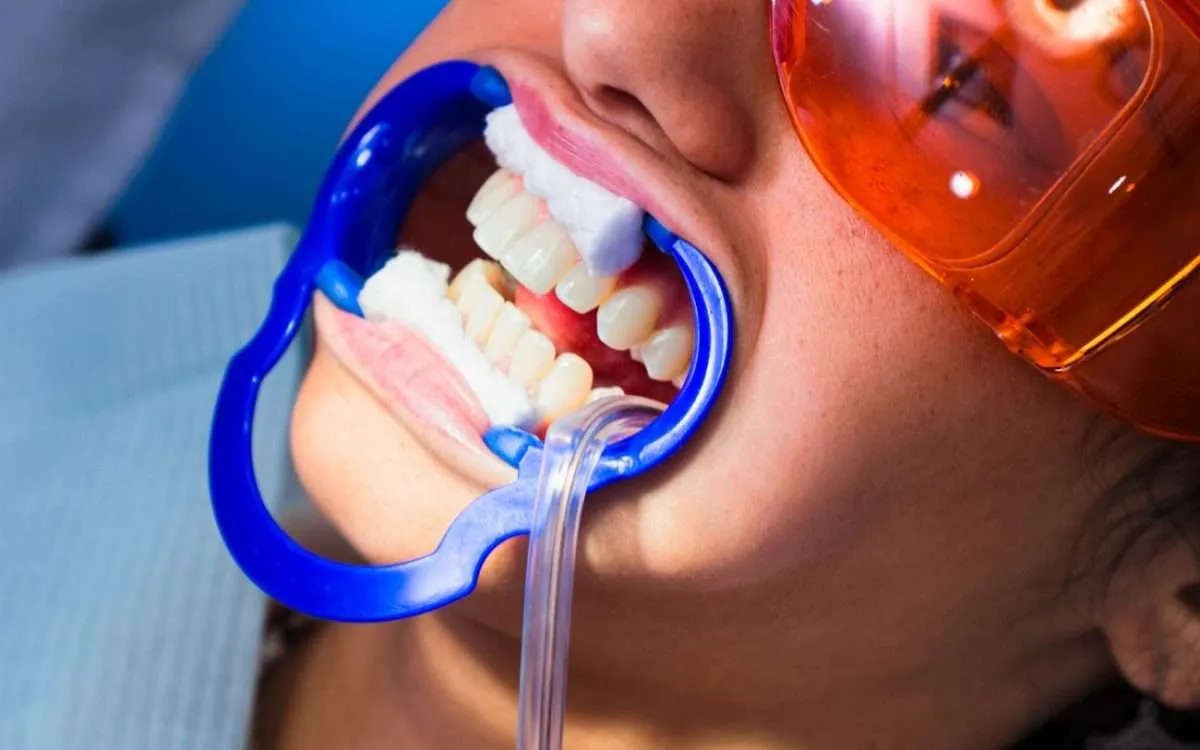
What is Snow Teeth Whitening
Snow Teeth Whitening has emerged as a popular at-home solution for achieving a brighter smile. Marketed as an easy-to-use system, it promises significant whitening results without the need for professional dental treatments. The appeal lies in its convenience and affordability compared to in-office procedures. The core concept behind Snow involves the use of whitening agents, typically delivered through a mouthpiece or applicator, which are designed to break down stains and discoloration on the surface of the teeth. The product aims to offer a convenient alternative to expensive dentist visits, making the dream of a dazzling smile accessible to a wider audience. However, like any cosmetic procedure, it is crucial to understand the science behind it, how it works, and the potential impacts on your oral health.
How Snow Teeth Whitening Works
Understanding the mechanism of Snow Teeth Whitening involves delving into the chemistry of stain removal. The active ingredients in these whitening products, such as hydrogen peroxide or carbamide peroxide, are designed to penetrate the enamel and dentin, the layers that make up your teeth. These agents release oxygen molecules that react with the stain molecules, breaking them down and making them less visible. This process is often accelerated by the use of LED light technology, which is a common feature in Snow kits. The light is believed to activate the whitening agents, boosting their effectiveness. The result is a gradual lightening of the teeth, which can be noticeable within a few applications. However, the effectiveness and safety depend on the concentration of the whitening agents and the duration of the application, as well as the condition of the user’s teeth.
The Science Behind Teeth Whitening

The science of teeth whitening revolves around oxidation. When the whitening agent comes into contact with the stained molecules, typically caused by food, drinks, or smoking, the oxygen molecules break the bonds that hold these stains together. This process effectively lightens the stains, which reduces the appearance of discoloration on the teeth. The depth of whitening can vary based on the concentration of the whitening agent, the duration of the application, and the nature of the stains. Some stains are more resistant to whitening than others. The use of LED light, as mentioned earlier, helps to speed up this process. The light enhances the reaction, making the whitening process quicker and more effective.
Key Ingredients and Their Effects
The primary active ingredients in Snow Teeth Whitening products are hydrogen peroxide and carbamide peroxide. These are the compounds that facilitate the whitening process. However, their concentration and the presence of other ingredients can influence the overall effectiveness and the potential for side effects. It is important to carefully review the ingredients list and understand what each component does, to make an informed decision about what is being put in your mouth. It is also important to take into consideration the potential risks before starting the treatment, and knowing the ingredients is a fundamental step in the process.
Hydrogen Peroxide
Hydrogen peroxide is a strong oxidizing agent, which is the key ingredient in many teeth whitening products. It penetrates the enamel and breaks down the stain molecules. Its concentration can vary, with higher concentrations often leading to faster results but also increasing the risk of sensitivity. The effectiveness of hydrogen peroxide is well-documented, but its use needs to be carefully managed to minimize adverse effects. The product’s pH levels play a role as well, since too high or too low of a pH can cause problems. Manufacturers must strive to find the perfect balance between effective whitening and safety.
Carbamide Peroxide

Carbamide peroxide is another common whitening agent, which is a compound that breaks down into hydrogen peroxide when it comes into contact with water. This means that carbamide peroxide acts as a slower-release form of hydrogen peroxide. This feature makes it gentler on teeth, especially for those with sensitive teeth. This also often means that it requires a longer application time to achieve the same whitening effect. The concentration of carbamide peroxide also influences the speed and the intensity of the whitening process. As with hydrogen peroxide, the careful monitoring of its concentration and use is vital to prevent potential side effects.
How to Prepare Your Teeth
Before starting any teeth whitening treatment, including Snow Teeth Whitening, proper preparation is crucial to ensure effectiveness and minimize potential risks. This includes addressing existing oral health issues and making informed decisions about the product. A thorough understanding of the process can significantly affect the outcome of the treatment. This can also help avoid any negative side effects from any product that you may use. You should always be prepared before you start any whitening treatment on your teeth to avoid complications and unwanted issues.
Consulting a Dentist
Consulting a dentist before using Snow Teeth Whitening is a proactive step toward ensuring your safety and the effectiveness of the treatment. A dentist can assess your overall oral health, identifying any pre-existing conditions, such as cavities or gum disease, that could be exacerbated by whitening products. They can provide personalized recommendations and advice based on your specific needs. Additionally, your dentist can advise you on the suitability of the whitening products, which can help to reduce the risk of any potential harm to your teeth. You should always consider speaking with your dentist before you start any new whitening treatments on your teeth.
Choosing the Right Snow Teeth Whitening Product

Choosing the right Snow Teeth Whitening product involves careful consideration of its ingredients, concentration, and user reviews. Look for products with a moderate concentration of hydrogen or carbamide peroxide to balance effectiveness and safety. Reading reviews from other users can provide insights into the product’s performance and potential side effects. Additionally, consider the product’s applicator, the ease of use, and any additional features, such as LED light technology. Make sure that you choose a product that is safe and effective for your teeth and your oral health. This can ultimately make the teeth whitening process smoother and safer for you.
The Application Process
The application process for Snow Teeth Whitening typically involves applying the whitening gel to your teeth using an applicator, and then using the LED light mouthpiece for a specified amount of time. The details can vary from product to product, but the general steps remain similar. Knowing these steps helps you to understand the process and also makes sure that you use the product correctly, and without causing any additional issues with your teeth. The application process is what makes the product work, so it is vital that you do it correctly to achieve the intended results.
Step-by-Step Guide to Using Snow
The application process for Snow Teeth Whitening usually follows a step-by-step procedure that is specific to the product. Typically, you will start by brushing your teeth, then applying the whitening serum to the teeth, using the provided applicator. The next step usually involves placing the LED light mouthpiece in your mouth and leaving it on for the recommended time, which is usually 10-30 minutes, depending on the product and the initial whiteness of your teeth. Remove the mouthpiece and rinse your mouth thoroughly with water. It’s essential to follow the product instructions for best results. Make sure that you read the directions very carefully to make sure that you do not cause any damage to your teeth and your oral health.
Frequency and Duration

The frequency and duration of Snow Teeth Whitening treatments are crucial factors in achieving the desired results while minimizing potential side effects. The product instructions usually recommend a specific frequency of applications, such as daily or a few times a week, for a set period. Exceeding this frequency may increase the risk of tooth sensitivity or gum irritation. The duration of each session is also usually specified, and it is important to adhere to this time frame. Monitoring your teeth’s response to the treatment is also important, and it is also important to adjust the frequency and duration as needed, but only with the guidance of your dentist. Following these guidelines will help to ensure the best possible outcome.
Potential Risks and Side Effects
While Snow Teeth Whitening is generally considered safe when used as directed, it’s important to be aware of the potential risks and side effects. These can vary depending on the concentration of the whitening agents, the duration and frequency of the treatment, and the individual’s oral health. Common side effects include tooth sensitivity and gum irritation, which are usually temporary. More severe side effects are rare, but can occur. It’s always important to monitor the teeth and gums for any adverse reactions during the whitening process. If any issues occur, you should consult your dentist immediately. It is important to know the potential risks before starting a whitening treatment on your teeth.
Tooth Sensitivity
Tooth sensitivity is a common side effect of teeth whitening treatments, including Snow Teeth Whitening. This occurs because the whitening agents can penetrate the enamel and irritate the nerves inside the teeth. The sensitivity can range from mild to severe and can occur during or after the treatment. Usually, the sensitivity is temporary, but it can be uncomfortable. Some people experience sensitivity to hot or cold foods and drinks. You can manage this by using toothpaste designed for sensitive teeth or by taking breaks from the whitening treatment. Consult your dentist if the sensitivity is severe or prolonged. Also, you should not be using the product more often than instructed to avoid sensitivity.
Gum Irritation

Gum irritation is another potential side effect, which usually results from the whitening agent coming into contact with the gum tissue. This irritation can lead to redness, swelling, and tenderness. Usually, the use of the whitening tray or the applicator can sometimes cause the gel to leak onto the gums, causing irritation. You can minimize gum irritation by carefully applying the gel, avoiding contact with the gums, and by rinsing your mouth thoroughly after each treatment. If irritation occurs, stop the treatment and consult your dentist. It is important to take precautions to make sure that you do not damage your gums when whitening your teeth, since damaged gums can lead to additional issues.
Enamel Damage the Truth
The primary concern when using teeth whitening products is the potential for enamel damage. Enamel is the hard, protective outer layer of the tooth. Its primary function is to protect the inner layers of the tooth from decay and other types of damage. The use of whitening agents can, in certain circumstances, affect the enamel, though the extent of the damage is a subject of ongoing research. The good news is that the enamel is not easily damaged by the levels of whitening agents that are used in these types of products. It is important to be aware of what can cause damage to your enamel so that you can avoid any potential issues.
Does Snow Teeth Whitening Damage Enamel
The question of whether Snow Teeth Whitening damages enamel is complex, and the answer is nuanced. When used as directed, the risk of enamel damage is considered low. The concentrations of hydrogen peroxide or carbamide peroxide in these products are generally within safe limits. However, the overuse of whitening products or using them with pre-existing dental issues can increase the risk. Some studies show that the enamel can become slightly more porous during the whitening process, which can make the teeth more susceptible to stains. It’s important to follow the instructions carefully, to avoid over-whitening, and to consult your dentist before use. Doing so will help to minimize the risk of damage to the enamel.
How to Minimize Risks

You can minimize the risks of teeth whitening by following several important steps. Always follow the product instructions carefully. Avoid overusing the product, which can increase sensitivity and the risk of enamel damage. Consider consulting with a dentist before starting treatment, to ensure that your teeth are healthy and suitable for whitening. Use a toothpaste designed for sensitive teeth to alleviate any discomfort. Also, limit your intake of staining foods and drinks, such as coffee, tea, and red wine, particularly after the treatment. Doing all of this will help to protect your teeth and keep them healthy.
Post-Whitening Care
Post-whitening care is important for maintaining the results and preserving the health of your teeth after the treatment. This involves implementing a good oral hygiene routine and being mindful of the foods and drinks you consume. By taking these steps, you can enjoy a brighter smile and minimize any potential side effects. Keeping your teeth clean and avoiding any issues after treatment is important to long-term oral health.
Oral Hygiene Routine
Maintaining a good oral hygiene routine is vital for keeping your teeth healthy and maintaining the results of your teeth whitening treatment. You should brush your teeth twice a day with fluoride toothpaste, and you should floss daily to remove plaque and food particles from between your teeth. You should also rinse your mouth with an antibacterial mouthwash to help kill the germs and prevent tooth decay. Regular dental check-ups and professional cleanings are essential for removing plaque and tartar buildup. Also, these appointments can help catch any issues before they become major problems. A proper oral hygiene routine is key to a bright and healthy smile.
Foods and Drinks to Avoid
After the teeth whitening treatment, it is essential to be careful of what foods and drinks you consume, since this can impact the color of your teeth and your long-term oral health. Some foods and drinks can stain your teeth and reverse the effects of the whitening. You should avoid highly pigmented items, such as coffee, tea, red wine, and berries, and also dark sauces, such as soy sauce. You can also consider using a straw for drinks, to minimize contact with your teeth. Rinsing your mouth with water after eating or drinking can help to prevent staining. By avoiding these foods and drinks, you can extend the lifespan of your brighter smile.
Maintaining Your Bright Smile
Maintaining your bright smile requires a long-term commitment to oral hygiene, a healthy lifestyle, and regular dental check-ups. This will help you to keep your teeth as bright as possible and will also help to prevent dental problems. Consistent care is key to getting the most from your Snow Teeth Whitening and ensuring that you have a radiant and healthy smile. Keep in mind that it is important to be proactive when it comes to your teeth, and to keep them healthy for years to come.
Regular Dental Check-ups
Regular dental check-ups are essential for maintaining a bright and healthy smile. These visits typically include a professional cleaning to remove any plaque and tartar buildup, which can cause staining and decay. Your dentist will also examine your teeth and gums for any potential problems, such as cavities or gum disease, and provide necessary treatment. Professional teeth whitening can also be an option to maintain your bright smile. Regular check-ups can help to identify and address issues early on, preventing them from escalating and causing greater problems. Schedule regular appointments to keep your teeth healthy and your smile bright.
Lifestyle Choices
Your lifestyle choices play a crucial role in maintaining a bright smile and overall oral health. Avoiding tobacco products, which can stain your teeth and increase the risk of gum disease, is a positive step. Limiting your consumption of staining foods and drinks, like coffee, tea, and red wine, can also help prevent discoloration. Maintaining a balanced diet rich in fruits and vegetables can promote good oral health. Also, drinking plenty of water helps to rinse away food particles and prevent staining. Taking care of your overall health also contributes to the health of your mouth. Be mindful of your lifestyle choices and how they impact your oral health to maintain your bright smile.
Alternatives to Snow Teeth Whitening
If Snow Teeth Whitening is not right for you, there are several alternatives to consider. Professional teeth whitening is performed by a dentist and can provide more dramatic results in a shorter period. Over-the-counter whitening products are available, which may offer a gentler option for individuals with sensitive teeth. Veneers and dental bonding are cosmetic procedures that can alter the appearance of your teeth, concealing stains and imperfections. The best choice for you will depend on your individual needs and preferences. It is always best to consult with your dentist to determine the most suitable option for your situation. They can help you find the right solution for the look that you are trying to achieve for your smile.