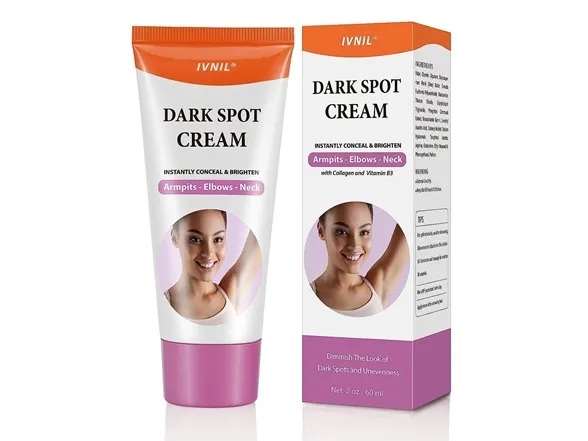
The Power of Skin Whitening Cream
Skin whitening creams have become increasingly popular for those seeking to address uneven skin tones, dark spots, and hyperpigmentation. These creams offer a targeted approach to improving complexion, providing a path to a more radiant and even skin tone. It’s essential to understand the benefits, how they work, and how to choose the right product for your skin type to achieve the best results. When used correctly, these creams can be a powerful tool in your skincare routine, helping you achieve the desired complexion.
Enhanced Complexion and Even Skin Tone
One of the primary benefits of using skin whitening cream is the enhancement of your overall complexion and the promotion of a more even skin tone. These creams work by reducing the production of melanin, the pigment responsible for skin color. By controlling melanin production, the creams help fade dark spots, reduce discoloration, and create a more uniform appearance. The result is a brighter, more balanced complexion, making the skin look healthier and more vibrant. This improvement in skin tone can significantly boost self-esteem and confidence.
Reducing Hyperpigmentation and Dark Spots

Hyperpigmentation, including dark spots, age spots, and acne scars, can be effectively addressed with skin whitening creams. These creams contain ingredients that target the excess melanin in these areas, gradually lightening the spots and reducing their visibility. Consistent use can lead to a significant reduction in hyperpigmentation, providing a clearer and more youthful appearance. Addressing dark spots not only improves the aesthetic of the skin but also contributes to a more even skin texture, enhancing overall skin health. Look at the difference skin whitening can make using the image ‘skin-whitening-cream-dark-skin-2’.
Protection Against Sun Damage
Many skin whitening creams contain ingredients that offer protection against sun damage. Some of these ingredients, such as vitamin C and certain antioxidants, help to neutralize free radicals and reduce the damage caused by UV exposure. Regular use of these creams can fortify the skin, making it more resilient to environmental stressors. By protecting the skin from sun damage, these creams not only improve the existing complexion but also help prevent future discoloration, ensuring the skin remains healthy and vibrant. Check ‘skin-whitening-cream-dark-skin-3’ for more information on this topic.
Improved Skin Hydration and Texture
Many skin whitening creams are formulated with moisturizing ingredients that improve skin hydration and texture. Ingredients like hyaluronic acid, glycerin, and various oils help to lock in moisture, keeping the skin soft, supple, and smooth. By improving hydration, these creams can also reduce the appearance of fine lines and wrinkles, contributing to a more youthful and radiant complexion. Regular use can significantly improve the skin’s overall texture, making it feel smoother and look healthier. See the improvements in skin texture with ‘skin-whitening-cream-dark-skin-4’.
Boosting Confidence and Self-Esteem

The positive effects of skin whitening creams on physical appearance often translate to a boost in confidence and self-esteem. When individuals feel more comfortable and satisfied with their skin’s appearance, they tend to experience increased self-assurance. This can have a profound impact on various aspects of life, including social interactions, professional opportunities, and overall mental well-being. The confidence gained from achieving a more even and radiant complexion can lead to a more positive self-image and a greater sense of self-worth. View the image ‘skin-whitening-cream-dark-skin-5’ for additional facts.
How Skin Whitening Cream Works
The Science Behind Skin Whitening
Skin whitening creams work through a combination of ingredients that target melanin production. Melanin is the pigment responsible for the color of our skin, and these creams aim to reduce its production. Key ingredients, such as hydroquinone, kojic acid, and arbutin, interfere with the enzyme tyrosinase, which is essential for melanin synthesis. By inhibiting tyrosinase, these creams slow down the production of melanin, leading to a gradual lightening of the skin. The science behind these creams is centered on the complex biochemical pathways that control pigmentation. The ‘skin-whitening-cream-dark-skin-6’ shows how the process looks.
Key Ingredients to Look For

When choosing a skin whitening cream, it’s essential to understand the key ingredients and their effects. Some of the most effective ingredients include hydroquinone, which inhibits melanin production, though its use is regulated in many countries. Kojic acid, derived from fungi, also reduces melanin production and has antioxidant properties. Arbutin, a natural derivative of hydroquinone, is gentler and gradually lightens the skin. Vitamin C, a potent antioxidant, brightens the skin and protects against free radicals. Niacinamide, a form of vitamin B3, reduces inflammation and improves skin tone. Review the list of ingredients using the image ‘skin-whitening-cream-dark-skin-7’.
Types of Skin Whitening Cream
Skin whitening creams come in various formulations, each designed to address different skin concerns and types. Some creams are formulated for general use, offering a broad spectrum of benefits, while others are specifically designed for sensitive skin. There are also creams that target specific issues, such as dark spots or hyperpigmentation. The different types of creams include those based on hydroquinone, which are potent but require careful use and monitoring. Other options include creams with natural ingredients like kojic acid or arbutin, which are often gentler but may take longer to show results. Exfoliating creams, which remove dead skin cells, can also enhance the effectiveness of whitening ingredients.
Choosing the Right Cream for Your Skin
Understanding Your Skin Type

Before choosing a skin whitening cream, it’s important to understand your skin type. Whether you have dry, oily, combination, or sensitive skin will influence the type of cream that is most suitable for you. For dry skin, creams with moisturizing ingredients like hyaluronic acid and ceramides are beneficial. For oily skin, lightweight, non-comedogenic formulations are preferable to avoid clogging pores. Sensitive skin requires creams with gentle, non-irritating ingredients. Knowing your skin type will help you avoid adverse reactions and choose a product that effectively addresses your concerns. Check the ‘skin-whitening-cream-dark-skin-8’ to find out your skin type.
Reading Labels and Identifying Ingredients
Carefully reading product labels and understanding the ingredients is essential when selecting a skin whitening cream. Look for key ingredients like hydroquinone, kojic acid, arbutin, and vitamin C. It’s also important to check for any potential irritants or allergens, such as fragrances, parabens, or alcohol, especially if you have sensitive skin. Understanding the ingredient list will help you choose a product that aligns with your skin type and addresses your specific concerns. Always perform a patch test before applying the cream to a larger area to ensure it does not cause any adverse reactions.
Avoiding Harmful Ingredients
It’s crucial to avoid certain ingredients that can be harmful to your skin. Some skin whitening creams contain ingredients like mercury or high concentrations of hydroquinone, which can cause serious side effects. Mercury can lead to kidney damage and neurological problems, while excessive hydroquinone can cause ochronosis, a permanent skin discoloration. Always opt for products from reputable brands and check for certifications to ensure they meet safety standards. If in doubt, consult a dermatologist to guide you in selecting safe and effective skin whitening creams.
Application and Usage

How to Apply Skin Whitening Cream
Applying skin whitening cream correctly is essential for achieving optimal results. Start by cleansing your face thoroughly to remove any dirt or makeup. Apply a small amount of cream to the affected areas, following the product instructions. Gently massage the cream into your skin using upward circular motions. It’s recommended to apply the cream once or twice daily, depending on the product. Be consistent with your application, and always apply sunscreen during the day to protect your skin from sun damage, which can counteract the effects of the cream. The way you apply affects the outcome.
Tips for Maximizing Results
To maximize the results of skin whitening creams, combine them with a comprehensive skincare routine. Exfoliate your skin regularly to remove dead skin cells and enhance the absorption of the cream. Use a gentle cleanser and avoid harsh soaps that can irritate the skin. Incorporate a broad-spectrum sunscreen with an SPF of 30 or higher into your daily routine to protect your skin from sun damage. Stay hydrated by drinking plenty of water and maintain a healthy diet rich in vitamins and antioxidants. These lifestyle choices will complement the effects of the cream, providing radiant and healthy skin.
Potential Side Effects and Precautions

While skin whitening creams can be effective, it’s important to be aware of potential side effects and take necessary precautions. Some common side effects include skin irritation, redness, and dryness. In rare cases, more serious side effects such as ochronosis, a permanent skin discoloration, or allergic reactions may occur. Always perform a patch test before applying the cream to a larger area. Avoid using multiple whitening products simultaneously, as this can increase the risk of adverse reactions. If you experience any severe side effects, discontinue use and consult a dermatologist immediately.