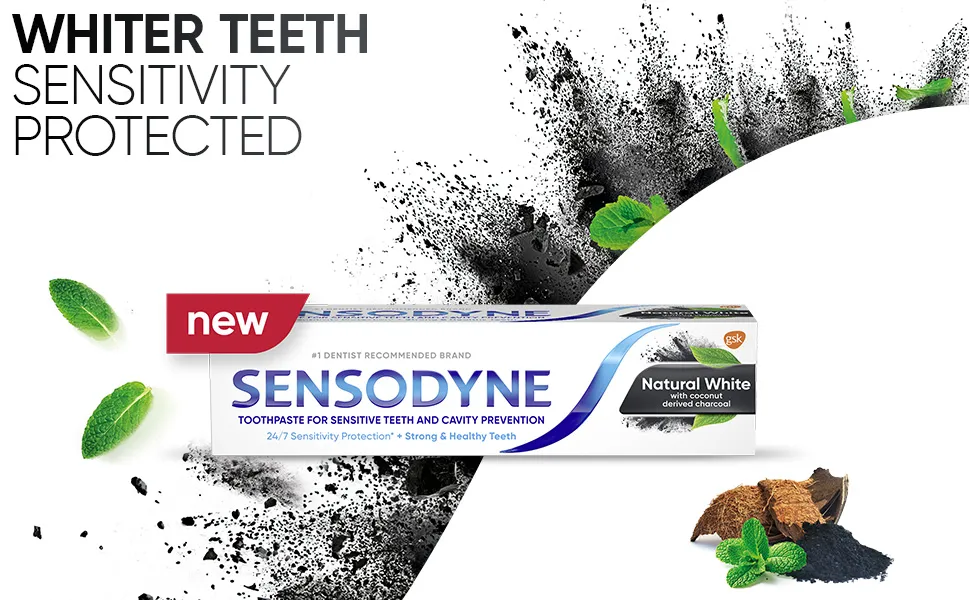
What is Sensodyne Whitening Toothpaste?
Sensodyne Whitening toothpaste is a specialized oral hygiene product designed to address two primary concerns sensitive teeth and the desire for a brighter smile. It’s formulated by GlaxoSmithKline (GSK), a well-known pharmaceutical company, and is marketed as a toothpaste that offers both sensitivity relief and whitening benefits. Unlike many whitening toothpastes that can exacerbate tooth sensitivity, Sensodyne Whitening aims to provide a gentler approach, making it a popular choice for individuals seeking to improve the appearance of their teeth without increasing discomfort. The product typically comes in various formulations, each tailored to meet specific needs, such as Sensodyne Whitening Extra Fresh or Sensodyne Whitening Gentle. These variations often include different flavors and additional ingredients to enhance the user experience, all while maintaining the core function of sensitivity relief and enamel stain removal. The toothpaste is designed for daily use and is intended to be incorporated into a regular oral hygiene routine to maintain both oral health and aesthetic appeal.
Ingredients of Sensodyne Whitening Toothpaste
The effectiveness of Sensodyne Whitening toothpaste lies in its carefully selected ingredients, each playing a specific role in addressing sensitivity and promoting whitening. The core components include active ingredients like potassium nitrate, which is crucial for desensitizing the nerves in the teeth, and fluoride, which strengthens enamel and prevents cavities. In addition to these, the toothpaste often contains mild abrasives, such as hydrated silica, which gently remove surface stains without being overly harsh on the enamel. Other essential ingredients include cleaning agents like sodium lauryl sulfate (SLS), which helps in creating a foaming action for effective cleaning, and various flavoring agents and sweeteners, such as xylitol, to enhance the taste and make the product more palatable. The formulations also incorporate preservatives to maintain the product’s stability and prevent bacterial growth. It’s important to note that the exact composition can vary slightly depending on the specific variant of Sensodyne Whitening, but the fundamental ingredients remain consistent in their goal of providing sensitivity relief, cavity protection, and stain removal.
Key Active Ingredients and Their Functions

Potassium nitrate is the primary active ingredient responsible for reducing tooth sensitivity in Sensodyne Whitening toothpaste. It works by penetrating the tooth and calming the nerves, which helps to block the pain signals that are often triggered by hot, cold, sweet, or acidic foods and drinks. This mechanism provides relief for individuals with sensitive teeth, allowing them to enjoy their favorite foods and beverages without discomfort. In addition to potassium nitrate, fluoride is another critical active ingredient. Its main function is to strengthen tooth enamel, making it more resistant to acid attacks from plaque and bacteria, thereby preventing cavities. Fluoride also helps in the remineralization process, repairing minor damage to the enamel, ensuring the teeth remain strong and protected against decay. These two ingredients work synergistically to protect and comfort teeth, making Sensodyne Whitening a comprehensive solution for those with sensitive teeth who also want to achieve a brighter smile.
The Role of Fluoride
Fluoride is essential for maintaining good oral health, and in Sensodyne Whitening toothpaste, it plays a vital role in strengthening the enamel and preventing dental cavities. It works by incorporating itself into the enamel structure, making it more resistant to the acids produced by bacteria in the mouth. This protective effect reduces the risk of tooth decay and helps to maintain the structural integrity of the teeth. Beyond its cavity-fighting properties, fluoride also aids in the remineralization process. This means that it helps to repair minor damage to the enamel caused by acid erosion, effectively reversing the early stages of tooth decay. This process is especially beneficial for individuals with sensitive teeth, as it helps to strengthen the enamel, making it less susceptible to the triggers that cause sensitivity. By including fluoride, Sensodyne Whitening toothpaste provides a crucial layer of protection, promoting overall oral health and ensuring that teeth are strong and resilient.
Whitening Properties of Sensodyne
Sensodyne Whitening toothpaste achieves its whitening effect primarily through the use of mild abrasives, such as hydrated silica. These abrasives work by gently removing surface stains from the teeth, which can be caused by foods, drinks (like coffee and tea), and other lifestyle factors. Unlike some other whitening toothpastes that use harsh abrasives or bleaching agents, Sensodyne Whitening is formulated to be gentle on the enamel, minimizing the risk of increased sensitivity or damage. The abrasives effectively polish the teeth, removing the stains that dull the natural color and revealing a brighter, cleaner appearance. It’s important to note that Sensodyne Whitening is designed to remove surface stains only, and it does not contain bleaching agents that can alter the intrinsic color of the teeth. Therefore, while it may not produce the same dramatic whitening results as professional treatments or products with higher concentrations of whitening agents, it offers a safe and effective way to enhance the brightness of your smile without compromising the health of your teeth.
How Does Sensodyne Whitening Work?

Sensodyne Whitening toothpaste works through a combination of mechanisms to address both sensitivity and stain removal. The potassium nitrate in the toothpaste desensitizes the nerves in the teeth, which reduces pain and discomfort caused by sensitivity triggers. At the same time, the mild abrasives, such as hydrated silica, gently polish the tooth surfaces, removing stains and restoring the natural brightness of the enamel. This dual-action approach makes Sensodyne Whitening a popular choice for those seeking to improve the appearance of their teeth without exacerbating sensitivity issues. The toothpaste is designed for daily use, and regular brushing helps to maintain the benefits over time. It effectively removes stains from coffee, tea, and other staining agents, resulting in a visibly cleaner and brighter smile. Furthermore, the fluoride in the toothpaste strengthens the enamel, making the teeth more resistant to acid attacks and preventing cavities, thus promoting overall oral health.
Sensodyne Whitening and Sensitivity
One of the key benefits of Sensodyne Whitening is its ability to address tooth sensitivity while also providing whitening benefits. Many individuals with sensitive teeth are wary of whitening products because they often contain harsh ingredients that can worsen their condition. Sensodyne Whitening is formulated to be gentle, reducing the risk of increased sensitivity. The potassium nitrate in the toothpaste is specifically designed to calm the nerves in the teeth, which reduces the pain associated with sensitivity. This allows users to whiten their teeth without experiencing the discomfort that often comes with other whitening products. Regular use of Sensodyne Whitening helps to maintain this balance, providing both a brighter smile and relief from sensitivity, making it an excellent option for those who want to improve their smile’s appearance without sacrificing comfort.
Is it effective for sensitive teeth?
Yes, Sensodyne Whitening toothpaste is specifically formulated to be effective for sensitive teeth. The presence of potassium nitrate is crucial, as it works by desensitizing the nerves inside the teeth, thus blocking the pain signals that trigger sensitivity. This is a significant advantage, as it allows individuals with sensitive teeth to use a whitening toothpaste without the increased discomfort often associated with other products. Clinical studies and user reviews generally support the effectiveness of Sensodyne Whitening in reducing sensitivity. The toothpaste’s gentle formula and the inclusion of fluoride further contribute to its suitability for sensitive teeth. Fluoride strengthens the enamel, making the teeth less susceptible to the factors that can cause sensitivity, such as acid erosion. Regular use of Sensodyne Whitening can, therefore, help to manage sensitivity while also improving the appearance of the teeth.
Effectiveness of Sensodyne Whitening

The effectiveness of Sensodyne Whitening in improving the appearance of teeth is primarily due to its ability to remove surface stains. The mild abrasives in the toothpaste gently polish the teeth, eliminating stains caused by common dietary factors like coffee, tea, and certain foods. This process reveals a brighter, cleaner smile. However, it’s essential to understand that Sensodyne Whitening does not contain bleaching agents, so it will not dramatically change the intrinsic color of the teeth. Instead, it focuses on removing the extrinsic stains that dull the appearance. The results are often noticeable, especially for those who regularly consume staining substances. For optimal results, Sensodyne Whitening should be used consistently as part of a regular oral hygiene routine. The combination of stain removal and sensitivity relief makes it a practical choice for many users seeking a brighter smile without exacerbating their sensitivity issues. The whitening effects are gradual and subtle, making it a safer option for long-term use compared to more aggressive whitening treatments.
How Long Does it Take to See Results?
The time it takes to see visible results with Sensodyne Whitening toothpaste can vary depending on individual factors such as the severity of staining, oral hygiene habits, and the frequency of use. Generally, users can expect to start noticing some improvement in the brightness of their teeth within a few weeks of regular use, typically within two to four weeks. The whitening effect is gradual, as the toothpaste works by gently removing surface stains over time. Consistent brushing, at least twice a day, is essential for achieving the best results. Factors that may influence the speed of results include the types of foods and beverages consumed, smoking habits, and overall oral health. Individuals with more significant staining might require a longer period to see noticeable changes. It’s important to maintain realistic expectations and understand that Sensodyne Whitening focuses on removing surface stains, which leads to a more natural, subtle whitening effect rather than a dramatic transformation.
Comparison with Other Whitening Toothpastes
When comparing Sensodyne Whitening to other whitening toothpastes, the primary differentiating factor is its dual focus on both whitening and sensitivity relief. Many other whitening toothpastes prioritize aggressive stain removal and may contain harsher abrasives or bleaching agents, which can exacerbate sensitivity issues. Sensodyne Whitening, on the other hand, is formulated with a gentler approach. It includes potassium nitrate to soothe sensitive nerves and mild abrasives to remove surface stains. In comparison to toothpastes that contain peroxide or other bleaching agents, Sensodyne Whitening offers a more conservative approach, making it a better choice for those with sensitive teeth. Other brands may offer faster or more dramatic whitening results, but they often come with the risk of increased sensitivity or enamel erosion. Sensodyne Whitening strikes a balance, providing effective stain removal while prioritizing the comfort and health of the teeth, which makes it a preferred option for users with sensitivity concerns.
Sensodyne vs. Other Brands

Compared to other brands, Sensodyne Whitening stands out due to its specific formulation designed for individuals with sensitive teeth. Many other brands offer whitening toothpastes, but their focus is primarily on stain removal, often using more abrasive ingredients or bleaching agents that can increase sensitivity. Brands like Colgate, Crest, and Arm & Hammer also have whitening options, but these may not always be suitable for those with sensitive teeth. Sensodyne’s unique selling proposition is its dual action of whitening and sensitivity relief, achieved through its key ingredients like potassium nitrate and mild abrasives. While other brands may offer similar benefits, they may not be as effective in managing sensitivity. Sensodyne’s commitment to gentle stain removal and enamel protection makes it a reliable choice for users who prioritize comfort and oral health alongside a brighter smile. However, users should always consider their individual needs and consult with a dental professional to determine the best toothpaste for their specific oral health requirements.
User Reviews and Feedback
User reviews and feedback on Sensodyne Whitening toothpaste are generally positive, with many users praising its effectiveness in both whitening and relieving tooth sensitivity. A common sentiment is that the toothpaste delivers noticeable results in terms of brighter teeth, with a gradual improvement over several weeks of consistent use. Users frequently commend its gentle nature, noting that it does not cause increased sensitivity or discomfort, which is a significant advantage over other whitening toothpastes. Many reviewers also appreciate the taste and texture of Sensodyne Whitening, finding it pleasant and easy to incorporate into their daily oral hygiene routine. However, some users express that the whitening effect may not be as dramatic as with more aggressive whitening products. Overall, the consensus is that Sensodyne Whitening provides a balanced approach, offering effective whitening while prioritizing the comfort and health of the teeth, making it a popular choice among those with sensitive teeth.
Pros and Cons of Sensodyne Whitening
Sensodyne Whitening toothpaste offers several advantages for users, including its ability to effectively whiten teeth while simultaneously addressing sensitivity concerns. Its gentle formula is a significant benefit, as it reduces the risk of increased sensitivity or enamel erosion, making it a safe choice for daily use. The inclusion of potassium nitrate provides relief from sensitivity triggers, allowing users to enjoy their favorite foods and beverages without discomfort. Furthermore, the fluoride in the toothpaste strengthens enamel and prevents cavities, promoting overall oral health. However, there are also potential drawbacks to consider. The whitening effect is generally less dramatic compared to products with higher concentrations of bleaching agents. The results tend to be more subtle and may take longer to become noticeable. Additionally, the cost of Sensodyne Whitening might be slightly higher than that of some other toothpastes, and the specific ingredients may not suit everyone. Ultimately, whether Sensodyne Whitening is the right choice depends on individual preferences and needs, weighing the benefits of sensitivity relief and gentle whitening against potential limitations.
Benefits of Using Sensodyne Whitening

The benefits of using Sensodyne Whitening toothpaste are numerous, primarily centered around its dual-action approach to oral health. Firstly, it effectively removes surface stains from the teeth, leading to a brighter and more appealing smile. This is achieved through gentle abrasives that polish the teeth without damaging the enamel. Secondly, the toothpaste provides significant relief from tooth sensitivity. The inclusion of potassium nitrate soothes the nerves in the teeth, allowing users to enjoy hot, cold, sweet, or acidic foods and drinks without discomfort. Thirdly, the presence of fluoride strengthens the enamel, making the teeth more resistant to acid attacks and reducing the risk of cavities. This contributes to improved overall oral health, protecting against decay. Additionally, Sensodyne Whitening is often well-tolerated by users, with many finding it pleasant to use due to its taste and texture. In summary, it offers a safe and comprehensive approach to oral hygiene, addressing both cosmetic concerns and sensitivity issues.
Potential Drawbacks to Consider
While Sensodyne Whitening offers many advantages, there are also potential drawbacks to consider. The primary limitation is the level of whitening achieved, which is generally less dramatic compared to products with stronger bleaching agents. The results tend to be more subtle and may take longer to become noticeable. This may not be ideal for individuals seeking immediate and significant improvements in tooth brightness. The cost of Sensodyne Whitening can also be a factor, as it might be slightly more expensive than other toothpaste brands. Another consideration is that the specific ingredients may not suit everyone. Although the formula is designed to be gentle, some users may experience minor irritation or other sensitivities. Furthermore, individuals with extensive staining or deeply discolored teeth may not achieve the desired results, as Sensodyne Whitening primarily targets surface stains. Overall, it is important to weigh these potential drawbacks against the benefits of sensitivity relief and gentle whitening to determine if Sensodyne Whitening is the right choice for your specific needs and expectations.
How to Use Sensodyne Whitening Toothpaste
To effectively use Sensodyne Whitening toothpaste, start by applying a pea-sized amount to your toothbrush. Brush your teeth thoroughly for two minutes, ensuring that you reach all surfaces of your teeth. Pay special attention to areas where staining may be more prominent, but avoid applying excessive pressure, as this can be counterproductive. After brushing, rinse your mouth thoroughly with water, ensuring that all traces of the toothpaste are removed. It is recommended to brush twice daily, ideally in the morning and before going to bed, to maintain optimal results and protect your teeth throughout the day and night. To enhance the effectiveness of Sensodyne Whitening, consider using a soft-bristled toothbrush, as it is gentler on the enamel. Also, avoid rinsing your mouth immediately after brushing, as this can wash away the fluoride, reducing its protective benefits. Incorporating Sensodyne Whitening into your regular oral hygiene routine is straightforward, but consistency is key to achieving the desired results. Regular dental check-ups and cleanings are also essential for maintaining oral health.
Step-by-step Guide for Optimal Results

For optimal results with Sensodyne Whitening toothpaste, follow these simple steps. First, wet your toothbrush and apply a pea-sized amount of toothpaste. Next, position your toothbrush at a 45-degree angle to your gums, and gently brush all surfaces of your teeth, including the front, back, and chewing surfaces. Use a circular or back-and-forth motion, ensuring that you reach every tooth. Brush for a full two minutes, setting a timer if needed to ensure you reach the recommended duration. After brushing, rinse your mouth thoroughly with water, making sure to remove all toothpaste residue. For best results, brush twice daily, in the morning and before bed, to maintain consistent protection and stain removal. Additionally, consider using other oral hygiene products, such as dental floss and mouthwash, as part of your overall routine. Regular dental check-ups and cleanings are also essential. By following these steps, you can maximize the benefits of Sensodyne Whitening and achieve a brighter, healthier smile.
Important Tips for Using Sensodyne Whitening
To maximize the effectiveness of Sensodyne Whitening toothpaste, there are several important tips to keep in mind. First, ensure you brush your teeth thoroughly for the recommended two minutes, as this allows sufficient time for the ingredients to work. Second, use a soft-bristled toothbrush to avoid abrasion, which can potentially worsen sensitivity or damage enamel. Third, avoid rinsing your mouth immediately after brushing, as this can wash away the fluoride and reduce its protective benefits. Instead, simply spit out the excess toothpaste. Fourth, be consistent with your brushing routine, aiming for twice daily, to maintain the benefits over time. Fifth, limit your intake of staining foods and drinks, such as coffee, tea, and red wine, as these can reduce the whitening effect. Finally, consult your dentist for any concerns or questions and consider using other oral hygiene products, such as dental floss and mouthwash, to complement your Sensodyne Whitening routine. Adhering to these tips will enhance the effectiveness of Sensodyne Whitening and promote a healthy, brighter smile.
Conclusion Is Sensodyne Whitening Worth It?
In conclusion, Sensodyne Whitening toothpaste offers a compelling solution for individuals seeking both sensitivity relief and a brighter smile. Its unique formulation addresses the common concerns of those with sensitive teeth, providing a gentle yet effective approach to stain removal. While the whitening effect may not be as dramatic as with more aggressive products, the balance between stain removal and sensitivity management makes it a worthwhile choice for many users. The benefits, including reduced sensitivity, strengthened enamel, and a cleaner appearance, often outweigh the potential drawbacks, such as a more subtle whitening effect or a slightly higher cost. Ultimately, whether Sensodyne Whitening is the right choice depends on individual priorities and needs. For those prioritizing comfort, enamel health, and a gradual improvement in tooth brightness, Sensodyne Whitening is undoubtedly worth considering. It provides a comprehensive approach to oral hygiene, ensuring that users can maintain a healthy and aesthetically pleasing smile without compromising the well-being of their teeth.