
What is Tooth Sensitivity After Whitening?
Tooth sensitivity after whitening is a common and usually temporary side effect that many people experience. It manifests as a sharp, sudden pain or discomfort in your teeth when exposed to certain stimuli. This can include hot or cold temperatures, sweet or sour foods and drinks, or even air. The sensation can range from mild to intense, and it’s typically caused by the whitening agents used in the process. These agents, most commonly hydrogen peroxide or carbamide peroxide, work by penetrating the enamel and breaking down the stain molecules. However, they can also temporarily affect the tooth’s nerves, leading to increased sensitivity. Understanding the cause of sensitivity is crucial for managing and minimizing its effects. It’s important to note that while uncomfortable, this sensitivity is not a sign of long-term damage in most cases.
Common Causes of Sensitivity
Several factors contribute to tooth sensitivity after whitening. The primary cause is the chemical action of the whitening agents themselves, as mentioned earlier. These agents, such as hydrogen peroxide, can pass through the enamel and dentin, reaching the nerves inside the teeth. This can irritate the nerves, leading to increased sensitivity. Additionally, the concentration of the whitening agent plays a significant role; higher concentrations tend to cause more sensitivity. Another factor is the porosity of your teeth; if your enamel has microscopic pores, the whitening agents can more easily penetrate and cause sensitivity. Furthermore, pre-existing conditions, such as receding gums or thin enamel, can make teeth more susceptible to sensitivity. These conditions expose more of the tooth’s surface, including the dentin, which contains tiny tubules that lead to the nerve, increasing the likelihood of sensitivity. It’s essential to be aware of these causes to better understand and manage potential sensitivity issues.
Hydrogen Peroxide in Whitening Products

Hydrogen peroxide is the star ingredient in many teeth whitening products. It is a powerful oxidizing agent that breaks down stain molecules in your teeth, resulting in a brighter smile. The effectiveness of hydrogen peroxide in whitening products is well-documented, and it is a key component of both professional treatments and at-home kits. The concentration of hydrogen peroxide varies widely depending on the product type. In-office treatments often use higher concentrations, providing quicker results but potentially causing more sensitivity. At-home products, such as whitening strips and gels, typically contain lower concentrations, making them gentler but requiring more time to achieve noticeable whitening. It’s essential to follow the instructions carefully and be aware of the potential sensitivity risks associated with the concentration of hydrogen peroxide used. When considering whitening options, discuss the hydrogen peroxide concentration with your dentist to choose a product that suits your needs and sensitivity levels.
How Long Does Sensitivity Last?
The duration of sensitivity after teeth whitening varies from person to person. In most cases, it’s a temporary effect, typically lasting from a few days to a couple of weeks. Many people experience peak sensitivity within the first 24 to 48 hours after the whitening treatment. This is when the teeth are most vulnerable. The good news is that the sensitivity gradually subsides as the teeth recover. However, for some individuals, the sensitivity may persist for a longer period. It is important to understand that the exact duration depends on several factors, including the type of whitening treatment used, the concentration of the whitening agent, and your individual tooth sensitivity baseline. If the sensitivity lasts longer than a few weeks or becomes severe, consulting your dentist is advisable to rule out any underlying dental issues and explore management options.
Factors Influencing Sensitivity Duration
Several factors influence how long sensitivity lasts after teeth whitening. One of the most critical is the type of whitening treatment. In-office treatments, which use higher concentrations of whitening agents, often cause more immediate and potentially more intense sensitivity. However, the sensitivity from these treatments may also resolve faster. At-home kits, which typically use lower concentrations, might cause less initial sensitivity but could result in a longer duration of discomfort if the treatment is used over an extended period. Your tooth sensitivity baseline is another important factor. People who already have sensitive teeth are more likely to experience prolonged sensitivity after whitening. Pre-existing conditions like receding gums or thin enamel can also exacerbate sensitivity. Furthermore, your adherence to post-whitening care instructions, such as using sensitivity toothpaste and avoiding trigger foods, plays a significant role in the duration of sensitivity. Taking preventative measures can significantly reduce the duration and intensity of sensitivity.
Type of Whitening Treatment

The type of whitening treatment you choose can significantly affect the level and duration of sensitivity. Professional in-office treatments, conducted by a dentist, often use higher concentrations of hydrogen peroxide. These treatments can deliver dramatic results quickly but may lead to more intense, albeit often shorter-lived, sensitivity. The dentist can also take measures to minimize sensitivity, such as applying desensitizing agents. At-home whitening kits come in various forms, including whitening strips, gels used with custom trays, and whitening toothpastes. These options typically use lower concentrations of whitening agents, making them gentler and often causing less immediate sensitivity. However, the duration of the treatment is typically longer, and sensitivity can last longer if the treatment is not used properly. The best choice depends on your needs, preferences, and tolerance for sensitivity. Consulting with your dentist about the pros and cons of each treatment type is crucial to make an informed decision.
Tooth Sensitivity Baseline
Your tooth sensitivity baseline before whitening plays a crucial role in how you experience sensitivity after the treatment. Individuals who already have sensitive teeth, whether due to receding gums, enamel erosion, or other dental issues, are more likely to experience increased sensitivity after whitening. This is because their teeth may have existing vulnerabilities that make them more susceptible to the effects of the whitening agents. If you know you have sensitive teeth, informing your dentist before the whitening treatment is essential. They can take steps to minimize sensitivity, such as using desensitizing agents before the procedure or recommending a lower-concentration whitening product. Also, knowing your baseline can help you manage your expectations. If you have pre-existing sensitivity, you may need to take extra precautions, such as using sensitivity toothpaste for a few weeks before whitening, and be prepared for the possibility of a more prolonged recovery period.
Sensitivity Management Techniques
There are several effective techniques you can use to manage tooth sensitivity after whitening. Using sensitivity toothpaste is one of the most common and accessible methods. These toothpastes contain ingredients like potassium nitrate or stannous fluoride, which help block the tubules in the dentin and reduce nerve irritation. Applying fluoride treatments, either at home or in the dentist’s office, can also strengthen the enamel and reduce sensitivity. Over-the-counter pain relievers, such as ibuprofen or acetaminophen, can help alleviate any discomfort. Avoiding trigger foods and drinks, such as those that are very hot, cold, sweet, or acidic, can prevent further irritation of your teeth. Finally, maintaining good oral hygiene by brushing gently with a soft-bristled toothbrush and flossing regularly is essential. These simple strategies can significantly reduce sensitivity and make your experience more comfortable.
Using Sensitivity Toothpaste
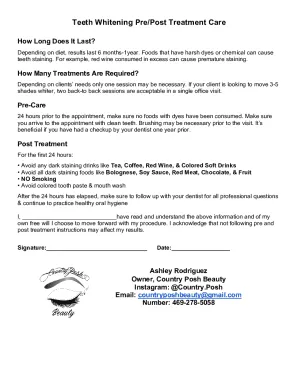
Sensitivity toothpaste is a valuable tool for managing tooth sensitivity after whitening. These toothpastes are specially formulated to reduce the discomfort caused by sensitive teeth. They typically contain active ingredients like potassium nitrate or stannous fluoride. Potassium nitrate works by penetrating the tooth and blocking the nerve signals that cause pain, while stannous fluoride helps to block the dentinal tubules, which are tiny channels that lead to the tooth’s nerve. To use sensitivity toothpaste effectively, start using it a couple of weeks before your whitening treatment to prepare your teeth. Continue using it during and after the whitening process. Apply a small amount to your toothbrush and brush gently, making sure to cover all tooth surfaces. Avoid vigorous brushing, which can further irritate your teeth. For the best results, use the sensitivity toothpaste consistently as part of your daily oral hygiene routine. With regular use, sensitivity toothpaste can significantly reduce and manage the discomfort caused by sensitivity.
Over-the-Counter Pain Relief
If you experience tooth sensitivity after whitening, over-the-counter pain relievers can provide effective relief. Common choices include ibuprofen (Advil, Motrin) and acetaminophen (Tylenol). Ibuprofen is a nonsteroidal anti-inflammatory drug (NSAID) that reduces pain and inflammation, while acetaminophen is an analgesic that helps to block pain signals. When taking these medications, follow the dosage instructions on the package to avoid any potential side effects. For more severe pain, you may want to consult with your dentist. They might recommend stronger pain relief options or other treatments. However, for most cases of post-whitening sensitivity, over-the-counter pain relievers are sufficient to manage the discomfort. Always remember to inform your dentist about any medications you are taking, and if the pain persists or worsens, seek professional advice.
Professional Treatments for Sensitivity
In some cases, the sensitivity after teeth whitening might be more intense or prolonged, requiring professional treatments from your dentist. One common treatment is the application of fluoride varnish or gel. Fluoride strengthens the enamel and helps to block the dentinal tubules, reducing sensitivity. Your dentist can also apply desensitizing agents directly to your teeth. These agents contain ingredients that help to reduce nerve irritation. For more severe cases, your dentist might recommend a prescription-strength toothpaste that contains a higher concentration of fluoride or other desensitizing ingredients. If your sensitivity is related to gum recession, your dentist may suggest a gum graft to cover exposed tooth roots. If you experience severe or persistent sensitivity, it’s important to consult your dentist. They can accurately diagnose the cause and recommend the most appropriate treatment options for your specific needs.
Preventing Sensitivity After Whitening

Preventing tooth sensitivity after whitening involves several proactive measures. Choosing a whitening treatment with a lower concentration of whitening agents can reduce the likelihood of sensitivity. Inform your dentist about any pre-existing sensitivity or dental conditions before undergoing a whitening treatment. Following the instructions provided with your whitening kit or by your dentist is crucial. This includes adhering to the recommended treatment duration and frequency. Preparing your teeth before whitening can also help. Use a sensitivity toothpaste for a couple of weeks before starting the whitening process. Avoiding trigger foods and drinks, such as those that are very hot or cold, can help prevent irritation. Additionally, maintaining good oral hygiene is essential, including brushing gently with a soft-bristled toothbrush and flossing regularly. By taking these preventative measures, you can significantly reduce the risk of experiencing sensitivity and make your whitening experience more comfortable.
Proper Oral Hygiene
Proper oral hygiene is fundamental in preventing and managing tooth sensitivity after whitening. Begin by brushing your teeth gently with a soft-bristled toothbrush. Avoid using excessive force, which can damage the enamel and increase sensitivity. Brush your teeth at least twice a day for two minutes each time. Use a fluoride toothpaste to strengthen your enamel and protect against sensitivity. Floss daily to remove plaque and food particles from between your teeth, where a toothbrush can’t reach. Consider using an antibacterial mouthwash to further reduce bacteria and keep your mouth clean. Regular dental checkups and professional cleanings are also essential to maintain optimal oral health and address any potential issues early on. Your dentist can provide personalized advice on proper brushing techniques and oral hygiene practices tailored to your needs. Consistent adherence to a good oral hygiene routine is vital for the overall health of your teeth and can significantly reduce the likelihood of sensitivity.
Avoiding Trigger Foods and Drinks
Avoiding trigger foods and drinks is a simple yet effective strategy for managing tooth sensitivity after whitening. These triggers include foods and beverages that are very hot, cold, sweet, or acidic. Hot foods and drinks, such as coffee, tea, and soups, can irritate sensitive teeth. Cold foods and drinks, like ice cream and iced beverages, can also cause sharp pain. Sweet foods and drinks, such as candies, sugary sodas, and fruit juices, can stimulate the nerves in your teeth. Acidic foods and drinks, such as citrus fruits, tomatoes, and vinegar-based dressings, can erode the enamel, leading to increased sensitivity. By minimizing your consumption of these triggers, you can significantly reduce the discomfort associated with sensitivity. If you do consume these items, do so in moderation and try to avoid prolonged contact with your teeth. It’s also a good idea to rinse your mouth with water after consuming trigger foods and drinks to help neutralize any acids or sugars.
Maintaining a Healthy Diet

Maintaining a healthy diet supports overall oral health and helps prevent tooth sensitivity after whitening. A balanced diet rich in essential nutrients provides the building blocks for strong, healthy teeth. Calcium is crucial for strengthening tooth enamel, so include calcium-rich foods like dairy products, leafy green vegetables, and fortified foods in your diet. Phosphorus also plays a vital role in strengthening teeth. You can find phosphorus in meat, poultry, fish, and nuts. Vitamin D aids in the absorption of calcium. Get your daily dose of vitamin D through sunlight exposure or supplements. Limit your intake of sugary and processed foods, as they contribute to enamel erosion and increase the risk of sensitivity. Drink plenty of water to stay hydrated and promote saliva production, which helps neutralize acids and wash away food particles. A healthy diet will benefit your teeth and overall well-being.
When to Consult a Dentist
While tooth sensitivity after whitening is typically temporary, it is important to know when to consult your dentist. If the sensitivity lasts longer than a few weeks, it’s a good idea to seek professional advice. Persistent or worsening sensitivity could indicate an underlying dental issue that needs to be addressed. If you experience severe pain or discomfort that is not relieved by over-the-counter pain relievers or home remedies, you should also consult your dentist. They can assess your teeth and gums and determine the cause of the increased sensitivity. Another reason to consult your dentist is if you notice any other symptoms, such as bleeding gums, swelling, or changes in the appearance of your teeth. Your dentist can provide appropriate treatment options and recommend additional steps you can take to manage your sensitivity and protect your oral health. Regular dental checkups are essential for maintaining optimal oral health, particularly after undergoing a teeth whitening treatment.