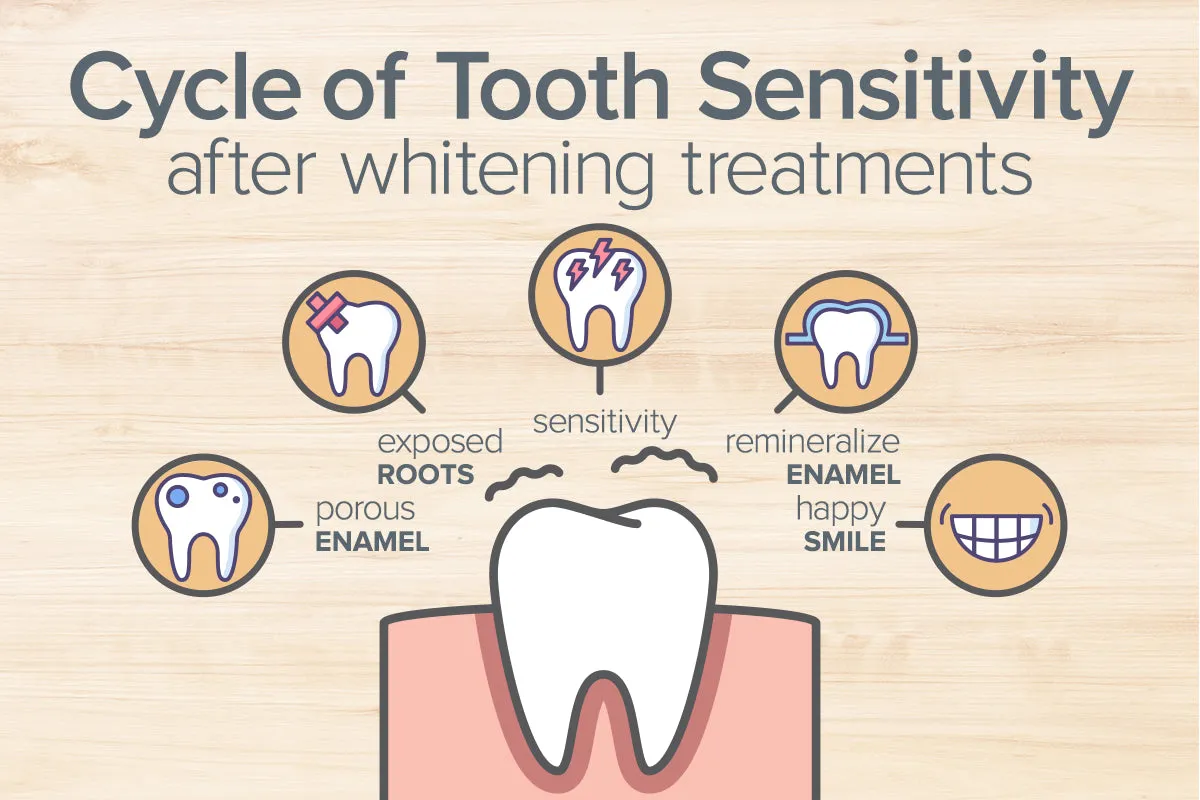
What Causes Sensitive Teeth After Whitening
Teeth whitening is a popular cosmetic procedure, promising a brighter, more confident smile. However, a common side effect is tooth sensitivity. Understanding the reasons behind this sensitivity is the first step in finding effective solutions. The process involves using bleaching agents, typically hydrogen peroxide or carbamide peroxide, to break down stains and discoloration on the enamel. While effective, these chemicals can penetrate the enamel and reach the dentin, the layer beneath. This can irritate the nerves within the teeth, leading to the temporary discomfort known as sensitivity. Several factors can influence the degree of sensitivity, including the concentration of the whitening agent, the duration of the treatment, and the individual’s oral health.
The Whitening Process and Sensitivity
The whitening process itself plays a crucial role in causing sensitivity. The bleaching agents used in teeth whitening products work by penetrating the enamel to oxidize the stain molecules. This process, while effective in removing stains, can also temporarily compromise the enamel’s structure. This makes the underlying dentin, which contains tiny tubules leading to the nerves, more vulnerable to stimuli such as hot or cold temperatures. The higher the concentration of the whitening agent and the longer it’s applied, the greater the likelihood of experiencing sensitivity. Professional whitening treatments, which use stronger concentrations, tend to cause more sensitivity than at-home methods. However, even at-home kits can cause discomfort, especially if used improperly or too frequently.
Why Some People Experience Sensitivity

Not everyone experiences sensitivity to the same degree after teeth whitening. Several factors influence an individual’s susceptibility. People with naturally thin enamel or receding gums are more prone to sensitivity, as the dentin is less protected. Pre-existing conditions, such as cavities, cracks, or exposed root surfaces, can also increase sensitivity. Furthermore, the type of whitening product used and the method of application play a significant role. Over-the-counter products often contain lower concentrations of bleaching agents, leading to less sensitivity compared to professional treatments. Individual oral hygiene habits, such as aggressive brushing, can also contribute to enamel wear and increased sensitivity. Understanding these factors can help you take preventative measures and choose the most suitable whitening approach.
Top 5 Fixes for Sensitive Teeth
Dealing with sensitive teeth after whitening can be uncomfortable, but several effective strategies can provide relief and allow you to enjoy your brighter smile. These fixes focus on soothing the nerves and protecting your teeth from further irritation. Remember that individual responses to these methods may vary. Consulting with your dentist is always recommended to address any underlying issues and receive personalized advice. These top 5 fixes are designed to be easily implemented and can significantly improve your comfort level during and after the whitening process, while also ensuring the long-term health and appearance of your teeth.
Use Sensitivity Toothpaste
One of the most common and effective remedies for sensitive teeth is the use of sensitivity toothpaste. These toothpastes are specifically formulated to reduce pain by blocking the tubules in the dentin or desensitizing the nerve endings. They often contain ingredients like potassium nitrate or stannous fluoride. Potassium nitrate works by blocking the transmission of pain signals to the brain, while stannous fluoride helps to strengthen the enamel and protect against further sensitivity. Using sensitivity toothpaste consistently for at least a week or two can provide noticeable relief, and it is generally recommended to continue using it even after the sensitivity subsides to maintain the protective effect.
How Sensitivity Toothpaste Works

Sensitivity toothpastes work primarily in two ways. Some contain potassium nitrate, which penetrates the tooth and blocks the nerve signals that trigger pain. This ingredient acts like a barrier, preventing the stimuli from reaching the nerve endings and causing discomfort. Other sensitivity toothpastes contain stannous fluoride. This mineral helps to strengthen the tooth enamel and create a protective layer over the dentin tubules. This physical barrier reduces the exposure of the nerves to hot, cold, or acidic foods and drinks. The effectiveness of sensitivity toothpaste can vary depending on the individual and the severity of the sensitivity. Regular use is crucial to achieve the best results, and it may take several weeks to notice significant improvement.
Choosing the Right Sensitivity Toothpaste
When selecting sensitivity toothpaste, consider the active ingredients and your individual needs. Look for products containing potassium nitrate or stannous fluoride, as these are the most effective ingredients for reducing sensitivity. It is also important to choose a toothpaste that is gentle on your teeth and gums. Avoid toothpastes with abrasive ingredients, such as silica or baking soda, as these can potentially worsen sensitivity. Many brands offer sensitivity toothpastes with added benefits, such as whitening properties or cavity protection. However, if your primary concern is sensitivity, prioritize the sensitivity-reducing ingredients over other features. Consulting your dentist can also help you choose the most appropriate toothpaste for your specific situation and oral health needs.
Consider Fluoride Treatments
Fluoride treatments can be highly effective in reducing tooth sensitivity after whitening. Fluoride strengthens tooth enamel, making it more resistant to acid attacks and external stimuli. It works by remineralizing the enamel, which can help to block the dentin tubules, thus reducing sensitivity. The benefits of fluoride extend beyond just desensitization. It also helps to prevent tooth decay and promotes overall oral health. There are various types of fluoride treatments available, ranging from over-the-counter products to professional applications. The choice of treatment depends on the severity of your sensitivity and your dentist’s recommendations.
Benefits of Fluoride for Sensitivity

Fluoride offers several benefits for managing teeth sensitivity. The primary advantage is its ability to strengthen the enamel. By strengthening the enamel, fluoride creates a more robust barrier against external stimuli like hot or cold foods and drinks. This protective layer helps to reduce the transmission of pain signals to the nerves, lessening sensitivity. Fluoride also promotes remineralization, which means it helps to rebuild and repair the enamel that may have been weakened during the whitening process. This remineralization process can also block the dentin tubules, further reducing sensitivity. Regular use of fluoride, either through toothpaste, mouthwash, or professional treatments, can significantly improve your comfort and overall oral health.
Where to Get Fluoride Treatments
Fluoride treatments are available in several forms. Over-the-counter fluoride toothpastes and mouthwashes are readily accessible and can be integrated into your daily oral hygiene routine. These products typically contain lower concentrations of fluoride and are suitable for mild sensitivity. For more severe cases, your dentist can provide professional fluoride treatments, such as fluoride varnish or gels. These treatments contain a higher concentration of fluoride and are applied directly to the teeth. Your dentist may also recommend prescription-strength fluoride toothpaste. The choice of treatment depends on the severity of your sensitivity and your dentist’s evaluation of your oral health. Regular dental check-ups are crucial to determine your individual needs and ensure you’re receiving the most appropriate fluoride treatment.
Over-the-Counter Pain Relief
In addition to targeted treatments, over-the-counter pain relievers can provide immediate relief from tooth sensitivity. These medications can help to reduce inflammation and numb the nerves, offering temporary comfort. However, it’s important to use these medications as a supplementary measure, not as a long-term solution. Addressing the underlying cause of sensitivity is crucial for lasting relief. Always follow the recommended dosage and guidelines for any pain reliever you take, and consult with your dentist if your sensitivity persists or worsens.
Types of Pain Relievers

Several types of over-the-counter pain relievers can help manage tooth sensitivity. Nonsteroidal anti-inflammatory drugs (NSAIDs), such as ibuprofen or naproxen, can reduce inflammation and provide pain relief. Acetaminophen (Tylenol) is another option for managing pain. For more immediate relief, topical anesthetics, such as benzocaine, can be applied directly to the sensitive area. These numbing agents provide temporary relief by blocking pain signals. It’s important to be aware of the potential side effects and contraindications of each medication. Consult your doctor or dentist if you have any questions or concerns before taking any over-the-counter pain relievers, especially if you have existing health conditions or are taking other medications.
When to Consult a Dentist
While over-the-counter remedies can provide temporary relief, it is important to consult your dentist if your tooth sensitivity is severe, persistent, or worsens over time. Your dentist can assess the underlying cause of the sensitivity and determine the most appropriate treatment plan. They can also rule out any other dental issues, such as cavities or gum disease, that may be contributing to your discomfort. Your dentist can offer professional treatments, such as fluoride applications or desensitizing agents, which can be more effective than over-the-counter options. Regular dental check-ups are crucial for maintaining good oral health and addressing any potential problems before they worsen.
Adjust Your Diet
Your diet can significantly impact tooth sensitivity. Certain foods and drinks can exacerbate the discomfort, while others may provide relief. Making dietary adjustments can be an effective way to manage sensitivity and minimize irritation. It’s important to identify trigger foods and beverages and make necessary modifications to your eating habits. This can involve avoiding certain items or modifying the way you consume them. By being mindful of your diet, you can reduce the frequency and severity of sensitivity episodes and create a more comfortable eating experience.
Foods to Avoid

Certain foods and drinks are known to trigger or worsen tooth sensitivity. These items typically share characteristics like high acidity, extreme temperatures, or high sugar content. Acidic foods, such as citrus fruits, tomatoes, and pickles, can erode enamel and expose the dentin tubules, increasing sensitivity. Hot or cold foods and beverages, like ice cream, coffee, or very cold water, can also trigger discomfort. Sugary foods and drinks contribute to tooth decay, which can worsen sensitivity. Limiting or avoiding these foods can significantly reduce sensitivity. You can also consume them in moderation or combine them with other foods to dilute their impact.
Foods That May Help
Some foods may help to reduce tooth sensitivity. Calcium-rich foods, such as dairy products and leafy green vegetables, can strengthen enamel and help to protect against sensitivity. Foods high in fiber, like whole grains and vegetables, promote saliva production, which helps to neutralize acids and protect teeth. Avoiding sugary snacks and opting for healthier alternatives, like fruits and vegetables, can also help to reduce the risk of tooth decay. Consider drinking water after consuming acidic foods or drinks to help rinse away the acids. Following a balanced diet rich in nutrients will support overall oral health and may help to minimize sensitivity.
Proper Oral Hygiene
Maintaining proper oral hygiene is essential for preventing and managing tooth sensitivity. Proper brushing techniques, flossing, and the use of mouthwash can help to protect your teeth and gums, reducing the risk of sensitivity. Establishing good oral hygiene habits will not only address sensitivity but also promote overall oral health, preventing other dental problems. Regular dental check-ups and cleanings are also vital for maintaining healthy teeth and gums. Your dentist can detect any issues early on and provide professional care. Prioritizing oral hygiene is a proactive step towards achieving a healthy, comfortable smile.
Brushing Techniques

Brushing your teeth correctly is crucial for preventing and managing tooth sensitivity. Use a soft-bristled toothbrush to avoid damaging the enamel and irritating the gums. Brush gently, using a circular or back-and-forth motion, and avoid applying too much pressure. Brushing aggressively can wear away the enamel and expose the dentin tubules, increasing sensitivity. Brush your teeth for at least two minutes, twice a day. Be sure to brush all surfaces of your teeth, including the front, back, and chewing surfaces. Consider using an electric toothbrush with a pressure sensor, as this can help to prevent over-brushing. Proper brushing techniques will help to remove plaque and bacteria while protecting your teeth from sensitivity.
Flossing and Mouthwash
Flossing and the use of mouthwash are important components of a comprehensive oral hygiene routine. Flossing removes plaque and food particles from between your teeth, where your toothbrush can’t reach. This helps to prevent gum disease and tooth decay, which can worsen sensitivity. Floss gently, avoiding excessive force that could damage the gums. Use mouthwash to further reduce plaque and bacteria. Choose a fluoride mouthwash to help strengthen your enamel. Avoid mouthwashes that contain alcohol, as they can dry out your mouth and potentially worsen sensitivity. Floss at least once a day and use mouthwash as directed to maintain a healthy mouth environment.
Preventing Sensitivity in the Future
Preventing tooth sensitivity is just as important as treating it. By taking proactive measures, you can minimize your risk of experiencing sensitivity in the future and maintain a healthy, comfortable smile. This involves making informed decisions about dental procedures, maintaining good oral hygiene habits, and being mindful of your diet. Consulting with your dentist regularly is crucial to detect any potential issues early on and receive personalized recommendations. A preventative approach will not only prevent sensitivity but also contribute to the overall health and longevity of your teeth.
Consult Your Dentist Before Whitening

Before undergoing any teeth whitening procedure, consult with your dentist. They can assess the health of your teeth and gums and determine if you are a suitable candidate for whitening. Your dentist can also identify any pre-existing conditions, such as cavities or gum disease, that could increase your risk of sensitivity. They can recommend the most appropriate whitening method for your individual needs and provide guidance on how to minimize potential side effects. Professional whitening treatments are often performed in a controlled environment, which can reduce the risk of sensitivity compared to at-home methods. By consulting your dentist before whitening, you can make an informed decision and ensure you are taking steps to protect your teeth.
Choosing the Right Whitening Method
Choosing the right teeth whitening method is crucial for minimizing the risk of sensitivity. Professional whitening treatments, performed by a dentist, often use stronger bleaching agents but are also accompanied by protective measures. These methods allow your dentist to monitor your teeth and gums and address any sensitivity immediately. At-home whitening kits are a more convenient and affordable option, but they may increase the risk of sensitivity if used incorrectly. Always follow the instructions carefully and avoid overuse. Consider using a whitening toothpaste as a less aggressive alternative. The best whitening method for you depends on your individual needs and preferences. Consulting with your dentist will help you to make the best decision for a brighter, healthier smile while also minimizing the risk of sensitivity.