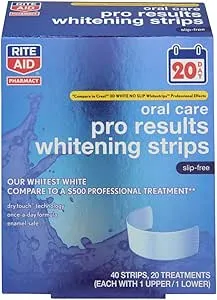
What is a Rite Aid Whitening Pen?
A Rite Aid whitening pen is a convenient, portable, and relatively affordable method for teeth whitening. It’s designed for at-home use, offering a quick and easy way to brighten your smile. These pens typically contain a whitening gel with active ingredients that help to remove stains and discoloration from the surface of your teeth. They are a popular choice for those looking to enhance their smile without the cost and commitment of professional dental treatments. The pens are easy to carry, making them ideal for touch-ups on the go. Rite Aid offers various whitening pens, each with its specific formulation and instructions. This makes it crucial to understand the specific directions for your chosen product to ensure effectiveness and safety.
How Does a Whitening Pen Work?
Whitening pens work by applying a bleaching agent directly to the tooth surface. The active ingredient, usually hydrogen peroxide or carbamide peroxide, penetrates the enamel to break down stain molecules. These molecules, accumulated over time from food, drinks, and lifestyle choices, cause discoloration. The gel in the pen oxidizes these stains, essentially lightening them and revealing a brighter, whiter tooth. The process doesn’t remove the enamel; instead, it alters the color of the existing enamel. The effectiveness depends on the concentration of the active ingredient, the duration of application, and the severity of the stains. Consistent and correct use, as per the product instructions, is essential for achieving the desired results. The pens target surface stains, making them most effective for extrinsic discoloration, although they may slightly improve intrinsic stains as well.
Active Ingredients in Rite Aid Whitening Pens
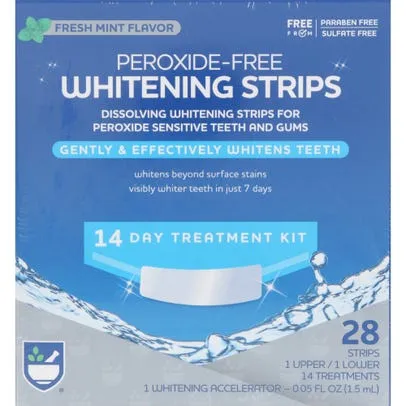
The primary active ingredients in Rite Aid whitening pens are typically hydrogen peroxide or carbamide peroxide. Hydrogen peroxide is a strong oxidizing agent that directly bleaches the teeth. Carbamide peroxide breaks down into hydrogen peroxide, providing a slower release and potentially less sensitivity. The concentration of these ingredients can vary, with higher concentrations often leading to quicker results but also a greater risk of sensitivity. Besides the active whitening agents, these pens usually contain other components like glycerin, water, and flavoring agents to create a stable and palatable gel. Some formulations may also include ingredients to help reduce sensitivity or enhance the product’s effectiveness. Always check the product label for the specific ingredients and concentrations to understand what you’re applying to your teeth and any potential risks associated.
Step-by-Step Directions to Use Rite Aid Whitening Pen
Using a Rite Aid whitening pen correctly is crucial for achieving the best results while minimizing potential side effects. Here’s a detailed step-by-step guide to ensure proper application. Following these steps will help you get the most out of your whitening pen, leading to a brighter and more confident smile. Remember, consistency is key, so make sure to incorporate this into your daily routine. Remember to consult the specific instructions on your product, as slight variations may apply depending on the brand and formulation.
Prepare Your Teeth
Before using the whitening pen, it’s best to brush your teeth gently. This removes any surface debris and plaque that might hinder the whitening gel’s effectiveness. Rinse your mouth thoroughly with water; make sure you don’t use toothpaste at this step. Ensure your teeth are dry by patting them gently with a clean cloth or tissue. This will allow the gel to adhere better to the tooth surface. This preparation step helps ensure the whitening gel comes into direct contact with the enamel, optimizing its bleaching action. The cleanliness of your teeth will significantly influence the outcome. Proper preparation makes a big difference.
Apply the Whitening Gel

Twist the bottom of the pen to dispense the whitening gel onto the applicator brush. Apply a thin layer of the gel directly onto the surface of your teeth, especially those visible when you smile. Avoid applying the gel to your gums, as this can cause irritation. Ensure all surfaces of the teeth are covered where you want to see whitening. If the gel accidentally touches your gums, wipe it off immediately. Proper application ensures that the bleaching agents work effectively on the stained areas. Apply the gel carefully to avoid waste and ensure the product lasts longer, enhancing your smile’s brightness. This careful application is crucial for even whitening results.
Wait for the Recommended Time
After applying the gel, keep your mouth slightly open to prevent the gel from being wiped away by your lips or saliva. The recommended waiting time varies depending on the product, so carefully follow the instructions. This time allows the whitening agents to effectively penetrate the enamel and break down the stains. Avoid eating or drinking anything during this waiting period to prevent the gel from being diluted or disrupted. Patience is key for the best results; adhering to the recommended time ensures that the whitening process is optimized for effectiveness. Following the recommended time will prevent any potential damage.
Rinse Your Mouth
After the recommended time, rinse your mouth thoroughly with water to remove any remaining gel. Avoid swallowing the gel. Make sure that all traces of the gel are removed from your teeth and gums. If you experience any discomfort or unusual sensations, rinse your mouth with water immediately. Gently brush your teeth again, but avoid aggressive brushing, which can potentially irritate your gums after the whitening treatment. This final step ensures that your mouth is free from any remaining whitening agents, preventing irritation. The correct rinsing is a critical part of the whitening process and maintaining good oral health.
What to Expect After Using the Pen

Immediately after using a Rite Aid whitening pen, you might notice a slight difference in the brightness of your teeth. The extent of the change depends on factors like the initial staining, the concentration of the whitening agent, and how long you’ve used the product. Some people experience temporary tooth sensitivity or mild gum irritation; this usually subsides shortly after the treatment. It’s common to feel a slight tingling sensation or mild discomfort, which is generally not a cause for concern. In the hours and days following, the whitening effect will gradually become more apparent as the active ingredients continue to work. Consistent use, according to the product instructions, will yield more noticeable results over time. It is also essential to note that the final shade of your teeth is influenced by your natural tooth color.
How Long Does it Take to See Results?
The time it takes to see results from a Rite Aid whitening pen varies depending on the individual, the severity of the staining, and the consistency of use. Some people notice a subtle improvement after just a few applications. However, it usually takes several days to a couple of weeks of regular use to see significant changes. Factors such as the concentration of the whitening agent and the frequency of application, also affect the timing. Following the instructions provided with the pen will maximize the chances of seeing results within the expected timeframe. Patience is essential, as achieving the desired level of whiteness is a gradual process. Keep in mind that individual results may vary. For faster and more significant results, consider consulting your dentist for professional whitening options.
Tips to Maximize Whitening Pen Effectiveness
To maximize the effectiveness of your Rite Aid whitening pen, follow these helpful tips. Consistency is key: use the pen as directed, every day, or as recommended. Ensure your teeth are clean and dry before each application, allowing the gel to adhere properly. Avoid eating or drinking anything (besides water) for at least 30 minutes after application. Store your whitening pen in a cool, dry place away from direct sunlight. Regularly brush your teeth with a whitening toothpaste in the mornings. Combine your teeth whitening with flossing. These tips can help you achieve optimal results, leading to a brighter and more confident smile. They are essential for creating a healthier and more beautiful smile.
Avoid Staining Foods and Drinks
During and after your teeth whitening treatment, it’s important to avoid or limit the consumption of foods and drinks that can stain your teeth. This includes coffee, tea, red wine, dark sodas, berries, and tomato-based sauces. These items contain chromogens, which can cause stains. If you consume staining foods, rinse your mouth with water immediately afterward, and brush your teeth to minimize their impact. By avoiding staining substances, you can prolong the whitening effects and protect your investment in a brighter smile. Make sure to maintain a healthy and teeth-friendly diet. This can enhance and maintain the teeth whitening process.
Maintain Good Oral Hygiene
Maintaining excellent oral hygiene is essential to keep your teeth white and healthy. Brush your teeth twice a day for two minutes each time with a fluoride toothpaste. Floss daily to remove plaque and food particles from between your teeth and under the gumline. Consider using an antimicrobial mouthwash to help reduce bacteria and prevent stains. Regular dental check-ups and cleanings are also critical to remove any stubborn stains and maintain oral health. Following these practices helps you to maintain a healthy smile. Good oral hygiene is key for the longevity of your whitening results. Regular dental check-ups will ensure that any potential issues will be treated effectively.
Possible Side Effects and How to Manage Them
While Rite Aid whitening pens are generally safe, some potential side effects can occur. The most common side effects include tooth sensitivity and gum irritation. To manage tooth sensitivity, use a toothpaste designed for sensitive teeth. Avoid consuming extremely hot or cold foods and drinks. Gum irritation can be minimized by carefully applying the gel, avoiding contact with your gums. If irritation persists, stop using the product and consult your dentist. Other rare side effects may include mild enamel changes or allergic reactions. Always follow the product instructions carefully. Being aware of these side effects and knowing how to manage them is important to ensure a comfortable whitening experience. If you experience any unusual symptoms, it’s best to seek professional dental advice.
Sensitivity and Irritation

Tooth sensitivity and gum irritation are the most frequent side effects associated with using whitening pens. Sensitivity often manifests as a sharp, temporary pain when consuming hot, cold, sweet, or sour foods or drinks. Gum irritation can appear as redness, swelling, or soreness in the gums. To minimize these effects, consider using a toothpaste formulated for sensitive teeth for several weeks before beginning the whitening treatment. Apply the whitening gel carefully, avoiding contact with your gums. Reduce the frequency of application or the amount of time the gel is applied if sensitivity becomes bothersome. If the irritation is severe or persists, stop using the product and seek advice from your dentist. Understanding and managing these side effects ensures a more comfortable teeth whitening experience and protects your oral health. Proper care reduces any potential risk.
When to Consult a Dentist
It’s important to know when to consult a dentist while using a whitening pen. If you experience persistent or severe tooth sensitivity or gum irritation, stop using the product and seek professional advice. If you notice any significant changes in your teeth or gums, such as unusual spots or discoloration, consult a dentist immediately. If you’re not seeing the desired results after several weeks of consistent use, it’s best to discuss alternative whitening options with your dentist. Your dentist can assess your oral health, identify any underlying issues, and recommend the most appropriate treatment for you. They may also offer professional whitening treatments that can provide quicker and more effective results. Regular dental check-ups are essential for maintaining good oral health and ensuring any potential problems are addressed promptly. Seeking professional help when needed ensures the safety and effectiveness of any teeth whitening process.