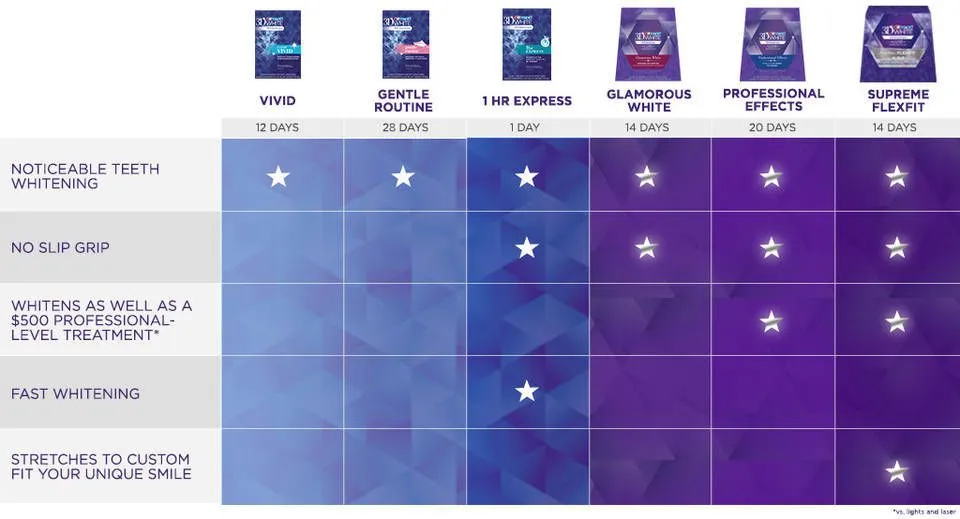
What is Rite Aid One Hour Whitening
Rite Aid One Hour Whitening is a cosmetic dental procedure offered at select Rite Aid locations. It promises to brighten your teeth significantly in a single, one-hour session. This in-office treatment uses a professional-strength whitening agent, often a hydrogen peroxide-based gel, activated by a special light or laser. This process aims to remove stains and discoloration caused by coffee, tea, tobacco, and aging, providing a quicker and more effective whitening experience compared to at-home methods. The appeal lies in its convenience and the promise of immediate results. However, like all cosmetic procedures, it’s essential to understand the process, potential benefits, and drawbacks before making a decision. This review will delve into the details, helping you determine if Rite Aid One Hour Whitening is the right choice for you.
The Science Behind Tooth Whitening
To understand how Rite Aid One Hour Whitening works, it’s helpful to grasp the science behind the process. Tooth discoloration primarily occurs due to staining of the enamel and dentin layers of your teeth. Enamel, the outermost layer, is porous and can absorb pigments from food and drinks, leading to surface stains. Dentin, the layer beneath enamel, is naturally yellowish and contributes to the overall color of your teeth. Whitening agents, such as hydrogen peroxide or carbamide peroxide, penetrate the enamel and dentin. These agents break down stain molecules into smaller, less concentrated ones, thereby lightening the tooth’s color. The light or laser used in some in-office procedures can accelerate this chemical reaction, enhancing the whitening effect. The effectiveness depends on the concentration of the whitening agent, the duration of the treatment, and the individual’s tooth structure and staining severity.
How Does Rite Aid One Hour Whitening Work
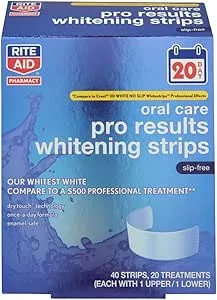
Rite Aid’s one-hour whitening procedure typically involves several steps. First, a dental professional assesses your teeth to determine if you’re a suitable candidate for the treatment. This assessment includes evaluating your current tooth shade and identifying any existing dental work, such as fillings or crowns, as whitening agents do not affect these materials. Next, your gums are protected using a protective barrier to prevent irritation from the whitening agent. The whitening gel is then applied to the surface of your teeth. A special light or laser might be used to activate the gel, accelerating the whitening process. The gel is usually left on your teeth for a specific time, often in intervals, and reapplied as needed. After the treatment, the gel is removed, and your teeth are rinsed. Post-treatment instructions and advice on maintaining your results are provided.
Procedure Step by Step
The step-by-step procedure generally unfolds as follows. First, your dentist will conduct a thorough oral examination. This step involves checking for any existing dental issues like cavities or gum disease, as these need to be addressed before whitening. The next stage involves preparing the teeth. This includes polishing the teeth to remove any surface stains and ensure the whitening agent can effectively penetrate the enamel. A cheek retractor and protective gel are applied to the gums to safeguard them from the strong whitening solution. The whitening gel, usually containing hydrogen peroxide, is carefully applied to the teeth’s surface. An activating light is then used to enhance the whitening process. Finally, the gel is removed, and the teeth are rinsed. After the procedure, you will receive aftercare instructions. These instructions might include avoiding certain foods and drinks to maintain the results.
What to Expect During the Treatment
During the Rite Aid One Hour Whitening treatment, you can expect a comfortable experience. The procedure is generally painless, although some individuals may experience mild sensitivity during or after the treatment. You will be seated in a dental chair, and a cheek retractor will be used to keep your mouth open and provide clear access to your teeth. Protective measures, such as a gum barrier and protective eyewear, will be in place to safeguard your soft tissues and eyes. The whitening gel will be applied to the surfaces of your teeth and may be reapplied several times throughout the session. You will likely feel a tingling sensation or a mild warmth from the activating light. The entire process typically takes about an hour, during which you can relax and listen to music or read. After the treatment, the dental professional will provide you with aftercare instructions and answer any questions you may have.
Effectiveness of Rite Aid Whitening

The effectiveness of Rite Aid One Hour Whitening varies depending on individual factors and the severity of tooth discoloration. Many patients experience noticeable whitening, often several shades lighter, after a single treatment. However, results can vary based on the type of stains present and the condition of your teeth. Extrinsic stains, those caused by surface-level factors like coffee and tea, tend to respond well to this type of treatment. Intrinsic stains, such as those caused by aging, genetics, or certain medications, may be more challenging to address and require multiple sessions or different whitening methods. It is important to have realistic expectations and understand that results are not always permanent. The dental professional will assess your teeth before the procedure and inform you about the expected outcome and whether it is a suitable treatment for you.
Results Duration
The duration of the results from Rite Aid One Hour Whitening can vary. Factors like diet, lifestyle, and oral hygiene habits significantly influence how long your teeth remain white. Generally, the whitening effect can last from several months to a few years. To prolong the results, it’s recommended to avoid or limit the consumption of staining foods and beverages like coffee, tea, red wine, and dark-colored berries. Maintaining good oral hygiene, including brushing and flossing regularly, helps prevent stains from reappearing. Additionally, you may consider touch-up treatments at home, such as using whitening toothpaste or strips, or returning for professional maintenance treatments. Individual response to the procedure also plays a role; some people’s teeth may retain the whitening effect longer than others.
Factors Affecting Whitening Results
Several factors can affect the outcome of your Rite Aid One Hour Whitening treatment. The type and severity of the stains are crucial; surface stains typically respond better than intrinsic stains. The natural shade of your teeth also plays a role; individuals with more yellow-toned teeth often see better results than those with gray or blue-toned enamel. Your oral health is another critical factor; any existing dental issues, such as cavities or gum disease, should be addressed before whitening. Lifestyle choices, particularly your diet and habits, significantly impact the longevity of the results. Smoking, consuming staining foods and beverages, and poor oral hygiene can diminish the whitening effect. Therefore, it is essential to discuss your medical history, current oral health, and lifestyle with your dentist to ensure that the treatment is suitable and effective for you.
Pros and Cons of Rite Aid One Hour Whitening
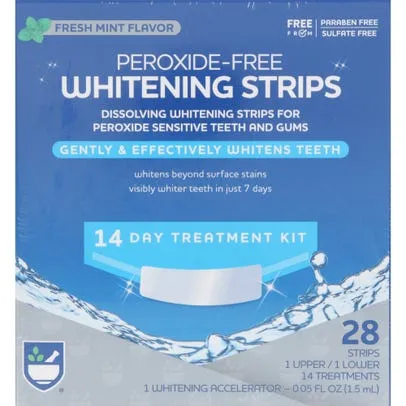
Pros
Rite Aid One Hour Whitening offers several advantages. The most significant is its convenience; the procedure takes only about an hour, providing immediate results. It is performed by trained professionals, ensuring a controlled and relatively safe application of the whitening agent. This method often uses a more potent whitening gel than at-home kits, leading to more noticeable and faster results. The treatment is often more effective in removing stubborn stains. The quick turnaround makes it ideal for individuals looking for a rapid smile makeover. The availability in many locations, especially at Rite Aid stores, provides easy access for many customers. Overall, this method is a time-efficient solution with immediate aesthetic improvements.
Cons
Despite the benefits, Rite Aid One Hour Whitening has potential drawbacks. One common side effect is tooth sensitivity, which can occur during or after the treatment. Gum irritation is another possible side effect, although dental professionals take precautions to protect the gums. The results are not always permanent, and touch-up treatments may be necessary to maintain the desired level of whiteness. The effectiveness varies depending on the type and severity of staining, with some stains being more difficult to treat. The cost can be higher than at-home whitening kits. Furthermore, it is essential to consider individual factors, such as pre-existing dental conditions or sensitivity issues, before undergoing the procedure. Therefore, it is important to discuss the potential risks and benefits with a dentist or oral health professional before starting the treatment.
Rite Aid One Hour Whitening vs Other Options

When considering teeth whitening, several options are available, each with its advantages and disadvantages. Rite Aid One Hour Whitening provides a fast, professional solution. However, it’s essential to compare it to other methods to determine which is best suited for your needs and preferences.
Professional Whitening
Professional teeth whitening, which Rite Aid One Hour Whitening falls under, offers the most immediate and significant results. These treatments often use higher concentrations of hydrogen peroxide and are performed under the supervision of a dental professional, ensuring safety and effectiveness. These methods can address a wider range of stains and discoloration. While professional whitening can be more expensive, it is usually the most effective option for achieving dramatic results quickly. The downside includes potential side effects like sensitivity and gum irritation. Choosing a reputable provider and following post-treatment instructions are crucial for optimal outcomes.
At Home Whitening Kits
At-home whitening kits, including whitening strips, gels, and toothpastes, offer a more affordable and convenient alternative. These products typically use lower concentrations of whitening agents, making them suitable for milder stains and less intense results. At-home kits require more time to see noticeable changes, often several weeks or months. They may be easier to incorporate into your routine, but results can be less dramatic. Some people experience less sensitivity with at-home products. It is important to follow the instructions carefully. Consulting your dentist before using at-home kits is always recommended to ensure the product is suitable for your teeth and that you understand how to use it safely.
Rite Aid One Hour Whitening Side Effects

While Rite Aid One Hour Whitening is generally safe, it is crucial to be aware of potential side effects. Tooth sensitivity is a common issue, with many individuals experiencing increased sensitivity to hot or cold foods and drinks. Gum irritation can also occur, ranging from mild inflammation to more severe reactions, due to contact with the whitening agent. These side effects are usually temporary, subsiding within a few days after treatment. Severe or persistent side effects should be reported to your dental professional immediately. Taking steps to minimize potential side effects, such as using desensitizing toothpaste or adjusting the treatment time, is crucial. Pre-existing conditions, like sensitive teeth or gum disease, may increase the risk of side effects, so a thorough dental examination before starting the procedure is essential.
Sensitivity
Tooth sensitivity is a common side effect of teeth whitening procedures, including Rite Aid One Hour Whitening. It is often caused by the whitening agent penetrating the enamel and reaching the dentin, affecting the nerves within the teeth. Sensitivity can manifest as sharp, shooting pain or a dull ache, especially when consuming hot, cold, sweet, or acidic foods and drinks. The intensity of sensitivity varies from person to person, with some individuals experiencing only mild discomfort and others more significant issues. To manage sensitivity, dental professionals may recommend desensitizing toothpaste containing potassium nitrate or fluoride. They may also adjust the concentration or duration of the whitening treatment. Avoiding triggering foods and beverages can also help reduce discomfort. The sensitivity usually subsides within a few days to a week after treatment.
Gum Irritation
Gum irritation is another potential side effect of teeth whitening, although it is less common than sensitivity. This irritation occurs when the whitening agent comes into contact with the soft tissues of the gums, causing inflammation and discomfort. The symptoms can include redness, swelling, and tenderness. During the Rite Aid One Hour Whitening procedure, dental professionals use protective barriers to shield the gums from the whitening agent. However, some irritation can still occur, especially if the protective measures are not perfectly applied or if the individual has pre-existing gum issues. Mild irritation usually resolves on its own within a few days. Severe or prolonged gum irritation should be reported to your dentist, who may recommend specific treatments, such as a soothing mouthwash, or may suggest modifications to future whitening sessions. Maintaining good oral hygiene is also crucial to prevent further irritation.
Cost and Availability of Rite Aid One Hour Whitening

Understanding the cost and availability of Rite Aid One Hour Whitening is essential for making an informed decision. The cost of the procedure can vary depending on location, the specific Rite Aid store, and any promotional offers available. It is advisable to contact your local Rite Aid or check their website for current pricing. In terms of availability, Rite Aid One Hour Whitening is not available at every Rite Aid location. It is essential to confirm whether this service is offered at the specific store you plan to visit. The availability can also depend on the dental professional’s schedule. Therefore, it is recommended to book an appointment in advance. Understanding the cost and confirming availability will help you plan and budget effectively for your teeth whitening treatment.
Cost
The cost of Rite Aid One Hour Whitening can vary depending on various factors, including the specific location and any promotional offers. Generally, the price is higher than at-home whitening kits but less expensive than more comprehensive professional dental treatments. It is recommended to contact your local Rite Aid store to inquire about their current pricing and any available discounts. Some stores may offer special promotions or package deals, which can affect the total cost. Keep in mind that the price can be influenced by the expertise of the dental professional performing the procedure and the specific whitening products used. It’s important to consider the long-term value of the investment, as a brighter smile can boost confidence and have a positive impact on your overall appearance. Consider the cost in relation to the desired results and the benefits compared to alternative whitening methods.
Availability
The availability of Rite Aid One Hour Whitening can vary, as it is not offered at all Rite Aid locations. The service is available at select stores, so it is essential to check with your local Rite Aid to confirm whether they provide teeth whitening services. It is advisable to contact the store directly or visit their website to inquire about the availability of the one-hour whitening procedure. Appointments are typically required, so booking in advance is recommended. Scheduling a consultation is also a good idea to assess your suitability for the treatment and to discuss the process and any potential concerns. Depending on the store’s schedule and the dental professional’s availability, appointment times may vary. Therefore, planning ahead is key to ensuring you can get the treatment when you need it.
Is Rite Aid One Hour Whitening Worth It
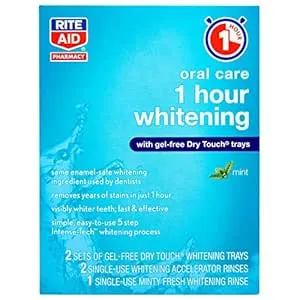
Deciding whether Rite Aid One Hour Whitening is worth it depends on your individual needs, expectations, and budget. If you are looking for a quick and effective solution to brighten your smile, and you are willing to invest in a professional treatment, this may be a good option. The convenience of a one-hour session and the potential for significant results make it appealing. However, if you have sensitive teeth or are concerned about potential side effects, you should carefully consider your options. Additionally, if budget is a primary concern, at-home whitening kits might be a more affordable choice. The best way to determine if this is the right choice is to consult a dental professional. They can assess your teeth, discuss your goals, and provide personalized recommendations based on your specific situation. Consider the long-term value, the potential risks, and the overall impact on your confidence and self-esteem when making your decision.
Customer Reviews and Testimonials
Customer reviews and testimonials can provide valuable insights into the experiences of those who have undergone Rite Aid One Hour Whitening. Reading these reviews can help you understand what to expect, the quality of the results, and the overall customer satisfaction. Reviews are often found on various online platforms, including the Rite Aid website, other review sites, and social media. Look for reviews that describe the process, the level of service received, and the impact on their smiles. Consider both positive and negative feedback to get a balanced view. Pay attention to any recurring comments or themes regarding the effectiveness of the treatment, the duration of the results, and the presence of side effects. However, it is essential to remember that individual experiences can vary, so take all reviews as helpful information but do not consider them as definitive judgments.
Final Verdict
In conclusion, Rite Aid One Hour Whitening can be a viable option for those seeking a fast and effective teeth-whitening solution. It provides the convenience of in-office treatment with noticeable results in a short time. However, it is crucial to understand the potential benefits and risks, including tooth sensitivity and the cost. Consider consulting with a dental professional to determine if this treatment aligns with your dental needs and goals. Assess your individual circumstances, weighing the pros and cons to make an informed decision. If you prioritize immediate results and are prepared for the potential side effects, this could be a good option. If you’re seeking a more cost-effective or less intensive approach, other alternatives may be more suitable. Ultimately, the decision depends on your personal preferences, oral health, and desired outcomes.