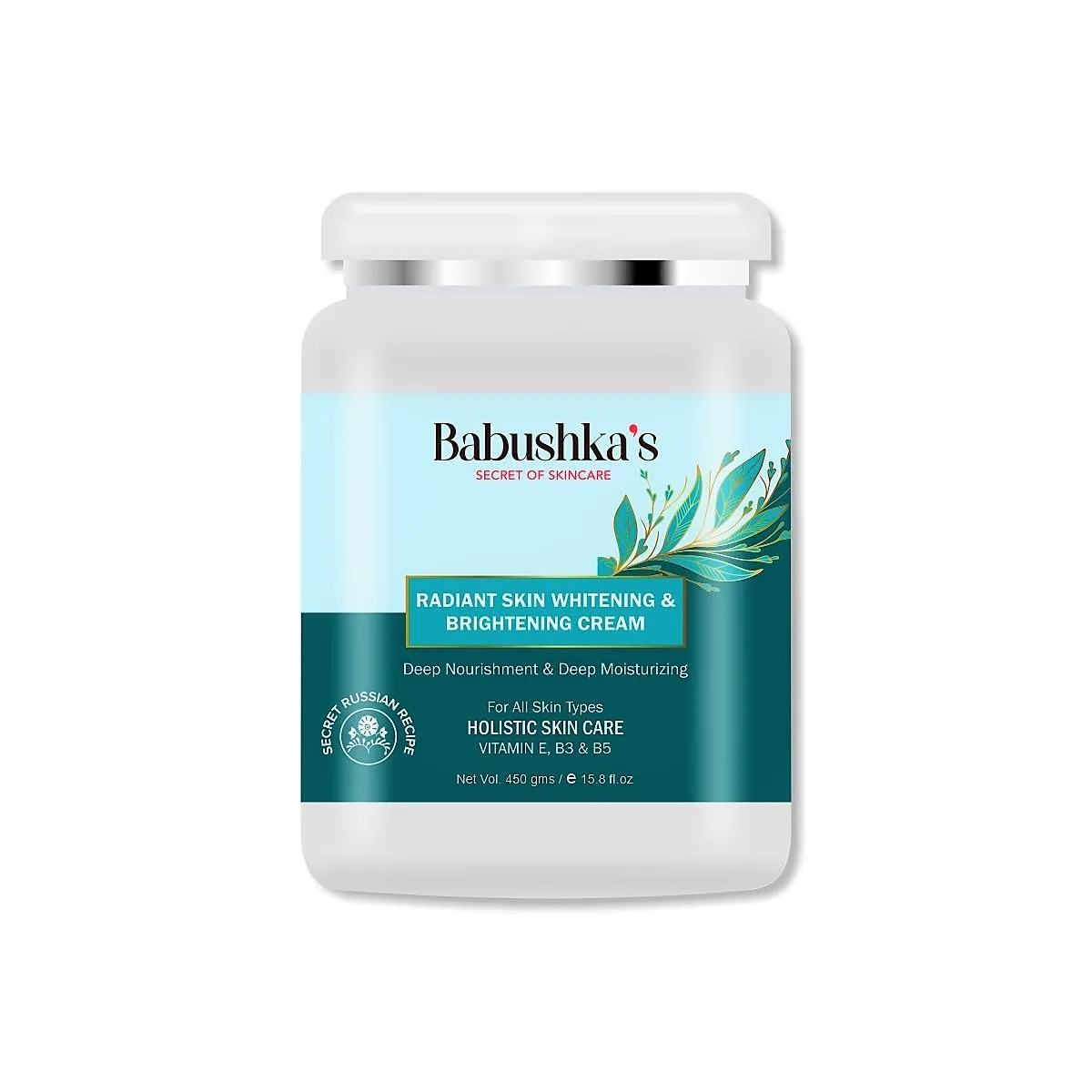
Understanding Radiant Skin Whitening
Radiant skin whitening is a popular skincare goal, aiming to achieve a brighter, more even skin tone. It’s about reducing the appearance of dark spots, hyperpigmentation, and uneven skin tone, ultimately revealing a complexion that looks healthy and luminous. The journey to achieving radiant skin whitening often involves a combination of topical treatments, lifestyle adjustments, and understanding the underlying causes of skin discoloration. This approach ensures a holistic method to achieving the desired results, focusing not just on the surface but also on the overall health of your skin. The best results come from consistent and informed skincare practices, taking into account individual skin types and concerns. The goal is to promote a vibrant and youthful appearance.
The Science Behind Radiant Skin Whitening
The science of radiant skin whitening revolves around the process of melanin production. Melanin is the pigment responsible for skin color, and an overproduction of melanin leads to dark spots and uneven skin tone. Skin whitening products generally work by targeting and inhibiting tyrosinase, an enzyme essential for melanin synthesis. Ingredients like hydroquinone, kojic acid, and vitamin C are commonly used for their ability to suppress melanin production. Understanding this process is crucial for selecting products that align with your skin type and concerns, ensuring effectiveness and safety. The goal is to reduce hyperpigmentation while protecting the skin’s overall health.
Ingredients to Look for in Radiant Skin Whitening Cream

When choosing a radiant skin whitening cream, it’s important to review the ingredients list. Key ingredients to look for include vitamin C, known for its antioxidant properties and ability to brighten skin; niacinamide, which can reduce inflammation and improve skin tone; and alpha arbutin, a natural skin lightener. Consider products that also contain gentle exfoliants like AHAs (alpha hydroxy acids) or BHAs (beta hydroxy acids) to remove dead skin cells and enhance the absorption of whitening agents. Always perform a patch test before applying any new product to a larger area of skin to check for potential allergic reactions or sensitivities. This ensures that the product is suitable for your specific skin type and needs.
Effective Ingredients for Radiant Skin Whitening
Several ingredients have been proven effective in radiant skin whitening. Vitamin C is a powerful antioxidant that protects against free radical damage while promoting a brighter complexion. Niacinamide, a form of vitamin B3, helps reduce hyperpigmentation and improves skin texture. Hydroquinone is a potent skin-lightening agent, but it should be used under the guidance of a dermatologist due to potential side effects. Kojic acid is another effective ingredient, derived from fungi, that inhibits melanin production. Alpha arbutin is a natural derivative of hydroquinone and is often considered a gentler alternative. When incorporating any of these ingredients into your skincare routine, follow the manufacturer’s instructions and consider consulting a dermatologist for personalized advice.
How Radiant Skin Whitening Cream Works
Radiant skin whitening creams work through various mechanisms. The primary action is typically the inhibition of tyrosinase, the enzyme responsible for melanin production. Some ingredients also work by exfoliating the skin, removing the surface layer of pigmented cells. Others act as antioxidants, protecting the skin from free radical damage that can worsen hyperpigmentation. The effectiveness of a cream depends on the concentration of active ingredients, the formulation, and the individual’s skin type and concerns. Regular use, as directed, is crucial for achieving noticeable results. It’s also essential to combine the cream with other skincare practices, such as sun protection, for the best outcome.
The Application Process for Optimal Results

To achieve optimal results with a radiant skin whitening cream, proper application is essential. Start by cleansing your face thoroughly to remove any dirt, oil, or makeup. Apply a small amount of the cream to the affected areas, following the product’s instructions. Gently massage the cream into your skin until it is fully absorbed. It’s best to apply the cream at night, as some ingredients can increase sun sensitivity. In the morning, always apply a broad-spectrum sunscreen with an SPF of 30 or higher to protect your skin from further damage. Consistency is key; follow your skincare routine daily to see the best results. Be patient, as it may take several weeks or months to see noticeable changes in your skin tone.
Step-by-Step Guide to Applying Cream
Following a step-by-step guide ensures you maximize the benefits of your radiant skin whitening cream. First, wash your face with a gentle cleanser, then pat it dry. Next, apply a thin layer of the cream to the areas you want to lighten, like dark spots or uneven skin tone. Gently massage the cream into your skin using upward circular motions. Avoid applying too much cream, as a small amount is usually sufficient. Allow the cream to absorb completely before applying any other skincare products or makeup. In the morning, apply a broad-spectrum sunscreen after cleansing. This structured approach helps guarantee effective and safe use, maximizing the cream’s potential to improve skin radiance.
Boosting Your Results with Complementary Techniques
To boost the effectiveness of your radiant skin whitening cream, integrate complementary techniques into your skincare routine. Regular exfoliation can help remove dead skin cells and enhance the absorption of the cream’s active ingredients. Chemical peels or microdermabrasion, performed by a professional, can also promote skin renewal. Using products with antioxidants, such as vitamin C serums, can protect your skin from free radical damage. Staying hydrated by drinking plenty of water helps maintain skin elasticity and overall health. A healthy diet and lifestyle, including regular exercise and adequate sleep, are also crucial for radiant skin. Combining these methods will significantly improve your results.
Exfoliation and Its Role

Exfoliation plays a critical role in the radiant skin whitening process. By removing dead skin cells, exfoliation allows the whitening cream to penetrate the skin more effectively. This process also helps to reveal a brighter, smoother complexion. There are several ways to exfoliate, including using chemical exfoliants like AHAs and BHAs, or physical exfoliants like scrubs. Over-exfoliation can irritate the skin, so it’s important to choose a method that suits your skin type and apply it gently. Exfoliating once or twice a week is generally sufficient for most people, but consult a dermatologist to determine the best frequency and method for your specific needs. Proper exfoliation enhances the efficacy of your skin whitening treatments.
Hydration’s Significance
Hydration is essential for achieving and maintaining radiant skin. When the skin is well-hydrated, it functions optimally, promoting cell turnover and a healthy complexion. Drinking enough water and using hydrating skincare products, such as moisturizers and serums, can improve skin elasticity and reduce the appearance of fine lines and wrinkles. Dehydrated skin can look dull and accentuate imperfections, hindering the radiant effect you’re trying to achieve. Incorporating hydrating ingredients like hyaluronic acid into your skincare routine can help your skin retain moisture and appear plump and vibrant. Proper hydration supports the skin’s natural functions and enhances the benefits of your radiant skin whitening cream.
Diet and Lifestyle Choices for Radiant Skin
Your diet and lifestyle have a significant impact on your skin’s radiance. Eating a diet rich in fruits, vegetables, and antioxidants can nourish your skin from the inside out. Antioxidants, such as those found in berries and leafy greens, protect against free radical damage and promote a healthy complexion. Limiting processed foods, sugar, and excessive alcohol consumption can also improve skin health. Getting enough sleep, managing stress, and exercising regularly support overall well-being, reflecting positively on your skin. Avoiding smoking and excessive sun exposure are also crucial for maintaining radiant skin. Making conscious lifestyle choices complements your skincare routine and helps achieve the desired results more effectively.
Foods that Promote Radiant Skin

Incorporating specific foods into your diet can significantly promote radiant skin. Foods rich in antioxidants, such as blueberries, strawberries, and spinach, help fight free radicals and reduce inflammation. Fatty fish, like salmon, are packed with omega-3 fatty acids, which contribute to skin hydration and elasticity. Avocados provide healthy fats and vitamins that support skin health. Citrus fruits, like oranges and grapefruits, are high in vitamin C, which aids in collagen production and skin brightening. Drinking plenty of water is also essential for hydration and skin health. By including these nutrient-rich foods in your diet, you can nourish your skin from within and enhance your radiant skin whitening efforts.
Lifestyle Habits to Adopt
Adopting healthy lifestyle habits is crucial for achieving and maintaining radiant skin. Prioritize getting enough sleep, as sleep allows your skin to repair and regenerate. Manage stress through activities like yoga, meditation, or spending time in nature, as stress can negatively impact your skin. Exercise regularly to improve blood circulation and oxygen delivery to your skin cells. Protect your skin from sun damage by wearing sunscreen daily, even on cloudy days, and seeking shade during peak sun hours. Avoid smoking and limit alcohol consumption, as these habits can damage your skin and accelerate aging. Consistently following these habits will contribute to a healthier, more radiant complexion.
Potential Risks and Side Effects of Radiant Skin Whitening Cream
While radiant skin whitening creams can be effective, they also carry potential risks and side effects. Common side effects include skin irritation, redness, and dryness, particularly with stronger formulations. Some ingredients, like hydroquinone, can cause ochronosis, a condition that causes the skin to turn a bluish-black color. Overuse or improper use of whitening creams can also lead to thinning of the skin, making it more susceptible to damage. It’s essential to be aware of these risks and to use products cautiously, following the manufacturer’s instructions and consulting with a dermatologist if you experience any adverse reactions. Always perform a patch test before applying a new product to a larger area of your skin.
Identifying Potential Skin Irritation

Identifying potential skin irritation is crucial when using radiant skin whitening creams. Signs of irritation include redness, itching, burning, peeling, and swelling. If you experience any of these symptoms, discontinue use of the product immediately and consult a dermatologist. It’s also important to monitor for changes in skin color or texture. Some ingredients may cause increased sun sensitivity, so it’s essential to protect your skin with sunscreen. Before applying a new product, always perform a patch test on a small area of skin to check for any adverse reactions. Being vigilant about these signs can help you prevent and manage potential problems, ensuring the safety of your skincare routine.
When to Consult a Dermatologist
Consulting a dermatologist is essential in certain situations when using radiant skin whitening creams. If you experience persistent skin irritation, redness, itching, or any other adverse reactions, it’s important to seek professional advice. A dermatologist can assess your skin, identify the cause of the problem, and recommend appropriate treatments. If you have pre-existing skin conditions, such as eczema or rosacea, it’s advisable to consult a dermatologist before starting any new skincare products. They can guide you on the most suitable and safe options for your skin type and concerns. Furthermore, a dermatologist can offer personalized recommendations to achieve your radiant skin goals while minimizing risks.
Choosing the Right Radiant Skin Whitening Cream
Choosing the right radiant skin whitening cream involves considering several factors. First, identify your skin type and concerns, such as dark spots, uneven skin tone, or hyperpigmentation. Look for creams that contain proven effective ingredients like vitamin C, niacinamide, or alpha arbutin. Read the product labels carefully to understand the concentration of active ingredients and any potential side effects. Research the brand and read reviews from other users to get an idea of the cream’s effectiveness. If you have sensitive skin, choose a gentle formula. Consider consulting a dermatologist for personalized recommendations. Selecting the right cream is a critical step in achieving your desired skin whitening results safely and effectively. Prioritize products that cater to your unique skin needs.
Analyzing Cream Ingredients

Analyzing the ingredients of a radiant skin whitening cream is crucial for ensuring its effectiveness and safety. Look for active ingredients like vitamin C, niacinamide, kojic acid, or alpha arbutin, which are known for their skin-lightening properties. Check the concentration of these ingredients, as higher concentrations are typically more effective but can also increase the risk of side effects. Avoid products containing potentially harmful ingredients, such as excessive amounts of hydroquinone without a dermatologist’s supervision. Also, look for additional ingredients that benefit your skin type, like moisturizers or antioxidants. Review the full ingredient list to avoid potential allergens or irritants. Careful analysis helps you select a cream that meets your skin’s needs effectively and safely.
User Reviews and Recommendations
User reviews and recommendations are valuable resources when choosing a radiant skin whitening cream. Reading reviews from other users can provide insights into a product’s effectiveness, potential side effects, and overall user experience. Look for reviews that are detailed and specific, mentioning the user’s skin type, concerns, and results. Consider both positive and negative reviews to get a balanced perspective. You can also seek recommendations from friends, family, or online forums, as they can offer helpful suggestions based on their experiences. However, remember that everyone’s skin is different, so what works for one person may not work for another. Always prioritize your skin’s needs and consult a dermatologist if you have any concerns.
Maintaining Your Radiant Skin
Maintaining your radiant skin involves consistent care and attention to your skincare routine. Continue using your radiant skin whitening cream as directed to prevent the return of dark spots and uneven skin tone. Protect your skin from sun damage by wearing a broad-spectrum sunscreen with an SPF of 30 or higher daily. Follow a regular skincare routine that includes cleansing, moisturizing, and exfoliating. Maintain a healthy lifestyle by eating a balanced diet, getting enough sleep, and managing stress. Regular check-ups with a dermatologist can also help monitor your skin’s health and address any concerns. Consistent care ensures that your skin remains radiant and healthy, preserving the results of your skin whitening efforts.
Long-Term Skincare Routine
Establishing a long-term skincare routine is essential for maintaining radiant skin. Start with a gentle cleanser to remove impurities without stripping your skin of its natural oils. Use a radiant skin whitening cream as directed, focusing on the areas that need attention. Apply a moisturizer daily to hydrate and protect your skin. Incorporate a broad-spectrum sunscreen with an SPF of 30 or higher to shield your skin from sun damage. Exfoliate your skin once or twice a week to remove dead skin cells and promote cell turnover. Consider using serums with antioxidants, such as vitamin C, to further brighten your complexion. Regularly adjust your routine based on your skin’s needs and changes. Consistency is key to maintaining long-term results.
Avoiding Sun Damage
Avoiding sun damage is crucial for maintaining radiant skin and preventing the return of hyperpigmentation. Sun exposure can worsen dark spots and accelerate the aging process. Always wear a broad-spectrum sunscreen with an SPF of 30 or higher, even on cloudy days. Reapply sunscreen every two hours, especially if you are spending time outdoors. Seek shade during peak sun hours, typically between 10 a.m. and 4 p.m. Wear protective clothing, such as hats and long sleeves, to further shield your skin from the sun’s harmful rays. Incorporating these practices into your daily routine will significantly protect your skin and help you achieve and maintain a brighter, more even complexion. Sun protection is a non-negotiable aspect of radiant skin care.