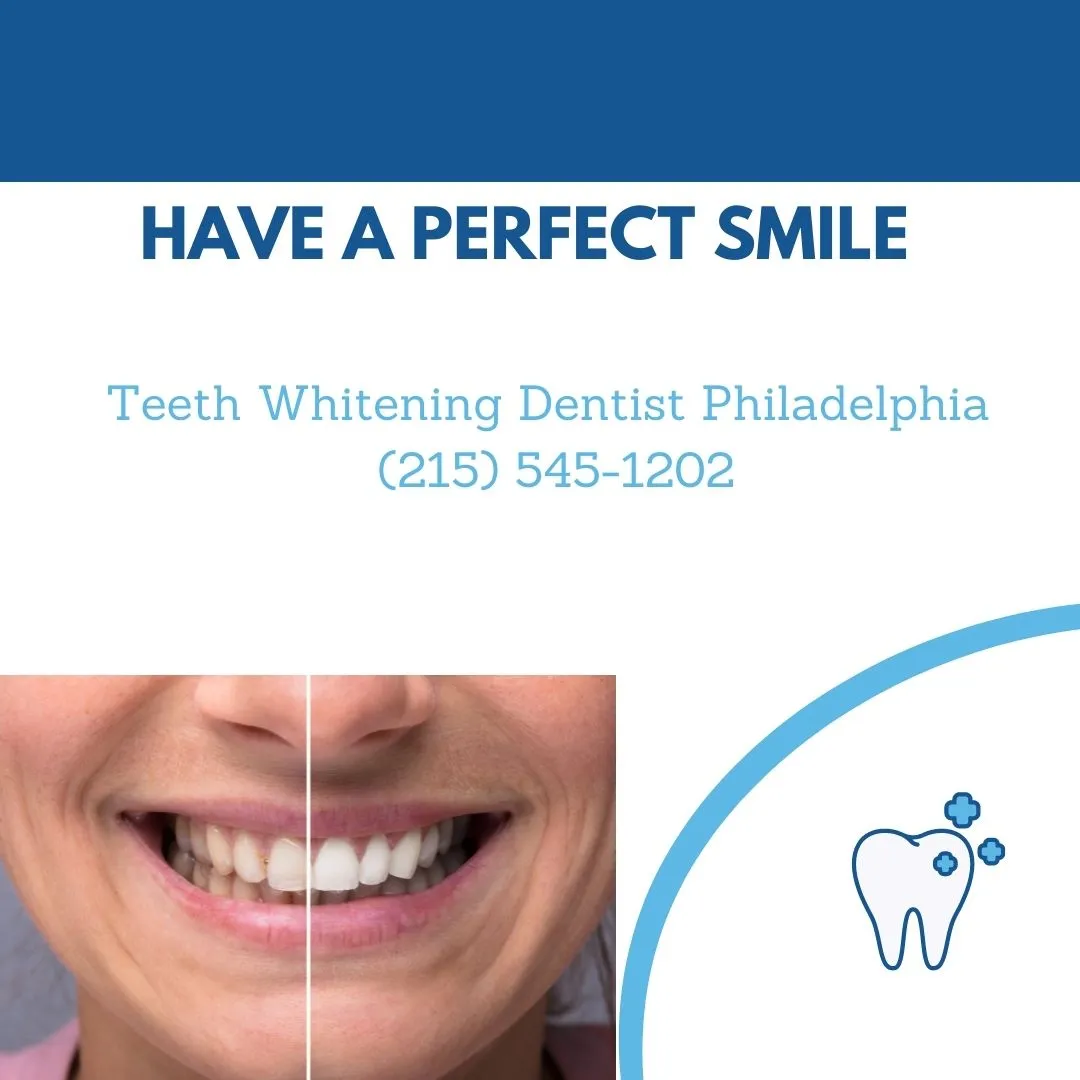
Understanding Teeth Whitening in Philadelphia
A bright, white smile can significantly boost your confidence and leave a lasting positive impression. In the vibrant city of Philadelphia, teeth whitening has become an increasingly popular cosmetic dentistry procedure. But what exactly is teeth whitening, and how does it work? This comprehensive guide will delve into the world of teeth whitening, providing you with everything you need to know to achieve a dazzling smile in the City of Brotherly Love. We’ll explore the causes of tooth discoloration, the various treatment options available, and how to maintain your pearly whites long after your procedure. Whether you’re a long-time resident of Philadelphia or just visiting, understanding teeth whitening is a key step in achieving your dream smile.
What Causes Tooth Discoloration?
Before diving into the solutions, it’s crucial to understand the underlying causes of tooth discoloration. Many factors can contribute to a less-than-perfect smile, some of which are within your control, and others are simply a part of life. By knowing the culprits behind stained teeth, you can take preventative measures and make informed decisions about your whitening journey.
Foods and Drinks
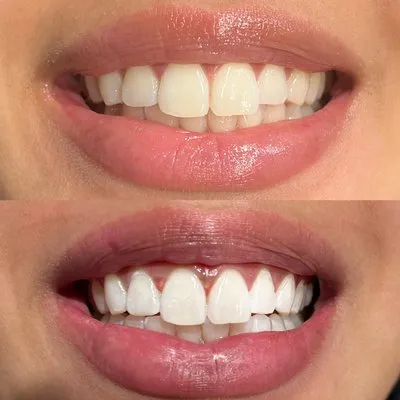
Certain foods and beverages contain pigments that can stain your teeth over time. Coffee, tea, red wine, and dark-colored sodas are notorious for causing discoloration. Similarly, deeply colored fruits and vegetables like berries and beets can also contribute to staining. The frequency and amount of consumption directly impact the level of staining. Consider moderating your intake of these items or drinking them with a straw to minimize contact with your teeth.
Lifestyle Habits
Smoking and chewing tobacco are major contributors to tooth discoloration. The nicotine and tar in these products leave behind stubborn stains that can be difficult to remove. Regular tobacco use also increases the risk of other dental problems, such as gum disease and oral cancer. Quitting smoking is one of the best things you can do for your overall health and your smile.
Aging
As we age, the outer layer of enamel on our teeth thins, revealing the yellowish dentin underneath. This natural process can make your teeth appear darker over time. Furthermore, years of consuming staining foods and drinks can accumulate, exacerbating the effects of aging on your smile. Regular dental checkups and professional teeth whitening can help combat these age-related changes.
Types of Teeth Whitening Treatments in Philadelphia

Philadelphia offers a variety of teeth whitening options to suit different needs and budgets. From professional treatments in a dentist’s office to over-the-counter products, the choices can seem overwhelming. Understanding the differences between these options will help you make the best decision for your desired results.
In-Office Teeth Whitening
In-office teeth whitening, also known as chairside bleaching, is performed by a dental professional. This method typically involves applying a high-concentration bleaching agent to your teeth, which is then activated by a special light or laser. This process can dramatically lighten your teeth in a single visit, making it a convenient option for those seeking immediate results. Several dental practices in Philadelphia specialize in this advanced treatment.
Benefits of In-Office Whitening
The primary advantage of in-office whitening is its speed and effectiveness. You can achieve a significantly brighter smile in about an hour. Professional supervision ensures the procedure is performed safely and effectively. Dentists can also address any underlying dental issues that might affect the outcome, ensuring your overall oral health. The powerful bleaching agents used in-office provide superior results compared to over-the-counter alternatives. This procedure often provides long-lasting effects.
The Procedure

The in-office whitening procedure typically begins with a thorough cleaning and examination of your teeth. A protective barrier is then applied to your gums to prevent irritation from the bleaching agent. The whitening solution is applied to your teeth, and a special light or laser is used to activate the bleaching process. This may be repeated several times during the session, depending on the desired level of whitening. Afterwards, you’ll receive instructions on how to care for your teeth after the procedure.
At-Home Teeth Whitening
If you prefer a more gradual approach, at-home teeth whitening options are available. These include over-the-counter products and custom-fitted trays provided by your dentist. At-home treatments require more time and commitment but can be a cost-effective way to achieve a brighter smile.
Over-the-Counter Options
Over-the-counter whitening products, such as whitening strips, toothpastes, and gels, are readily available in drugstores and online. These products contain lower concentrations of bleaching agents than professional treatments. While they can provide some improvement in the brightness of your smile, the results are often less dramatic. Follow the instructions carefully and be aware of potential side effects, such as tooth sensitivity.
Custom Whitening Trays

Your dentist can create custom-fitted whitening trays for at-home use. These trays are made from impressions of your teeth, ensuring a perfect fit. Your dentist will provide you with a bleaching gel and instructions on how to use the trays. Custom trays offer a more effective and comfortable experience than over-the-counter options, as they ensure the bleaching agent comes into close contact with your teeth, and are under professional supervision. These trays are often a good compromise between in-office and over-the-counter treatments.
Professional vs. DIY Teeth Whitening Which is Right for You?
Choosing between professional and DIY teeth whitening depends on your individual needs, budget, and preferences. Each option has its own advantages and disadvantages, so it’s essential to consider all factors before making a decision. Consulting with your dentist in Philadelphia is always recommended to determine the best approach for your specific situation.
Factors to Consider
Cost

In-office teeth whitening is generally more expensive than at-home treatments. However, the cost reflects the convenience, speed, and effectiveness of the procedure. Over-the-counter products are the most budget-friendly option but may not deliver the same level of results. Custom whitening trays fall somewhere in between. Consider your budget and the level of whitening you desire when making your choice.
Effectiveness
Professional teeth whitening offers the most dramatic and immediate results. The high-concentration bleaching agents used in-office are far more powerful than those available in over-the-counter products. Custom whitening trays are more effective than over-the-counter options because they provide a better fit and seal, ensuring the bleaching agent is in contact with your teeth. The effectiveness of DIY options varies depending on the product and your individual tooth structure.
Convenience
In-office whitening is the most convenient option, as it can be completed in a single visit. You can walk out of the dentist’s office with a noticeably brighter smile. At-home treatments require more time and effort, as you’ll need to apply the product regularly for several days or weeks. Over-the-counter products are the most convenient, but the results may not be as impressive. Consider your schedule and lifestyle when evaluating the convenience factor.
Maintaining Your Bright Smile

Once you’ve achieved your desired level of whiteness, it’s important to take steps to maintain your bright smile. Following a proper oral hygiene routine and making smart lifestyle choices can help you enjoy your sparkling teeth for years to come.
Post-Whitening Care
After any teeth whitening treatment, your teeth may be more sensitive than usual. Avoid extremely hot or cold foods and drinks for a few days. Your dentist may also recommend using a desensitizing toothpaste to help reduce sensitivity. It is recommended to also follow your dentist’s instructions to get the best result.
Foods to Avoid
To prevent staining, limit your consumption of foods and drinks that can discolor your teeth. This includes coffee, tea, red wine, dark sodas, and heavily pigmented fruits and vegetables. If you do consume these items, rinse your mouth with water afterward or use a straw to minimize contact with your teeth.
Oral Hygiene Practices

Brushing your teeth twice a day with a whitening toothpaste can help remove surface stains and maintain your bright smile. Flossing daily removes plaque and food particles that can contribute to discoloration. Consider using a mouthwash that helps to fight stains. Regular brushing and flossing helps to maintain good overall oral health.
Regular Dental Checkups
Schedule regular dental checkups and cleanings with your Philadelphia dentist. Professional cleanings remove plaque and tartar buildup, which can contribute to staining and other dental problems. Your dentist can also assess your teeth and gums and provide personalized advice on how to maintain your bright, healthy smile. Regular checkups will help identify issues before they become serious, potentially saving you time and money in the long run.