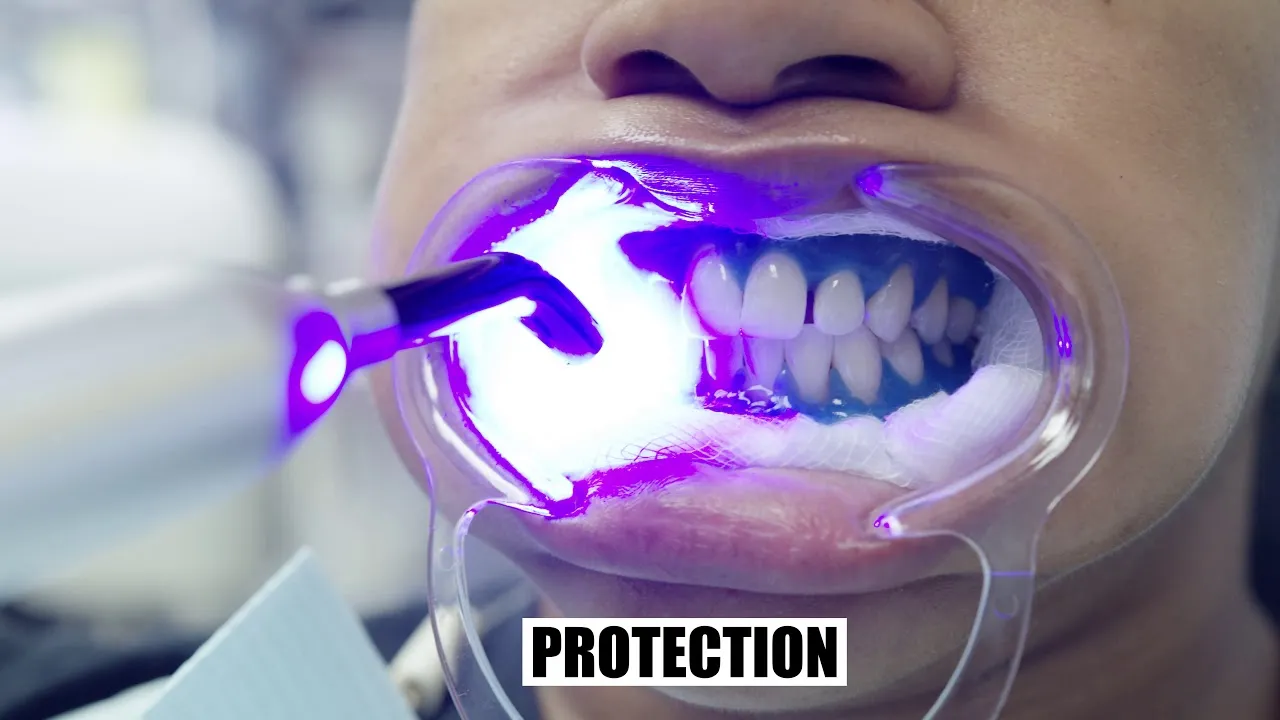
What is One Hour Tooth Whitening?
One hour tooth whitening, often advertised as an instant smile transformation, is a cosmetic dental procedure designed to brighten your teeth significantly within a single dental appointment. This rapid whitening is typically achieved using professional-strength bleaching agents, often involving a light-activated process to accelerate the whitening effect. Unlike over-the-counter whitening products, one hour tooth whitening is administered and monitored by a dental professional, ensuring safety and efficacy. The process typically begins with a consultation and examination of your teeth to determine if you are a suitable candidate. During the procedure, a protective barrier is applied to your gums, and a high-concentration whitening gel is applied to your teeth. This gel is then often activated by a special light, which helps to break down stains and discoloration. While the results can be dramatic, it’s essential to understand the process fully before undergoing treatment.
How Does One Hour Tooth Whitening Work?
The mechanics of one hour tooth whitening revolve around the use of potent bleaching agents, most commonly hydrogen peroxide or carbamide peroxide. These chemicals penetrate the enamel of your teeth and break down the stain molecules that cause discoloration. The process usually starts with cleaning the teeth to remove any surface debris. Then, a protective barrier is placed to shield the gums from the strong bleaching agent. The whitening gel is applied to the teeth, and a specialized light, such as a blue LED light, is often used to catalyze the chemical reaction. This light exposure accelerates the whitening process, helping to achieve noticeable results within an hour. The entire procedure is meticulously controlled by a dental professional to ensure both effectiveness and patient safety. Multiple applications of the whitening gel and light exposure are often used for optimal results, followed by thorough rinsing and a post-treatment assessment.
The Science Behind Whitening

Tooth whitening, at its core, is a chemical process. The active ingredients in whitening agents, such as hydrogen peroxide or carbamide peroxide, release oxygen molecules. These oxygen molecules penetrate the porous enamel of the teeth and react with the stain molecules trapped within. This reaction breaks down the stain molecules into smaller, less visible components, effectively lightening the tooth’s color. The effectiveness of this process depends on several factors including the concentration of the bleaching agent, the duration of application, and the type of light used to activate the process. The enamel’s thickness and porosity also play a crucial role in how readily the whitening agent can penetrate and interact with the stains. Furthermore, the presence of existing dental work like fillings or crowns won’t whiten with the rest of the teeth and will need to be addressed separately for a consistent aesthetic outcome. The overall goal is to achieve a lighter, brighter shade of teeth.
Top 7 Secrets for Effective One Hour Tooth Whitening
Achieving the best results from one hour tooth whitening requires a strategic approach that encompasses several key factors. While the process itself is relatively straightforward, maximizing the effectiveness and ensuring the longevity of the results involves careful planning and execution. Understanding these secrets can help you make informed decisions and work with your dentist to achieve your desired outcome. These are not just about the procedure itself, but also pre- and post-treatment care, and patient expectations. Following these tips ensures optimal results, minimizes potential side effects, and helps you maintain a bright and healthy smile for longer.
Secret 1: Professional Consultation
A thorough consultation with a dental professional is the cornerstone of successful one hour tooth whitening. During this consultation, the dentist will examine your teeth and gums to assess your suitability for the procedure. They will evaluate the type and extent of your tooth staining, identify any existing dental work, and check for any underlying dental issues that might affect the outcome of the whitening. The dentist will also discuss your expectations and provide realistic estimates of the results you can expect. This consultation is crucial for setting the stage for a safe and effective whitening treatment. It allows the dentist to tailor the procedure to your specific needs and avoid potential complications. This also includes detailed information about the procedure and post-whitening care to make an informed decision.
Secret 2: Advanced Whitening Techniques

Modern one hour tooth whitening often utilizes advanced techniques to maximize effectiveness and minimize potential side effects. These techniques may include the use of high-concentration bleaching agents, combined with light-activated technology. The specific type of light used can vary but often involves LED or laser technology designed to accelerate the whitening process. Some dentists also use techniques like pre-treatment cleaning or desensitizing agents to prepare the teeth and reduce any sensitivity. The application of the whitening agent itself is often carefully controlled, with multiple applications and careful monitoring by the dentist to ensure optimal results. Furthermore, dentists might use specialized trays or applicators to ensure even distribution of the whitening agent. These techniques, when correctly implemented, can lead to significantly brighter and more consistent results.
Secret 3: Customized Treatment Plans
Every mouth is unique, and a successful one hour tooth whitening treatment requires a customized approach. A skilled dentist will create a treatment plan tailored to your specific needs and goals. This plan takes into account factors such as the severity of your staining, the natural shade of your teeth, and any existing dental work. The treatment plan also considers the patient’s sensitivity levels and any potential risks. The dentist may recommend a specific concentration of bleaching agent or adjust the duration of the light activation process. They might also incorporate pre-treatment steps, such as applying desensitizing agents, to minimize discomfort. The customized plan ensures that the whitening process is both effective and safe, leading to the best possible outcome while addressing individual concerns.
Secret 4: High-Quality Whitening Agents
The effectiveness of one hour tooth whitening is heavily dependent on the quality of the bleaching agents used. High-quality whitening agents contain a sufficient concentration of hydrogen peroxide or carbamide peroxide to effectively break down stain molecules. Moreover, these agents are often formulated with ingredients that help to minimize tooth sensitivity and protect the enamel. Dentists typically use professional-grade whitening gels, which are designed to deliver superior results compared to over-the-counter products. These agents are carefully applied and monitored by the dentist to ensure safety and efficacy. The quality of the agents directly impacts the final results and also influences the longevity of the whitening effect. Therefore, it’s crucial to choose a dental practice that uses reputable brands and high-quality products.
Secret 5: Proper Preparation

Proper preparation is essential for achieving optimal results from one hour tooth whitening. Prior to the procedure, your dentist will likely perform a professional cleaning to remove any plaque, tartar, or surface stains. This ensures that the whitening agent can effectively penetrate the enamel and reach the stain molecules. Additionally, the dentist may recommend avoiding certain foods and drinks, such as coffee, tea, and red wine, that can stain the teeth, for a few days before the treatment. If you have sensitive teeth, your dentist might suggest the use of a desensitizing toothpaste or other products to minimize discomfort during and after the whitening. Any existing dental issues, like cavities or gum disease, will need to be addressed before whitening. Adequate preparation ensures that the whitening process is effective and helps to minimize potential side effects.
Secret 6: Post-Whitening Care
Post-whitening care is critical for maintaining the results of your one hour tooth whitening and ensuring the health of your teeth and gums. Your dentist will provide specific instructions, but typically, you’ll be advised to avoid foods and drinks that can stain your teeth, such as coffee, tea, red wine, and berries, for at least the first 24 to 48 hours. Smoking should also be avoided, as it can significantly reduce the whitening effect. You should maintain good oral hygiene practices, including brushing your teeth at least twice a day and flossing daily. The dentist may also recommend using a toothpaste specifically designed for whitening or sensitivity, and scheduling regular dental checkups and cleanings to maintain your bright smile. Following these guidelines will extend the lifespan of your whitened teeth and promote overall oral health.
Secret 7: Maintenance and Follow-up
Maintaining your whitened teeth requires a combination of good oral hygiene and ongoing maintenance. Regular dental checkups and cleanings are essential for removing surface stains and maintaining the brightness of your teeth. Your dentist may recommend touch-up treatments or at-home whitening kits to help you maintain your desired shade over time. It’s also important to be mindful of your diet and avoid foods and drinks that can stain your teeth, such as coffee, tea, and red wine. If you smoke, quitting will significantly improve the longevity of your whitening results. Following your dentist’s recommendations and maintaining a consistent oral care routine will help you enjoy a bright and healthy smile for years to come.
Risks and Considerations of One Hour Tooth Whitening

While one hour tooth whitening is generally safe, it’s important to be aware of potential risks and considerations. Tooth sensitivity is a common side effect, which can range from mild to moderate. Gum irritation or inflammation is also possible, especially if the bleaching agent comes into contact with the soft tissues of your mouth. In rare cases, some patients may experience changes in tooth enamel or damage to existing dental work. It’s essential to discuss any concerns or medical history with your dentist before undergoing the procedure. Pregnant or breastfeeding women should avoid teeth whitening. Individuals with sensitive teeth or other underlying dental conditions may not be ideal candidates. Choosing a qualified and experienced dental professional will minimize the risk of complications and ensure a safe and effective treatment.
Cost and Availability of One Hour Tooth Whitening
The cost of one hour tooth whitening can vary depending on several factors, including the dentist’s location, the specific techniques used, and the complexity of the treatment. Typically, the cost is higher than at-home whitening kits, reflecting the professional services and advanced technology involved. The availability of one hour tooth whitening also varies. It is a popular procedure, and many dental practices offer it, particularly those specializing in cosmetic dentistry. Before scheduling an appointment, it is wise to research different dental practices and compare prices and services. Make sure you understand the total cost of the treatment, including any follow-up appointments or maintenance treatments. Some dental insurance plans may partially cover teeth whitening, but it is generally considered a cosmetic procedure and not covered. Consider your budget and long-term oral health goals when making your decision.
Alternatives to One Hour Tooth Whitening
If one hour tooth whitening isn’t the right fit for you, there are several alternatives to consider. At-home whitening kits, available over-the-counter or prescribed by your dentist, offer a more gradual whitening process, often at a lower cost. Professional take-home whitening kits prescribed by a dentist usually contain a higher concentration of bleaching agents and produce better results than over-the-counter options. Other options include professional teeth cleaning, which removes surface stains and can brighten teeth. Dental veneers or bonding can be used to cover stains and imperfections, providing a more permanent solution. The best option for you will depend on your individual needs, budget, and desired results. Consulting with your dentist is crucial to determine which option is best for achieving your ideal smile.