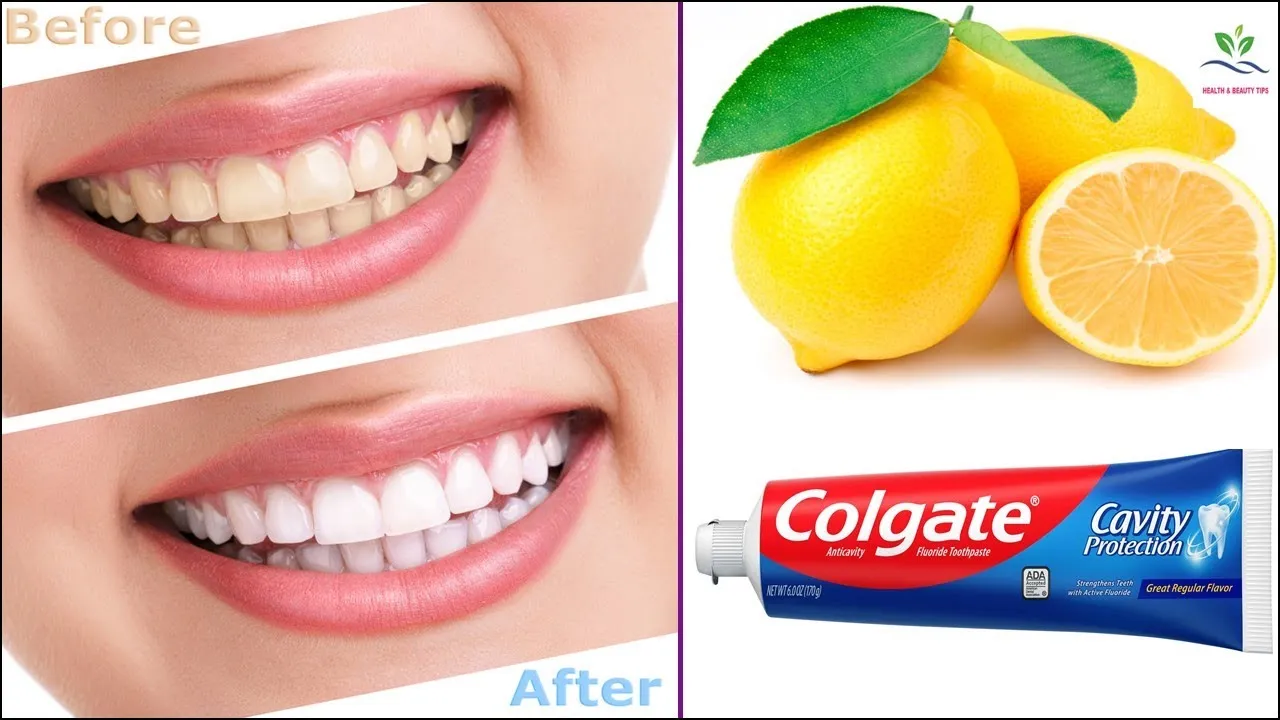
The Power of Lemon for Whitening Teeth
The quest for a brighter smile has led many to explore natural and readily available remedies. Among these, lemon has gained significant attention for its potential teeth-whitening properties. Its accessibility and perceived effectiveness make it an appealing option for those seeking to enhance their dental aesthetics. However, understanding the science behind lemon’s effects, the proper methods of use, and the potential risks is crucial before incorporating it into your oral hygiene routine. This guide explores the top 5 facts about using lemon for whitening teeth, providing a comprehensive look at its benefits, drawbacks, and safe usage.
Fact 1 What Makes Lemon Effective
Lemons contain a high concentration of citric acid, a naturally occurring substance known for its bleaching properties. This acid works by breaking down the molecules that cause staining on the tooth surface, offering a potential whitening effect. The efficacy of lemon lies in its ability to act as a mild bleaching agent, which can help to lighten the appearance of teeth. While not as potent as professional whitening treatments, lemon can provide noticeable results for superficial stains. This is particularly true for stains caused by coffee, tea, or smoking.
The Citric Acid Advantage

Citric acid, the primary component in lemon responsible for its teeth-whitening capabilities, works by gently dissolving surface stains. It achieves this through a process of chemical degradation, where the acid molecules interact with the staining compounds on the enamel. This interaction leads to the breakdown of these compounds, effectively reducing their visibility and leading to a lighter appearance of the teeth. The concentration of citric acid in lemon makes it a relatively accessible and affordable option for those seeking to improve their smile’s brightness.
Natural Bleaching Properties
The natural bleaching properties of lemon are primarily due to the presence of citric acid. This acid acts as a mild bleaching agent, capable of breaking down the chromogens, or color-causing compounds, found on the surface of the teeth. By breaking down these compounds, lemon helps to reduce the appearance of stains and discoloration. However, it’s important to remember that the bleaching effect is usually limited to superficial stains. Deep-set stains or those resulting from internal tooth issues might not respond as effectively to lemon treatments.
Fact 2 The Benefits of Lemon
Beyond its whitening potential, lemon offers several benefits for oral health. Its acidic nature helps to kill bacteria, making it a natural disinfectant. This can contribute to fresher breath and a reduced risk of certain oral infections. Furthermore, the mild abrasive quality of lemon can assist in removing surface debris and plaque, which helps keep your teeth clean. It is important to note that these benefits are secondary to lemon’s primary use as a teeth whitener.
Removes Surface Stains

One of the primary benefits of using lemon for teeth whitening is its ability to remove surface stains. These stains typically arise from the consumption of pigmented foods and drinks like coffee, tea, and certain types of foods. The citric acid in lemon helps to break down these stains, leading to a lighter, brighter smile. Regular, but careful, use of lemon can help to maintain this effect. However, it’s important to manage the use carefully to minimize the risk of enamel erosion.
Freshens Breath Naturally
The antibacterial properties of lemon contribute to its ability to freshen breath naturally. Lemon helps to eliminate odor-causing bacteria in the mouth, providing a clean and refreshing sensation. The strong scent of lemon can also mask unpleasant odors. It is a temporary solution, but it can be helpful for those who are looking for a quick way to freshen their breath before social engagements. However, it is not a substitute for proper oral hygiene practices like brushing and flossing.
Fact 3 How to Use Lemon Safely
To harness the whitening power of lemon safely, it’s essential to use it correctly. Direct application of undiluted lemon juice can be too harsh for the teeth and gums, potentially causing damage. The safest method involves diluting the lemon juice with water. Apply the diluted mixture to your teeth for a very brief period, typically no more than a few minutes, and then rinse thoroughly with water. This minimizes the contact time and reduces the risk of acid erosion. Always follow the lemon treatment with a thorough brushing using a fluoride toothpaste.
Dilution is Key

Dilution is the cornerstone of safe lemon use for teeth whitening. Pure lemon juice has a high concentration of citric acid, which can be damaging to tooth enamel. Diluting the lemon juice with water significantly reduces this risk. The recommended dilution ratio is usually one part lemon juice to one or two parts water. This reduces the acidity, making the mixture gentler on your teeth while still providing some whitening benefits. This is the most important safety consideration when using lemon for teeth whitening.
Avoid Overuse
Overuse of lemon for teeth whitening can lead to enamel erosion, increased tooth sensitivity, and other oral health issues. Even diluted lemon juice can cause damage if used too frequently. It’s best to limit the frequency of lemon treatments to once or twice a week. Moreover, avoid using lemon on a daily basis, and always monitor your teeth for any signs of sensitivity or enamel damage. If you experience any discomfort, stop using lemon immediately and consult a dentist.
Fact 4 Lemon and Other Natural Remedies
Lemon is often combined with other natural remedies for teeth whitening. Popular combinations include lemon with baking soda, known for its abrasive properties, and lemon with coconut oil, which is believed to have antibacterial effects. However, when using these combinations, it is crucial to be cautious. Baking soda can be abrasive and potentially damage enamel, while coconut oil provides a smoother application. Always research and understand the potential side effects of each ingredient before trying any new remedy.
Lemon and Baking Soda

The combination of lemon and baking soda is a popular DIY teeth-whitening method. Baking soda acts as a mild abrasive, helping to scrub away surface stains, while lemon provides the bleaching action. However, this combination can be overly abrasive and potentially damaging to the enamel. The abrasive nature of baking soda, combined with the acidity of lemon, can erode the enamel over time. It is vital to use this combination sparingly and with great care, and it may be best avoided altogether by those with sensitive teeth or a history of enamel erosion.
Lemon and Coconut Oil
Lemon is sometimes mixed with coconut oil for teeth whitening. Coconut oil, known for its antibacterial and anti-inflammatory properties, is thought to make the mixture gentler on the teeth. The combination can be less abrasive than lemon and baking soda. The oil may also create a protective barrier over the teeth. However, this combination, while milder, can still pose risks. Like lemon alone, frequent use can lead to enamel erosion. Always rinse thoroughly after use and monitor your teeth for any signs of sensitivity or damage.
Fact 5 The Potential Risks and Side Effects
While lemon can offer some teeth-whitening benefits, it is important to be aware of the potential risks. The high acidity of lemon can erode tooth enamel over time, which can lead to increased sensitivity and a higher risk of cavities. Furthermore, lemon can irritate gums, causing discomfort or even inflammation. Always listen to your body and stop using lemon if you notice any adverse effects. If you’re unsure about using lemon or have any existing dental issues, it is best to consult your dentist before proceeding.
Enamel Erosion

The most significant risk associated with using lemon for teeth whitening is enamel erosion. Tooth enamel is the hard, protective outer layer of your teeth. It shields the teeth from damage and cavities. Lemon’s high acidity can gradually wear down the enamel, making the teeth more susceptible to decay and sensitivity. Once enamel is eroded, it cannot be naturally restored. The only treatment involves dental procedures. Over time, enamel erosion can lead to various dental problems.
Tooth Sensitivity
Tooth sensitivity is another common side effect of using lemon for teeth whitening. As the enamel erodes, the underlying dentin layer of the tooth is exposed. This dentin contains tiny tubules that lead to the nerves, making the teeth more sensitive to hot, cold, sweet, and acidic foods and drinks. This sensitivity can range from mild discomfort to sharp, shooting pains. Therefore, if you experience increased sensitivity while using lemon, it’s a clear signal to stop the treatment and consult with a dentist.
Conclusion
Lemon can be a tempting option for those seeking a brighter smile, but it is important to be mindful of both its potential benefits and the associated risks. The citric acid in lemon can help to remove surface stains, but its high acidity can also lead to enamel erosion and tooth sensitivity. Dilution, limited use, and awareness of the potential side effects are key to using lemon safely. Always consult with your dentist before incorporating lemon or any other home remedy into your oral hygiene routine. They can provide personalized advice based on your individual dental health and help you choose the best and safest approach to teeth whitening.