Understanding Kör Whitening and Sensitivity
Kör Whitening is a highly effective teeth whitening system known for its ability to deliver dramatic results. However, as with any teeth whitening procedure, some individuals may experience tooth sensitivity. This article will delve into the causes of sensitivity, how to manage it, and provide you with the knowledge to navigate your Kör Whitening experience with confidence. It is essential to understand the process, the potential side effects, and the available solutions to ensure a comfortable and successful whitening journey. This guide will help you understand the process and how to reduce the discomfort.
What is Kör Whitening?
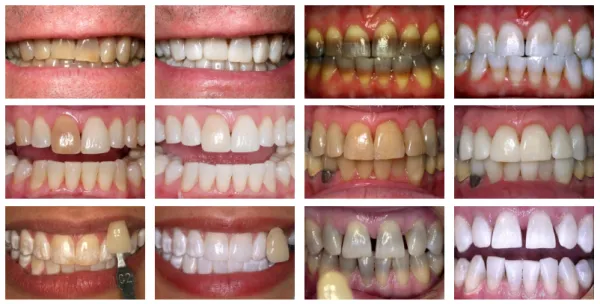
Kör Whitening is a professional teeth whitening system designed to provide exceptional results. Unlike over-the-counter whitening products, Kör uses a combination of custom-fit trays and potent whitening gels to penetrate deep into the enamel. The system is known for its ability to remove even the most stubborn stains, including those caused by aging, coffee, tea, and tobacco. The process typically involves an in-office consultation and custom tray fitting, followed by at-home whitening sessions. The efficacy of Kör Whitening is attributed to its unique ability to rehydrate teeth during the whitening process, minimizing sensitivity and maximizing results. The trays are very effective in delivering the whitening gel to the teeth.
How Kör Whitening Works

The Kör Whitening system works by using a combination of potent whitening agents and custom-fitted trays. The trays are designed to fit snugly over your teeth, ensuring that the whitening gel comes into optimal contact with the enamel. The gel penetrates the enamel and breaks down stain molecules. The system includes a unique process that minimizes the absorption of the whitening gel by the teeth’s dentin tubules, reducing sensitivity. The process starts with a consultation with your dentist, followed by impressions to create custom trays. You will then receive the whitening gel and instructions for at-home use. The duration of the treatment can vary depending on the severity of the staining and the desired results.
Why Does Whitening Cause Sensitivity?
Tooth sensitivity during whitening is a common side effect caused by the whitening agents penetrating the enamel and reaching the dentin, which contains tiny tubules connected to the nerves of the teeth. This penetration can irritate the nerves, leading to temporary sensitivity. The degree of sensitivity varies from person to person and depends on factors such as the concentration of the whitening agent, the duration of the treatment, and the individual’s pre-existing dental condition. Kör Whitening is designed to minimize this sensitivity, but it is still possible. Understanding the cause of sensitivity is the first step to managing it effectively.
Causes of Tooth Sensitivity
Apart from teeth whitening, several other factors can contribute to tooth sensitivity. These include receding gums, which expose the roots of the teeth, and erosion of the enamel due to acidic foods and drinks. Over-brushing or using a hard-bristled toothbrush can also wear down the enamel, increasing sensitivity. Dental procedures, such as fillings or teeth cleaning, can sometimes lead to temporary sensitivity. Individuals with existing dental issues, such as cavities or cracked teeth, are more likely to experience sensitivity. Recognizing the potential causes can help you identify the source of your sensitivity and take appropriate steps to alleviate it. These steps can be taken to prepare your teeth before undergoing a whitening procedure.
Identifying Sensitivity after Kör Whitening

It’s important to recognize the signs of sensitivity after Kör Whitening. Sensitivity is usually temporary and should subside within a few days or weeks after the treatment. There are several symptoms, varying in severity, that one can encounter. Knowing what to look out for can help you manage the discomfort effectively and decide when to seek professional help. The following symptoms will help you identify whether you are facing sensitivity and how severe it may be. This recognition is crucial for determining the best course of action and ensuring a positive whitening experience.
Symptoms of Sensitivity
The most common symptom of tooth sensitivity is a sharp, sudden pain or discomfort when the teeth are exposed to hot, cold, sweet, or acidic foods and drinks. This pain can range from mild to intense and may last for a few seconds or minutes. Other symptoms include a dull ache in the teeth, especially after whitening sessions, and sensitivity to air or pressure. Some individuals may also experience a tingling sensation in their teeth. Recognizing these symptoms is crucial for addressing the sensitivity promptly and implementing strategies to alleviate the discomfort. The intensity of these symptoms can vary, but any significant changes should be brought to the attention of your dentist.
How Long Does Sensitivity Last?
The duration of tooth sensitivity after Kör Whitening varies from person to person. In most cases, sensitivity is temporary and subsides within a few days to a couple of weeks after completing the whitening treatment. However, some individuals may experience sensitivity for a longer period, especially if they have pre-existing dental issues or use a high concentration of whitening gel. If the sensitivity persists or worsens, it is important to consult your dentist for advice. They can assess the situation and recommend appropriate solutions to alleviate the discomfort. It is rare, but in certain cases, some people might have prolonged sensitivity.
Effective Strategies to Reduce Sensitivity

Several strategies can help reduce tooth sensitivity during and after Kör Whitening. These strategies can be implemented at home or with the help of your dentist. The goal is to minimize discomfort and ensure a pleasant teeth whitening experience. By following these tips, you can successfully manage your sensitivity and achieve a brighter, whiter smile. It is important to note that the effectiveness of these strategies may vary depending on the individual and the severity of the sensitivity.
Using Sensitivity Toothpaste
Sensitivity toothpastes contain ingredients like potassium nitrate, which help block the tubules in the dentin, reducing nerve irritation. Using sensitivity toothpaste for a few weeks before starting Kör Whitening can help prepare your teeth. Continue using it throughout the whitening process and for a while afterward. Brush gently and avoid excessive pressure to prevent further enamel erosion. This is one of the simplest and most effective ways to manage sensitivity, providing a layer of protection for your teeth.
Fluoride Treatments
Fluoride strengthens tooth enamel and can help reduce sensitivity by blocking the dentin tubules. Your dentist can apply a professional fluoride treatment or prescribe a high-fluoride toothpaste. These treatments can provide an extra layer of protection, making your teeth less sensitive. Regular fluoride treatments, especially during and after whitening, can help maintain the health and strength of your teeth. Consider the benefits of this method to manage the sensitivity of your teeth. In addition to strengthening the enamel, fluoride can also help to remineralize the teeth.
Avoiding Trigger Foods and Drinks

During the whitening process, and while experiencing sensitivity, avoid foods and drinks that can trigger pain. These include hot, cold, sweet, and acidic items, such as ice cream, hot coffee, citrus fruits, and sodas. Choosing a diet that is gentle on your teeth can significantly reduce discomfort. Focus on eating a balanced diet with plenty of calcium-rich foods. If you must consume trigger foods, do so in moderation and rinse your mouth with water afterward. Careful dietary choices can make a real difference in your comfort levels.
Proper Brushing Technique
Use a soft-bristled toothbrush and brush gently, avoiding excessive pressure. Aggressive brushing can wear down enamel and increase sensitivity. Brush your teeth twice a day for two minutes each time, using a circular motion. Ensure that you are reaching all areas of your mouth. Consider using an electric toothbrush with a pressure sensor to help you brush correctly. Proper brushing is crucial to avoid further irritating sensitive teeth. Gentle care is vital to avoiding additional sensitivity after whitening.
Over-the-Counter Pain Relievers
Over-the-counter pain relievers, such as ibuprofen or acetaminophen, can help alleviate the discomfort caused by tooth sensitivity. Follow the instructions on the product label and do not exceed the recommended dosage. These medications can provide temporary relief, allowing you to manage your day-to-day activities more comfortably. If the pain persists, consult your dentist. Be sure to keep a record of your pain levels and how the medication is helping.
Professional Dental Care

If home remedies do not provide sufficient relief, consult your dentist. They can assess your specific situation and recommend more advanced treatments to reduce sensitivity. Seeking professional help ensures that any underlying issues are addressed and that you receive the most appropriate care. Your dentist can also provide customized advice based on the condition of your teeth. They may recommend different treatments or strategies tailored to your needs.
Desensitizing Treatments
Your dentist may offer in-office desensitizing treatments, such as applying a desensitizing agent or varnish. These treatments help to block the dentin tubules and reduce nerve irritation. They can provide immediate relief and are a highly effective way to manage sensitivity. The effects of these treatments can last for several months, offering extended comfort. The dentist can also recommend other options, such as in-office fluoride treatments.
Custom Tray Adjustments
If your trays are causing irritation or increased sensitivity, your dentist can adjust them to ensure a better fit. This is very helpful in making sure the gel is applied correctly, without causing unnecessary pressure or irritation to the gums. The goal is to minimize contact with the soft tissues and to help deliver the gel to the teeth. Ensuring a perfect fit is essential for comfort during the treatment. Any problems with the trays can be resolved quickly by your dentist.
When to Contact Your Dentist

You should contact your dentist if you experience severe or persistent sensitivity after Kör Whitening. Also, if you notice any other concerning symptoms, such as pain, bleeding gums, or changes in the appearance of your teeth. Your dentist can evaluate the situation and recommend appropriate treatment options. Early intervention is vital to prevent any potential complications. The dentist can provide appropriate diagnosis and treatment based on the situation. Do not hesitate to seek help, as early detection and intervention can prevent further complications.
Kör Whitening offers an effective and convenient solution for those seeking to achieve a brighter smile. By understanding the causes of sensitivity and implementing proactive strategies to manage it, you can enjoy a comfortable and rewarding teeth whitening experience. Remember to consult your dentist for professional guidance and to address any concerns you may have. With proper care and attention, you can achieve the smile of your dreams while maintaining optimal oral health.