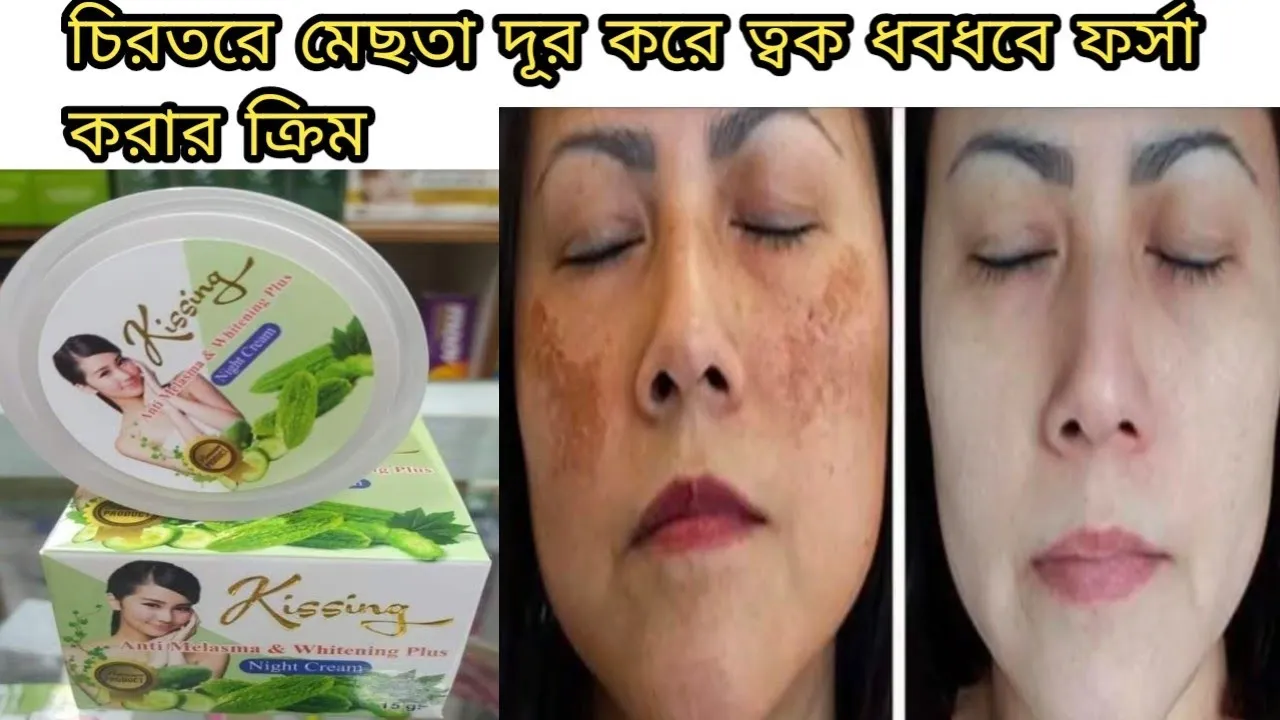
Understanding Kissing Anti Melasma
Kissing anti melasma, often called melasma, is a common skin condition characterized by brown or grayish-brown patches, usually on the face. While it’s not physically harmful, it can cause significant cosmetic concern for those affected. It typically appears on areas of the skin exposed to the sun, such as the cheeks, bridge of the nose, forehead, chin, and above the upper lip. This condition is more common in women than men, and it can be triggered by hormonal changes, particularly during pregnancy. Understanding the root causes of melasma is essential for effective treatment and management. This comprehensive guide provides insights and actionable tips to help you tackle this condition.
What is Kissing Anti Melasma?
Kissing Anti Melasma, or melasma, is a form of hyperpigmentation. It leads to the appearance of dark, discolored patches on the skin, often symmetrical in nature. These patches usually blend into one another giving a ‘kissing’ appearance. Melasma is not contagious and poses no direct health risks. However, it can lead to distress and impact a person’s self-esteem. The severity of melasma varies, with some people experiencing mild discoloration and others having extensive pigmentation. While it can affect anyone, it’s more common in individuals with darker skin tones and those with a genetic predisposition to the condition.
Causes of Kissing Anti Melasma

The exact cause of kissing anti melasma is unknown, but several factors are believed to play a role. Hormonal changes are a significant trigger, often seen during pregnancy (where it is referred to as the “mask of pregnancy”), use of birth control pills, or hormone replacement therapy. Sun exposure is another major factor, as ultraviolet (UV) rays stimulate the melanocytes (melanin-producing cells) in the skin, leading to increased pigment production. Genetics also contribute to the likelihood of developing melasma, suggesting a hereditary component. Other potential factors include thyroid dysfunction, certain cosmetic products that irritate the skin, and stress. Identifying and managing these triggers is important for controlling melasma.
Symptoms of Kissing Anti Melasma
The primary symptom of kissing anti melasma is the appearance of dark, irregular patches on the skin. These patches are usually brown or grayish-brown and typically appear on the face, although they can sometimes occur on other sun-exposed areas like the forearms and neck. The patches are often symmetrical, appearing on both sides of the face. The pigmentation can vary in intensity, becoming darker with sun exposure and lighter during periods of reduced sun exposure or treatment. In some cases, melasma may be accompanied by slight itching or irritation, but it is generally not painful. Recognizing the symptoms early is crucial to start effective treatments.
Top 5 Tips to Kissing Anti Melasma Guide
Tip 1 Protect from Sun Exposure

Sun protection is arguably the most critical factor in managing and preventing melasma. Sun exposure stimulates melanocytes, exacerbating pigmentation. This includes using broad-spectrum sunscreen with an SPF of 30 or higher every day, even on cloudy days. Reapply sunscreen every two hours, especially if you are sweating or swimming. Wearing protective clothing, such as wide-brimmed hats and long sleeves, is also beneficial. Avoiding direct sun exposure during peak hours (10 AM to 4 PM) is highly recommended. Consistently protecting your skin from the sun is the cornerstone of effective melasma treatment.
Why Sun Protection is Crucial
Sun protection is crucial because ultraviolet (UV) radiation triggers melanocytes to produce more melanin, worsening melasma. Even brief sun exposure can undo the effects of other treatments, so consistent sun protection is non-negotiable. It is vital to shield your skin from both UVA and UVB rays. UVA rays penetrate deeply and can cause long-term damage, while UVB rays are responsible for sunburn. Without proper sun protection, melasma can worsen, making it harder to treat and manage. Make sun protection an essential part of your daily routine to prevent exacerbation and promote healthier skin.
How to Choose the Right Sunscreen
Choosing the right sunscreen involves considering several factors. Look for a broad-spectrum sunscreen that protects against both UVA and UVB rays. The SPF should be at least 30. Opt for a sunscreen that is water-resistant if you plan to be swimming or sweating. Consider your skin type when selecting a sunscreen. For example, those with oily skin may prefer a lightweight, oil-free formula, while those with dry skin might choose a hydrating cream. Sunscreens with physical blockers, such as zinc oxide and titanium dioxide, are often preferred as they are generally less irritating. Always apply sunscreen generously and reapply it every two hours.
Tip 2 Use Whitening Skincare Products

Incorporate skincare products containing ingredients known for their whitening properties. These products can help reduce the appearance of dark spots and even out skin tone. Use these products consistently and as directed for best results. They often work by inhibiting melanin production or exfoliating the skin to remove pigmented cells. Note that it often takes several weeks or months of regular use to see noticeable improvements. However, consistency is key, and combining these products with other treatments like sun protection can enhance their effectiveness.
Ingredients to Look For
When choosing whitening skincare products, look for ingredients with proven efficacy. Hydroquinone is a common ingredient that inhibits melanin production, but it should be used under the supervision of a dermatologist due to potential side effects. Other effective ingredients include kojic acid, arbutin, azelaic acid, vitamin C, and niacinamide. Retinoids (vitamin A derivatives) can also help by increasing cell turnover and promoting exfoliation. Always read the product labels and consult with a dermatologist to choose products appropriate for your skin type and condition. Start with a lower concentration of potent ingredients to assess tolerance.
How to Incorporate into Your Routine
Incorporating whitening products into your routine involves a consistent and strategic approach. Start by cleansing your face gently to remove impurities. Apply a serum or cream containing whitening ingredients, following the product instructions. Always apply sunscreen in the morning, even if the whitening product is used at night, to protect the skin from sun exposure. Be patient and consistent, as it often takes time to see results. Consider adding gentle exfoliating products once or twice a week to help remove dead skin cells and enhance product absorption. If you experience any irritation, reduce frequency or consult your dermatologist.
Tip 3 Consider Professional Treatments

Professional treatments can be highly effective in managing melasma, especially when combined with at-home skincare and sun protection. A dermatologist can assess your skin and recommend the most appropriate treatments. These treatments often offer quicker and more significant results than topical creams alone. Several options are available, including chemical peels, laser therapy, and microdermabrasion. The choice of treatment depends on factors like skin type, the severity of melasma, and personal preference. It is essential to discuss potential risks and benefits with your dermatologist before undergoing any treatment. Combining different treatments can lead to even better results.
Popular Treatment Options
Several professional treatments are commonly used to treat melasma. Chemical peels use a chemical solution to exfoliate the skin, reducing pigmentation and promoting cell turnover. Laser therapy can target melanin directly, breaking down the pigment and lightening the affected areas. Microdermabrasion involves gently exfoliating the skin with a specialized tool. Other options include intense pulsed light (IPL) therapy and topical prescription medications. Consult a dermatologist to determine which treatment is best for your skin. Often, a combination of treatments offers the most effective results. Post-treatment care, such as sun avoidance and gentle skincare, is crucial for maintaining results.
What to Expect During Treatment
What to expect during professional treatments varies depending on the chosen method. Chemical peels may cause some redness, peeling, and mild discomfort during the healing process. Laser therapy may involve some slight pain during the procedure and potential temporary side effects like redness, swelling, and blistering. Microdermabrasion is generally painless but may cause some mild redness. Before any treatment, the dermatologist will evaluate your skin and discuss the procedure in detail, including potential risks, expected outcomes, and aftercare instructions. It’s essential to follow all post-treatment instructions carefully, which often involve avoiding sun exposure and using specific skincare products to promote healing and maximize results. Multiple sessions are often needed for optimal results.
Tip 4 Maintain a Healthy Lifestyle

Maintaining a healthy lifestyle supports overall skin health and can assist in managing melasma. This includes following a balanced diet rich in antioxidants and vitamins, which protect the skin from free radical damage. Adequate hydration is also important, as it helps maintain skin elasticity and promotes cell turnover. Managing stress is crucial, as stress can trigger or worsen melasma. Regular exercise, sufficient sleep, and relaxation techniques can all contribute to stress reduction. By incorporating these healthy habits, you can enhance your overall well-being and contribute to the effectiveness of other melasma treatments.
The Role of Diet and Hydration
Diet and hydration play significant roles in skin health and melasma management. A diet rich in antioxidants, such as vitamins C and E, can protect the skin from free radical damage. Include plenty of fruits and vegetables in your daily meals. Drinking adequate water helps maintain skin hydration and promotes cell turnover, aiding in the removal of pigmented cells. Limiting processed foods, sugars, and unhealthy fats can also benefit skin health. A balanced diet that supports overall health can make a substantial difference in your skin’s appearance and response to treatments. Focus on nourishing your body from the inside out.
Stress Management Techniques
Stress can trigger or worsen melasma, so implementing stress management techniques is crucial. Practice relaxation techniques such as deep breathing exercises, meditation, or yoga. Regular physical activity can help reduce stress and improve overall well-being. Make time for activities you enjoy, such as reading, listening to music, or spending time in nature. Ensure you get enough sleep, as sleep deprivation can increase stress levels. Consider seeking professional help if stress is overwhelming; a therapist or counselor can provide valuable tools and support. By incorporating these techniques, you can effectively manage stress and potentially reduce melasma flare-ups.
Tip 5 Be Consistent and Patient

Consistency and patience are vital for managing melasma. Seeing results often takes time, even with effective treatments and consistent skincare. Adhere to your treatment plan diligently, applying skincare products as directed, and protecting your skin from the sun every day. Be realistic about the time it takes to see improvement; it may take several weeks or months to notice a significant difference. Keep in touch with your dermatologist and let them know about any concerns or side effects. Understand that melasma is a chronic condition, and maintenance treatments may be needed to prevent recurrence. Maintaining a positive attitude and staying committed to your skincare routine will help you achieve the best results.
Why Consistency Matters
Consistency is key because melasma treatment requires continuous effort to inhibit melanin production and protect the skin from triggers. Skipping steps in your skincare routine, neglecting sun protection, or missing treatment appointments can hinder progress. Regularly applying whitening products, wearing sunscreen, and attending follow-up appointments are essential. Building these habits into your daily life ensures that your skin receives consistent support to manage melasma. Consistency also helps you track changes, allowing you to assess the effectiveness of treatments and adjust your approach as needed.
Setting Realistic Expectations
Setting realistic expectations is crucial for avoiding disappointment and maintaining motivation. Melasma treatment is a journey, not a quick fix, and complete clearance is not always possible. Understand that results take time, and you may experience periods of improvement followed by occasional flare-ups. Communicate openly with your dermatologist about your expectations and understand the limitations of various treatments. Celebrate small victories and focus on the progress you are making. Remember that the goal is to manage the condition effectively and improve your skin’s appearance. Embrace a long-term approach and focus on maintaining healthy skin habits.
Additional Tips for Whitening
Skincare Routines
Developing a comprehensive skincare routine is crucial for managing melasma and achieving whitening goals. This includes gentle cleansing, using a brightening serum, applying a broad-spectrum sunscreen in the morning, and incorporating a retinoid or exfoliating product in the evening, as tolerated. Choose products suitable for your skin type and address your specific concerns, like hyperpigmentation. Consider using a gentle cleanser in the morning and a slightly more effective one in the evening to remove makeup and impurities. Always patch-test new products to avoid adverse reactions. A consistent and well-rounded routine promotes skin health and maximizes the effectiveness of treatments.
Home Remedies
While professional treatments and skincare products are often the most effective approach to melasma, some home remedies may offer some support. Always consult with a dermatologist before trying these. Some people find that using ingredients like aloe vera, licorice extract, and turmeric can provide some lightening effects. Applying a mixture of honey and yogurt, or a paste made of sandalwood powder and rosewater, may also help to improve skin tone. Ensure any home remedy is tested on a small area of skin first to check for allergic reactions or irritation. Remember, home remedies should complement, not replace, professional treatments and sun protection.