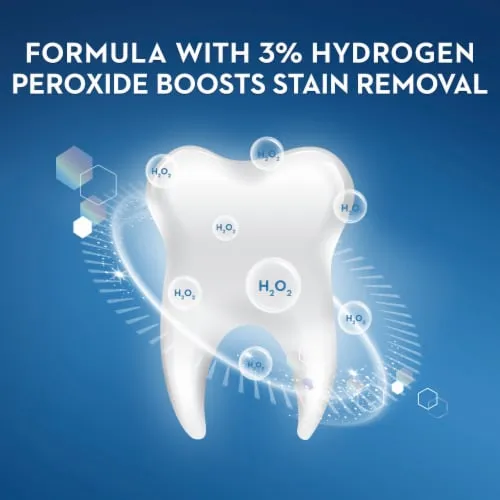
What is Hydrogen Peroxide Teeth Whitening (H2O2) ?
Hydrogen peroxide (H2O2) has become a popular option for teeth whitening. It’s a chemical compound, a type of oxidizing agent, that’s been used for various purposes, including disinfecting wounds and bleaching hair. In the context of teeth whitening, hydrogen peroxide works by penetrating the enamel of the teeth and breaking down stain molecules. This process essentially lightens the color of your teeth, giving them a brighter appearance. This method is accessible, relatively inexpensive, and can be done at home, which makes it a favored choice for many seeking a whiter smile. However, understanding the process and the correct usage is very important to obtain the desired results.
The Science Behind Hydrogen Peroxide Whitening
The effectiveness of hydrogen peroxide in teeth whitening is rooted in its chemical properties. When applied to teeth, hydrogen peroxide releases oxygen free radicals. These free radicals react with the stain molecules trapped within the enamel and dentin of your teeth. The oxidation process breaks down these stain molecules into smaller, less noticeable compounds. The color of the teeth is essentially ’lifted’ as a result of this chemical reaction. The concentration of hydrogen peroxide directly influences the whitening effect, with higher concentrations generally leading to faster results but also increasing the risk of side effects. Understanding these scientific basics ensures safe and effective usage.
How Hydrogen Peroxide Works on Teeth

Hydrogen peroxide works on teeth by a process called oxidation. When hydrogen peroxide comes into contact with the stains on your teeth, it releases oxygen molecules. These oxygen molecules then break down the stain molecules, effectively lightening the color of your teeth. The duration of the process and the concentration of the hydrogen peroxide are essential factors that affect how well it works. Professional whitening treatments use higher concentrations of hydrogen peroxide and can provide quicker and more dramatic results. Home treatments, using lower concentrations, require more time to achieve visible results, but they offer a safer option with a reduced risk of sensitivity. The way hydrogen peroxide works makes it a powerful yet delicate tool in the realm of teeth whitening.
Understanding Hydrogen Peroxide Concentrations
Hydrogen peroxide is available in various concentrations, which significantly affect its whitening ability and potential side effects. The concentration is typically expressed as a percentage. In the context of teeth whitening, the concentration can range from a few percent in over-the-counter products to as high as 40% in professional dental treatments. Higher concentrations act more rapidly, but they also increase the risk of tooth sensitivity and gum irritation. It’s crucial to understand the concentration of the product you are using and to follow the provided instructions precisely. Choosing the right concentration, therefore, is essential for achieving the desired results while minimizing potential harm.
Choosing the Right Hydrogen Peroxide Concentration
The best hydrogen peroxide concentration for teeth whitening varies based on individual needs and sensitivity. For home use, products typically contain between 3% and 10% hydrogen peroxide. These lower concentrations are safer for unsupervised use and often come in the form of whitening strips, gels, or toothpastes. Professional dental treatments use higher concentrations, sometimes up to 40%, which can provide faster and more effective results but require the supervision of a dentist to minimize risks. People with sensitive teeth should start with lower concentrations and monitor their teeth’s response. Consulting with a dentist is always a great step before beginning any teeth whitening process, to ensure the safest and most effective approach for your unique dental situation.
Hydrogen Peroxide Teeth Whitening Secret 1 Effective Application

Effective application is vital for achieving optimal teeth whitening results using hydrogen peroxide. This involves the correct use of whitening strips, gels, or other products containing hydrogen peroxide. Always start by thoroughly brushing your teeth to remove any surface debris. If using whitening strips, ensure they are applied evenly across the teeth, following the manufacturer’s instructions. For gels, apply a thin layer to the teeth, avoiding contact with the gums. The duration of application varies, so follow product guidelines to prevent overuse, which can lead to sensitivity. Consistency in application and adherence to instructions are key to maximizing the whitening effect.
Proper Application Techniques for Optimal Whitening
To ensure optimal whitening, follow precise application techniques. If using strips, carefully align them along the gumline, pressing gently to ensure they adhere to the teeth. For gel-based systems, use the applicator to apply a thin, even layer across the front surface of your teeth. Avoid excess gel, as it can cause gum irritation. After application, it’s essential to adhere to the recommended treatment time, which typically ranges from 30 minutes to an hour, depending on the product’s concentration and instructions. Regularly checking your teeth and gums for any signs of sensitivity or irritation is very important. Correct application methods are the cornerstone of effective and safe hydrogen peroxide teeth whitening.
Avoiding Gum Irritation During Application
Preventing gum irritation is an important aspect of hydrogen peroxide teeth whitening. When applying any product, avoid direct contact with your gums, as hydrogen peroxide can cause inflammation and discomfort. Use a cotton swab or your finger to wipe away any gel or solution that touches your gums. Consider using a dental dam, available at your dentist’s office, to protect your gums during the whitening process. If irritation occurs, stop the treatment immediately and rinse your mouth thoroughly with water. The use of products designed to reduce sensitivity can also help manage any discomfort. Prioritizing your gum health will ensure a comfortable whitening experience.
Hydrogen Peroxide Teeth Whitening Secret 2 Preparing Your Teeth

Preparing your teeth correctly is a crucial step for maximizing the effectiveness of hydrogen peroxide teeth whitening. Before starting any whitening treatment, brush and floss your teeth to remove surface debris and food particles. This preparation allows the whitening agent to come into direct contact with your tooth enamel, maximizing its impact. For some individuals, a professional dental cleaning may be necessary to remove built-up plaque and tartar, which can hinder the whitening process. Consider using a desensitizing toothpaste for a few weeks before whitening if you have sensitive teeth. Proper preparation can make a significant difference in the final result and the overall comfort of the whitening experience.
Why Pre-Treatment is Important for Whitening
Pre-treatment is a critical step in any teeth whitening process, enhancing both its effectiveness and your comfort. Cleaning your teeth beforehand removes surface stains and debris that can block the whitening agent from reaching the enamel. Flossing is equally important, as it removes particles and plaque from between your teeth, areas that whitening solutions can sometimes miss. People with sensitive teeth may benefit from using a desensitizing toothpaste for a week or two before starting the whitening treatment, which helps to reduce any potential discomfort. Careful pre-treatment ensures the hydrogen peroxide can work efficiently and the result is uniform.
Best Practices for Cleaning Teeth Before Whitening
Implementing the best cleaning practices before whitening can dramatically improve your outcome. Start by brushing your teeth thoroughly with fluoride toothpaste for at least two minutes. Pay special attention to all surfaces of your teeth, making sure to reach the back molars. Floss gently to remove any food particles or debris that your toothbrush may have missed, and don’t forget to clean your tongue to remove bacteria that can cause bad breath. After brushing and flossing, rinse your mouth with water to remove any remaining toothpaste. Following these cleaning steps creates a clean and receptive surface for the whitening treatment, increasing its effectiveness.
Hydrogen Peroxide Teeth Whitening Secret 3 Maintaining Oral Hygiene

Maintaining good oral hygiene is essential for long-lasting results after teeth whitening. This includes regular brushing (at least twice a day) with fluoride toothpaste, flossing daily, and using mouthwash to remove any lingering bacteria. Avoid consuming foods and drinks that can stain your teeth, such as coffee, tea, red wine, and dark-colored berries, especially during the whitening treatment and immediately after. Regular dental check-ups and professional cleanings are also important for keeping your teeth healthy and your smile bright. Proper oral hygiene is key to preserving your newly whitened teeth and maintaining overall dental health.
The Importance of Post-Whitening Care
Post-whitening care is critical for maintaining the results of your teeth whitening treatment. Within the first few days after whitening, your teeth are more susceptible to staining. Avoid foods and beverages known to stain teeth, like coffee, tea, and red wine. It’s also advisable to quit smoking, which can significantly diminish the whitening effect. Brush your teeth gently with a desensitizing toothpaste to help manage any sensitivity, and continue with your regular oral hygiene routine, including brushing, flossing, and using mouthwash. By following these guidelines, you can help to preserve your bright, white smile for as long as possible.
Preventing Re-Staining after Whitening
To prevent re-staining after teeth whitening, it is important to make conscious choices about your diet and lifestyle. Limit your intake of staining foods and drinks, such as coffee, tea, red wine, and berries. If you consume these items, rinse your mouth with water immediately afterward. Regular brushing and flossing are critical, removing any staining particles before they have a chance to set. Consider using a whitening toothpaste for maintenance, but be careful not to overuse it, as it can sometimes increase sensitivity. Regular dental check-ups and cleanings can also help to maintain your bright smile, offering early intervention to prevent any emerging stains.
Hydrogen Peroxide Teeth Whitening Secret 4 Potential Risks and Side Effects

While hydrogen peroxide teeth whitening is generally safe, it is essential to be aware of its potential risks and side effects. The most common side effects are tooth sensitivity and gum irritation. Sensitivity can manifest as a sharp, shooting pain when consuming hot, cold, sweet, or sour foods and drinks. Gum irritation can range from mild redness to significant inflammation, especially if the product comes into direct contact with your gums. Other potential side effects include mild throat irritation or an upset stomach if the whitening agent is swallowed. Knowing these risks helps you to make informed decisions and take appropriate precautions.
Common Side Effects of Hydrogen Peroxide Whitening
The most commonly reported side effects of hydrogen peroxide teeth whitening include tooth sensitivity and gum irritation. Tooth sensitivity may appear as a short-lived, sharp pain when consuming hot or cold items. Gum irritation can manifest as redness, swelling, or soreness, particularly if the whitening agent comes into contact with the gum tissue. Some people may also experience a mild burning sensation in their mouth or throat, especially if they use high-concentration products. These side effects are usually temporary, but it’s vital to manage them properly to avoid further discomfort. Reducing the frequency or duration of the whitening treatment can mitigate these effects.
Dealing with Tooth Sensitivity
If you experience tooth sensitivity during or after hydrogen peroxide teeth whitening, there are several strategies to manage it. Use a desensitizing toothpaste that contains ingredients like potassium nitrate, which helps to block the nerve endings in your teeth. Avoid extremely hot or cold foods and drinks until the sensitivity subsides. Consider reducing the frequency or duration of your whitening treatments. If the sensitivity persists, it is best to consult your dentist, who can provide more advice. They may recommend fluoride treatments or prescribe specific products. Proper management of tooth sensitivity is crucial to ensure comfort during and after the whitening process.
Hydrogen Peroxide Teeth Whitening Secret 5 Safety Precautions & Best Practices

Implementing safety precautions and best practices can significantly enhance the safety of hydrogen peroxide teeth whitening. Always read and strictly follow the product instructions. If using home kits, do not exceed the recommended application time or frequency. Protect your gums by avoiding direct contact with the whitening agent. Consider consulting your dentist before starting any whitening treatment, especially if you have sensitive teeth, dental work, or any underlying oral health issues. Keep the product out of reach of children. If any adverse reactions occur, discontinue use and consult a dentist promptly. Practicing these guidelines is crucial for ensuring a safe and effective teeth whitening experience.
Who Should Avoid Hydrogen Peroxide Whitening?
Some individuals should avoid hydrogen peroxide teeth whitening altogether. This includes children, pregnant or breastfeeding women, and people with gum disease or significant tooth decay. If you have sensitive teeth or dental restorations, such as fillings or crowns, you may need to approach whitening with caution. Individuals with certain medical conditions, such as those affecting their oral health, should consult their dentist before proceeding. It is essential to assess individual oral health conditions and discuss them with a dental professional to determine if teeth whitening is safe.
When to Seek Professional Dental Advice
It’s essential to seek professional dental advice in various situations concerning hydrogen peroxide teeth whitening. Consult your dentist before starting any whitening treatment to determine if it’s appropriate for you, considering your oral health. If you experience any adverse reactions, like severe sensitivity, gum irritation, or pain, stop using the product and consult your dentist immediately. If you have existing dental work, such as fillings, crowns, or veneers, discuss the whitening process with your dentist to understand its potential impact. Regular check-ups also allow your dentist to monitor your teeth and address any issues early on, ensuring a safe and effective whitening experience. Relying on professional advice is critical for the safety and success of teeth whitening.