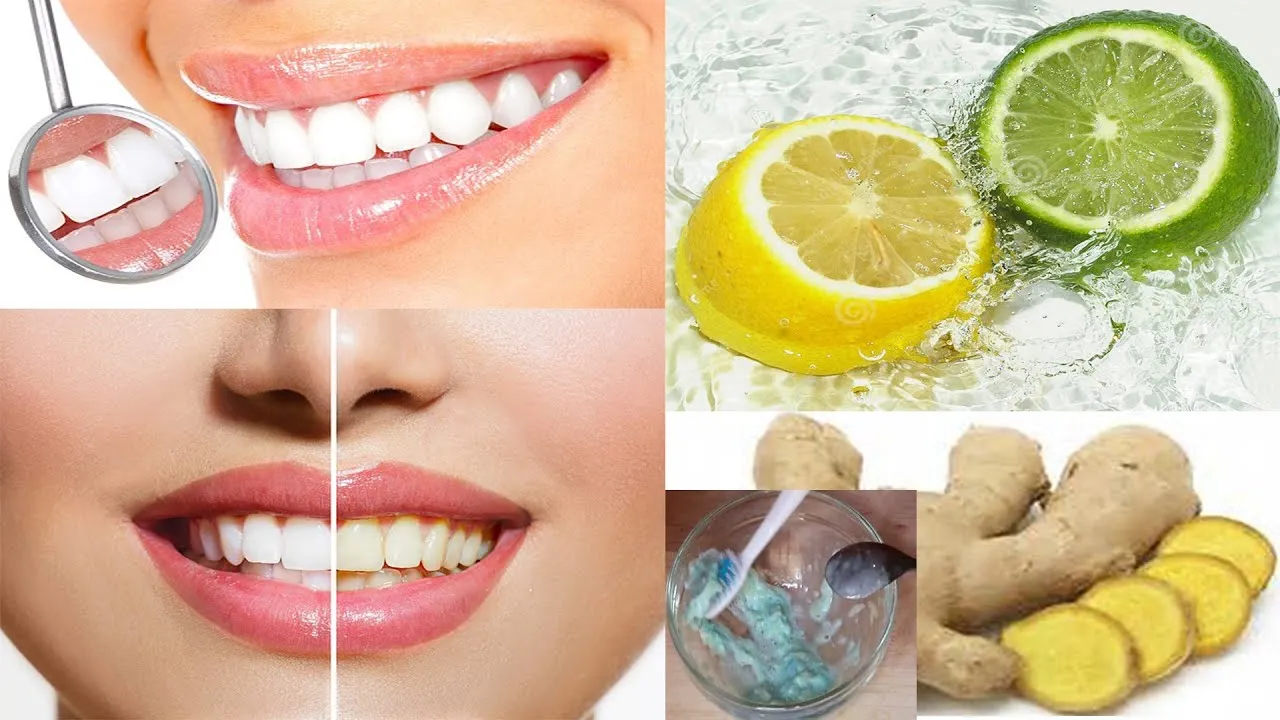
Achieving a brighter, whiter smile is a common goal, and many people are turning to natural remedies to avoid harsh chemicals. Among these, the combination of ginger, salt, and lemon has gained popularity for its potential teeth-whitening properties. This article delves into how this natural trio can help you achieve a dazzling smile. We will explore the science behind teeth discoloration, the benefits of each ingredient, and how to safely and effectively use this method to enhance your pearly whites. The goal is to provide you with a comprehensive guide, empowering you to take control of your oral health and brighten your smile naturally. Let’s unlock the secrets to a radiant smile using nature’s finest ingredients. This guide offers a holistic approach, encouraging you to incorporate healthy habits alongside this natural remedy for optimal results.
Understanding Teeth Staining & Discoloration
Before exploring how ginger, salt, and lemon can whiten your teeth, it’s crucial to understand what causes teeth discoloration in the first place. Tooth enamel, the hard outer layer of your teeth, is porous. Over time, these pores can absorb stains from various sources, leading to discoloration. There are both intrinsic and extrinsic factors involved. Intrinsic stains originate from within the tooth structure, often caused by aging, genetics, or certain medications. Extrinsic stains, on the other hand, affect the surface of the teeth and are caused by external factors. Understanding these differences is vital because it helps in selecting the most suitable whitening methods. The effectiveness of ginger, salt, and lemon will vary based on the type and severity of the staining. Proper dental hygiene plays a pivotal role, no matter the cause of staining.
Common Causes of Teeth Discoloration
Dietary Factors

Dietary habits significantly influence the color of our teeth. Certain foods and beverages are notorious for staining teeth. Coffee, tea, red wine, and dark-colored sodas contain chromogens, which are pigment-producing substances that adhere to the enamel. Berries, such as blueberries and blackberries, and other deeply colored fruits and vegetables, can also contribute to staining. Regular consumption of these items over time can lead to noticeable discoloration. Additionally, acidic foods can erode enamel, making teeth more susceptible to staining. A balanced diet with moderation in these stain-inducing foods is a key factor in maintaining a bright smile. Consider rinsing your mouth with water after consuming staining foods and drinks to minimize their impact.
Lifestyle Choices
Beyond diet, certain lifestyle choices can also cause teeth discoloration. Smoking and tobacco use are among the most significant contributors to stained teeth. The nicotine and tar present in tobacco products leave unsightly yellow and brown stains on the teeth. Poor oral hygiene, including infrequent brushing and flossing, allows plaque and tartar to accumulate, which can trap stains. In addition, some medications, such as certain antibiotics, can cause discoloration. Regular dental check-ups and cleanings can help remove surface stains and address any underlying issues. Adopting healthy lifestyle choices, like quitting smoking and maintaining good oral hygiene, are essential steps in achieving and maintaining a whiter smile. A commitment to a healthy lifestyle significantly supports oral health, enhancing the effectiveness of any whitening methods.
The Power of Ginger Salt Lemon for Whitening
The combination of ginger, salt, and lemon offers a natural approach to teeth whitening. Each ingredient contributes unique properties that work synergistically to address discoloration and promote oral health. While the effectiveness may vary based on the individual and the severity of the staining, many users have reported positive results. The key lies in understanding the role of each component and using them correctly. This method provides a gentler alternative to harsh chemical treatments, making it an appealing option for those seeking a natural solution. This section will explore the benefits of each ingredient in detail, providing a scientific basis for their use and offering a holistic view of oral care.
Ginger’s Role in Oral Health

Ginger, known for its anti-inflammatory and antioxidant properties, plays a supporting role in this teeth-whitening method. While it doesn’t directly whiten teeth, it helps maintain overall oral health. Ginger can combat bacteria in the mouth, reducing the risk of gingivitis and other gum diseases. Healthy gums are crucial for maintaining a bright smile, as gum recession can expose more of the tooth, potentially making it appear discolored. Its antibacterial properties may also aid in preventing the buildup of plaque, which can contribute to staining. Furthermore, ginger has soothing properties that can help ease any sensitivity that might arise from the use of lemon. Including ginger in your oral care routine enhances the effectiveness of other whitening agents and promotes a healthier mouth environment.
Salt’s Benefits for Teeth
Salt has been used for centuries as a natural cleaning agent. In this context, salt acts as a mild abrasive, helping to remove surface stains from the teeth. It can gently scrub away discoloration caused by coffee, tea, and other staining agents. The abrasive action of salt helps polish the teeth, revealing a brighter surface. In addition to its cleaning properties, salt has antibacterial properties, which can help combat harmful bacteria in the mouth, contributing to overall oral health. However, it’s essential to use salt in moderation, as excessive abrasion can potentially damage the enamel. Using fine-grained salt and applying it gently is recommended to avoid causing any harm. Salt, when used properly, complements the lemon’s whitening effects, contributing to a naturally brighter smile.
Lemon’s Whitening Properties
Lemon is the primary whitening agent in this combination, known for its citric acid content. Citric acid acts as a natural bleaching agent, helping to break down stains on the tooth surface. It can effectively lighten discoloration caused by various factors. However, it’s important to note that lemon’s acidity can also erode enamel if used excessively or incorrectly. The key is to use it in moderation and follow the recommended preparation and application techniques. Its effectiveness in teeth whitening is what makes lemon a powerful component of this natural remedy. The use of lemon should be approached with caution and proper care to prevent any adverse effects. Always rinse your mouth thoroughly after use to minimize the acid’s impact.
How to Prepare the Ginger Salt Lemon Mixture

Preparing the ginger salt lemon mixture is simple, requiring only a few ingredients and steps. The right preparation ensures that you can safely harness the whitening benefits of each ingredient. This section provides a step-by-step guide to preparing the mixture and applying it effectively. Proper preparation is crucial to maximize its effectiveness while minimizing any potential risks. Always make the mixture fresh before each use. Ensure that you use quality ingredients and follow the instructions carefully. By using the right techniques, you can safely enjoy the benefits of this natural teeth-whitening solution. The combination of these elements is essential to achieve the desired effect. Proper preparation enhances its effectiveness.
Step-by-Step Guide
To prepare the mixture, you’ll need fresh ginger, fine sea salt, and fresh lemon juice. Start by grating a small piece of fresh ginger. You’ll only need a small amount, about a teaspoon or less. Next, mix the grated ginger with a pinch of fine sea salt. The salt acts as a mild abrasive and aids in removing surface stains. Finally, add a few drops of fresh lemon juice. Be careful not to use too much, as lemon juice is highly acidic. Mix the ingredients until they form a slightly paste-like consistency. The mixture is now ready for application. Preparing the mixture right before use is important to preserve the potency of the ingredients. Make sure your utensils are clean. Proper mixing is vital for effectiveness.
Application Techniques for Best Results
There are a few methods for applying the ginger salt lemon mixture. One common approach is to gently apply the mixture to your teeth with a soft-bristled toothbrush. Brush your teeth in small, circular motions, focusing on the stained areas. Another method involves dipping your toothbrush directly into the mixture and brushing. Ensure that you don’t apply too much pressure, as this can harm your enamel. After brushing, leave the mixture on your teeth for a short period. Then rinse your mouth thoroughly with water. The application technique plays a critical role in the effectiveness and safety of the whitening treatment. Take care when applying the mixture to avoid any sensitivity. Rinsing your mouth properly is equally important.
Tips for Maximizing Effectiveness

To get the best results from using ginger, salt, and lemon for teeth whitening, there are a few tips to keep in mind. Consistency is important. Regular use, according to the recommended frequency, can help achieve visible results over time. Combining the treatment with good oral hygiene practices, such as brushing twice a day and flossing daily, will also enhance its effectiveness. Ensure you are also maintaining a healthy diet. Avoid the foods and drinks known to cause staining. Patience is key when using natural methods; results might not be immediate. By combining these tips, you can maximize the whitening potential of this natural remedy. Consistent application, coupled with healthy habits, will lead to a brighter smile.
Frequency of Use
The frequency of using the ginger salt lemon mixture is crucial to prevent potential enamel erosion. It’s generally recommended to use this mixture once or twice a week. Avoid overusing it, as the acidity of lemon can weaken your enamel. Monitor your teeth for any signs of sensitivity or discomfort. If you experience any adverse effects, reduce the frequency or discontinue use. It’s important to strike a balance between whitening your teeth and maintaining your oral health. Regular use of the mixture within the recommended frequency, along with other good oral hygiene practices, will help maintain a bright and healthy smile. Adjust the frequency according to your specific needs and oral health condition. Consistency helps in achieving desired results.
Important Precautions to Consider
Before using ginger, salt, and lemon for teeth whitening, there are several precautions to consider. It is essential to listen to your body. If you have sensitive teeth, you may want to avoid using this method, or try it very sparingly. Always rinse your mouth thoroughly with water after each use to minimize the lemon’s acidity impact. Avoid brushing too vigorously, as this can damage your enamel and gums. Consult with your dentist before incorporating this method into your oral hygiene routine, especially if you have any existing dental issues. Following these precautions will help ensure a safe and effective teeth whitening experience. Regular dental check-ups are essential to monitor your oral health. Safety always comes first.
Potential Sensitivity and Side Effects

While ginger, salt, and lemon is a natural teeth-whitening method, it’s not without potential side effects. Some individuals may experience increased tooth sensitivity, especially if they already have sensitive teeth or if they overuse the mixture. The citric acid in lemon can temporarily weaken enamel, making your teeth more vulnerable. Other potential side effects include gum irritation or inflammation. If you experience any of these symptoms, discontinue use immediately and consult your dentist. Always prioritize your oral health and choose methods that suit your individual needs. Be aware of your body’s response. Consulting a dentist is always wise before trying any new teeth-whitening technique.
Alternative Natural Teeth Whitening Options
While ginger, salt, and lemon is a popular choice, there are other natural options for teeth whitening that you might want to explore. Coconut oil pulling involves swishing coconut oil in your mouth for about 15-20 minutes. It is believed to reduce bacteria and help remove stains. Baking soda is another commonly used ingredient. It can be mixed with water to create a paste and used to brush your teeth. Hydrogen peroxide, in diluted form, can also be used for whitening. Consider consulting with your dentist before trying any new teeth-whitening methods. Natural remedies offer a range of ways to enhance your smile. Exploring various methods allows you to find the best fit for your specific needs. Consider a combination for optimal results.
In conclusion, using ginger, salt, and lemon can be a viable option for natural teeth whitening. However, it’s essential to use the method correctly, considering the potential risks and benefits. Always be mindful of your oral health and consult with a dental professional for personalized advice. Combining this method with a good oral hygiene routine and a healthy lifestyle can help you achieve and maintain a brighter, healthier smile. Enjoy your journey to a dazzling smile with these natural ingredients. Remember to approach this method with awareness and prioritize your dental health for a radiant, confident smile.