Understanding Freckles and Their Causes
Freckles, those small, concentrated spots of melanin, often appear on sun-exposed skin. While generally harmless, many people seek to diminish their appearance for cosmetic reasons. Understanding what causes freckles is the first step in developing an effective strategy to get rid of them. These spots, varying in size and color, are a common skin concern, and thankfully, there are numerous ways to manage their appearance. This comprehensive guide delves into the causes, treatments, and preventative measures for effectively dealing with freckles. Effective skin care strategies require a deep understanding of the underlying causes of freckles, which can vary from person to person.
What are Freckles?
Freckles are small, tan or brown spots that typically appear on areas of the skin that have been exposed to the sun, such as the face, arms, and shoulders. They are caused by an overproduction of melanin, the pigment responsible for skin color, in certain areas of the skin. Freckles are most commonly found in people with fair skin, but they can occur in people of all skin tones. Their appearance can be influenced by genetics, sun exposure, and other environmental factors. They are not typically a sign of a serious health issue, although changes in their appearance should be monitored. They are a natural variation in skin pigmentation.
Causes of Freckles

The primary cause of freckles is exposure to ultraviolet (UV) radiation from the sun. When skin is exposed to sunlight, melanocytes, the cells that produce melanin, increase their production to protect the skin from sun damage. In some individuals, this process leads to the formation of freckles. Genetics also play a significant role, as some people are genetically predisposed to developing freckles. Fair-skinned individuals with certain gene variations are more likely to have freckles. Hormonal changes can sometimes influence the appearance of freckles, and certain medications can also increase skin sensitivity to the sun. Understanding these factors is crucial for managing and preventing freckles. Excessive sun exposure triggers melanin production in the skin, resulting in the formation of freckles, especially in those genetically predisposed. Proper sun protection is essential.
The Role of Whitening Freckle Creams
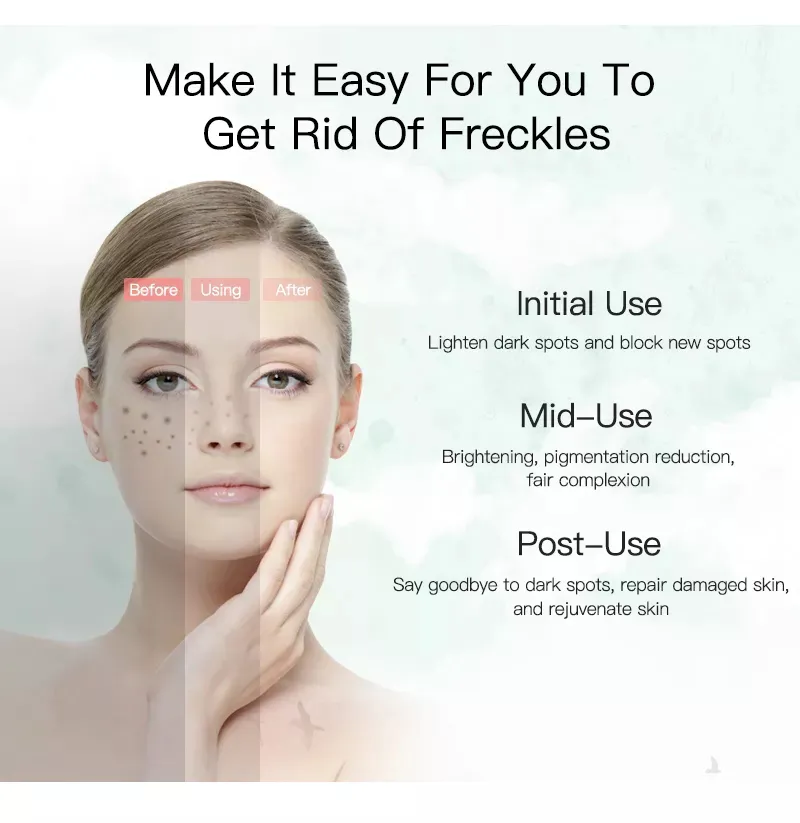
Whitening freckle creams are designed to lighten the appearance of freckles by reducing the production of melanin or promoting the shedding of pigmented skin cells. These creams typically contain active ingredients that target the melanocytes, the cells responsible for melanin production. The effectiveness of these creams can vary depending on the ingredients used, the concentration of those ingredients, and the individual’s skin type and the severity of the freckles. When selecting a cream, it’s essential to consider your skin’s sensitivity and consult with a dermatologist for guidance. These creams offer a targeted approach to reducing the visibility of freckles, making them a popular choice for those seeking clearer skin. Understanding how these creams work can help you choose the right product and set realistic expectations for results. There are different creams that are more effective and safe than others, and that is why it is important to choose the right product.
How Whitening Freckle Creams Work
Whitening freckle creams work through various mechanisms. Some ingredients inhibit tyrosinase, an enzyme that plays a crucial role in melanin production. By blocking tyrosinase, these creams can reduce the amount of melanin produced, leading to a lightening effect. Other creams promote skin cell turnover, which helps to shed pigmented skin cells, revealing lighter skin underneath. Some creams also contain antioxidants that protect the skin from further damage caused by UV radiation. Regular use, along with sun protection, is crucial for achieving and maintaining results. They often contain ingredients that disrupt melanin production or accelerate skin cell turnover. These creams provide a more targeted approach to managing freckles. They work by interfering with the processes that cause freckles to form and darken. The key is finding ingredients that work for your skin type.
Day vs Night Creams Differences

Day creams and night creams often have different formulations to address skin concerns throughout the day and night. Day creams typically include ingredients that provide sun protection, such as SPF, to shield the skin from UV radiation. They may also contain ingredients that hydrate the skin and provide a base for makeup. Night creams, on the other hand, are designed to repair and rejuvenate the skin while you sleep. They often contain active ingredients like retinoids or other concentrated ingredients that work best without sun exposure. The differences in formulations make day and night creams ideal for a comprehensive skincare routine. The formulations are often tailored to the skin’s needs at different times of the day. Day creams usually contain SPF and hydrating agents to protect the skin, while night creams are richer and focused on repair.
Top Ingredients to Look For in Freckle Creams
When choosing a freckle cream, look for ingredients that have been proven effective in reducing melanin production and promoting skin cell turnover. Some of the most popular and effective ingredients include hydroquinone, vitamin C, and retinoids. Hydroquinone is a potent skin-lightening agent that inhibits tyrosinase, while vitamin C is an antioxidant that protects against sun damage and helps to brighten the skin. Retinoids, derived from vitamin A, promote cell turnover and can help to reduce the appearance of freckles. Understanding these ingredients is essential for making an informed decision when purchasing a freckle cream. Different ingredients work in different ways, which is why understanding your skin type and the effectiveness of an ingredient is crucial. It is important to know the concentration of the active ingredients.
Hydroquinone
Hydroquinone is a skin-lightening agent that is commonly used in freckle creams and other skin-lightening products. It works by inhibiting tyrosinase, an enzyme that is essential for melanin production. By blocking tyrosinase, hydroquinone can reduce the amount of melanin produced, leading to a lightening effect. However, hydroquinone can also cause side effects, such as skin irritation and increased sensitivity to the sun. It is important to use hydroquinone products under the guidance of a dermatologist. They typically start with a lower concentration and increase it gradually. This potent ingredient is known for its ability to inhibit melanin production, but should be used with caution. Hydroquinone is a powerful ingredient, but it is important to understand that it can cause side effects, so consult with a dermatologist. The concentration is also an important factor to consider when deciding to use it.
Vitamin C

Vitamin C, an antioxidant, is another key ingredient to look for in freckle creams. It helps to protect the skin from damage caused by UV radiation and can also help to brighten the skin. Vitamin C inhibits melanin production and promotes collagen synthesis, leading to a more even skin tone and reducing the appearance of freckles. Vitamin C is typically well-tolerated and offers additional benefits like protection against environmental stressors. Look for creams that contain stable forms of vitamin C, such as L-ascorbic acid or its derivatives. It is a versatile ingredient that not only helps in reducing freckles but also offers protection against environmental stressors. It is generally considered safe and offers additional benefits, such as promoting collagen production. The form of vitamin C can vary, so make sure to look for creams that contain a stable form.
Retinoids
Retinoids, derived from vitamin A, are another effective ingredient in freckle creams. They promote skin cell turnover, helping to shed pigmented skin cells and reveal lighter skin underneath. Retinoids also stimulate collagen production, which can improve skin texture and reduce the appearance of fine lines. However, retinoids can cause skin irritation and dryness, so it’s important to start with a low concentration and gradually increase it. They often make the skin more sensitive to the sun, so sun protection is essential. Retinoids are powerful ingredients that can lead to significant results when used correctly. It is important to understand that they can cause some irritation. Make sure to combine them with proper sun protection.
Using Freckle Cream Effectively
To use freckle cream effectively, it’s essential to follow the product’s instructions carefully. Apply the cream to clean, dry skin, and avoid contact with the eyes and mouth. Start with a small amount of cream and gradually increase the amount as your skin becomes accustomed to the product. Consistency is key, so apply the cream regularly as directed by the manufacturer or your dermatologist. Always combine your routine with other strategies such as using sunscreen and proper hydration. Remember that results take time, and patience is crucial. By carefully following instructions, you can maximize the benefits of your freckle cream and minimize potential side effects. Stick to your routine to get the best results. It is important to understand that some ingredients can make the skin more sensitive to sunlight. Start with a small amount and gradually increase the amount to ensure that your skin tolerates the product well.
Step-by-Step Application Guide

Before applying freckle cream, cleanse your face with a gentle cleanser and pat it dry. Apply a small amount of the cream to the affected areas, avoiding the eye and mouth areas. Gently massage the cream into your skin until it is fully absorbed. Follow with a moisturizer if needed, and in the daytime, always apply sunscreen with an SPF of 30 or higher. Be consistent with your application, following the instructions on the product label or as directed by your dermatologist. Follow these steps to maximize the effectiveness of your cream. Cleansing and moisturizing are crucial steps to have a well-balanced skincare routine. Regular application will result in positive changes. Make sure to include sunscreen as part of your daytime application.
Daytime Application
In the daytime, after applying your freckle cream, it is crucial to apply a broad-spectrum sunscreen with an SPF of 30 or higher. Sun protection is essential to prevent further freckle formation and to protect the skin from damage. Reapply sunscreen every two hours, especially if you are spending time outdoors. You can also wear a hat and sunglasses to further protect your skin from the sun’s harmful rays. Using sunscreen in the daytime is not only necessary for the effectiveness of the cream, but for skin health in general. This will improve your results. Always protect your skin from UV radiation.
Nighttime Application
At night, cleanse your face gently and apply the freckle cream to the affected areas. Allow the cream to absorb fully before applying any other products, such as a night cream or serum. If your cream contains retinol or other active ingredients, it’s particularly important to apply it at night, as these ingredients can make your skin more sensitive to the sun. Nighttime is often when the skin repairs and rejuvenates, making it an ideal time for treatment. This will allow the skin to absorb the cream. If you have any other skin routine, wait for the cream to dry before applying other products. Make sure to let the product absorb completely before going to bed.
Maximizing Results & Avoiding Side Effects

To maximize the results of your freckle cream and minimize potential side effects, it is essential to follow a comprehensive skincare routine. This includes using a gentle cleanser, moisturizing regularly, and always applying sunscreen in the daytime. Avoid using harsh or abrasive products that can irritate your skin. Stay hydrated by drinking plenty of water and maintain a healthy diet rich in antioxidants. Be patient, as it may take several weeks or months to see visible results. Make sure you are incorporating other factors into your routine. Following these guidelines is essential for maximizing the benefits of your freckle cream. Be consistent with your application and other healthy habits.
Sun Protection is Essential
Sun protection is the most crucial step in preventing and managing freckles. The sun’s UV rays are the primary cause of freckles, and exposure to these rays can worsen their appearance. Always apply a broad-spectrum sunscreen with an SPF of 30 or higher every day, even on cloudy days. Reapply sunscreen every two hours, especially if you are spending time outdoors or swimming. In addition to sunscreen, wear protective clothing, such as a wide-brimmed hat and sunglasses, to further shield your skin from the sun. Sun protection is not just important to diminish freckles, but to protect your skin from harmful UV rays. Protecting your skin from sun damage is critical to maintain skin health and prevent the formation of new freckles. It is also a good habit that protects against other skin issues.
Potential Side Effects and How to Manage Them
Whitening freckle creams can sometimes cause side effects, such as skin irritation, redness, dryness, and increased sensitivity to the sun. If you experience any of these side effects, it’s important to adjust your skincare routine. Start by using the cream less frequently or using a lower concentration. Moisturize your skin regularly to combat dryness, and always apply sunscreen. If the side effects persist or worsen, consult with a dermatologist. They can recommend alternative treatments or adjust your cream. Not everyone will have side effects, but it is important to know how to manage them. It is important to monitor your skin. In case you experience side effects, adjust your skincare routine and seek help from a professional.
Lifestyle Changes for Freckle Reduction

In addition to using freckle creams, making certain lifestyle changes can help to reduce the appearance of freckles and improve overall skin health. Limit your exposure to the sun, especially during peak hours, and seek shade whenever possible. Wear protective clothing, such as a hat and sunglasses, and always apply sunscreen. Avoid tanning beds and other sources of artificial UV radiation. Manage stress levels, as stress can sometimes affect skin health. By making these lifestyle adjustments, you can support your skin’s natural processes and enhance the effectiveness of your freckle treatment. These changes can significantly improve skin health. Proper sun protection and a healthy lifestyle are the best way to get the results you are looking for.
Diet and Hydration
Your diet and hydration levels play a significant role in skin health. Eat a balanced diet rich in fruits and vegetables, which are packed with antioxidants that protect the skin from damage. Drink plenty of water to keep your skin hydrated and to support its natural processes. Limit your intake of processed foods and sugary drinks, as they can contribute to inflammation and skin problems. Make sure to incorporate a healthy diet and drink plenty of water to keep your skin healthy. These are key components of healthy skin. A well-balanced diet and proper hydration are essential for overall skin health. Healthy habits will give you the best results when using freckle cream.
Other Treatments for Freckles
If over-the-counter freckle creams do not produce the desired results, there are other treatments that can be pursued under the guidance of a dermatologist. These treatments are typically more intensive and can offer faster and more significant results. Some of the most common professional treatments include laser treatments and chemical peels. A dermatologist can assess your skin type and the severity of your freckles to determine the most appropriate treatment plan. It is important to speak to a dermatologist to assess the best treatment. Different treatments have different levels of intensity, and understanding the best option is important for your skin type. In some cases, these treatments can produce better and faster results than freckle creams.
Laser Treatments

Laser treatments use focused beams of light to target and break down the melanin in freckles. Different types of lasers can be used, depending on the individual’s skin type and the severity of the freckles. Laser treatments can be effective in reducing the appearance of freckles, but they may require multiple sessions to achieve optimal results. After the treatment, it’s important to protect the skin from the sun to prevent the recurrence of freckles. Laser treatments are a more advanced option that may require several sessions. It is important to protect the skin from the sun. When it comes to laser treatment, the results may vary. These treatments can offer significant results, but they require proper aftercare and sun protection. Laser treatments can offer a more targeted approach.
Chemical Peels
Chemical peels involve applying a chemical solution to the skin to exfoliate the outer layers. This process can help to reduce the appearance of freckles and improve skin texture. Different types of chemical peels are available, ranging from mild to deep. The type of peel that is right for you will depend on your skin type, the severity of your freckles, and your desired results. Chemical peels can be effective, but they may require some downtime for the skin to heal. These peels work by exfoliating the outer layers of the skin. Chemical peels come in a range of intensities. It is important to follow post-treatment care. Chemical peels can offer significant results, but they may require downtime for the skin to heal. Consult with a dermatologist to determine the best option.